American heritage extends far beyond historic buildings and famous monuments. It encompasses traditions, cultural diversity, local stories, national parks, Indigenous history, immigrant experiences, music, food, and community values that continue to shape everyday life. Understanding American heritage today means appreciating both the nation’s past and its evolving identity while discovering meaningful places, people, and traditions that connect generations.
Understanding American Heritage in the Twenty-First Century
American heritage has never been a single story. It is a living collection of traditions, cultures, achievements, landscapes, struggles, innovations, and communities that continue to evolve with every generation. Today’s understanding of heritage reaches well beyond textbooks and historical landmarks. It includes neighborhood festivals, Indigenous knowledge, African American history, immigrant contributions, military service, scientific innovation, public lands, music, architecture, cuisine, and the countless local stories that define communities across the United States.
As Americans travel, research family history, visit museums, and participate in cultural celebrations, many are discovering that heritage is not simply about preserving the past. It is equally about understanding how history continues to influence modern society.
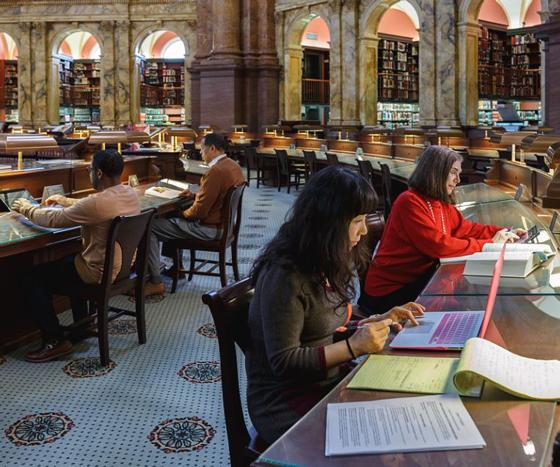
Organizations including the National Park Service, Smithsonian Institution, and Library of Congress have expanded digital access to historical collections, allowing millions of people to explore American history from home while encouraging deeper engagement with historic sites in person.
Why More Americans Are Exploring Their Cultural Roots
Interest in family history has grown steadily over the past decade. Genealogy websites, digitized census records, DNA testing services, and online archives have made historical research more accessible than ever before.
For many families, learning about ancestors creates a stronger sense of belonging. Others discover migration stories, military service records, occupational histories, or connections to communities they never knew existed.
This personal exploration often inspires broader curiosity about American history itself. Someone researching a grandparent’s arrival through Ellis Island may become interested in immigration history, while another researching military records may develop a deeper understanding of major historical events.
Rather than replacing traditional history education, these personal discoveries often complement it by making history more relatable.
Heritage Is More Than Historic Buildings
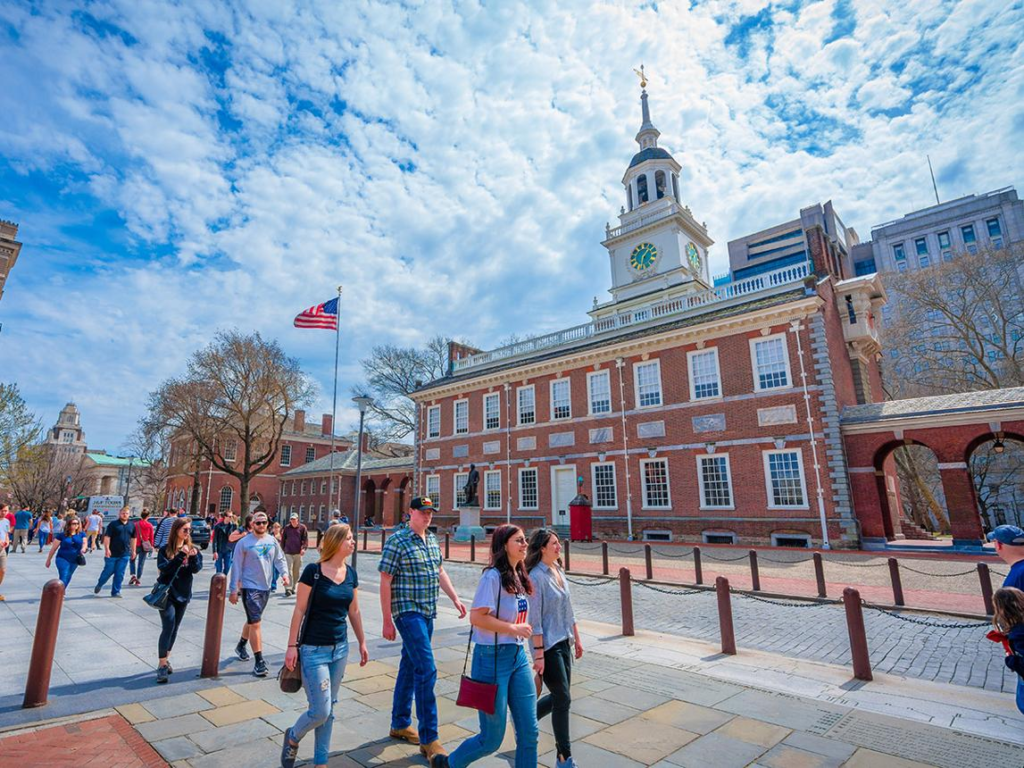
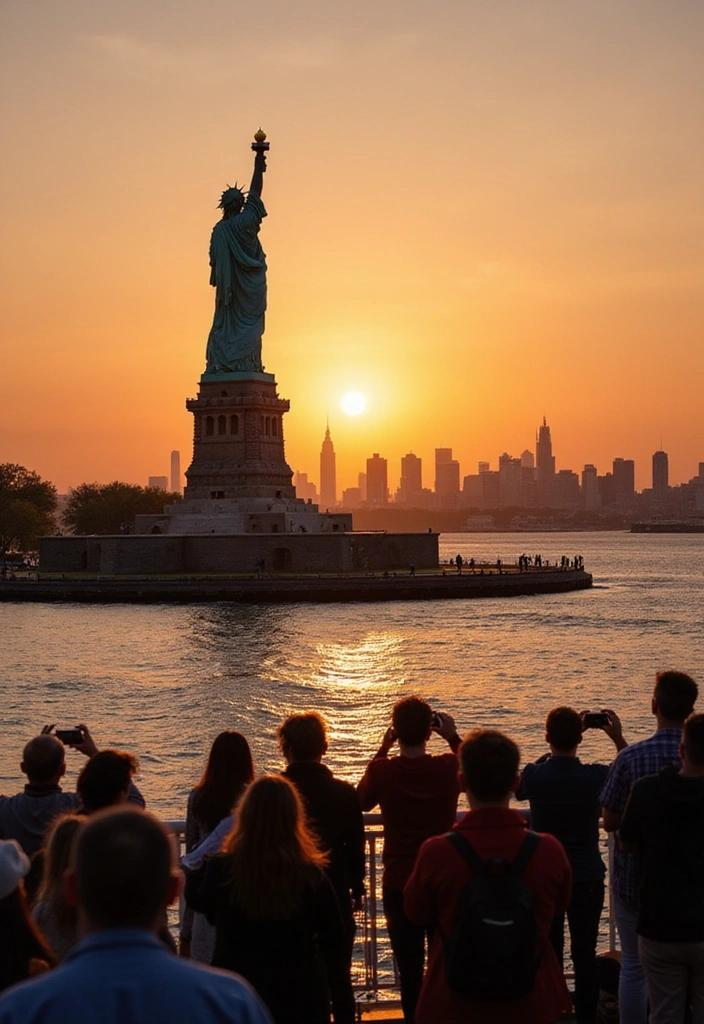
Many people associate heritage with famous landmarks like Independence Hall or the Statue of Liberty. While these locations remain nationally significant, heritage also exists in everyday places.
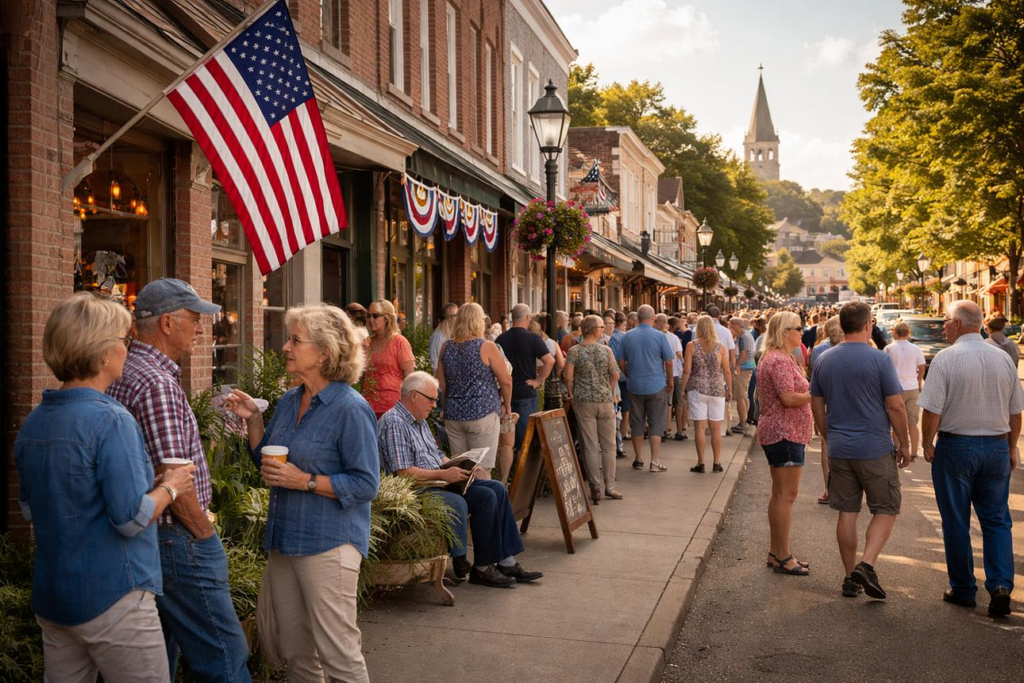
Small-town courthouses, historic neighborhoods, working farms, tribal lands, family-owned restaurants, jazz clubs, civil rights landmarks, local museums, and century-old businesses all contribute to America’s cultural landscape.
Communities increasingly recognize the value of preserving these places because they tell stories that national monuments alone cannot.
Examples include:
- Historic Main Streets that reflect local economic development.
- Indigenous cultural sites protected through tribal partnerships.
- African American heritage districts preserving Civil Rights history.
- Historic ranches illustrating western settlement.
- Maritime communities maintaining generations of fishing traditions.
- Former industrial districts documenting America’s manufacturing history.
Together, these places provide a richer understanding of the country’s development.
National Parks Preserve Both Nature and History
America’s national parks are often viewed primarily as natural destinations, yet many are equally important cultural resources.
The National Park System protects hundreds of historic locations, battlefields, archaeological sites, memorials, presidential homes, and cultural landscapes alongside famous natural wonders.
Visitors may explore:
- Colonial settlements
- Revolutionary War battlefields
- Native American archaeological sites
- Civil Rights landmarks
- Presidential residences
- Historic canals
- Military forts
- World War II memorial locations
These destinations demonstrate how environmental conservation and historical preservation often work together.
According to the National Park Service, hundreds of millions of recreational visits occur annually across the park system, making these sites among America’s most widely accessed educational resources.
Indigenous Heritage Is Central to America’s Story
Modern discussions about American heritage increasingly recognize Indigenous cultures as foundational to the nation’s history.
Long before European settlement, hundreds of Native Nations developed sophisticated governments, agricultural systems, trade networks, languages, and artistic traditions across North America.
Today many museums, national parks, and educational institutions collaborate directly with Tribal Nations to present more accurate and inclusive historical interpretations.
Visitors now encounter expanded exhibits covering:
- Traditional ecological knowledge
- Indigenous languages
- Cultural preservation efforts
- Ancient settlements
- Tribal sovereignty
- Contemporary Native communities
This broader perspective provides a more complete understanding of American history.
Immigration Continues to Shape American Identity
One defining characteristic of American heritage is its diversity.
Successive waves of immigrants from Europe, Asia, Latin America, Africa, and the Middle East have influenced nearly every aspect of American life.
Food traditions illustrate this especially well. Italian, Mexican, Chinese, German, Korean, Vietnamese, Greek, Indian, Lebanese, and countless other culinary influences have become familiar parts of everyday American dining.
Similarly, music reflects continuous cultural exchange, from jazz and blues to country, hip-hop, rock, folk, bluegrass, and contemporary multicultural genres.
Rather than existing separately, these traditions often blend together, creating distinctly American cultural expressions.
Historic Preservation Supports Communities
Historic preservation is often misunderstood as simply protecting old buildings. In reality, preservation can strengthen communities economically, culturally, and educationally.
Restored downtown districts frequently attract tourism, support local businesses, and encourage investment while maintaining architectural character.
Preservation projects can also:
- Protect community identity
- Encourage adaptive reuse of historic buildings
- Reduce demolition waste
- Promote heritage tourism
- Support local employment
- Preserve educational resources for future generations
Many American cities have demonstrated that preserving history and encouraging economic development can successfully coexist.
Museums Are Becoming More Interactive
Museums have changed dramatically over the past twenty years.
Interactive exhibits, digital archives, augmented reality experiences, multilingual interpretation, and community storytelling projects have expanded public participation.
Many museums now encourage visitors to ask questions rather than simply observe artifacts.
Examples include:
- Hands-on science history exhibits
- Digital Civil Rights archives
- Interactive immigration timelines
- Oral history listening stations
- Community-curated exhibitions
- Virtual access to historical collections
These innovations make American heritage more accessible for younger audiences and lifelong learners alike.
Local Traditions Keep Heritage Alive
Some of America’s most meaningful heritage experiences occur outside famous destinations.
County fairs, powwows, cultural festivals, historical reenactments, Juneteenth celebrations, Fourth of July traditions, Día de los Muertos events, harvest festivals, and local music gatherings allow communities to celebrate their own histories.
These traditions strengthen civic engagement while introducing younger generations to local customs that might otherwise disappear.
Many families develop annual traditions around these events, making heritage an active experience instead of a historical subject.
Digital Technology Is Transforming Heritage Discovery
Technology has made exploring history easier than ever before.
Today, Americans can:
- Tour museums virtually
- Browse historical newspapers
- Access military records
- View digitized maps
- Explore historical photographs
- Watch expert lectures online
- Listen to archived oral histories
- Research census records
The Library of Congress, National Archives, Smithsonian Institution, and numerous universities have significantly expanded digital access to historical collections.
Digital resources often encourage future travel by helping visitors better understand sites before arriving.
Heritage Tourism Continues to Grow
Many travelers increasingly seek meaningful experiences instead of simply checking famous attractions off a list.
Heritage tourism encourages visitors to understand destinations through local history, architecture, cuisine, traditions, and community stories.
Examples include walking tours of historic neighborhoods, visits to presidential libraries, Civil Rights museums, Indigenous cultural centers, maritime museums, historic railroads, and agricultural heritage sites.
Research from organizations including the U.S. Travel Association consistently indicates that cultural and historical experiences remain important motivations for domestic travel.
Travelers frequently report greater satisfaction when destinations provide opportunities to learn alongside recreation.
How Families Can Connect with American Heritage
Building appreciation for heritage does not require expensive travel.
Families can explore local history through simple experiences such as:
- Visiting nearby museums.
- Touring historic neighborhoods.
- Reading regional history books.
- Interviewing older family members.
- Exploring local cemeteries respectfully.
- Attending cultural festivals.
- Volunteering with preservation organizations.
- Researching family genealogy.
- Visiting national parks.
- Participating in community history programs.
Small experiences often inspire lifelong interest in history and civic engagement.
Frequently Asked Questions
1. What does American heritage include?
American heritage includes historical events, cultural traditions, Indigenous history, immigrant experiences, architecture, music, literature, public lands, landmarks, and community stories that collectively shape the nation’s identity.
2. Why is preserving American heritage important?
Preservation helps future generations understand history, supports education, strengthens communities, protects cultural resources, and contributes to local economies through heritage tourism.
3. How can I learn more about my family’s American history?
Start with conversations with relatives, family documents, census records, local historical societies, genealogy databases, military archives, and public libraries.
4. Are national parks part of American heritage?
Yes. Many national parks preserve both natural landscapes and historically significant sites, including battlefields, memorials, archaeological sites, and historic buildings.
5. How do museums help preserve heritage?
Museums collect, research, conserve, interpret, and share historical artifacts while providing educational programs for visitors of all ages.
6. What is heritage tourism?
Heritage tourism focuses on experiencing the history, culture, architecture, traditions, and stories of destinations through meaningful travel experiences.
7. How has technology changed historical research?
Digital archives, online museum collections, interactive maps, genealogy databases, and virtual exhibits have made historical information more accessible than ever before.
8. Why is Indigenous history important to American heritage?
Indigenous cultures existed for thousands of years before European settlement and remain essential to understanding America’s history, geography, governance, and cultural development.
9. Can local communities preserve heritage without major funding?
Yes. Volunteer organizations, historical societies, schools, community events, oral history projects, and local preservation initiatives often make significant contributions.
10. What are some easy ways children can learn about American heritage?
Museum visits, national parks, historical fiction, family genealogy projects, cultural festivals, educational documentaries, and local history walks all encourage meaningful learning.
Keeping the Story Alive
American heritage is not confined to museums, monuments, or history books. It is reflected in neighborhoods, family traditions, community celebrations, preserved landscapes, and the evolving stories that continue to shape the nation. By engaging with both well-known landmarks and local histories, Americans gain a broader understanding of the country’s diverse experiences while helping preserve those stories for future generations. Heritage remains strongest when it is explored, discussed, protected, and shared across generations.
Essential Ideas to Remember
- American heritage is both historical and continually evolving.
- National parks preserve important cultural as well as natural resources.
- Indigenous history is fundamental to understanding the United States.
- Immigration has shaped American culture across every generation.
- Historic preservation supports education and local economies.
- Museums increasingly use technology to improve public access.
- Local traditions remain vital parts of cultural identity.
- Digital archives have transformed historical research.
- Heritage tourism encourages deeper travel experiences.
- Everyday community participation helps preserve American heritage.