
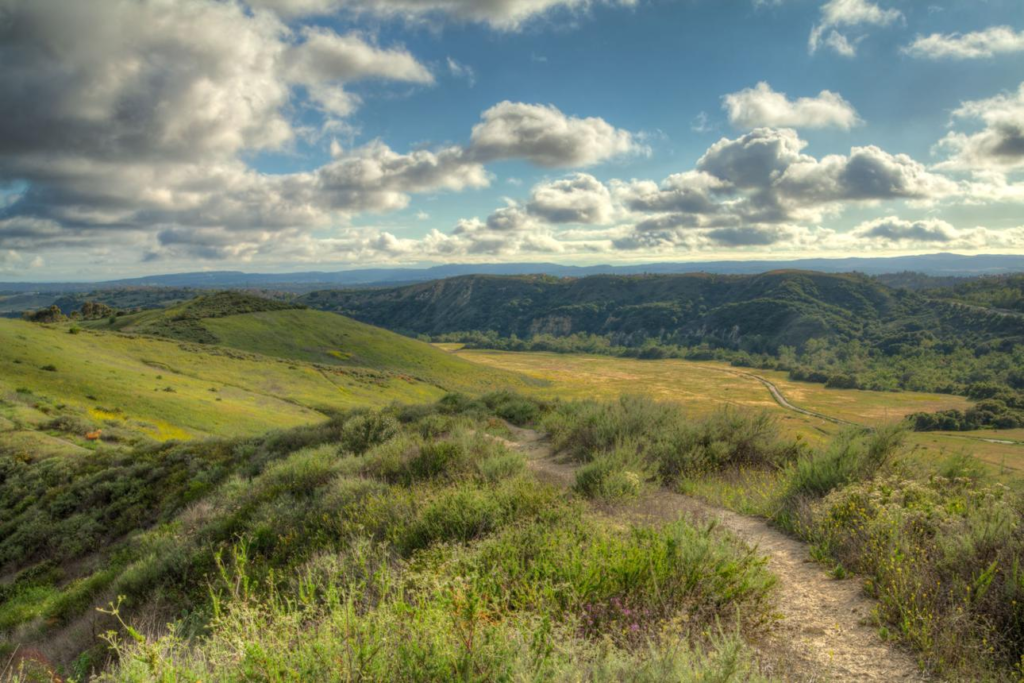
America’s country trails offer far more than scenic walks. They connect travelers with local history, wildlife, rural communities, and public lands while supporting healthier, lower-impact travel. From forest paths and mountain routes to prairie preserves and riverside greenways, these trails encourage slower exploration, deeper appreciation of regional landscapes, and memorable outdoor experiences that often remain overlooked compared with major tourist destinations.
Many travelers picture famous national parks when planning an outdoor vacation. While iconic destinations deserve their reputation, some of America’s most meaningful adventures happen on quieter country trails that wind through forests, farmland, mountain valleys, wetlands, rolling hills, and historic rural communities.
These trails offer something increasingly valuable in modern travel: the opportunity to slow down. Instead of rushing between attractions, travelers experience changing landscapes, seasonal wildlife, local culture, and regional history at a walking pace.
Recent recreation data from the Outdoor Industry Association and the National Park Service continues to show sustained interest in hiking, nature-based tourism, and outdoor recreation, reflecting a growing preference for experiences that prioritize wellness, sustainability, and authentic exploration.
Country trails are helping redefine what memorable travel looks like—not by offering bigger attractions, but by creating deeper connections with America’s landscapes and communities.
Why Country Trails Continue to Grow in Popularity
Outdoor recreation has become part of everyday travel planning rather than a niche activity reserved for experienced hikers.
Several factors explain this shift.
Travelers increasingly value:
- Flexible day trips
- Affordable outdoor activities
- Health-conscious vacations
- Scenic photography opportunities
- Family-friendly adventures
- Less crowded destinations
- Wildlife observation
- Local history and culture
Unlike highly commercial tourist attractions, many country trails allow visitors to experience nature without complicated itineraries or expensive admission fees.
Whether someone walks two miles through a Midwestern prairie or spends an entire weekend exploring Appalachian foothills, the experience often feels personal rather than programmed.
More Than Exercise: Walking Through America’s Living Landscapes
Many first-time visitors expect a country trail to be little more than a walking path.
Instead, they often discover an outdoor classroom.
Trails reveal changing ecosystems that may include hardwood forests, native grasslands, alpine meadows, wetlands, rivers, deserts, and coastal environments. Even short hikes expose travelers to regional biodiversity that cannot be appreciated from a highway.
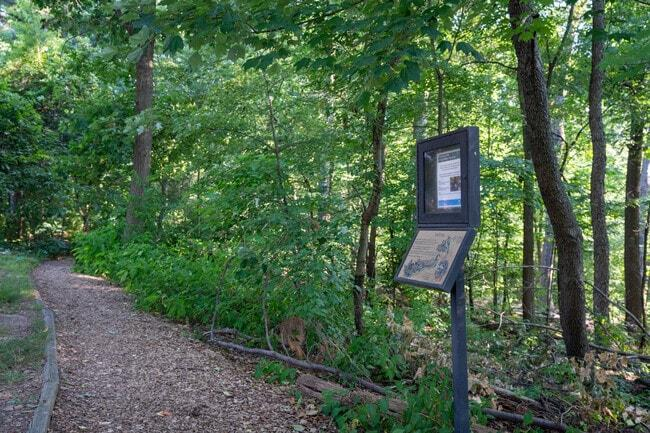
Interpretive signs frequently explain:
- Native plants
- Geological formations
- Local wildlife
- Indigenous history
- Conservation projects
- Agricultural traditions
Each trail tells a story about how people and landscapes have evolved together over generations.
Rural Communities Add Depth to Outdoor Travel
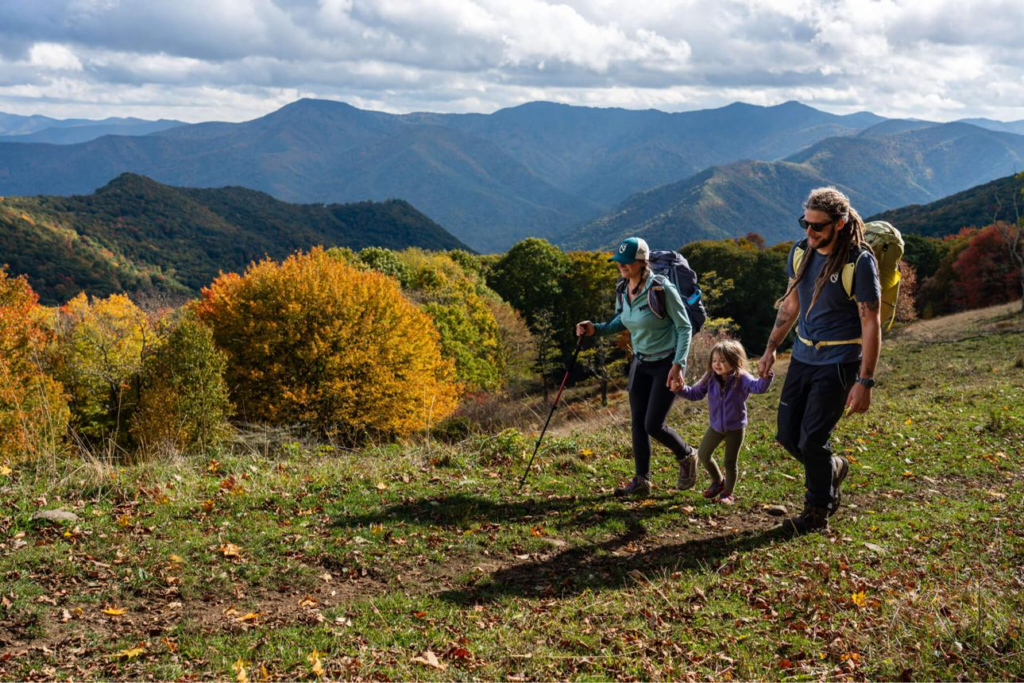
One of the greatest advantages of country trail travel is the connection it creates with nearby towns.
Rather than driving directly between large cities, travelers often stop in small communities where local businesses benefit from outdoor tourism.
Visitors may discover:
- Historic downtown districts
- Family-owned restaurants
- Farmers markets
- Artisan shops
- Local museums
- Community festivals
These experiences create a richer understanding of regional America than simply checking famous landmarks off a travel list.
Many rural economies now recognize trails as valuable tourism assets that support lodging, dining, and recreation businesses throughout the year.
Every Season Offers a Different Experience
Country trails rarely look the same twice.
Spring introduces wildflowers, migrating birds, flowing streams, and fresh greenery.
Summer offers longer daylight hours, dense forests, shaded paths, and abundant wildlife activity during morning and evening hours.
Autumn transforms many trails into spectacular displays of changing foliage, particularly throughout New England, the Appalachians, and the Upper Midwest.
Winter opens opportunities for snowshoeing, cross-country skiing, and peaceful walks across quieter landscapes where animal tracks become part of the experience.
Returning to the same trail during different seasons often reveals entirely new scenery.
Wildlife Encounters Reward Patient Travelers
Unlike zoos or wildlife parks, country trails allow visitors to observe animals within their natural habitats.
Depending on location, travelers may encounter:
- White-tailed deer
- Elk
- Wild turkeys
- Bald eagles
- Owls
- Songbirds
- Foxes
- Beavers
- Butterflies
- Native pollinators
Wildlife viewing succeeds best when hikers remain quiet, maintain appropriate distances, and respect Leave No Trace principles.
Patience often produces far more memorable encounters than actively searching for animals.
Historic Trails Connect the Past With the Present
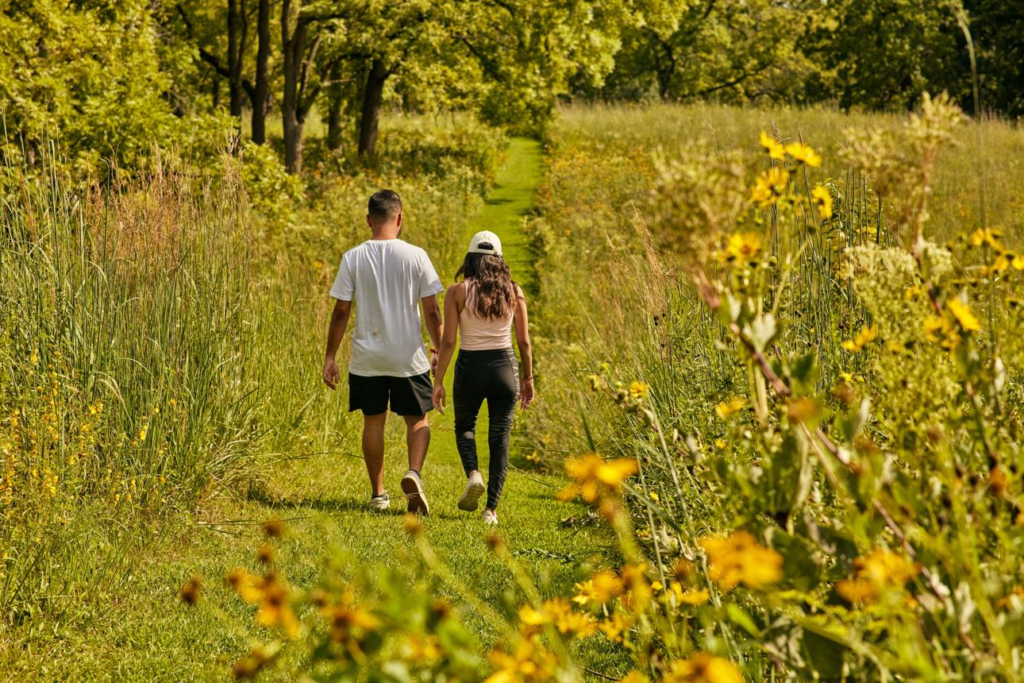
Many American trails follow routes that have shaped the nation’s development.
Some trace early railroad corridors converted into recreational paths.
Others follow Native American travel routes, pioneer roads, canal towpaths, or historic trade corridors.
Walking these trails offers historical context that museums alone cannot always provide.
Travelers gain a stronger appreciation for how geography influenced settlement, transportation, agriculture, and conservation across different regions.
Accessibility Is Expanding Outdoor Recreation
Modern trail systems increasingly prioritize accessibility.
Many parks now feature:
- Wheelchair-accessible paths
- Smooth multi-use trails
- Accessible fishing platforms
- Scenic overlooks
- Educational visitor centers
- Family-friendly loops
These improvements allow more Americans to experience outdoor recreation regardless of age or mobility level.
Accessibility initiatives continue expanding through partnerships between federal agencies, state park systems, and nonprofit organizations.
Technology Can Improve the Experience Without Replacing It
Digital tools have become valuable companions for outdoor travel.
Navigation apps help hikers stay on designated routes while minimizing the risk of getting lost.
Useful technology includes:
- Offline trail maps
- GPS navigation
- Weather forecasting
- Wildlife identification apps
- Bird identification tools
- Emergency communication devices
- Fitness tracking
However, experienced hikers often recommend balancing technology with observation.
The greatest rewards usually come from noticing the landscape itself rather than constantly checking a screen.
Responsible Trail Etiquette Benefits Everyone
Respect for shared outdoor spaces keeps trails enjoyable for future visitors.
Good trail etiquette includes:
- Staying on marked paths
- Packing out all trash
- Yielding appropriately on shared trails
- Keeping pets under control where permitted
- Respecting wildlife
- Avoiding unnecessary noise
- Following posted regulations
- Preparing for changing weather
Responsible recreation helps protect fragile ecosystems while preserving positive experiences for everyone.
What Should First-Time Trail Travelers Bring?
Preparation makes outdoor adventures safer and more comfortable.
Essential items include:
- Comfortable hiking shoes
- Refillable water bottle
- Weather-appropriate clothing
- Light rain jacket
- Sunscreen
- Hat
- Snacks
- Small first-aid kit
- Fully charged phone
- Printed map or offline navigation
Longer hikes may require additional food, trekking poles, insect protection, and emergency supplies.
How Country Trails Support Sustainable Tourism
Many travelers are becoming more aware of tourism’s environmental impact.
Country trails often encourage lower-impact recreation because visitors spend more time appreciating existing landscapes rather than relying on extensive infrastructure.
Responsible outdoor tourism supports conservation through park funding, volunteer programs, educational initiatives, and local economic development.
Travelers who choose public trails frequently contribute to communities while helping preserve natural resources for future generations.
Frequently Asked Questions
1. What qualifies as a country trail?
Country trails include hiking paths, rail trails, forest routes, prairie trails, riverside paths, mountain trails, and rural greenways located outside densely developed urban areas.
2. Are country trails suitable for beginners?
Yes. Many offer short, well-maintained loops with gentle terrain suitable for families and first-time hikers.
3. Which season is best for hiking?
Spring and fall generally provide the most comfortable temperatures, although every season offers unique scenery depending on the region.
4. How can I find trails near my destination?
Federal, state, and local park agencies maintain online trail directories. Recreation apps and visitor centers also provide current trail information.
5. Are pets allowed?
Policies vary by location. Many trails allow leashed dogs, while wildlife-sensitive areas may prohibit pets.
6. How long should a beginner hike?
Many beginners enjoy hikes between one and four miles before attempting longer distances.
7. Is hiking expensive?
Compared with many vacations, hiking is relatively affordable. Most public trails require little or no admission, although some parks charge entrance or parking fees.
8. What is Leave No Trace?
Leave No Trace is a set of outdoor ethics encouraging visitors to minimize environmental impact by respecting wildlife, staying on trails, disposing of waste properly, and preserving natural areas.
9. Can children enjoy country trails?
Yes. Numerous parks offer educational trails designed specifically for families, including interpretive exhibits and shorter walking routes.
10. Why are country trails becoming more popular?
Many travelers appreciate affordable outdoor experiences that combine exercise, scenic beauty, local culture, wildlife, and opportunities to disconnect from busy daily routines.