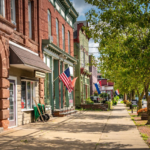

Flavor trails are helping travelers discover a deeper side of America through regional foods, local traditions, family-owned businesses, and community histories. Beyond dining experiences, these culinary journeys reveal how migration, agriculture, culture, and local identity shape communities across the country. From barbecue routes and seafood corridors to agricultural regions and ethnic food districts, flavor trails offer travelers authentic ways to connect with people and places.
Why Flavor Trails Are Changing the Way Americans Travel
For decades, travelers often built itineraries around famous landmarks, museums, and major attractions. Today, many Americans are seeking experiences that feel more personal, local, and meaningful. One of the fastest-growing ways to understand a destination is through its food.
A flavor trail is more than a collection of restaurants. It is a journey through a region’s culinary identity. These trails connect farms, markets, bakeries, food festivals, family-owned eateries, historic districts, and cultural traditions that have shaped local communities for generations.
Food tourism continues to grow as travelers increasingly prioritize experiences over traditional sightseeing. According to research from the World Food Travel Association, food and beverage experiences influence travel decisions for a large majority of leisure travelers. Rather than simply eating while traveling, many visitors now travel specifically to learn about local cuisine, ingredients, and traditions.
The result is a richer travel experience that reveals stories many visitors might otherwise miss.
What Exactly Is a Flavor Trail?
A flavor trail is a curated route or informal journey centered around a region’s culinary heritage. Unlike a restaurant guide, a flavor trail focuses on the broader ecosystem behind local food.
A typical flavor trail may include:
- Historic restaurants
- Farmers markets
- Local farms
- Artisan producers
- Food festivals
- Cultural neighborhoods
- Regional specialty shops
- Historic food landmarks
- Family-owned bakeries
- Traditional food makers
The goal is to understand how food connects to local history, geography, immigration, agriculture, and community identity.
For example, a traveler exploring Louisiana’s Cajun country learns not only about gumbo and crawfish but also about Acadian migration, wetland ecosystems, fishing traditions, and multigenerational family businesses.
The Hidden Stories Behind Regional Cuisine
Food often serves as a living archive of local history.
Many iconic American dishes emerged from centuries of migration, adaptation, and cultural exchange. Flavor trails help travelers uncover those stories in ways that museums alone often cannot.
Immigration and Cultural Influence
Some of America’s most beloved foods exist because of immigrant communities.
In cities such as Chicago, New York City, and San Antonio, entire neighborhoods tell stories through food traditions passed down across generations.
Visitors can explore:
- Italian-American bakeries
- Mexican family-owned restaurants
- Polish delis
- Chinese food districts
- Greek markets
- Vietnamese culinary communities
Each stop reveals how immigrant groups preserved traditions while adapting to local ingredients and economic realities.
Agriculture and Geography
Regional cuisine is heavily influenced by geography.
The seafood traditions of coastal New England differ dramatically from the cattle ranching culture of Texas or the fruit-growing regions of California.
When travelers follow flavor trails, they gain a deeper understanding of:
- Climate influences
- Local crops
- Fishing industries
- Ranching traditions
- Seasonal harvest cycles
- Sustainable farming practices
These factors often explain why certain foods become cultural symbols of a region.
Economic Resilience
Many small communities have revitalized local economies through culinary tourism.
A successful flavor trail can attract visitors who spend money not only at restaurants but also at hotels, shops, markets, and cultural attractions.
This creates opportunities for:
- Small business owners
- Local farmers
- Artisans
- Tourism operators
- Community organizations
As a result, food tourism often supports preservation efforts and local economic development.
America’s Most Fascinating Flavor Trails
Across the United States, countless culinary routes offer opportunities to explore local stories.
The Barbecue Trails of the South

Barbecue trails stretch across multiple states, each with distinct techniques and histories.
Texas is known for slow-smoked brisket, while North Carolina emphasizes pork and vinegar-based sauces. Kansas City is recognized for its diverse meats and sweet sauces, while Memphis maintains a strong tradition of dry-rub ribs.
These trails often reveal:
- Ranching history
- African American culinary contributions
- Family-owned businesses
- Regional rivalries
- Community traditions
New England Seafood Routes
Coastal communities throughout Maine and Massachusetts showcase centuries of maritime heritage.
Travelers following seafood-focused routes encounter:
- Lobster fisheries
- Oyster farms
- Historic harbors
- Seafood markets
- Working waterfronts
The experience offers insight into the challenges and traditions that continue to shape coastal economies.
California Farm-to-Table Regions
California’s agricultural diversity has created numerous flavor trails centered around fresh ingredients.
Visitors can explore:
- Wine regions
- Citrus groves
- Organic farms
- Farmers markets
- Specialty food producers
These journeys highlight the relationship between farming innovation and culinary creativity.
Southwest Culinary Corridors
The American Southwest combines Native American, Mexican, Spanish, and ranching influences.
Popular trail experiences include:
- Traditional chili dishes
- Indigenous food traditions
- Historic trading communities
- Local markets
- Regional baking techniques
Travelers gain a broader understanding of how cultures blended over centuries to create unique regional cuisines.

Why Local Cuisine Creates More Meaningful Travel Experiences
Many travelers remember meals long after they forget attractions.
That is because food engages multiple senses while also creating opportunities for personal interaction.
When visitors stop at a family-owned bakery, attend a farmers market, or talk with a local chef, they gain access to stories that rarely appear in guidebooks.
These conversations often reveal:
- Community traditions
- Family histories
- Local challenges
- Regional pride
- Generational knowledge
Unlike heavily commercialized attractions, flavor trails frequently provide direct connections to the people who shape a destination’s identity.
How to Build Your Own Flavor Trail
Not every flavor trail requires an official map.
Many travelers create personalized culinary journeys based on local interests.
Start With Regional Specialties
Research foods strongly associated with a destination.
Examples include:
- Wisconsin cheese
- Louisiana gumbo
- Maryland crab cakes
- New Mexico green chile
- Vermont maple products
- Kentucky bourbon heritage
These specialties often serve as gateways into broader local stories.
Look Beyond Restaurants
The most rewarding experiences frequently happen outside traditional dining settings.
Consider visiting:
- Farmers markets
- Food festivals
- Community events
- Historic districts
- Artisan food producers
- Agricultural tours
These locations often provide deeper cultural context.
Talk to Locals
One of the simplest ways to discover hidden culinary gems is by asking residents for recommendations.
Local suggestions frequently lead travelers to places that never appear on national “best restaurant” lists.
Travel Slowly
Flavor trails work best when travelers avoid rushing.
Allow time for:
- Conversations
- Unexpected discoveries
- Seasonal experiences
- Community events
- Regional detours
The journey itself often becomes the most memorable part of the experience.

Questions Travelers Commonly Ask About Flavor Trails
Are flavor trails only for serious food enthusiasts?
No. Flavor trails appeal to anyone interested in culture, history, and local experiences. Food simply serves as the entry point.
Are flavor trails expensive?
Not necessarily. Many experiences involve farmers markets, food festivals, roadside stands, and family-owned businesses that fit a wide range of budgets.
How long should a flavor trail trip last?
Trips can range from a single afternoon to a multi-state road trip depending on traveler interests.
Are flavor trails family-friendly?
Most are highly family-friendly and often include farms, markets, festivals, and educational experiences suitable for children.
Do flavor trails exist in rural areas?
Yes. Many of the most authentic flavor trails are located in smaller communities where culinary traditions remain closely tied to local culture.
The Future of Culinary Exploration in America
Consumer interest in authenticity continues to shape tourism trends.
Travelers increasingly seek experiences that help them understand destinations rather than simply visit them. Flavor trails meet that demand by combining food, history, culture, and community into a single journey.
Technology is also making discovery easier. Regional tourism boards, local food organizations, and community groups now provide digital guides that help visitors find lesser-known destinations and support local businesses.
At the same time, growing interest in sustainability, local sourcing, and cultural preservation is encouraging communities to protect culinary traditions that might otherwise be lost.
As a result, flavor trails are becoming an important tool for preserving regional identity while creating meaningful travel experiences.
Following the Stories Hidden on the Plate
America’s most memorable travel experiences are often found far beyond famous attractions and highly rated restaurants. Flavor trails reveal the people, traditions, industries, and histories that shape communities across the country.
By exploring local cuisine through a broader cultural lens, travelers gain a deeper appreciation for how food connects generations, preserves heritage, and reflects regional identity. Whether following a barbecue route through the South, visiting fishing communities in New England, or exploring agricultural regions in California, flavor trails transform meals into stories and destinations into living histories.