America’s best-known landmarks still matter because they do more than decorate postcards: they anchor public memory, local economies, and the travel decisions people make every day. What has changed is the way people visit them. Travelers now plan around crowd patterns, neighborhood context, accessibility, sustainability, and personal meaning—turning landmark trips into fuller, more intentional experiences rather than quick photo stops.
Why iconic landmarks still matter in a travel culture obsessed with “hidden gems”
For years, travel advice has leaned heavily toward under-the-radar neighborhoods, local-only spots, and “skip the tourist traps” messaging. That shift has value. It has helped many travelers look beyond the obvious and build trips around food, culture, and everyday life rather than a checklist. But it has also created a false choice: either visit the famous landmark or have an authentic trip.
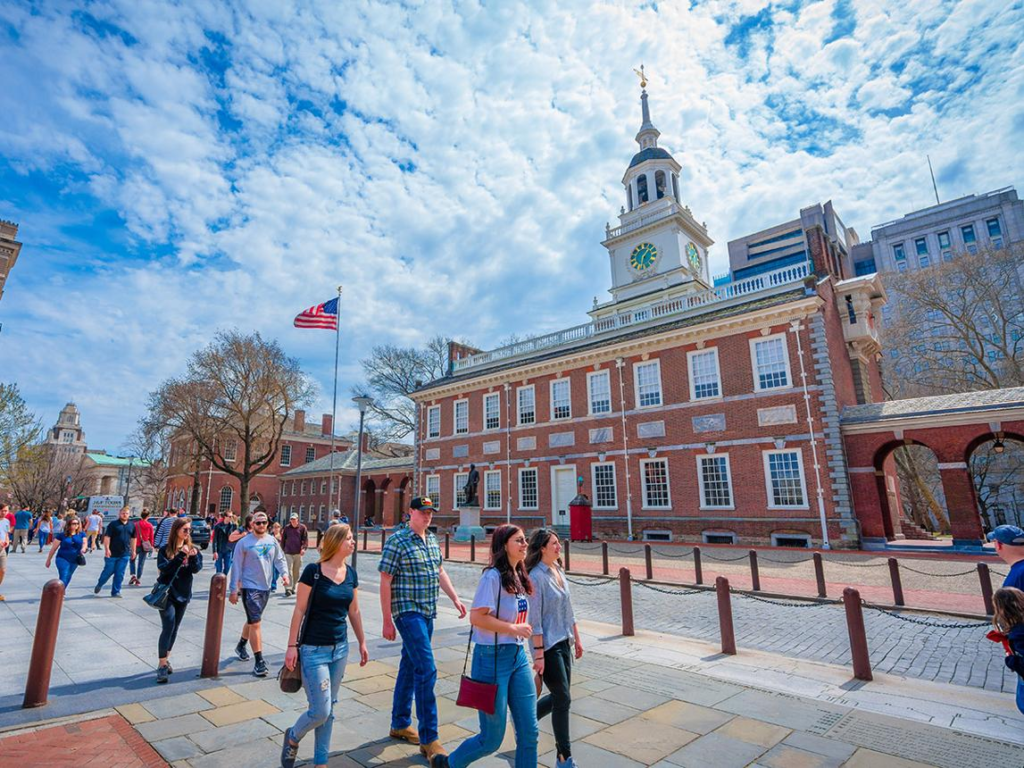
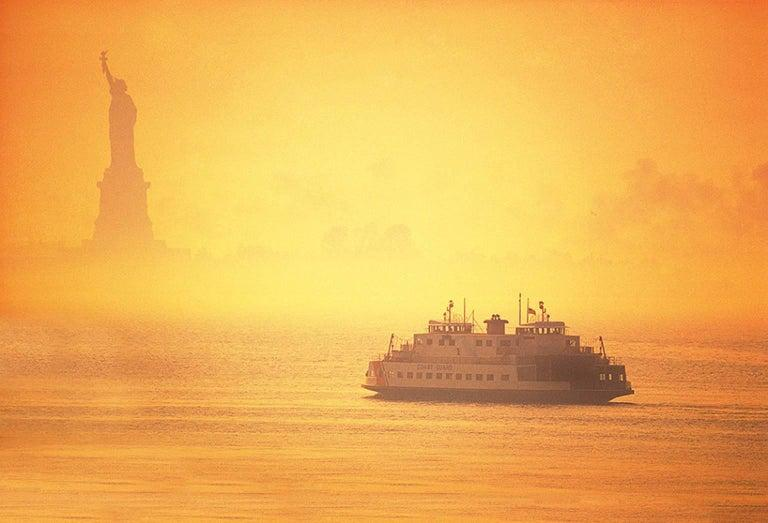
In practice, America’s iconic landmarks still matter because they are often the clearest physical expressions of the country’s history, geography, ideals, and contradictions. The Statue of Liberty is not just a ferry stop in New York Harbor. It is a shorthand for immigration, democracy, labor, and the ways Americans have interpreted freedom over time. The Golden Gate Bridge is not only a striking feat of engineering; it is also a visual gateway to San Francisco, the Pacific, and the history of Depression-era public works. Independence Hall in Philadelphia is not just another preserved building. It is one of the few places where visitors can stand inside a space directly tied to the founding of the United States.
Landmarks also continue to matter because Americans still visit them in enormous numbers. National Park Service sites set a record with 331.9 million recreation visits in 2024, showing that public appetite for historic places, monuments, and major natural attractions remains exceptionally strong. At the Statue of Liberty National Monument and Ellis Island alone, the National Park Service reports 3.7 million visitors in 2023 and an estimated $250 million in spending in nearby communities, supporting thousands of jobs.
That economic role matters, but it is only part of the story. Landmarks still function as public classrooms. They give families a concrete way to talk about history with children. They give first-time visitors a framework for understanding a city. They give repeat travelers a reason to return at a different pace or in a different season. In an era of algorithm-driven recommendations, landmarks remain one of the few travel experiences almost everyone recognizes, yet no two people experience in exactly the same way.
What has changed: travelers now want context, not just access
The biggest shift is not that people have stopped visiting iconic places. It is that they increasingly want more than admission and a photo. They want context. They want to understand why the place matters, what is happening around it, how to avoid wasting half a day in line, and how to connect the landmark to a broader neighborhood or region.
This lines up with larger travel trends. McKinsey has described the travel-experiences market as a massive and growing part of tourism, with travelers placing greater value on activities and memorable experiences rather than treating attractions as side notes to lodging and transportation. Skift’s travel reporting has similarly highlighted demand for authenticity, personalization, and experience-led itineraries rather than one-size-fits-all sightseeing.
In practical terms, that means landmark travel today often looks like this:
- booking the first ferry or timed entry rather than arriving at peak midday hours
- pairing a landmark with a neighborhood walk, museum, food stop, or ranger program
- choosing shoulder season or weekday visits to reduce crowd pressure
- using official apps and alerts before arrival to avoid closures, weather issues, or transportation disruptions
- spending more time on interpretation, audio guides, and local history rather than treating the site as a 20-minute stop
That is a meaningful change. Travelers are no longer asking only, “Should I go?” They are asking, “How do I do this well?”
The landmark is no longer the whole trip—it is the anchor of a better itinerary
One of the clearest ways travelers are experiencing landmarks differently is by treating them as anchors rather than entire itineraries. A landmark may still be the reason someone books the trip, but it is less likely to be the only meaningful stop on the trip.
Take Lower Manhattan. A decade ago, many visitors might have done the Statue of Liberty ferry, rushed through Ellis Island, and moved on. Today, a better-planned day often uses Liberty Island and Ellis Island as the core of a larger story about immigration, civic identity, and New York’s harbor history. That might include the Tenement Museum on another day, a walk through the Financial District, lunch in the Seaport area, and time at the National Museum of the American Indian or the 9/11 Memorial depending on the traveler’s interests.
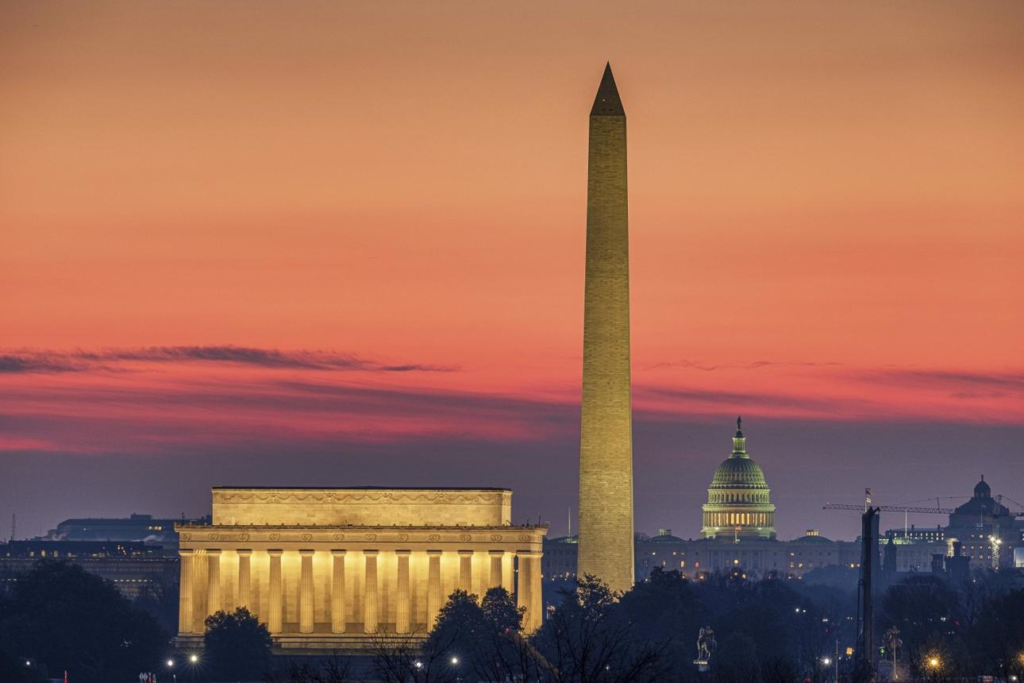
The same pattern appears in Philadelphia. Travelers still prioritize Independence Hall and the Liberty Bell, but many now build that visit into a larger Old City experience that includes the Museum of the American Revolution, Elfreth’s Alley, neighborhood dining, and walking time along the Delaware waterfront. In Washington, D.C., the Lincoln Memorial or Washington Monument is rarely treated as a standalone stop; it is usually part of a broader route through the National Mall, museums, and nearby memorials.
This shift matters because it changes how people evaluate the landmark itself. Instead of asking whether a famous site is “worth it” on its own, travelers increasingly ask whether it is worth building around. For many of America’s major landmarks, the answer is still yes.
Why these places still resonate with Americans in particular
For U.S. travelers, iconic landmarks often carry a kind of shorthand that international travelers may experience differently. Americans tend to arrive with some preexisting narrative—school lessons, family stories, films, civic rituals, or political associations. That doesn’t mean everyone arrives with the same perspective. It means the landmark often serves as a meeting point between national mythology and personal memory.
That is one reason landmarks still matter even when people know the history is incomplete or contested. Mount Rushmore, for example, is inseparable from questions about Indigenous land, memory, and national symbolism. Independence Hall can prompt reflection on both democratic ideals and the exclusions built into the country’s founding. The National Mall is not just ceremonial space; it is also a landscape of protest, mourning, celebration, and public argument.
Travelers increasingly want that fuller picture. They are more likely than in the past to seek out Indigenous interpretation, Black history tours, immigration history, preservation context, or environmental history alongside the standard visitor narrative. This does not diminish the landmark. It often makes the visit more meaningful.
The new landmark traveler is planning around time, season, and friction
Another major change is operational rather than philosophical: travelers are far more strategic about logistics than they used to be. Landmark travel now rewards planning.
For many of the country’s best-known sites, the difference between a frustrating visit and an excellent one can come down to timing, reservations, and transportation choices. The rise of timed-entry systems, online ticketing, official mobile apps, and real-time alerts has made planning easier—but it has also made it more necessary.
Here is what that looks like on the ground:
1. Travelers are shifting to shoulder seasons and off-peak hours
A sunrise or early-morning visit to the Golden Gate Bridge, a weekday slot at Independence Hall, or a late-afternoon walk on the National Mall often produces a better experience than a crowded midday weekend stop. The place itself has not changed. The visit quality has.
2. People are using official resources more carefully
The National Park Service now pushes visitors toward apps, alerts, and trip-planning pages that include closures, accessibility details, transportation advice, and fee information. That matters because landmark trips can be derailed by ferry sellouts, weather-related restrictions, construction, or parking limitations.
3. Travelers are spending more on convenience when it matters
Some visitors will still happily walk, wait, and improvise. But many now pay for timed tickets, transit passes, guided tours, or nearby lodging if it helps them use limited vacation time more efficiently. That does not necessarily mean luxury travel. It often just means prioritizing fewer hassles.
How landmark experiences are becoming more local, layered, and place-specific
There was a time when “doing” a landmark could mean seeing the monument, buying the magnet, and moving on. Today’s better landmark trips are more place-specific. Travelers want to know what makes the surrounding city, region, or landscape distinct.
Consider the Golden Gate Bridge. The bridge itself remains the visual centerpiece, but the experience is now often shaped by the choices around it: walking from Crissy Field, biking into Sausalito, pairing the bridge with Fort Point, spending time in the Presidio, or viewing it from different angles rather than trying to “cover” it in one rushed stop. The landmark becomes part of a day built around the Bay, military history, urban parks, and neighborhood geography.
The same is true for natural landmarks. A trip to Yellowstone, the Grand Canyon, or Yosemite increasingly involves thinking about gateway towns, reservation systems, shuttle options, trail etiquette, wildfire smoke, and how to spread a visit across less-congested hours or sections of the park. The landmark is still the draw, but the surrounding system matters more than ever.
That broader perspective also reflects sustainability concerns. UNESCO’s sustainable tourism guidance has long emphasized that heritage sites and major attractions work best when tourism planning is integrated with community needs, conservation, and local management. Travelers may not phrase it that way, but many now make choices that align with it: staying longer in one place, using public transportation where possible, visiting in shoulder season, and looking for businesses that keep tourism dollars in local communities.
What makes an iconic landmark “worth it” today?
For most travelers, the “worth it” question now has less to do with fame and more to do with fit. A landmark is worth it when it does at least one of three things well:
It gives you access to a story you cannot understand as well from a screen
Standing inside Independence Hall or on the grounds of Gettysburg is different from reading about those places. Physical scale, atmosphere, and setting still matter.
It helps orient you to a city or region
The Gateway Arch can frame a St. Louis trip. The National Mall can frame Washington. Alcatraz can frame San Francisco’s bay history, prison history, and military history all at once.
It rewards deeper engagement if you choose to give it more time
A landmark that can support multiple layers—architecture, politics, engineering, landscape, neighborhood context, preservation—is usually more resilient than one that depends entirely on spectacle.
That helps explain why some famous sites remain essential while others feel skippable to certain travelers. The strongest landmarks are not merely recognizable. They are interpretable. They can support a quick first-time visit, but they also reward curiosity.

A practical framework for visiting famous American landmarks better
If you are planning a trip around one of America’s major landmarks, a few habits can improve the experience substantially.
Before you go
- Check the official site first for timed tickets, closures, fees, and transportation rules.
- Look up the landmark’s busiest days and hours rather than assuming all mornings are equal.
- Decide what kind of visit you want: architecture, photography, family trip, history deep dive, or quick orientation stop.
- Build one nearby neighborhood, museum, or food stop into the same day so the landmark is part of a fuller experience.
While you’re there
- Give yourself more time than you think you need if interpretation matters to you.
- Use ranger talks, audio guides, or visitor-center exhibits when available; they often change the quality of the visit more than any upgrade or add-on.
- Walk a little farther than the main viewing area if the site allows it. Many landmark experiences improve dramatically once you move beyond the first obvious photo point.
- Pay attention to accessibility, shade, weather exposure, and restroom access, especially when traveling with kids or older adults.
After the landmark
- Ask what local story the landmark left out.
- Use the rest of your day to fill that gap with a museum, neighborhood, cultural site, or local business that broadens the picture.
Why landmark relevance may actually grow in the years ahead
There is a reasonable argument that iconic landmarks could become more important, not less, over the next decade. As travel content becomes more fragmented and algorithmic, many travelers are looking for experiences that feel anchored, legible, and culturally significant. Landmarks provide that structure. They are easy to recognize, but they can still be hard to fully understand, which is part of their staying power.
The U.S. semiquincentennial period is likely to reinforce that interest, especially at historic sites tied to the American Revolution, democracy, migration, public memory, and national identity. At the same time, landmark experiences will continue to evolve as travelers expect better interpretation, smoother logistics, and more honest storytelling about the places they visit.
The landmark trip of the future will probably look less like a race to collect famous places and more like a curated encounter with one or two places done well. That is a useful correction. It keeps the landmark in the itinerary without letting it flatten the rest of the destination.
Why the Landmark Still Holds the Map
America’s most iconic landmarks still matter because they are not just attractions. They are reference points—for history, for civic identity, for regional character, and for the way travelers understand a place. What has changed is the traveler. People are less willing to settle for a crowded, surface-level stop and more interested in timing, context, local connections, and the fuller story around the site. That shift is not a threat to famous landmarks. It is a sign that people expect more from them, and often get more when they visit with intention.
At-a-Glance Lessons for Planning a Better Landmark Trip
- Iconic landmarks still drive U.S. travel because they combine public meaning with strong visitor demand.
- Travelers are increasingly building landmark visits around context, not just photos.
- Timed entry, official alerts, and shoulder-season planning can make a major difference.
- The best landmark experiences connect the site to a neighborhood, museum, or local story.
- “Worth it” now depends less on fame and more on how well the landmark fits your trip goals.
- Sustainability and crowd management are becoming part of how travelers evaluate famous places.
- Landmarks remain especially valuable when they help explain a city, region, or chapter of American history.
- A landmark visit is usually better when it is treated as the anchor of the day rather than the entire day.
FAQ
1) Are America’s famous landmarks still worth visiting, or are they too crowded?
Many still are worth visiting, but timing matters more than ever. If you go early, book timed entry when available, and build the visit into a larger day rather than expecting a quick midday stop to be magical, the experience is often much better.
2) What are the best iconic landmarks to visit in the U.S. for first-time travelers?
That depends on the trip, but common high-value choices include the Statue of Liberty and Ellis Island, Independence Hall, the National Mall, the Golden Gate Bridge, the Grand Canyon, Yellowstone, Yosemite, and the Gateway Arch. These sites tend to offer both symbolic value and practical access to broader destination experiences.
3) How do I avoid crowds at major U.S. landmarks?
Travel on weekdays when possible, aim for first-entry or late-day windows, avoid holiday weekends, and consider shoulder seasons such as late spring or early fall. Always check official alerts and reservation rules before you go.
4) Should I book tours for famous landmarks or visit on my own?
It depends on your learning style. Self-guided visits can work well if the site has strong exhibits, signage, or an official app. Guided tours are often most useful at historically dense places where context changes the experience, such as Philadelphia, Washington, D.C., or immigration-history sites.
5) What makes a landmark feel “authentic” rather than touristy?
Usually it is not the landmark itself but how you approach it. A rushed, peak-hour visit focused only on photos can feel generic. A visit that includes historical interpretation, off-peak timing, and connection to the surrounding neighborhood tends to feel more grounded and memorable.
6) Are national landmarks and national park sites the same thing?
Not always. Some landmarks are managed by the National Park Service, while others are city, state, private, or nonprofit sites. A landmark can be historic, architectural, cultural, or natural without fitting neatly into one category.
7) How much time should I budget for a major landmark visit?
For a high-demand urban landmark, two to four hours is often realistic once security, transit, and exhibits are included. For major national park landmarks or large scenic sites, a half day to several days may be more appropriate.
8) What should families keep in mind when visiting iconic landmarks with kids?
Focus on logistics: restrooms, shade, food, ferry timing, stroller access, and how much standing is involved. Kids often do better when the visit includes one hands-on museum, open outdoor space, or a story-based element rather than a long sequence of static exhibits.
9) Do iconic landmarks help local economies, or are they mostly symbolic?
They do both. Many major landmarks support jobs, nearby hotels, restaurants, ferry operators, museums, and local retail. The Statue of Liberty and Ellis Island, for example, generate substantial spending in surrounding communities according to National Park Service data.
10) What is the smartest way to build a trip around one famous landmark?
Start with the landmark as the anchor, then add two supporting pieces: one nearby cultural or historical site and one neighborhood-based experience such as a market, restaurant, walk, or local museum. That usually creates a trip that feels both iconic and personal.