

Flavor trails are becoming one of the most appealing ways for travelers to explore the United States because they combine food, history, culture, and local identity into a single experience. Rather than focusing solely on attractions, many travelers now seek authentic connections through regional cuisines, family traditions, agricultural heritage, and community stories, making flavor-focused travel a growing force in modern tourism.
Why Travelers Are Following Flavor Trails Across America
Travel has changed significantly over the past decade. While iconic landmarks and famous destinations continue to attract visitors, a growing number of Americans are looking for experiences that feel more personal, authentic, and culturally meaningful. One of the most noticeable developments in this shift is the rise of flavor trails.
A flavor trail is a travel route centered around food and beverage experiences that reflect the culture, history, and traditions of a particular region. These trails often connect farms, restaurants, markets, wineries, breweries, food festivals, and artisan producers, allowing travelers to experience a destination through its culinary identity.
The appeal goes far beyond eating. Travelers increasingly view food as a gateway to understanding local communities. A bowl of gumbo in Louisiana, fresh lobster in Maine, barbecue in Texas, or green chile dishes in New Mexico tells a story about migration, agriculture, geography, and cultural heritage.
As experience-driven travel continues to grow, flavor trails have emerged as a practical way for visitors to explore destinations while supporting local economies and preserving traditions.
What Exactly Is a Flavor Trail?
A flavor trail is more than a restaurant guide. It is a curated journey that connects culinary experiences with local culture.
Many states and tourism organizations have developed official flavor trails to showcase regional specialties. These trails often include:
- Family-owned restaurants
- Historic food establishments
- Local farms
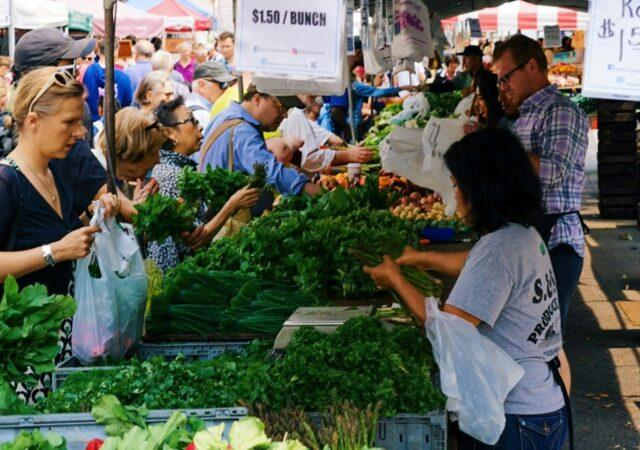
- Farmers markets
- Craft breweries
- Wineries
- Artisan food producers
- Cultural food festivals
- Cooking demonstrations
- Heritage food sites
Unlike traditional sightseeing routes, flavor trails encourage visitors to slow down and engage with local communities. The emphasis is often on storytelling, craftsmanship, and regional identity.
For travelers seeking memorable experiences rather than simply checking destinations off a list, this approach offers greater depth and connection.
The Shift Toward Experience-Driven Travel
Modern travelers increasingly prioritize experiences over possessions. Research from multiple travel industry studies has consistently shown that consumers value meaningful experiences, cultural immersion, and personal enrichment when planning trips.
Food naturally fits this trend because it provides immediate and tangible connections to a destination.
When travelers participate in a crawfish boil along the Gulf Coast or visit a family-operated maple syrup farm in Vermont, they are engaging with traditions that have developed over generations. These interactions often become the most memorable parts of a journey.
Several factors are driving the popularity of flavor trails:
- Increased interest in local culture
- Growth of culinary tourism
- Social media sharing of unique food experiences
- Desire to support local businesses
- Interest in sustainable travel
- Growing appreciation for regional food heritage
Rather than simply seeing a destination, travelers want to understand it. Food offers one of the most accessible ways to achieve that goal.
How Food Tells the Story of a Place
One reason flavor trails resonate so strongly with travelers is that food reflects the history of a region.
Consider the cultural influences found throughout American cuisine.
In Louisiana, French, African, Spanish, and Native American traditions have shaped local dishes for centuries. In the Southwest, Native American, Mexican, and Spanish influences remain central to regional food culture. Across the Midwest, immigrant communities introduced recipes and techniques that continue to define local dining experiences today.
Every ingredient has a story.
A traveler exploring a seafood trail in New England learns about the region’s fishing industry. A visitor following a bourbon trail in Kentucky gains insight into agriculture, craftsmanship, and state history. Someone traveling through California wine country discovers how geography and climate influence production.
Food transforms historical information into an experience people can taste, see, and remember.
Popular Flavor Trails Across the United States
America offers countless examples of successful flavor-focused travel routes.
Kentucky Bourbon Trail
Perhaps one of the most famous examples, the Kentucky Bourbon Trail connects visitors with historic distilleries, educational tours, and local hospitality. Travelers gain a deeper understanding of bourbon production while exploring Kentucky’s cultural landscape.
Louisiana Culinary Trails
Louisiana’s culinary routes showcase Cajun and Creole traditions through seafood, spices, family recipes, and cultural celebrations. Food becomes a lens through which visitors understand the state’s unique heritage.
North Carolina Barbecue Trail
Barbecue is deeply tied to regional identity throughout North Carolina. Travelers can compare styles, cooking techniques, and local traditions while visiting communities that have preserved these methods for generations.
California Farm and Wine Routes
California offers numerous farm-to-table and wine-focused trails that highlight agriculture, sustainability, and culinary innovation. These routes often connect producers directly with consumers.
Vermont Cheese and Maple Trails
Travelers can visit working farms, artisan producers, and local markets while learning how traditional methods continue to shape Vermont’s food culture.
These examples demonstrate how flavor trails can transform ordinary meals into educational and cultural experiences.
Why Local Communities Benefit
Flavor trails are not only valuable for travelers. They can also create significant benefits for local communities.
Tourism spending generated through food-focused travel often reaches small businesses that may not benefit from traditional tourism models. Independent restaurants, family farms, local markets, and specialty producers frequently become key attractions.
Benefits often include:
- Increased visitor spending
- Job creation
- Preservation of food traditions
- Support for family-owned businesses
- Strengthened community identity
- Greater awareness of regional heritage
Many communities have discovered that their unique culinary traditions can serve as economic assets while preserving cultural authenticity.
This balance between economic growth and cultural preservation is one reason flavor trails continue to gain support among tourism planners.
The Role of Sustainability in Flavor Trail Tourism
Sustainability has become an important consideration for travelers.
Many flavor trails naturally align with sustainable tourism principles because they encourage local consumption and shorter supply chains.
Visitors often purchase food directly from producers, reducing transportation requirements and supporting local agriculture. Farm visits also help consumers understand seasonal food production and environmental stewardship practices.
Sustainable elements commonly found on flavor trails include:
- Farm-to-table dining
- Seasonal ingredients
- Local sourcing
- Agricultural education
- Preservation of traditional farming methods
- Reduced food transportation distances
For environmentally conscious travelers, these factors add another layer of value to culinary exploration.
How Technology Is Helping Flavor Trails Grow
Digital platforms have made flavor trails more accessible than ever before.
Travelers can discover routes through tourism websites, mobile applications, mapping tools, and social media content. Reviews, videos, and traveler-generated recommendations help visitors identify experiences that match their interests.
Technology also allows smaller destinations to reach wider audiences.
A family-owned bakery in a rural town can gain national attention through social media exposure. A local food festival can attract visitors from neighboring states through targeted digital marketing.
This increased visibility has contributed significantly to the expansion of culinary tourism across the country.

Planning a Flavor Trail Adventure
Travelers interested in exploring a flavor trail can maximize their experience with thoughtful planning.
Start by researching regional specialties before arriving. Understanding local history and culinary traditions adds context that makes experiences more meaningful.
Consider these planning tips:
- Travel during harvest or festival seasons
- Reserve tours and tastings in advance
- Visit both popular and lesser-known locations
- Speak with local producers and chefs
- Explore farmers markets
- Try dishes unique to the region
- Allow extra time for spontaneous discoveries
Many of the most memorable flavor trail experiences occur through conversations with local residents who share stories about recipes, ingredients, and traditions.
What the Future Holds for Flavor Trails
The popularity of flavor trails shows no signs of slowing.
Several trends suggest continued growth:
- Increased interest in cultural tourism
- Rising demand for authentic travel experiences
- Growth of domestic travel
- Greater focus on sustainable tourism
- Continued support for local food systems
Tourism organizations increasingly recognize that food serves as both an attraction and a storytelling tool. As travelers continue seeking meaningful experiences, flavor trails will likely become an even more important part of destination marketing and regional development strategies.
Rather than replacing traditional tourism, they complement it by providing deeper engagement and stronger connections between visitors and communities.

Frequently Asked Questions
What is a flavor trail?
A flavor trail is a travel route that connects food-related destinations such as restaurants, farms, markets, breweries, wineries, and artisan producers while highlighting regional culture and heritage.
Why are flavor trails becoming popular?
Travelers increasingly seek authentic experiences, cultural immersion, and local connections, all of which flavor trails provide through food-focused exploration.
Are flavor trails only for food enthusiasts?
No. Many travelers enjoy flavor trails because they combine history, culture, agriculture, and community experiences in addition to food.
Which states are known for flavor trails?
Kentucky, Louisiana, California, Vermont, Texas, North Carolina, and New Mexico are among the states with well-known culinary travel routes.
How do flavor trails support local communities?
They direct visitor spending toward local businesses, farms, restaurants, and producers while helping preserve regional traditions.
Are flavor trails family-friendly?
Many are. Farm visits, markets, food festivals, and cultural demonstrations often appeal to travelers of all ages.
Can flavor trails support sustainable tourism?
Yes. Many encourage local sourcing, farm-to-table dining, and direct engagement with regional producers.
How long does a typical flavor trail take?
Some can be explored in a day, while others span multiple regions and may require several days or even a week.
Do flavor trails exist in rural areas?
Absolutely. Many of the most successful flavor trails highlight rural communities, farms, and small-town food traditions.
How can travelers find flavor trails?
State tourism offices, local visitor bureaus, travel websites, and culinary tourism organizations often provide maps and itineraries.
Savoring the Stories Behind Every Stop
The growing appeal of flavor trails reflects a broader shift in how people travel. Today’s visitors increasingly value experiences that create genuine connections with places and people. Food serves as one of the most powerful ways to build those connections because it captures history, identity, geography, and tradition in a form that is both accessible and memorable.
As communities continue preserving and sharing their culinary heritage, flavor trails offer travelers an opportunity to move beyond sightseeing and participate in the stories that shape a destination. The result is a richer, more meaningful travel experience that benefits visitors and local communities alike.
Journey Highlights at a Glance
- Flavor trails combine food, culture, history, and local identity.
- Experience-driven travelers increasingly prioritize authentic culinary experiences.
- Food provides a practical way to understand regional heritage.
- Flavor trails support small businesses and local economies.
- Sustainable tourism principles often align naturally with culinary travel.
- Technology has expanded awareness of food-focused travel opportunities.
- Many states now promote official culinary routes and food trails.
- Travelers benefit from deeper cultural engagement.
- Local communities gain economic and cultural advantages.
- Flavor trails are expected to remain a major tourism trend.