American heritage is more than historic landmarks and famous events. It lives through neighborhoods, family traditions, local festivals, preserved architecture, tribal cultures, immigrant communities, and shared civic values. Across the United States, these stories strengthen local identity, support tourism, encourage preservation, and help future generations understand how diverse experiences have shaped the nation’s past, present, and future.
The Living Story of American Heritage
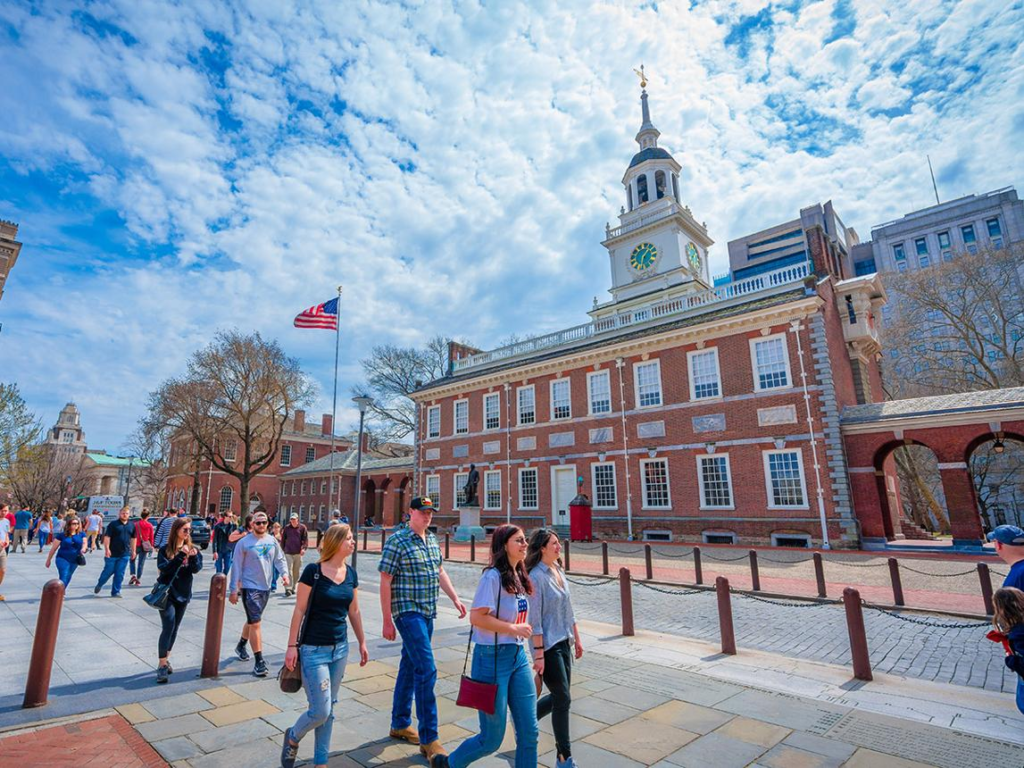
American heritage is often associated with iconic landmarks like Independence Hall, the Statue of Liberty, or Mount Vernon. While these places remain important, the true story of American heritage extends far beyond nationally recognized destinations. It exists in small-town museums, Native American cultural centers, family-owned farms, neighborhood festivals, restored downtown districts, historic churches, immigrant traditions, and oral histories passed through generations.
Rather than representing a single narrative, American heritage reflects the combined experiences of Indigenous peoples, early settlers, enslaved Africans, immigrants from around the world, military veterans, entrepreneurs, artists, farmers, workers, and countless local communities. Together, these stories continue to influence how Americans understand identity, citizenship, resilience, and shared responsibility.
Today, communities across the country are finding new ways to preserve these stories while adapting them for younger generations through digital archives, educational programs, cultural tourism, and community events.
Why Heritage Matters Beyond History Books
History often focuses on major events and influential figures, but heritage connects those events to everyday life.
When communities preserve their local stories, they help residents understand:
- How neighborhoods developed
- Why local traditions continue today
- The origins of regional architecture
- How different cultures contributed to community growth
- Lessons from past economic and social changes
Research from organizations including the National Park Service and the Smithsonian Institution consistently shows that heritage education strengthens civic engagement while encouraging historical understanding across generations.
Communities that invest in preservation frequently experience additional benefits, including increased tourism, downtown revitalization, educational opportunities, and stronger community identity.
Indigenous Heritage Remains Central to America’s Story
Long before the United States became a nation, hundreds of Indigenous nations developed complex societies across North America.
Today, tribal nations continue preserving languages, ceremonies, art, ecological knowledge, and historical traditions despite centuries of displacement and hardship.
Visitors increasingly seek opportunities to learn directly from Native communities through cultural centers, museums, interpretive programs, and tribal-operated heritage sites.
Examples include:
- Pueblo communities in New Mexico
- Cherokee cultural programs in Oklahoma
- Navajo Nation historical sites
- Alaska Native heritage centers
- Pacific Northwest tribal museums
These experiences offer perspectives that broaden public understanding of American history while highlighting living cultures rather than treating Indigenous history as something confined to the past.
Immigration Stories Continue to Define Local Communities
Few countries have experienced immigration on the scale of the United States.
Every generation has introduced traditions that eventually became part of everyday American life.
Italian neighborhoods influenced regional cuisine.
German immigrants contributed to brewing traditions.
Chinese communities helped build railroads while creating thriving cultural districts.
Mexican heritage shapes food, music, architecture, and festivals throughout the Southwest.
Scandinavian communities preserve crafts and celebrations throughout the Upper Midwest.
Today, festivals celebrating Hispanic Heritage Month, Lunar New Year, Juneteenth, Oktoberfest, Greek heritage, Caribbean culture, and many others demonstrate how immigration continues enriching American communities.
Rather than replacing earlier traditions, new cultural influences often blend with existing local identities.
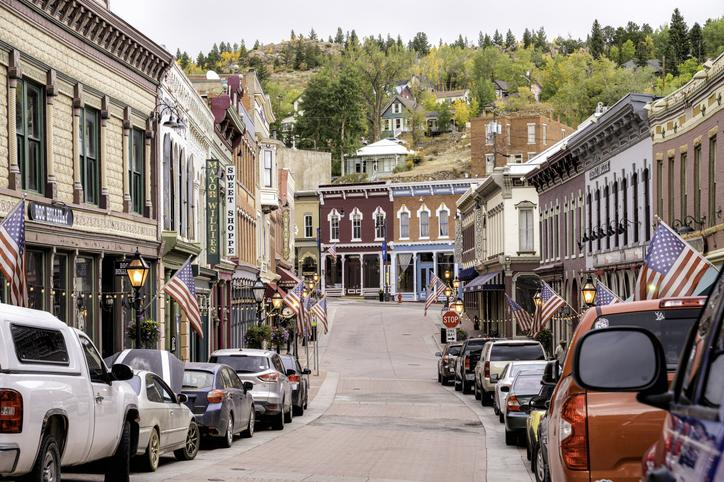
Historic Main Streets Tell Stories Worth Preserving
Many Americans associate heritage with famous national landmarks, but some of the country’s richest stories are found in historic downtown districts.
Restored Main Streets often reveal:
- Early banking buildings
- Historic theaters
- Railroad depots
- Family-owned businesses
- Local newspapers
- Courthouses
- Community gathering places
Programs such as Main Street America have helped hundreds of communities restore historic commercial districts while encouraging economic development.
These revitalization efforts frequently demonstrate that preserving history and encouraging business growth can work together rather than compete.
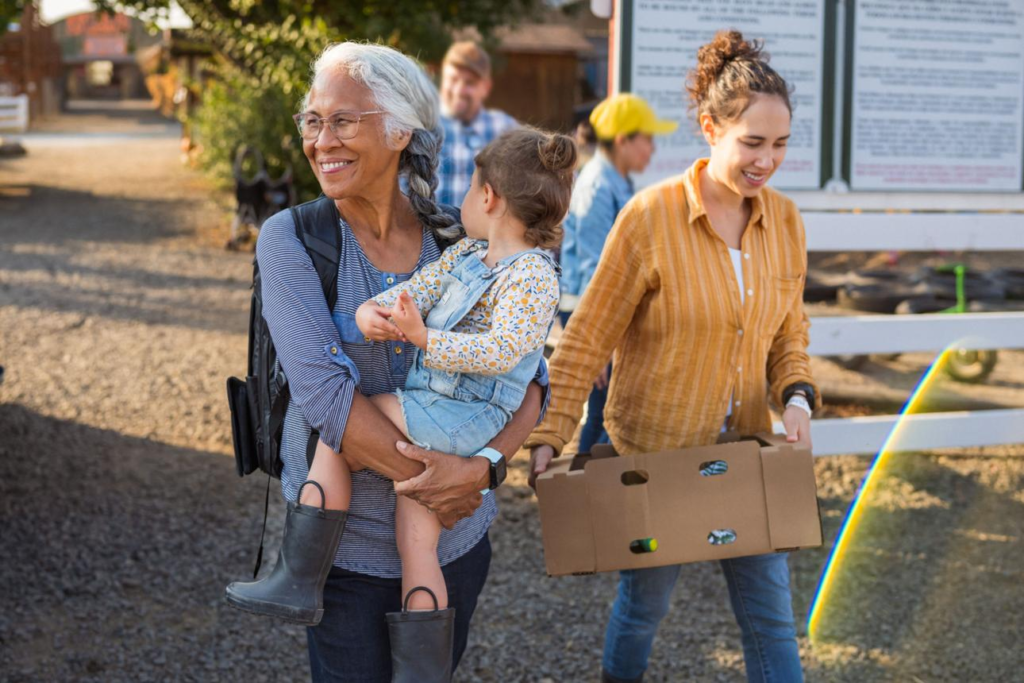
Family Traditions Keep Heritage Alive
American heritage is not preserved solely by museums.
Families play an equally important role.
Recipes passed through generations often tell migration stories.
Holiday celebrations preserve religious traditions.
Military service records connect families with national history.
Old photographs document neighborhood changes.
Family reunions strengthen connections across generations.
Oral storytelling remains especially valuable because many community experiences were never formally documented.
Simple activities help preserve family heritage:
- Recording interviews with grandparents
- Digitizing old photographs
- Labeling family documents
- Preserving recipes
- Creating family history books
- Researching local archives
- Visiting ancestral communities
These efforts become valuable resources for future generations.
Architecture Reflects America’s Changing Identity
Buildings reveal how communities evolved over time.
Colonial homes reflect early settlement patterns.
Victorian neighborhoods illustrate industrial growth.
Art Deco buildings capture early twentieth-century optimism.
Mid-century architecture reflects postwar expansion.
Industrial warehouses increasingly become mixed-use community spaces that preserve historical character while serving modern needs.
Historic preservation organizations often emphasize that architecture represents more than aesthetics.
Buildings provide physical evidence of social, economic, technological, and cultural change.
Adaptive reuse projects have become especially popular because they balance preservation with practical community development.
Heritage Tourism Supports Local Economies
Heritage tourism has become one of the fastest-growing segments of cultural travel.
Rather than seeking only entertainment, many travelers now prioritize meaningful experiences.
Popular heritage destinations include:
- National parks
- Presidential homes
- Civil Rights landmarks
- Revolutionary War sites
- Historic battlefields
- Maritime museums
- Railroad museums
- Living history villages
- Historic plantations that provide balanced historical interpretation
- Cultural festivals
According to the U.S. National Park Service, millions of visitors explore historic sites annually, generating significant economic activity for surrounding communities through lodging, restaurants, transportation, retail, and local services.
Smaller towns often benefit substantially from heritage tourism because visitors typically spend time exploring local businesses beyond major attractions.
The Role of Museums Has Changed
Modern museums increasingly prioritize storytelling over simply displaying artifacts.
Interactive exhibits now include:
- Digital archives
- First-person oral histories
- Community-curated collections
- Virtual reality experiences
- Hands-on educational exhibits
- Rotating local history projects
Museums have also expanded efforts to present multiple perspectives, ensuring that historically underrepresented voices receive greater recognition.
This broader approach helps visitors better understand the complexity of American history.
Schools and Communities Are Expanding Heritage Education
Many schools now partner with local historical societies, libraries, preservation groups, and museums.
Students may participate in:
- Cemetery documentation projects
- Oral history interviews
- Local archive research
- Historical walking tours
- Community preservation initiatives
- Historic building surveys
These programs encourage critical thinking while helping students see history as something connected to their own neighborhoods rather than distant events.
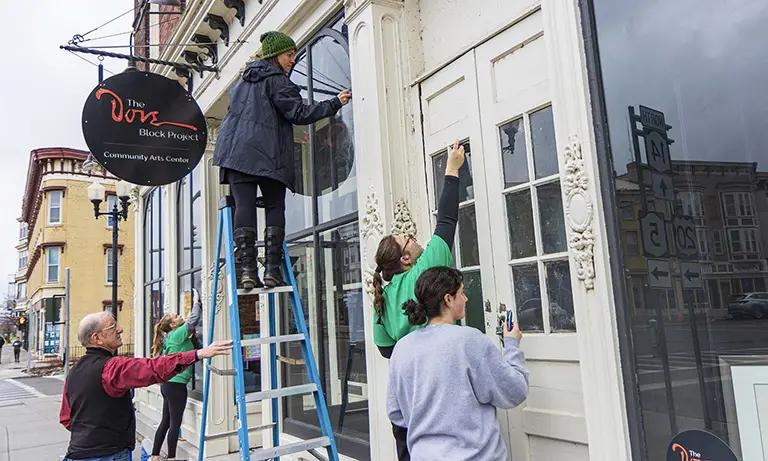
Community volunteers also contribute by restoring historic cemeteries, preserving archives, cataloging photographs, and maintaining local museums.
Technology Is Transforming Heritage Preservation
Digital technology has dramatically expanded preservation opportunities.
Communities increasingly use:
- 3D building scans
- Drone photography
- Online archives
- Digital genealogy databases
- Interactive maps
- Virtual museum tours
- Artificial intelligence for document restoration
These tools improve access while protecting fragile historical materials.
Someone researching family history can now access millions of historical records online that previously required traveling to local archives.
Technology also allows smaller museums to reach national and international audiences.
What Americans Often Ask About Heritage
Many people exploring local history ask practical questions such as:
- Where can I find historical records for my town?
- How do I trace my family history?
- What qualifies a building as historic?
- Why are heritage sites protected?
- How do communities preserve local traditions?
- What role do tribal nations play in American history?
- How does heritage tourism benefit small towns?
- What is the difference between history and heritage?
The answers often begin locally—with historical societies, libraries, museums, universities, tribal cultural centers, and state archives.
Frequently Asked Questions
1. What is American heritage?
American heritage includes the traditions, cultures, historical experiences, places, languages, values, and stories that have shaped communities throughout U.S. history.
2. Why is preserving heritage important?
Preservation helps communities understand their past, strengthen identity, support education, encourage tourism, and protect culturally significant resources.
3. How can families preserve their own heritage?
Families can record oral histories, preserve photographs, digitize documents, document recipes, research genealogy, and share stories with younger generations.
4. What is heritage tourism?
Heritage tourism involves traveling to experience historic places, museums, cultural festivals, and communities that preserve important historical traditions.
5. How do historic districts benefit communities?
Historic districts often encourage investment, attract visitors, preserve architecture, and strengthen local identity.
6. How do museums contribute to heritage preservation?
Museums collect artifacts, preserve documents, educate visitors, conduct research, and present diverse historical perspectives.
7. What role do Native American communities play in preserving heritage?
Tribal nations actively preserve languages, ceremonies, traditions, ecological knowledge, and historical sites while educating broader audiences about Indigenous history.
8. Can technology improve heritage preservation?
Yes. Digital archives, virtual tours, 3D scanning, AI-assisted restoration, and online genealogy resources improve preservation and accessibility.
9. How does local history differ from national history?
Local history focuses on individual communities, while national history examines broader events. Together they provide a more complete understanding of America’s development.
10. Where should someone begin learning about their community’s heritage?
Start with local libraries, historical societies, museums, state archives, National Park Service sites, and family records.