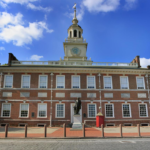
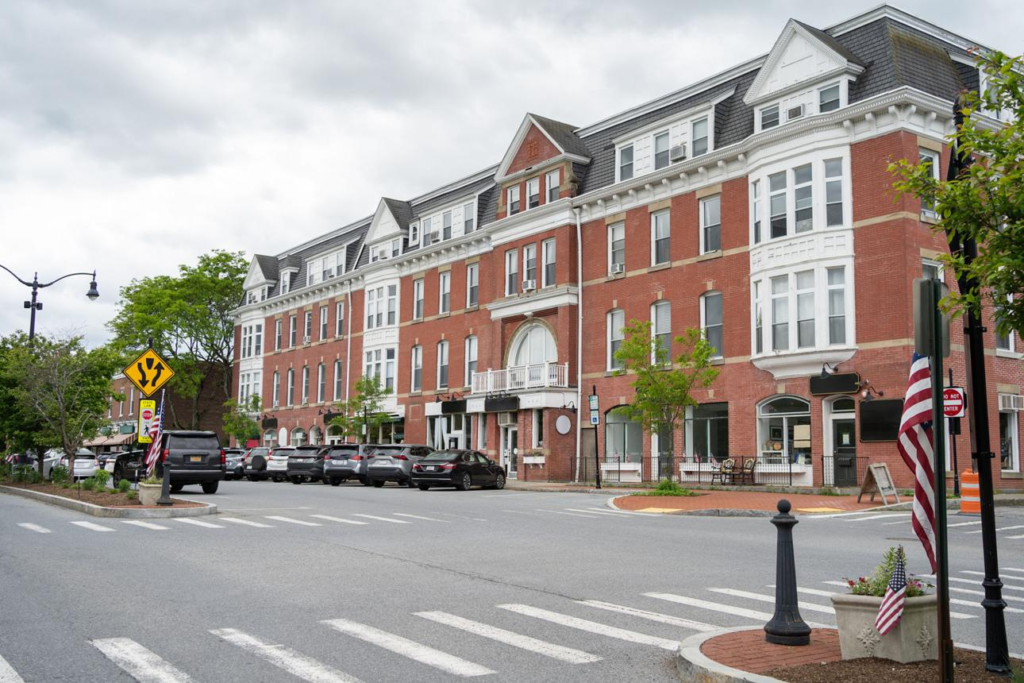
For Americans of different ages, heritage reflects more than history books or national landmarks. It is shaped by migration, education, technology, family traditions, economic change, and cultural identity. Older generations often associate American heritage with civic traditions and national milestones, while younger Americans increasingly connect it to inclusion, personal identity, and local community stories. Understanding these shifting perspectives helps explain how the nation continues redefining its shared identity.
Understanding the Evolving Meaning of American Heritage
American heritage has never been a fixed concept. Every generation interprets it through the lens of its own experiences, priorities, and historical context. For some Americans, heritage is tied closely to patriotism, military sacrifice, and foundational institutions. For others, it reflects immigration stories, regional traditions, cultural diversity, or social progress.
What makes American heritage especially complex is the country’s relatively young national history combined with its enormous cultural diversity. Unlike nations with a single dominant ethnic or linguistic history, the United States has continuously evolved through immigration, migration, technological shifts, and social movements.
As a result, Americans often inherit different versions of what heritage means depending on:
- Their family background
- Geographic region
- Education
- Religion
- Economic experience
- Political environment
- Exposure to cultural institutions
A family in rural Iowa may pass down very different traditions than a second-generation immigrant household in Los Angeles or a multigenerational family in New Orleans. Yet all may legitimately view their experiences as part of American heritage.
This evolving interpretation is not new. Historians have long noted that Americans reinterpret national identity during periods of major social change. What is different today is the speed at which cultural narratives shift through digital media, demographic change, and public debate.
How Older Generations Often Define American Heritage
For many Americans born during or shortly after World War II, heritage was commonly associated with national unity, civic participation, and institutional trust. Schools emphasized shared national narratives centered on founding documents, military victories, industrial growth, and civic responsibility.
During the mid-20th century, heritage education often highlighted:
- The Constitution and Founding Fathers
- National holidays and patriotic rituals
- Military service and wartime sacrifice
- Industrial achievement
- Religious participation
- Traditional family structures
This perspective developed during a period when television, newspapers, and schools delivered relatively unified cultural messaging. Shared media experiences created a stronger sense of collective national identity.
Many older Americans still connect heritage to symbols such as:
- The American flag
- Small-town traditions
- National parks
- Historical monuments
- Veterans memorials
- Family-owned businesses
- Community institutions like churches and local schools
For this generation, preserving heritage can feel closely connected to preserving continuity and stability.
According to survey data from the Pew Research Center, older Americans are more likely to express strong attachment to traditional civic symbols and historical narratives than younger generations. These attitudes are often influenced by formative experiences during periods of national solidarity and economic expansion.

Why Younger Americans Often See Heritage Differently
Millennials and Generation Z have grown up in a much different cultural environment. Their understanding of American heritage is shaped by globalization, the internet, multicultural education, economic uncertainty, and broader conversations about historical inclusion.
Younger Americans are more likely to ask:
- Whose stories were historically excluded?
- How should difficult parts of history be remembered?
- What role does immigration play in national identity?
- Can heritage include evolving cultural traditions?
- How do local communities shape American culture?
Rather than viewing heritage as a fixed national story, younger generations often see it as a dynamic and expanding conversation.
This shift appears in several areas:
Greater Emphasis on Cultural Diversity
Many younger Americans view heritage through multicultural experiences rather than singular national narratives. Food traditions, language preservation, music, neighborhood identity, and immigrant histories are increasingly recognized as central parts of American culture.
Cities such as New York City, Houston, and Chicago often showcase this blend through festivals, museums, and local traditions that reflect multiple cultural influences simultaneously.
Reexamining Historical Narratives
Younger generations are also more likely to support reexamining monuments, textbooks, and public commemorations. This does not necessarily mean rejecting American history altogether. In many cases, it reflects a desire for more complete historical representation.
For example, museums across the U.S. have expanded exhibits covering Indigenous communities, civil rights history, labor movements, and immigrant experiences.
Digital Preservation of Heritage
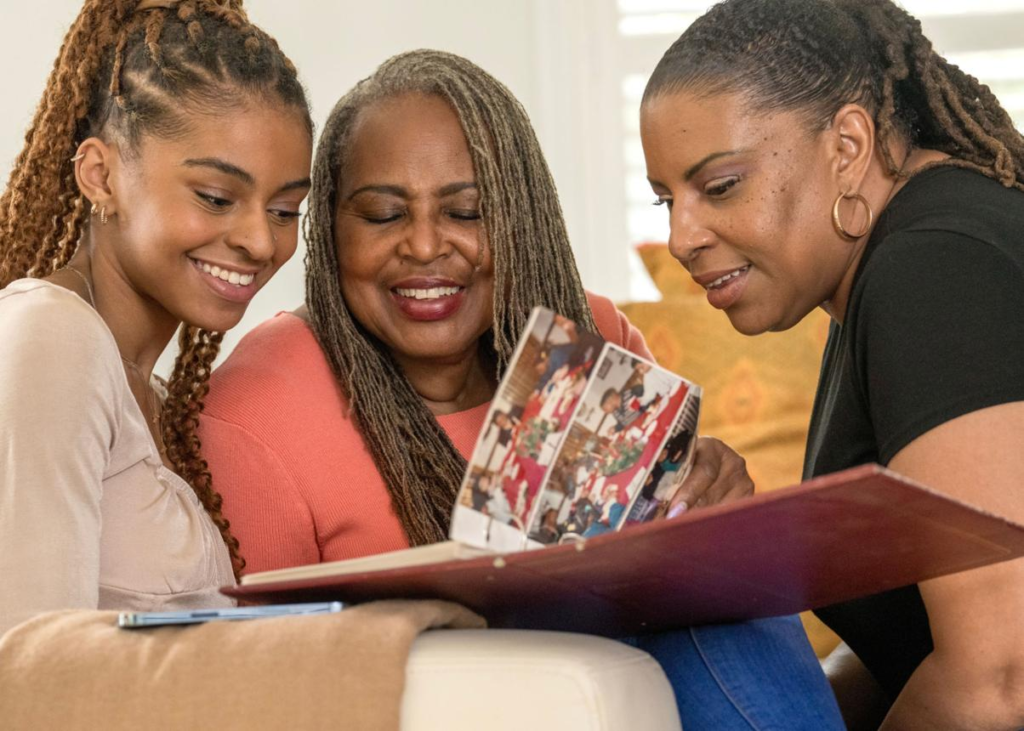
Social media and digital archives have transformed how heritage is preserved and shared. Younger Americans increasingly discover family stories, historical photographs, oral histories, and local traditions online rather than through formal institutions alone.
Platforms like YouTube, podcasts, and digital museums have broadened access to regional and cultural history in ways previous generations never experienced.
The Role of Immigration in Shaping Heritage
American heritage cannot be understood without recognizing immigration’s central role in shaping the nation’s identity.
According to the U.S. Census Bureau, nearly one in four children in the United States lives in an immigrant household. This demographic reality significantly influences how heritage is understood across generations.
For many immigrant families, American heritage is not about replacing cultural identity but combining multiple identities at once.
A third-generation Mexican American family in San Antonio may celebrate both Independence Day and Día de los Muertos traditions. Similarly, Asian American families may preserve language and cultural customs while also embracing distinctly American regional identities.
This blending of traditions reflects a broader pattern throughout U.S. history. German, Irish, Italian, Jewish, Chinese, African, Caribbean, Middle Eastern, and Latin American influences have all contributed to the country’s evolving cultural landscape.
In practical terms, heritage often becomes visible through everyday experiences:
- Family recipes
- Neighborhood festivals
- Music traditions
- Religious celebrations
- Local architecture
- Storytelling
- Sports traditions
These lived experiences often shape personal identity more deeply than formal history lessons alone.
Why Geography Still Shapes Heritage Perspectives
Regional identity remains one of the strongest influences on how Americans interpret heritage.
Someone raised in Boston may associate heritage with Revolutionary War history and colonial architecture. In Nashville, heritage may be closely tied to music traditions and Southern identity. In the Southwest, Native American and Hispanic influences often play a much larger role in local historical identity.
Geography influences:
- Cuisine
- Dialects
- Architecture
- Historical memory
- Political traditions
- Economic identity
Even within the same generation, Americans can hold very different understandings of heritage depending on where they grew up.
This regional diversity helps explain why national debates about history, monuments, and identity can feel deeply personal. People are often defending not just abstract history, but the traditions and memories tied to their local communities.
How Schools and Media Influence Generational Perspectives
Education has always played a major role in shaping public understanding of heritage. But the educational experience itself has changed dramatically across generations.
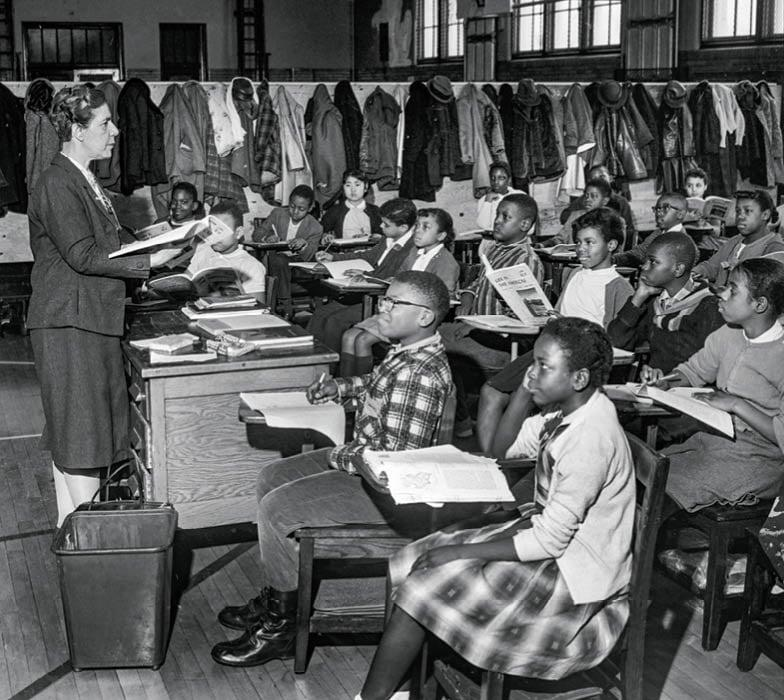
Older Americans were more likely to learn from standardized textbooks emphasizing national unity and major political events. Younger Americans are exposed to broader historical perspectives, including social history, Indigenous history, and global context.
At the same time, media fragmentation has changed how Americans encounter historical narratives.
Today’s generations consume information through:
- Streaming documentaries
- Podcasts
- Social media
- Independent journalism
- Online archives
- Short-form video platforms
This creates both opportunities and challenges. More perspectives are available than ever before, but Americans are also less likely to share the same historical references.
As a result, heritage discussions increasingly reflect personal interpretation rather than universal consensus.
Why Preservation Efforts Are Changing
Historic preservation itself has evolved over the past few decades.
In the past, preservation efforts often focused heavily on:
- Government buildings
- Military landmarks
- Presidential homes
- Colonial architecture
Today, preservation organizations increasingly recognize the importance of preserving everyday community history as well.
Sites connected to labor movements, civil rights activism, immigrant communities, music culture, and Indigenous history are receiving more attention.
Organizations such as the National Trust for Historic Preservation have expanded conversations around whose stories deserve preservation.
Examples include:
- Historic Black business districts
- Native American sacred sites
- LGBTQ+ historical landmarks
- Community cultural centers
- Working-class neighborhoods
This broader definition reflects changing generational expectations about representation and historical inclusion.
What Americans Are Really Searching for When They Explore Heritage
Search trends suggest that many Americans are not simply looking for historical facts. They are often searching for personal connection.
Common questions include:
- What traditions did my grandparents follow?
- Where did my family come from?
- How can I preserve family history?
- What historical events shaped my hometown?
- How do I teach children about cultural heritage?
- Which museums explain local history best?
In other words, heritage has become increasingly personal.
Genealogy websites, oral history projects, and DNA ancestry services have grown rapidly because many Americans want to understand how their own stories fit into larger national narratives.
At the same time, younger generations often seek heritage experiences that feel authentic and locally grounded rather than purely symbolic.
That may explain the growing popularity of:
- Community festivals
- Historic walking tours
- Local museums
- Family storytelling projects
- Regional food traditions
- Cultural preservation nonprofits
These experiences offer a more tangible connection to history than abstract national debates alone.

Why Generational Differences Do Not Necessarily Mean Division
Public conversations sometimes frame generational differences as evidence of cultural conflict. In reality, differing interpretations of heritage are often signs of a society adapting to demographic and historical change.
Most Americans across generations still value:
- Family history
- Community identity
- Cultural continuity
- Historical education
- National belonging
The differences often lie in which stories receive emphasis and how inclusive the definition of heritage becomes.
In many families, multiple perspectives coexist naturally. Grandparents may focus on military history and civic tradition, while younger relatives emphasize cultural identity and social history. Both perspectives can contribute to a fuller understanding of the American experience.
Rather than weakening national identity, this broader conversation may ultimately create a more comprehensive historical narrative.
The Ongoing Conversation About What America Remembers
American heritage will likely continue evolving as demographics, technology, and cultural priorities change.
Future generations may define heritage through:
- Climate migration stories
- Digital culture
- Global interconnectedness
- Local sustainability movements
- Hybrid cultural identities
What remains consistent is the human desire for continuity, memory, and belonging.
Americans continue searching for ways to connect personal stories with national history. Whether through family traditions, historic landmarks, music, food, or local community narratives, heritage remains one of the primary ways people understand where they come from and how they fit into the broader national story.
The meaning changes because America itself continues changing.
That evolution is not separate from American heritage. In many ways, it is the defining characteristic of it.
Common Questions Americans Ask About Heritage
What is considered American heritage?
American heritage includes the historical, cultural, social, and civic traditions that have shaped the United States over time. It can include national history, immigration stories, local traditions, architecture, music, food, and community identity.
Why do generations view heritage differently?
Each generation grows up during different social, political, economic, and technological conditions. These experiences shape how people interpret history, identity, and cultural traditions.
How has immigration influenced American heritage?
Immigration has continuously reshaped American culture through language, food, religion, art, business traditions, and community life. Many modern American traditions reflect blended cultural influences.
Why are historical monuments debated today?
Many Americans are reassessing which historical figures and events are publicly commemorated. Discussions often focus on representation, historical context, and inclusion.
How do younger Americans define heritage?
Younger generations often view heritage as more inclusive, multicultural, and community-centered. They may emphasize lived experiences and underrepresented historical narratives.
Why is local history important?
Local history helps communities preserve identity, understand regional development, and maintain cultural continuity across generations.
What role does technology play in preserving heritage?
Digital archives, podcasts, online genealogy tools, and social media allow Americans to document and share historical stories more easily than previous generations.
Are family traditions part of heritage?
Yes. Family recipes, celebrations, storytelling, language, and customs are often some of the strongest forms of personal heritage.
How can parents teach children about heritage?
Parents can explore museums, share family stories, celebrate cultural traditions, visit historical sites, and encourage conversations about history and identity.
Why does heritage continue changing?
Heritage evolves because society changes. New generations reinterpret history through current experiences, values, and demographic realities.
The Legacy Americans Continue to Redefine
American heritage has never been a single story shared identically across generations. It is an ongoing conversation shaped by memory, migration, community, and change. Older generations often emphasize continuity and civic tradition, while younger Americans increasingly prioritize inclusion and diverse historical perspectives. Together, these viewpoints reveal a broader truth: heritage remains meaningful precisely because Americans continue redefining it in response to the country’s evolving identity.
Key Perspectives Worth Remembering
- American heritage changes alongside demographic and cultural shifts
- Older and younger generations often emphasize different historical priorities
- Immigration remains central to the American cultural experience
- Local traditions strongly influence personal identity
- Technology has transformed how history is preserved and shared
- Heritage discussions increasingly focus on inclusion and representation
- Family traditions remain one of the strongest forms of cultural continuity
- Regional identity continues shaping how Americans interpret history
- Preservation efforts now include a wider range of historical experiences
- Heritage remains deeply connected to belonging and community