For many Americans, heritage sites are more than tourist destinations. They preserve stories about immigration, democracy, labor, innovation, civil rights, and community identity that continue to influence daily life across the country. From historic neighborhoods and national landmarks to Indigenous cultural sites, these places help explain how the United States evolved socially, economically, and culturally—and why their lessons still matter today.
Why American Heritage Sites Continue to Matter
Across the United States, heritage sites serve as physical reminders of the country’s evolving identity. They preserve architecture, traditions, and historical experiences that still influence education, tourism, urban planning, civic values, and local economies.
According to the National Park Service, more than 300 million recreational visits are made annually to national parks and historic sites throughout the country. Many of those visits are not simply recreational. Families, educators, students, veterans, and travelers use these places to better understand the people and events that shaped modern American life.
What makes heritage sites especially relevant today is their ability to connect history with present-day realities. Questions Americans commonly ask—such as how cities developed, why communities differ culturally, or how historical movements still affect modern policy—often have answers rooted in preserved landmarks and historical districts.
In many ways, these sites function as public classrooms. They allow people to experience history directly rather than reading about it in abstract terms.
The Role of Heritage Sites in Preserving Community Identity
One of the most important functions of American heritage sites is preserving local identity. Communities often rally around historic districts, cultural centers, and preserved landmarks because they reflect shared memories and collective values.
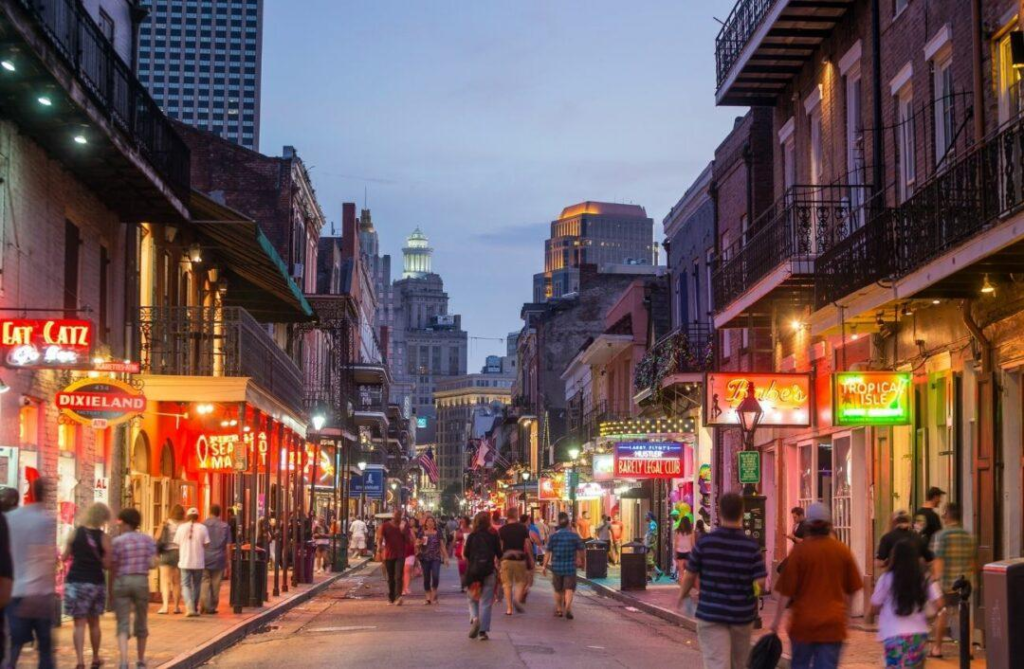
In cities like New Orleans, historic neighborhoods help preserve traditions linked to music, cuisine, architecture, and cultural blending. Similarly, preserved Indigenous heritage locations across the Southwest continue to educate visitors about Native American history long before the founding of the United States.
These locations also shape how residents experience their own communities. Historic main streets, town squares, and preserved civic buildings often become gathering spaces that strengthen local engagement.
Some of the most visible ways heritage preservation influences modern communities include:
- Supporting local tourism economies
- Preserving architectural character
- Encouraging civic pride
- Creating educational opportunities
- Protecting regional traditions
- Strengthening intergenerational storytelling
Many American towns now integrate preservation planning into economic development because historic identity often attracts both residents and visitors seeking authentic experiences rather than generic urban development.
Ellis Island and the Continuing Story of Immigration
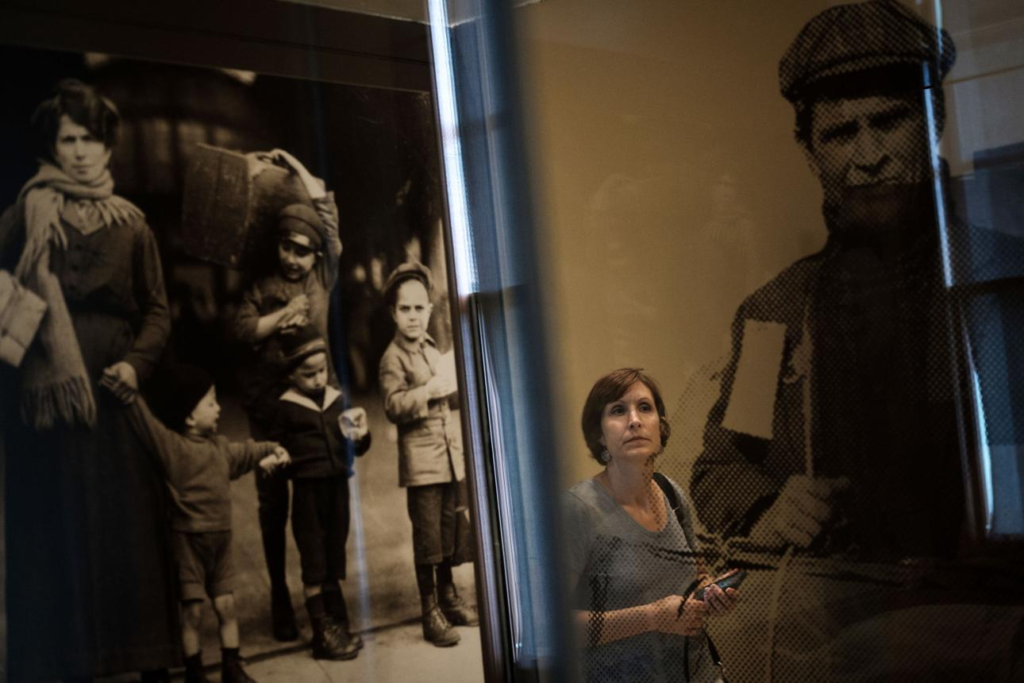
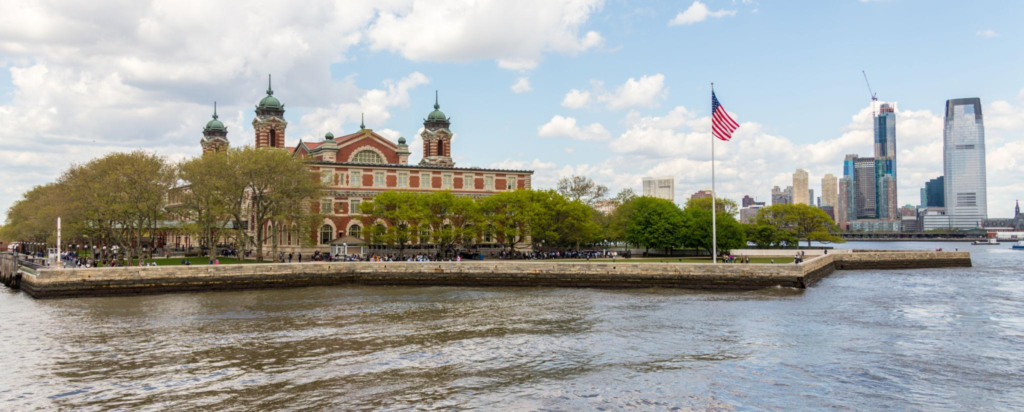
Few American heritage sites are as deeply connected to everyday family history as Ellis Island. Between 1892 and 1954, millions of immigrants passed through the island while entering the United States.
For many Americans today, visiting Ellis Island is personal rather than symbolic. Families frequently search immigration records to trace ancestry, understand migration journeys, or reconnect with cultural roots.
The broader influence of Ellis Island extends beyond genealogy. The site continues to shape conversations about immigration policy, national identity, and cultural diversity in modern America.
Visitors often leave with a deeper understanding of:
- The economic role immigrants played in industrial growth
- The challenges faced by new arrivals
- The evolution of immigration law
- The multicultural foundations of American cities
These historical lessons remain highly relevant as immigration continues to influence labor markets, education systems, and demographic trends throughout the United States.
Independence Hall and the Everyday Meaning of Democracy
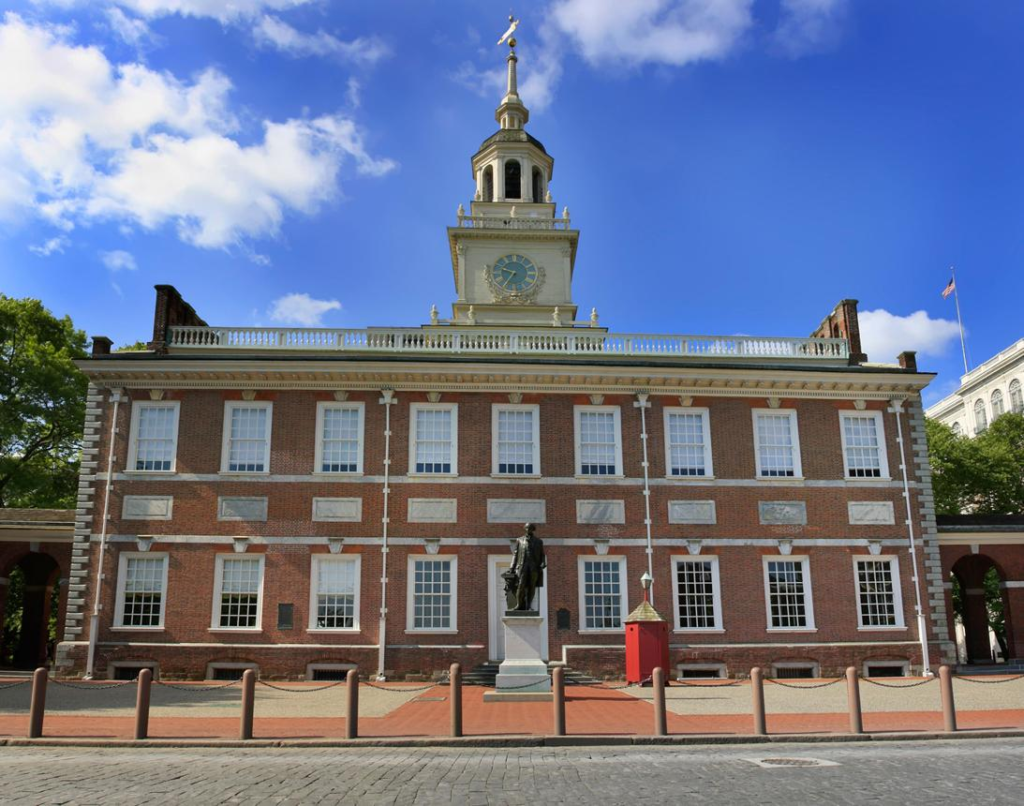
Independence Hall is one of the most recognized historic sites in the country because it represents the origins of American constitutional government.
While many people associate the site primarily with school field trips, its influence extends into daily civic life. Debates about voting rights, federal authority, free speech, and constitutional interpretation all trace back to the ideas formalized within Independence Hall.
Modern Americans still encounter the legacy of these foundational debates through:
- Election systems
- Court rulings
- Local government structures
- Public education standards
- Civil liberties discussions
The preservation of sites connected to the founding era helps contextualize ongoing national conversations about democracy and governance.
Importantly, many historians now present these sites with greater nuance. Museums increasingly acknowledge contradictions between America’s founding ideals and historical realities involving slavery, exclusion, and unequal rights. This broader interpretation helps visitors engage with history more critically rather than viewing it as a simplified narrative.
Civil Rights Landmarks and Their Modern Influence
Heritage preservation is not limited to colonial-era history. Many of the country’s most influential historic sites are tied to the Civil Rights Movement.
Locations such as Edmund Pettus Bridge and National Civil Rights Museum continue to educate visitors about voting rights, segregation, labor inequality, and protest movements.
These places remain especially important because many issues central to the Civil Rights era still influence American society today, including:
- Access to education
- Housing inequality
- Voting access
- Criminal justice reform
- Economic disparities
Educational programs connected to civil rights heritage sites often help younger generations understand how social movements influence legislation and cultural change over time.
The preservation of these landmarks also reflects a broader shift in American historical storytelling. Increasingly, heritage preservation includes stories that were previously overlooked or underrepresented.
How Indigenous Heritage Sites Expand Historical Understanding
For decades, many Indigenous histories received limited representation within mainstream American tourism and education. That has gradually changed through increased preservation efforts and public awareness.
Sites such as Mesa Verde National Park and tribal cultural centers throughout the United States provide important insight into Native American civilizations, governance systems, environmental knowledge, and artistic traditions.
These locations help correct the misconception that American history began with European settlement. Instead, they demonstrate that complex Indigenous societies existed across North America for centuries.
Visitors often gain new perspectives on:
- Land stewardship practices
- Traditional ecological knowledge
- Trade networks
- Indigenous architecture
- Tribal sovereignty
Many schools and universities now incorporate visits to Indigenous heritage sites into broader American history education, reflecting a more inclusive understanding of the nation’s past.
Historic Industrial Sites and the American Workforce
Industrial heritage sites reveal how labor, manufacturing, and technological change shaped modern American life.
Cities across the Midwest and Northeast preserve former mills, factories, rail systems, and shipyards that once powered regional economies. In places like Pittsburgh and Detroit, industrial heritage remains deeply tied to local identity.
These sites help explain major historical shifts such as:
- Urbanization
- Labor union movements
- Economic migration
- Manufacturing decline
- Technological innovation
For younger visitors, industrial museums often provide context for current economic discussions surrounding automation, globalization, and workforce transitions.
Many former industrial sites have also been repurposed into mixed-use developments, museums, or cultural districts. This adaptive reuse demonstrates how historic preservation can coexist with economic modernization.
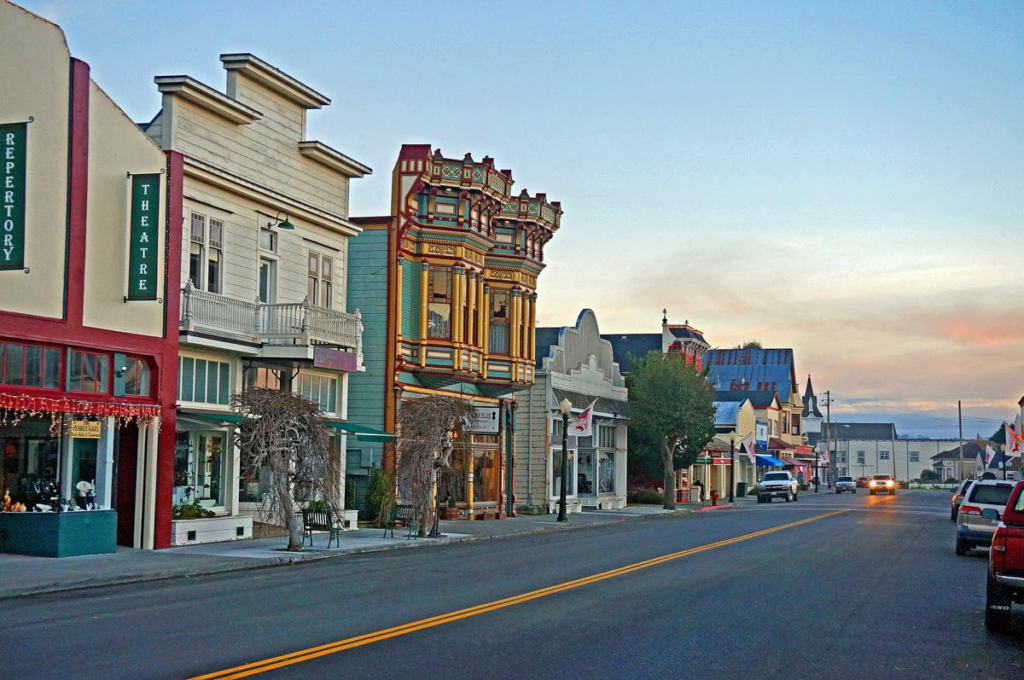
Why Historic Main Streets Still Influence American Towns
Historic downtown districts remain central to many American communities. In recent decades, preservation organizations have increasingly focused on restoring older commercial corridors rather than replacing them entirely.
This trend reflects changing consumer preferences. Many Americans now value walkability, local businesses, and distinctive architecture over uniform retail development.
Programs supported by organizations such as the National Trust for Historic Preservation have helped revitalize thousands of historic business districts nationwide.
Communities that invest in historic preservation often see benefits including:
- Increased tourism revenue
- Stronger small-business activity
- Higher pedestrian traffic
- Improved property values
- Enhanced community identity
Historic downtown preservation has become particularly important for smaller towns seeking sustainable economic development strategies.
The Economic Impact of Heritage Tourism
Heritage tourism represents a major economic sector in the United States. Travelers increasingly seek experiences tied to history, culture, and regional authenticity rather than purely entertainment-driven attractions.
According to industry research from organizations including the U.S. Travel Association, cultural and heritage travelers often spend more and stay longer than average leisure tourists.
This spending supports:
- Hotels and restaurants
- Local museums
- Tour operators
- Small retailers
- Preservation projects
- Public infrastructure
In many rural communities, heritage tourism helps diversify local economies that previously depended on agriculture or manufacturing.
Importantly, successful heritage tourism depends on balance. Communities must protect historical integrity while accommodating visitor demand. Over-commercialization can weaken the authenticity that makes heritage destinations meaningful in the first place.
How Technology Is Changing Historic Preservation
Modern technology has transformed how Americans engage with heritage sites.
Digital archives, virtual tours, augmented reality experiences, and interactive exhibits now make historical information more accessible to wider audiences. Visitors can often explore reconstructed historical scenes through mobile apps or access family records online before traveling.
Technology also plays an important role in preservation itself. Advanced scanning tools, climate monitoring systems, and digital mapping help experts protect vulnerable structures and artifacts.
At the same time, many preservationists emphasize that physical visits still matter. Standing inside a historic church, walking through a preserved immigrant processing center, or visiting a battlefield creates an emotional understanding that digital experiences alone often cannot replicate.
What Americans Often Ask About Heritage Sites
Are heritage sites only important for tourism?
No. While tourism provides economic support, heritage sites also contribute to education, community identity, civic engagement, and historical research.
How are historic sites chosen for preservation?
Sites are typically evaluated based on historical significance, cultural value, architectural importance, or connection to major historical events or movements.
Do heritage sites affect local economies?
Yes. Many communities benefit economically through tourism spending, job creation, downtown revitalization, and small-business growth tied to historic districts.
Why are Indigenous heritage sites becoming more visible?
There has been increased recognition that Indigenous histories are essential to understanding the broader American story and deserve stronger preservation efforts.
Can modern development coexist with preservation?
In many cases, yes. Adaptive reuse projects allow historic buildings to serve modern purposes while maintaining architectural and cultural value.
What is heritage tourism?
Heritage tourism focuses on traveling to experience historical, cultural, and regional traditions rather than purely entertainment-based attractions.
Why do schools emphasize visits to historic landmarks?
Educational visits help students connect historical events to real locations, making lessons more tangible and memorable.
Are historic preservation projects expensive?
They can be, but many projects generate long-term economic benefits through tourism, property investment, and revitalized business activity.
How does preservation influence younger generations?
Historic sites help younger Americans understand social movements, cultural traditions, and national history through direct experience rather than abstract discussion.
What makes a heritage site meaningful today?
Sites remain meaningful when they continue to inform current conversations about identity, democracy, culture, labor, and social change.
Where the Past Still Meets the Present
American heritage sites continue to shape daily life because they connect historical experiences with modern realities. They help communities preserve identity, educate future generations, strengthen local economies, and encourage civic reflection.
Whether through immigrant histories at Ellis Island, democratic foundations at Independence Hall, Indigenous cultural preservation in the Southwest, or revitalized historic downtowns across small-town America, these places remind visitors that history is not separate from contemporary life. It continues to influence how Americans work, govern, build communities, and understand one another.
Snapshot of Key Insights
- Heritage sites influence education, tourism, and civic identity
- Immigration landmarks help families reconnect with ancestry
- Civil rights sites remain relevant to current social discussions
- Indigenous heritage preservation is expanding historical understanding
- Historic downtowns support local economies and small businesses
- Industrial heritage explains modern workforce changes
- Technology is improving both preservation and public access
- Authentic preservation often strengthens community engagement
- Heritage tourism remains economically important nationwide
- Historic places continue shaping modern American culture