American heritage shapes far more than museums and historical landmarks. It influences architecture, food traditions, public celebrations, education, local economies, entertainment, and even how communities define identity today. From restored Main Streets to national monuments, cultural preservation continues to affect tourism, civic pride, and everyday life across the United States. Understanding how heritage connects past and present helps Americans better appreciate the traditions, values, and stories still shaping modern culture.
Why American Heritage Still Matters in Everyday Life
American heritage is often associated with iconic landmarks, presidential memorials, and historical reenactments. Yet its influence extends much deeper into modern culture than many people realize. Across the United States, heritage shapes how towns are built, how traditions are preserved, and how communities understand their identity in an era of rapid technological and cultural change.
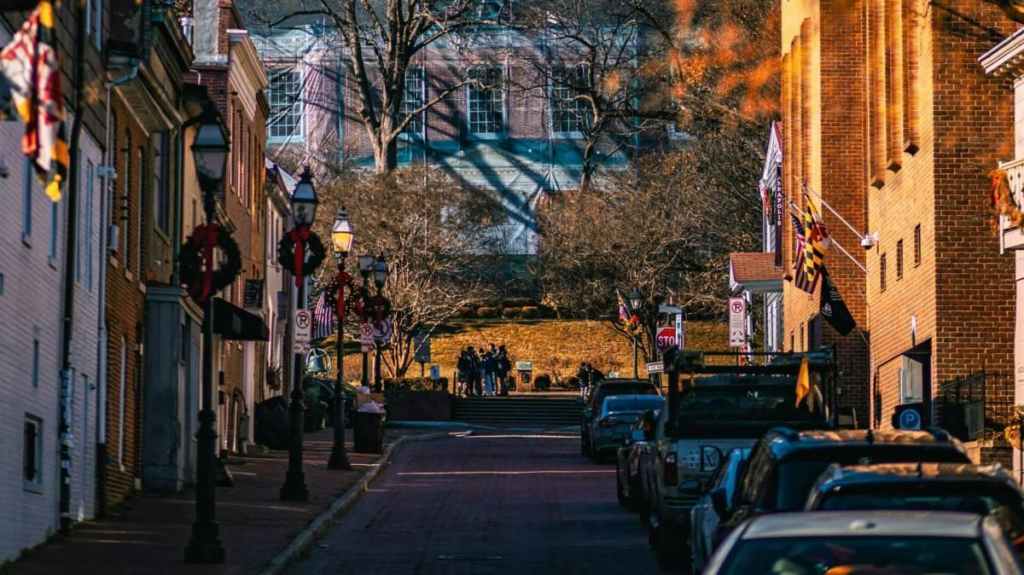
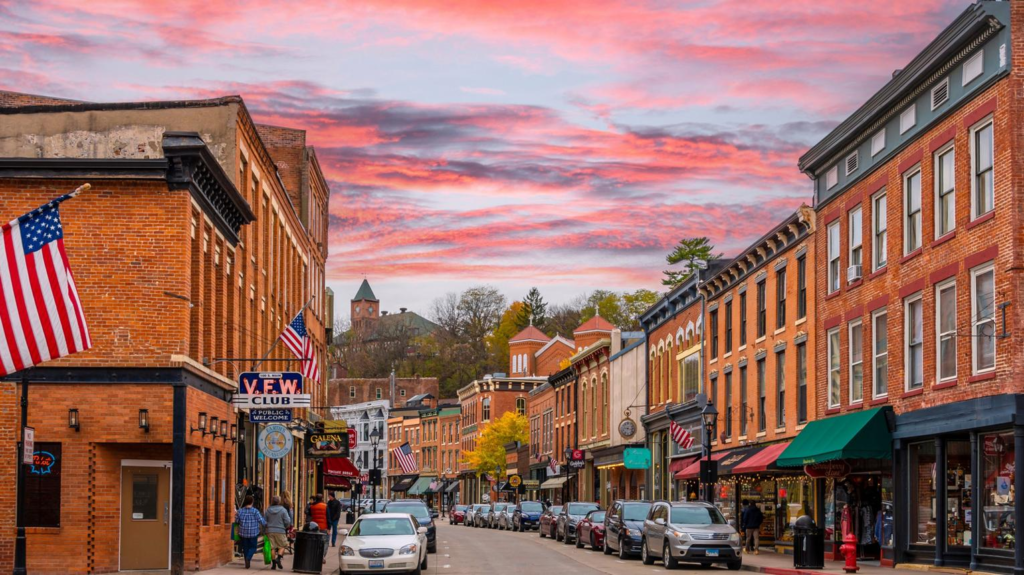
In many American cities, restored downtown districts have become symbols of both economic renewal and cultural continuity. Main Streets lined with preserved brick storefronts, historic theaters, and locally owned businesses often serve as gathering places that connect residents to earlier generations. These spaces are not simply nostalgic attractions. They frequently drive tourism, support small businesses, and reinforce community identity.
At the national level, monuments and heritage sites continue to influence education, civic engagement, and public debate. Places such as Statue of Liberty, Mount Rushmore National Memorial, and Independence Hall remain central to how Americans understand democracy, immigration, freedom, and national history.
According to the National Park Service, heritage tourism and historical preservation contribute billions of dollars annually to local economies through visitor spending, hospitality, and cultural programming. Heritage is therefore not only cultural; it is also economic and social.
How Historic Main Streets Shape Modern Communities
Across America, many communities have invested heavily in preserving historic downtown areas. Programs such as the National Main Street Center have helped towns revitalize aging commercial districts while maintaining architectural character and local history.
These efforts matter because people increasingly value authenticity in public spaces. In an era dominated by chain retail and digital commerce, historic districts provide experiences that feel personal and rooted in place.
Common Features of Successful Historic Main Streets
- Preserved architecture from the late 19th or early 20th century
- Independent bookstores, restaurants, and specialty shops
- Community festivals and seasonal markets
- Walkable public spaces
- Local museums and cultural centers
- Public art connected to regional history
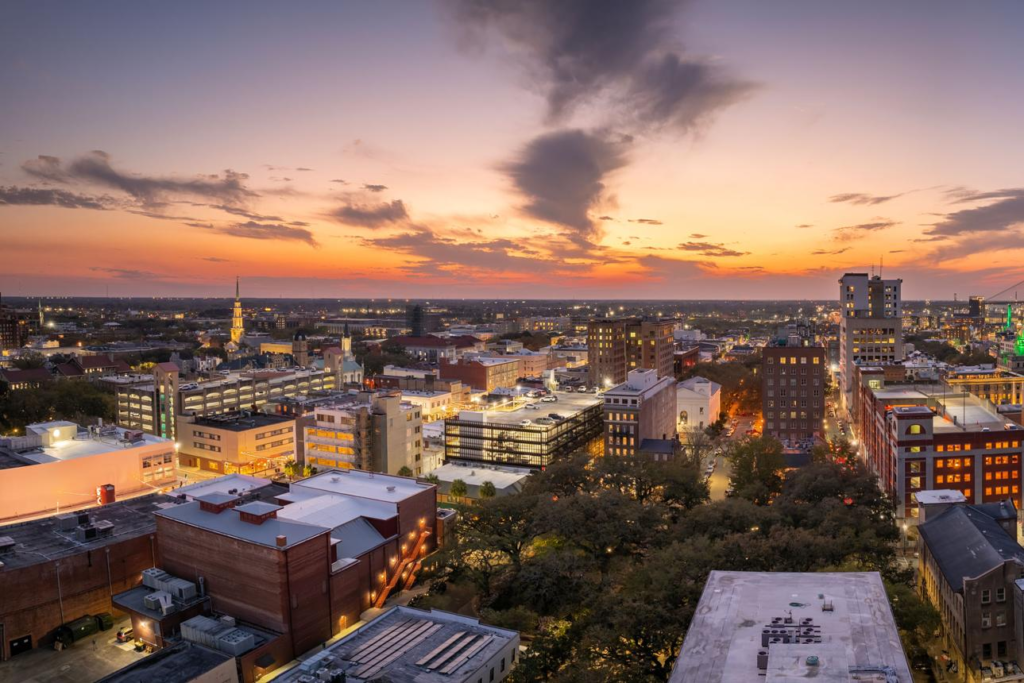
Cities such as Savannah, Charleston, and Santa Fe have become nationally recognized examples of how preservation can coexist with modern economic growth.
In smaller towns, heritage-focused redevelopment often strengthens local pride while attracting tourism revenue. For example, communities along historic routes such as Route 66 continue to draw visitors interested in classic roadside Americana, diners, neon signs, and mid-century travel culture.
Why Americans Continue Visiting Historic Monuments
Historic monuments remain some of the most visited destinations in the country because they provide a tangible connection to national stories. While textbooks explain historical events, physical locations create emotional and visual experiences that deepen understanding.
Visitors often seek more than information. They want perspective, reflection, and connection.
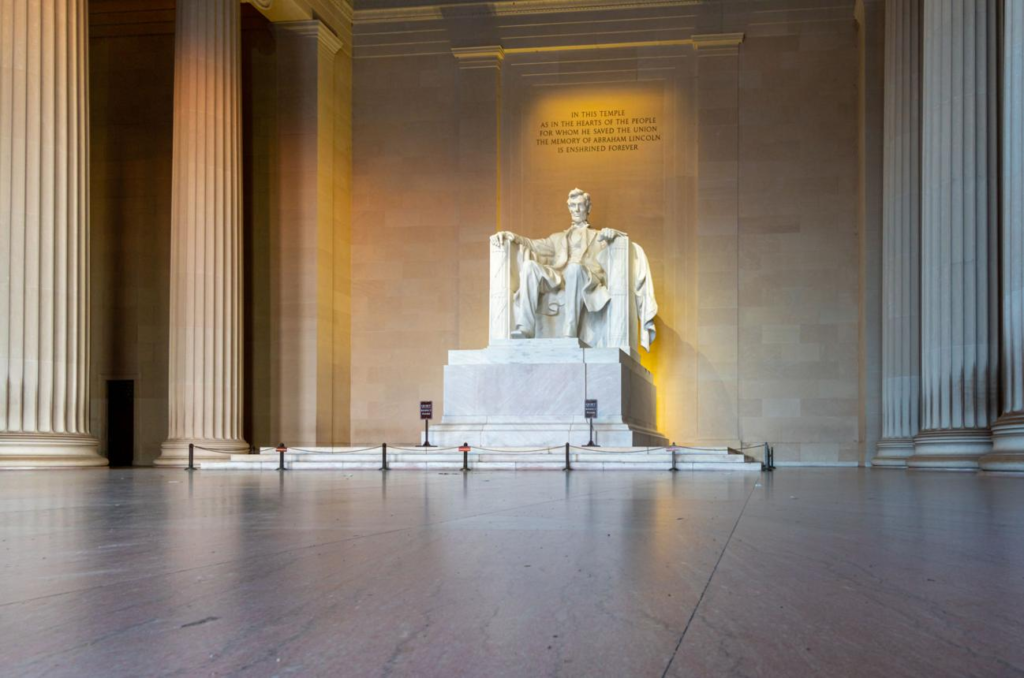
At sites such as Lincoln Memorial and Gettysburg National Military Park, people encounter places where major national decisions, conflicts, and cultural shifts occurred. These locations continue to influence conversations about democracy, equality, civil rights, and national unity.
Modern heritage tourism has also expanded beyond traditional patriotic landmarks. Americans increasingly explore:
- Indigenous cultural heritage sites
- African American historical museums
- Immigration and labor history landmarks
- Civil rights movement destinations
- Hispanic and Latino cultural districts
- Asian American heritage centers
Institutions such as the Smithsonian National Museum of African American History and Culture reflect growing public interest in presenting a broader and more inclusive understanding of American history.
The Role of Heritage in American Food Culture
One of the most visible examples of heritage influencing modern life is food. Many dishes considered traditionally American are deeply connected to immigrant histories, regional agriculture, and local customs.
Barbecue traditions differ significantly between regions such as Texas, the Carolinas, Kansas City, and Memphis. Similarly, foods like gumbo, bagels, tacos, cheesesteaks, and clam chowder reflect generations of cultural blending.
Heritage food traditions often survive because they are tied to family memory and community identity. Farmers markets, state fairs, and regional food festivals continue to preserve recipes and culinary techniques passed down across generations.
Examples of Heritage Influencing Modern American Cuisine
- Southern soul food rooted in African American traditions
- Tex-Mex cuisine shaped by Mexican and Southwestern history
- Cajun and Creole cooking connected to Louisiana heritage
- Native American ingredients increasingly featured in modern restaurants
- Italian American neighborhood food traditions in northeastern cities
Today, chefs and restaurateurs frequently reinterpret heritage dishes for modern audiences while preserving historical foundations.

How American Heritage Influences Entertainment and Media
Modern entertainment constantly references American heritage, often blending nostalgia with contemporary storytelling.
Television series, documentaries, music, architecture, and fashion regularly draw inspiration from earlier eras of American life. Western imagery, jazz traditions, vintage diners, Americana design, and classic road-trip culture continue to appear in advertising campaigns, streaming content, and tourism marketing.
Films focused on American history remain popular because audiences often seek cultural context during periods of social or political uncertainty. Historical storytelling can help explain how past struggles continue to shape modern issues.
Music provides another strong example. Genres such as blues, jazz, country, folk, and rock all emerged from distinct regional and cultural histories within the United States. These traditions continue to influence mainstream music today.
Artists frequently revisit heritage themes because they offer recognizable cultural symbols while still allowing reinterpretation for new generations.
Why Heritage Preservation Has Become More Complex
Preserving heritage in modern America is not always straightforward. Communities frequently debate which histories deserve recognition, how monuments should be interpreted, and how to balance preservation with development.
These conversations have intensified in recent years as Americans reconsider public memory and historical representation.
For example, some cities have removed or relocated monuments connected to the Confederacy, while others have added historical context through plaques or museum exhibits. Supporters of preservation often argue for historical continuity, while critics may view certain monuments as symbols of exclusion or injustice.
The broader debate reflects an important reality: heritage is not static. Public understanding of history evolves over time.
Successful preservation efforts increasingly focus on context, education, and inclusivity rather than simple celebration. Museums and heritage organizations now often emphasize multiple perspectives, encouraging visitors to think critically about the past rather than viewing history as a fixed narrative.
The Economic Impact of Heritage Tourism
Heritage tourism remains a major contributor to the American economy. According to data from the U.S. Travel Association, cultural and heritage travelers tend to spend more money and stay longer than average tourists.
Historic districts frequently support:
- Local hotels and restaurants
- Independent retailers
- Museums and cultural institutions
- Guided tours and educational programming
- Arts and performance venues
Many states now actively market historical experiences as part of tourism campaigns. Areas with strong preservation strategies often see long-term economic benefits because heritage attractions cannot easily be replicated elsewhere.
For example, New Orleans combines architecture, music, cuisine, and cultural traditions into a heritage identity that continues to attract millions of visitors annually.
Similarly, heritage railroads, historic battlefields, and restored industrial sites have become important tourism drivers in many rural communities.
How Schools and Museums Shape Historical Understanding
American heritage continues to influence modern culture partly because educational institutions actively preserve and reinterpret history for new generations.
Museums increasingly use interactive exhibits, digital storytelling, and oral histories to make historical subjects more accessible. Rather than presenting history as distant or abstract, modern institutions often connect historical themes to current social issues.
Schools also play a major role in shaping how Americans understand heritage. Classroom discussions about immigration, civil rights, industrialization, and constitutional history influence how students view national identity and civic responsibility.
Public libraries, archives, and local historical societies contribute by preserving photographs, newspapers, maps, and family records that document community experiences often absent from national narratives.
Why Younger Generations Are Rediscovering Heritage
Interestingly, younger Americans have shown growing interest in genealogy, local history, traditional crafts, and cultural preservation. Digital tools have made family research and historical exploration more accessible than ever.
Platforms offering ancestry records, oral histories, and historical archives allow people to connect personal identity with broader historical movements.
Younger travelers are also increasingly interested in experience-based tourism rather than purely commercial travel. Historic neighborhoods, cultural festivals, and regional traditions often provide more meaningful experiences than standardized tourist attractions.
This renewed interest partly reflects a broader search for authenticity and belonging in an increasingly digital world.
The Continuing Influence of American Heritage on National Identity
American heritage remains influential because it provides continuity during periods of rapid change. Even as technology transforms communication, work, and entertainment, historical traditions help communities maintain shared reference points.
National holidays, local parades, restored landmarks, family recipes, and public memorials all contribute to collective cultural memory.
At the same time, heritage in America continues to evolve. The country’s diversity ensures that new stories, traditions, and interpretations constantly become part of the national narrative.
Rather than existing only in museums, American heritage continues to shape how people live, celebrate, travel, learn, and participate in civic life every day.
Questions Americans Commonly Ask About American Heritage
What is considered American heritage?
American heritage includes historical landmarks, cultural traditions, architecture, music, food, literature, public monuments, and shared historical experiences that shape national identity.
Why are historic downtowns important?
Historic downtowns preserve local identity, support tourism, encourage small business growth, and create walkable community spaces that connect residents to regional history.
How does heritage tourism help local economies?
Heritage tourism increases visitor spending at hotels, restaurants, museums, retail shops, and cultural events while often supporting long-term preservation projects.
Why do monuments remain culturally important?
Monuments provide physical connections to important historical events and encourage public reflection about national values, struggles, and achievements.
How does food reflect American heritage?
Regional cuisines often reflect immigration patterns, local agriculture, Indigenous traditions, and cultural exchange across generations.
What role do museums play in preserving heritage?
Museums preserve artifacts, educate the public, provide historical context, and increasingly present diverse perspectives on American history.
Why are younger Americans interested in genealogy?
Many younger Americans use digital tools to explore ancestry, cultural roots, and family history as part of a broader interest in identity and authenticity.
How has American heritage changed over time?
Public understanding of history evolves as new perspectives emerge, leading to expanded recognition of previously overlooked communities and experiences.
What is heritage preservation?
Heritage preservation involves protecting historical buildings, traditions, artifacts, and cultural sites for future generations through restoration, education, and conservation.
How does heritage influence modern culture today?
Heritage influences architecture, entertainment, food, tourism, education, fashion, music, and civic traditions throughout the United States.
Where America’s Past Still Meets Its Future
American heritage continues to matter because it connects people to shared experiences while allowing room for reinterpretation and growth. From restored Main Streets to nationally recognized monuments, heritage shapes how communities understand themselves and how the country presents its identity to future generations.
Preservation is no longer simply about protecting old buildings or memorials. It is increasingly about understanding the stories, values, and cultural traditions that continue influencing modern American life. As communities evolve, heritage remains one of the strongest bridges between historical memory and contemporary culture.
Key Cultural Threads Worth Remembering
- Historic preservation supports both cultural identity and economic development
- Main Streets remain symbols of local community life across America
- Heritage tourism continues growing throughout the United States
- Food, music, and entertainment strongly reflect historical influences
- Modern museums increasingly present broader and more inclusive narratives
- Younger generations are actively reconnecting with ancestry and local history
- Heritage debates often reflect changing public values and historical understanding
- American heritage continues evolving alongside modern culture