Preserving American heritage today involves more than protecting historic buildings. It includes safeguarding local traditions, Indigenous histories, cultural landmarks, archives, languages, and community identity in the face of urban development, climate change, migration, and digital transformation. Across the United States, communities are redefining heritage preservation through education, adaptive reuse, technology, and inclusive storytelling that reflects the country’s evolving cultural landscape.
Why American Heritage Preservation Matters More Than Ever
American heritage has always been tied to identity. Historic neighborhoods, family-owned businesses, regional traditions, public monuments, music, architecture, and oral histories all contribute to how communities understand themselves. Yet the pace of change in the United States has accelerated dramatically over the past two decades. Population growth, urban redevelopment, economic shifts, climate-related disasters, and digital culture are reshaping how Americans live and remember the past.
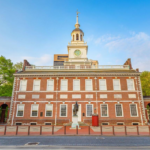
Preserving heritage is no longer limited to maintaining famous landmarks like Independence Hall or Mount Vernon. Increasingly, preservation efforts focus on protecting the lived experiences of ordinary communities, especially those historically overlooked in mainstream historical narratives.
According to the National Park Service, the United States has more than 95,000 listings on the National Register of Historic Places. At the same time, preservation experts warn that many culturally important sites remain undocumented or underfunded, particularly in rural communities and historically marginalized neighborhoods.
The conversation has evolved from simply asking, “What should be saved?” to “Whose history gets preserved, and how?”
How the Definition of American Heritage Has Changed
For much of the 20th century, preservation centered largely on architecture and nationally significant historical figures. While those efforts remain important, modern preservation increasingly recognizes that heritage is also cultural, social, and community-based.
Today, preservation includes:
- Indigenous cultural sites and sacred lands
- African American historical districts
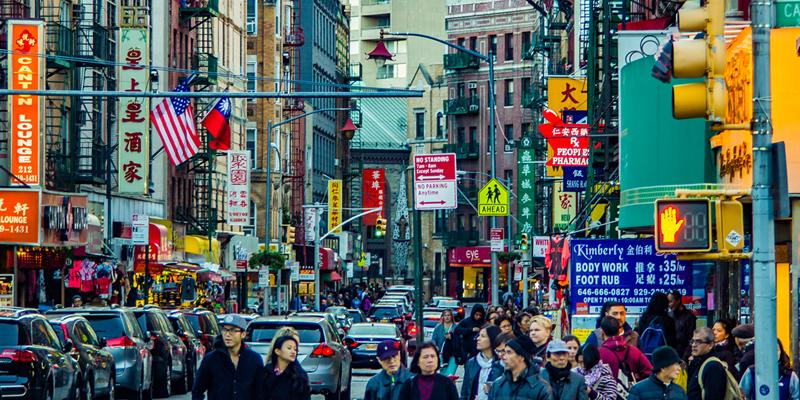
- Immigrant community traditions
- Local music and food traditions
- Historic public schools and churches
- Oral histories and digital archives
- Industrial and working-class neighborhoods
- LGBTQ+ historical landmarks
This broader approach reflects changing public expectations. Americans increasingly want history presented with greater complexity and inclusion rather than simplified narratives.
For example, cities such as New Orleans have expanded preservation beyond French Quarter tourism to include African American cultural traditions, jazz history, and neighborhood storytelling. Similarly, preservation projects in Tulsa increasingly focus on documenting the history of the Greenwood District and the legacy of the 1921 Tulsa Race Massacre.
Heritage preservation now intersects with education, social equity, tourism, urban planning, and environmental sustainability.
What Threatens American Heritage Today?
One of the biggest misconceptions about heritage preservation is that time alone is the main threat. In reality, modern pressures are far more complex.
Urban Redevelopment
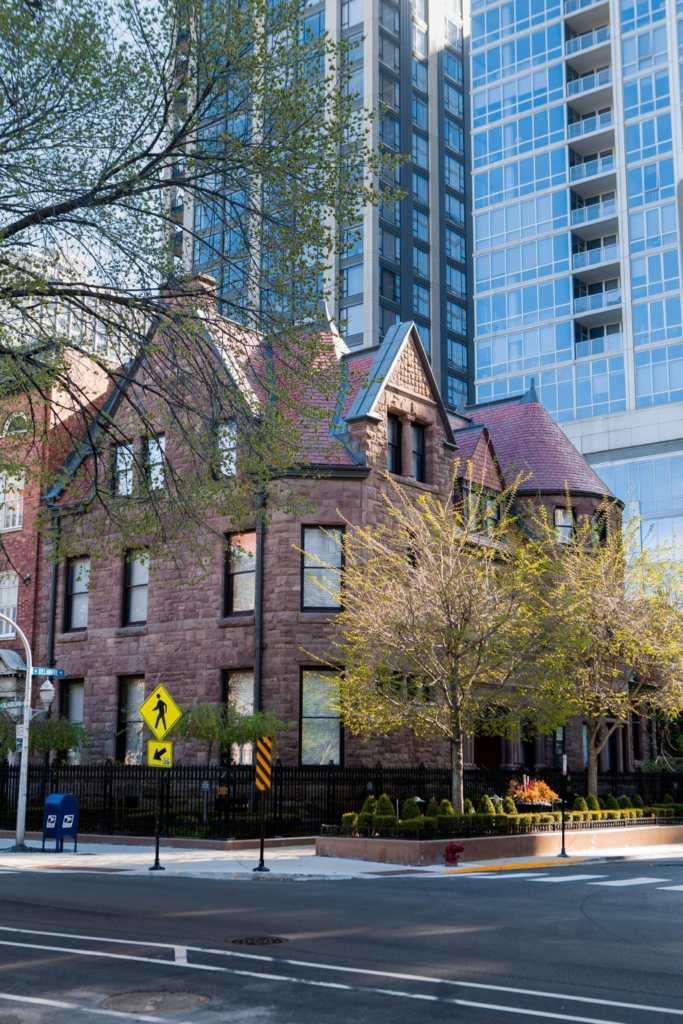
Rapid redevelopment in growing metropolitan areas often places older neighborhoods at risk. Rising property values can lead to demolition, displacement, and loss of cultural identity.
Cities including Austin and Nashville have faced criticism over redevelopment projects that transformed historically significant districts into commercial real estate corridors.
Historic preservation advocates often face difficult trade-offs between economic growth and cultural continuity.
Climate Change and Natural Disasters
Climate-related events increasingly threaten historical sites across the United States.
According to the National Trust for Historic Preservation, coastal erosion, flooding, hurricanes, and wildfires are placing thousands of cultural sites at risk. Historic structures in states such as Louisiana, Florida, and California face especially high vulnerability.
Examples include:
- Flood risks to historic neighborhoods in Charleston
- Wildfire threats to cultural landscapes in California
- Hurricane damage to Gulf Coast heritage sites
- Rising sea levels affecting Indigenous archaeological locations
Loss of Local Businesses and Traditions
Heritage is not only physical. Many communities are concerned about losing family-owned businesses, regional dialects, local festivals, and traditional trades.
When long-standing diners, bookstores, music venues, or community markets disappear, communities often lose gathering spaces that helped shape local identity over generations.
The Growing Role of Community-Led Preservation
One of the most important changes in heritage preservation is who leads the effort.
Historically, preservation decisions often came from government agencies or elite organizations. Today, community-led preservation initiatives are becoming more influential.
Residents increasingly organize to:
- Document neighborhood history
- Preserve oral histories
- Advocate against demolition
- Create local museums and archives
- Restore culturally significant buildings
- Protect public gathering spaces
Grassroots preservation projects tend to focus on everyday history rather than only nationally famous events.
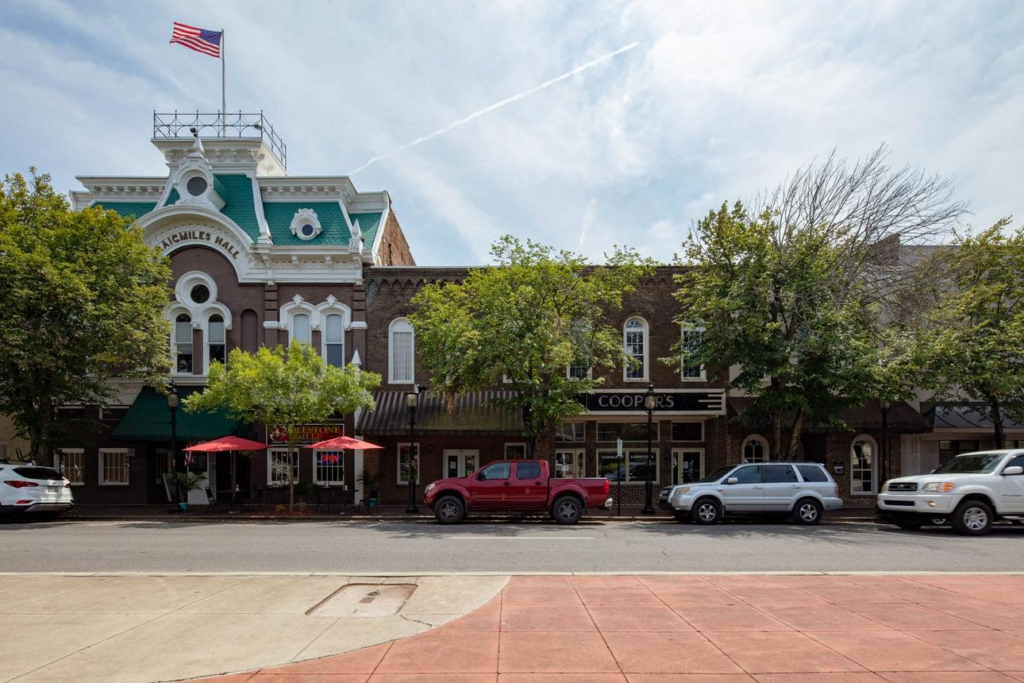
For example, community organizations in Detroit have restored historic music venues tied to Motown history and local civil rights activism. In rural Appalachia, preservation groups have documented disappearing coal-town communities through photography, interviews, and digital archiving.
These efforts reflect a broader understanding that heritage preservation works best when local communities shape the narrative themselves.
How Technology Is Reshaping Heritage Preservation
Digital technology has dramatically changed preservation strategies over the last decade.
Modern preservation increasingly relies on:
- 3D scanning of historic structures
- Drone photography
- Digital mapping
- Online archives
- Virtual museum collections
- Oral history recordings
- AI-supported restoration analysis
Organizations such as the Smithsonian Institution and the Library of Congress have expanded public access to historical materials through digital collections.
Technology also helps preserve heritage that cannot always be physically protected. Oral histories, disappearing languages, music traditions, and photographs can now be archived and shared globally.
At the same time, preservation experts caution that digital preservation cannot fully replace physical preservation. A virtual recreation of a historic neighborhood does not replicate the social and emotional value of the original place itself.
Why Adaptive Reuse Is Becoming More Common
One of the fastest-growing preservation strategies in the United States is adaptive reuse — repurposing older buildings for modern needs while preserving their historical character.
Instead of demolishing aging structures, cities increasingly convert them into:
- Apartments
- Hotels
- Restaurants
- Libraries
- Community centers
- Office spaces
- Mixed-use developments
Examples can be seen across cities like Chicago and Pittsburgh, where former factories and warehouses have been transformed into residential and cultural spaces.
Adaptive reuse offers several advantages:
- Reduces construction waste
- Maintains neighborhood character
- Supports local tourism
- Preserves architectural craftsmanship
- Encourages sustainable development
According to the U.S. Green Building Council, reusing existing buildings can significantly lower environmental impact compared to new construction.
This approach reflects how preservation increasingly overlaps with environmental sustainability and urban planning.
How Schools and Museums Are Changing Historical Interpretation
American museums and educational institutions have undergone major shifts in how they present history.
Rather than focusing solely on patriotic narratives, many institutions now emphasize:
- Multiple historical perspectives
- Local community voices
- Difficult historical events
- Interactive storytelling
- Public engagement
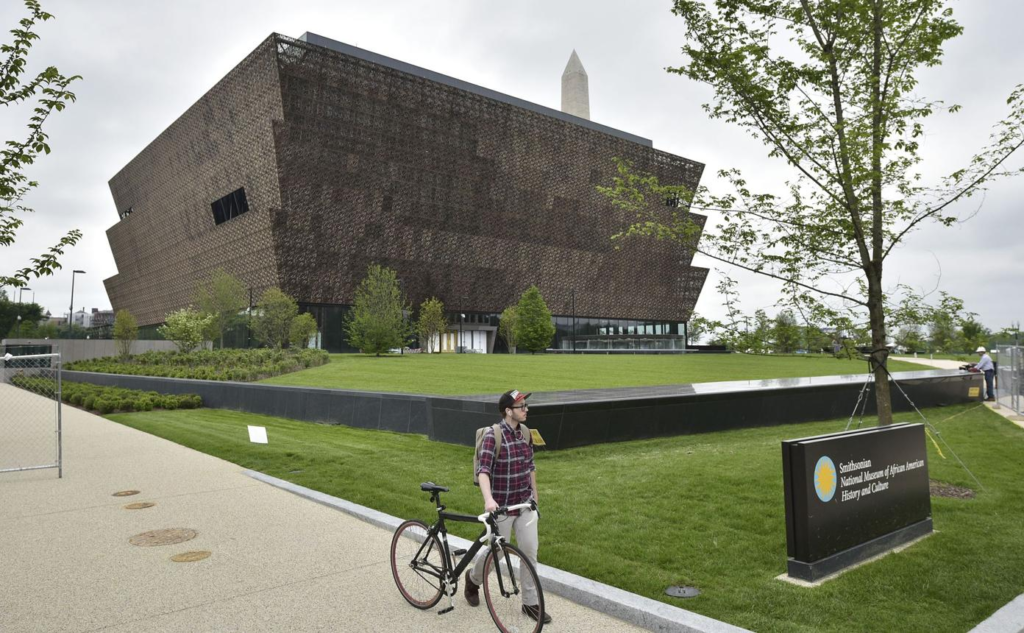
Institutions such as Smithsonian National Museum of African American History and Culture have influenced broader conversations about representation and historical memory.
Public history projects increasingly encourage participation from descendants, local residents, and cultural groups rather than relying only on academic interpretation.
This shift reflects broader public demand for historical storytelling that feels more complete, transparent, and relevant to modern audiences.
Can Economic Growth and Preservation Coexist?
One of the most common questions Americans ask is whether preservation slows economic development.
The answer depends largely on planning and implementation.
In many cities, preservation has supported economic revitalization through tourism, small business development, and neighborhood investment. Historic districts often attract restaurants, creative industries, boutique retail, and cultural tourism.
Examples include:
- Heritage tourism growth in Savannah
- Revitalized downtown districts in small Midwestern towns
- Restored waterfront neighborhoods in New England
- Main Street redevelopment programs across rural America
The National Main Street Center reports that preservation-based economic revitalization programs have generated billions in local reinvestment nationwide.
However, preservation can also create tensions around affordability and gentrification. Rising property values sometimes price out longtime residents from historically preserved neighborhoods.
As a result, many preservation advocates now support policies that combine:
- Affordable housing protections
- Small business support
- Community land trusts
- Inclusive zoning policies
- Cultural preservation funding
What Americans Can Do to Preserve Local Heritage
Preservation is often associated with governments or nonprofit organizations, but individual residents also play an important role.
Many local preservation successes begin with small community efforts.
Americans can contribute by:
- Supporting local historical societies
- Documenting family and community stories
- Visiting museums and heritage sites
- Attending local cultural events
- Supporting long-standing local businesses
- Advocating for preservation ordinances
- Donating historical photographs and archives
- Participating in neighborhood planning meetings
Even small actions help communities maintain continuity during periods of rapid change.
In many cases, preservation begins simply by recognizing that ordinary places and experiences hold historical value.
The Future of American Heritage in a Changing Nation
The United States is becoming more culturally diverse, digitally connected, and economically mobile. These changes will continue to shape how Americans define heritage.
Future preservation efforts will likely focus more heavily on:
- Climate resilience
- Inclusive historical representation
- Digital preservation access
- Indigenous land stewardship
- Community-driven storytelling
- Sustainable urban planning
- Protection of intangible cultural heritage
The challenge is not preserving the country exactly as it once was. Change has always been part of American history. The larger goal is ensuring that communities retain meaningful connections to their stories, identities, and shared experiences as the country evolves.
Heritage preservation increasingly serves not only as a way to remember the past, but also as a framework for understanding how communities adapt to change without losing cultural continuity.
Where Heritage and Modern Life Continue to Meet
Preserving American heritage in the modern era is ultimately about balance. Communities across the country are learning that economic growth, technological progress, and cultural preservation do not have to exist in opposition to one another.
Historic neighborhoods can evolve without losing their identity. Public history can become more inclusive without erasing established narratives. Technology can expand access to history while still protecting physical places that matter deeply to local communities.
As the United States continues to change socially, economically, and environmentally, preservation efforts will likely become even more local, collaborative, and community-centered. In many ways, the future of American heritage depends less on nostalgia and more on thoughtful stewardship that reflects the realities of modern American life.
Key Insights Worth Remembering
- American heritage now includes cultural traditions, oral histories, and community identity alongside historic landmarks
- Urban development and climate change are major threats to preservation efforts
- Community-led preservation initiatives are becoming increasingly influential
- Adaptive reuse allows historic structures to remain economically useful
- Digital technology is expanding public access to historical archives
- Inclusive storytelling is reshaping museums and educational institutions
- Preservation and economic development can coexist when communities plan carefully
- Local residents play a critical role in protecting community heritage
Frequently Asked Questions
What is considered American heritage?
American heritage includes historic landmarks, cultural traditions, language, music, local communities, historical events, architecture, archives, and shared social experiences that shape the nation’s identity.
Why is heritage preservation important?
Preservation helps communities maintain historical continuity, cultural identity, educational value, and economic opportunities through tourism and neighborhood revitalization.
What threatens historical sites in the United States?
Major threats include urban redevelopment, climate change, flooding, wildfires, neglect, funding shortages, and population displacement.
What is adaptive reuse in preservation?
Adaptive reuse refers to repurposing older historic buildings for modern uses while maintaining important architectural or cultural features.
How does climate change affect heritage preservation?
Climate-related flooding, hurricanes, wildfires, and erosion increasingly damage historical buildings, archaeological sites, and cultural landscapes.
Can technology help preserve history?
Yes. Digital archives, 3D scanning, drone mapping, and virtual collections help document and share historical materials more widely.
What role do local communities play in preservation?
Communities often lead preservation through advocacy, oral history projects, neighborhood organizing, local museums, and cultural events.
Is preservation only about famous landmarks?
No. Modern preservation increasingly focuses on ordinary neighborhoods, cultural traditions, community spaces, and historically underrepresented groups.
How do historic districts affect local economies?
Historic districts often support tourism, small businesses, property investment, and community revitalization, though they may also raise affordability concerns.
How can individuals support heritage preservation?
People can support preservation by participating in local history projects, attending cultural events, supporting historic businesses, and advocating for preservation policies.