
America’s regional food traditions tell stories that extend far beyond the plate. From coastal seafood communities to barbecue regions, farming valleys, and immigrant neighborhoods, every destination offers distinctive flavors shaped by history, geography, and culture. Understanding these regional food experiences helps travelers make more meaningful choices, discover authentic local specialties, and appreciate the communities that have preserved America’s diverse culinary heritage.
Introduction
One of the most rewarding ways to understand the United States is through its food. Every region has developed distinctive dishes influenced by climate, agriculture, immigration, local industries, and generations of family traditions. Rather than simply eating while traveling, many Americans now plan entire vacations around regional cuisine.
This growing interest has helped create what many travelers informally call the “Flavor Trail”—a journey built around discovering authentic local foods instead of checking famous landmarks off a list. Whether exploring New England’s seafood towns, Texas barbecue routes, Louisiana’s Cajun country, or California’s agricultural valleys, food often becomes the most memorable part of the trip.
According to the U.S. Travel Association, culinary experiences increasingly influence destination choices, while organizations like the National Restaurant Association continue to report strong consumer interest in locally inspired menus and regional ingredients. Travelers today are looking for authenticity rather than uniform dining experiences.
Understanding America’s regional food landscape helps travelers enjoy richer cultural experiences while supporting local businesses that preserve culinary traditions.
Why Regional Food Matters More Than Ever
Regional cuisine represents far more than recipes.
Every local specialty reflects centuries of adaptation to geography, available ingredients, cultural exchange, and economic history. What people eat often explains how communities developed.
For example:
- Coastal regions naturally emphasize seafood.
- Agricultural states celebrate seasonal harvests.
- Ranching regions perfected beef traditions.
- River communities built cuisines around freshwater fish.
- Immigrant neighborhoods blended international recipes with American ingredients.
When travelers choose regional restaurants over national chains, they often experience traditions that cannot easily be replicated elsewhere.
Geography Shapes America’s Flavor Map
America’s enormous size creates one of the world’s most diverse culinary landscapes.
The Pacific Northwest highlights salmon, berries, mushrooms, hazelnuts, and sustainable seafood.
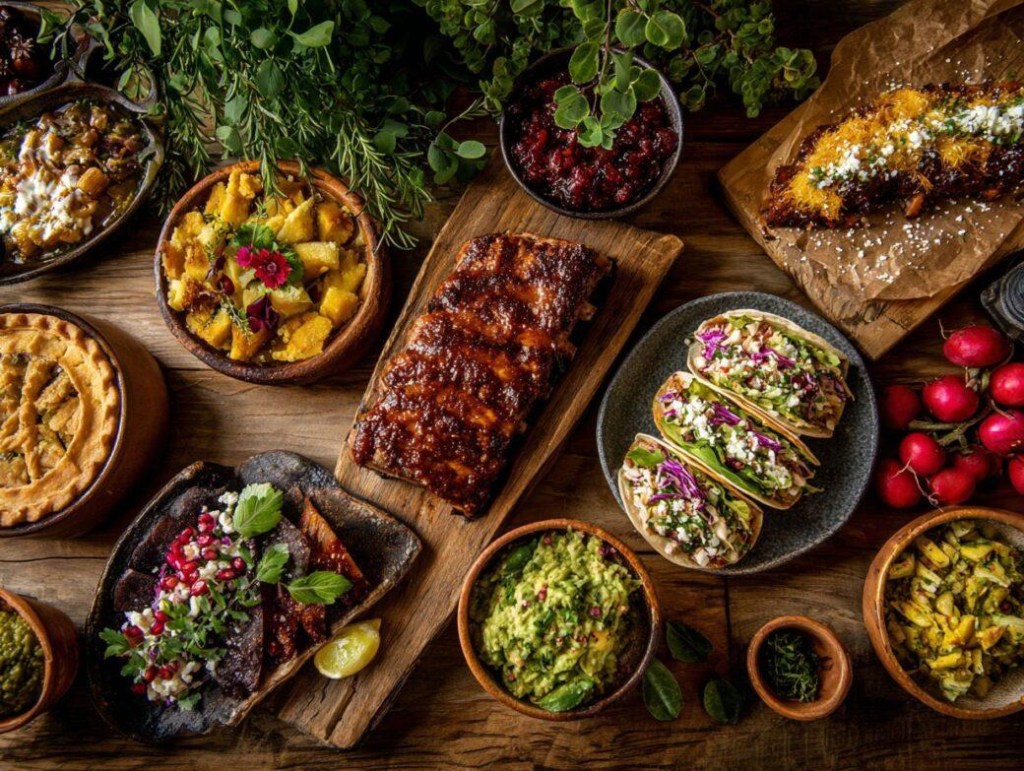
The Southwest combines Indigenous ingredients with Mexican influences, creating dishes featuring chilies, corn, beans, squash, and slow-cooked meats.
The Midwest showcases dairy products, grains, hearty comfort foods, and growing farm-to-table movements.
The South offers perhaps America’s widest range of regional traditions, from Carolina barbecue to Lowcountry seafood, Delta cuisine, Cajun cooking, and Appalachian recipes.
Meanwhile, the Northeast combines seafood, historic baking traditions, maple products, and multicultural city dining scenes.
Each destination tells a different story through local ingredients.
The Communities Behind Signature Dishes
Many famous American foods originated within immigrant or Indigenous communities before becoming national favorites.
Examples include:
- Chicago’s deep-dish pizza
- Philadelphia cheesesteaks
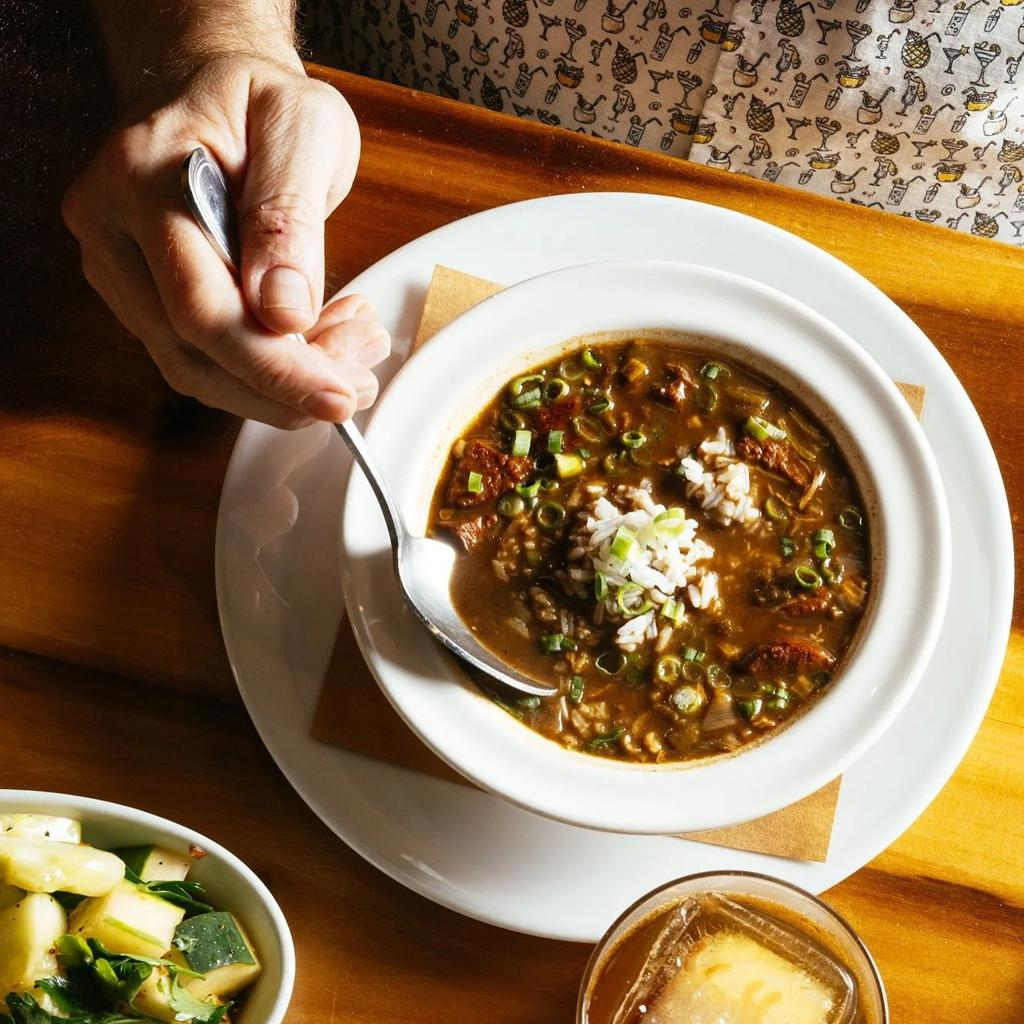
- New Orleans gumbo
- Texas brisket
- New Mexico green chile dishes
- Hawaiian poke
- Cincinnati chili
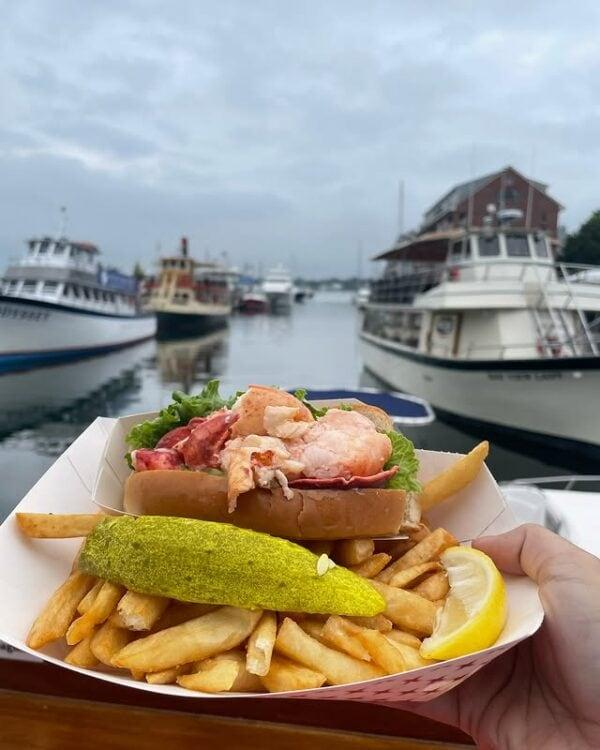
- Maine lobster rolls
Behind every signature dish are generations of families, restaurant owners, fishermen, ranchers, farmers, and craftspeople who helped preserve local traditions.
Visiting these communities often provides insights unavailable through cookbooks or television programs.
Beyond Famous Foods: Hidden Regional Specialties
Experienced food travelers often discover that lesser-known regional dishes become the highlights of their trips.
Some examples include:
- Michigan pasties
- Kentucky burgoo
- Rhode Island johnnycakes
- Missouri toasted ravioli
- Alabama white barbecue sauce
- South Carolina Frogmore stew
- Wisconsin cheese curds
- Idaho finger steaks
- Vermont sugar-on-snow traditions
- Native Alaskan salmon preparations
Many of these foods remain closely tied to local history and are difficult to find elsewhere.
Exploring beyond nationally famous dishes often leads to richer cultural experiences.
Farmers Markets and Local Producers Add Context
Restaurants tell only part of the story.
Visiting farmers markets allows travelers to meet growers, cheesemakers, bakers, fishermen, orchard owners, coffee roasters, honey producers, and specialty food artisans.
These experiences provide context that menus alone cannot offer.
Many regional specialties depend upon:
- Seasonal harvests
- Local climate
- Traditional farming methods
- Heritage livestock breeds
- Family-owned operations
- Sustainable fishing practices
The U.S. Department of Agriculture continues supporting local food systems that strengthen regional economies while improving food access.
Food Festivals Showcase Regional Identity
Throughout the year, communities celebrate local ingredients through festivals that attract visitors from across the country.
Popular examples include seafood festivals, apple harvest celebrations, chili cook-offs, oyster festivals, barbecue competitions, maple syrup weekends, garlic festivals, and wine harvest events.
These gatherings often feature:
- Cooking demonstrations
- Local chefs
- Family recipes
- Agricultural exhibits
- Live music
- Cultural performances
- Artisan markets
For travelers, festivals provide concentrated opportunities to experience regional cuisine within its cultural setting.
Planning a Flavor Trail Across the United States
Successful culinary trips usually balance planning with flexibility.
Helpful strategies include:
- Research local specialties before arriving.
- Prioritize independently owned restaurants.
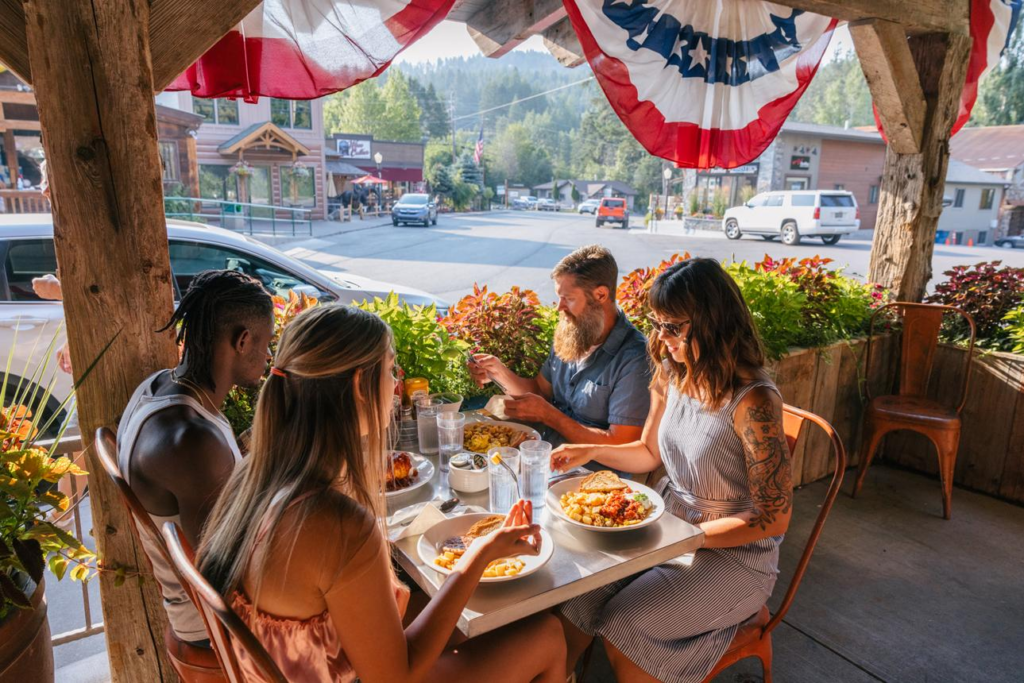
- Visit neighborhoods known for food traditions.
- Explore farmers markets early in the day.
- Ask residents where they eat.
- Make reservations for popular destinations.
- Leave room for spontaneous discoveries.
- Try seasonal menu items whenever possible.
Rather than eating every meal at highly publicized locations, mixing famous restaurants with neighborhood favorites often produces the most rewarding itinerary.
Supporting Local Economies Through Culinary Tourism
Choosing regional businesses benefits more than travelers.
Independent restaurants frequently purchase ingredients from nearby farms, fisheries, ranches, bakeries, and specialty producers.
This creates economic activity that supports:
- Farmers
- Food artisans
- Hospitality workers
- Historic downtown districts
- Tourism businesses
- Cultural preservation efforts
Many communities actively invest in culinary tourism because it encourages visitors to stay longer and explore beyond traditional attractions.
How Technology Is Changing Food Travel
Digital tools have transformed how Americans explore regional cuisine.
Travelers now use:
- Interactive food maps
- Restaurant review platforms
- Local tourism guides
- Reservation apps
- Farm directories
- Regional food blogs
- Historical walking tour apps
Despite these conveniences, many experienced travelers still recommend asking local residents for recommendations.
Some of the country’s best meals remain found through personal conversations rather than search rankings.
Regional Drinks Tell Their Own Stories
The Flavor Trail extends beyond food.
Regional beverages often reflect local agriculture and traditions.
Examples include:
- Kentucky bourbon
- Napa Valley wines
- Oregon Pinot Noir
- Washington craft cider
- Vermont maple beverages
- Wisconsin craft beer
- New Mexico roasted coffee
- Louisiana chicory coffee
- Florida citrus juices
Pairing local drinks with regional meals creates a more complete culinary experience.
Sustainable Food Tourism Is Becoming More Important
Many travelers now consider environmental impact alongside taste.
Increasingly popular practices include:
- Choosing restaurants that source locally
- Supporting seasonal menus
- Reducing food waste
- Visiting sustainable fisheries
- Touring regenerative farms
- Purchasing locally produced products
These choices help preserve both culinary traditions and natural resources for future generations.
Frequently Asked Questions
1. What is a Flavor Trail?
A Flavor Trail refers to a travel experience centered on discovering authentic regional foods, local ingredients, and culinary traditions across different destinations.
2. Why is regional food important?
Regional food reflects local history, geography, agriculture, immigration, and community traditions, making it an important part of cultural identity.
3. Which U.S. regions are known for distinctive cuisine?
Popular examples include New England, the Deep South, Texas, Louisiana, California, the Pacific Northwest, the Midwest, Hawaii, and the Southwest.
4. How can travelers find authentic local restaurants?
Look for independently owned establishments, ask residents for recommendations, explore neighborhood dining districts, and visit local markets.
5. Are food festivals worth planning a trip around?
Yes. Festivals often combine local cuisine, history, music, agriculture, and cultural traditions into one experience.
6. Why are farmers markets valuable for travelers?
They provide opportunities to meet producers, discover seasonal foods, and better understand local agriculture.
7. Does culinary tourism help local communities?
Yes. Spending at local restaurants and food businesses supports jobs, preserves traditions, and strengthens regional economies.
8. What are some overlooked American regional foods?
Examples include burgoo, johnnycakes, finger steaks, toasted ravioli, Frogmore stew, pasties, and white barbecue sauce.
9. How should travelers plan a food-focused trip?
Research regional specialties, remain flexible, reserve popular restaurants in advance, and leave time for spontaneous discoveries.
10. Is seasonal travel better for food experiences?
Often yes. Visiting during harvest seasons or regional festivals usually provides fresher ingredients and more authentic local events.
Following America’s Culinary Footprints
America’s regional cuisine offers more than memorable meals—it provides insight into the country’s history, landscapes, and communities. Every seafood dock, barbecue smokehouse, mountain orchard, family bakery, and neighborhood diner represents generations of knowledge passed from one table to the next. Travelers who follow the Flavor Trail often return home with a deeper appreciation for both local traditions and the remarkable diversity that defines American food culture.