
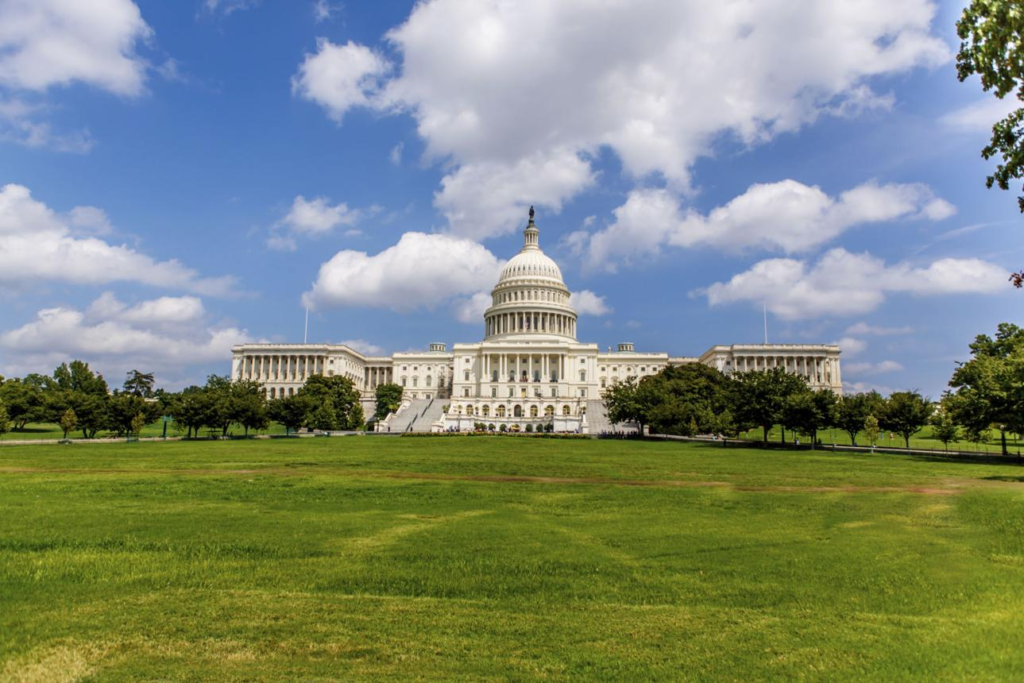
America’s iconic landmarks are more than tourist destinations—they preserve history, shape national identity, strengthen local economies, and inspire future generations. From monuments and national parks to engineering achievements and cultural symbols, these places tell evolving stories about the country’s values, challenges, and achievements. Understanding their significance helps travelers appreciate the United States beyond photographs and bucket-list experiences.
Why Iconic Landmarks Continue to Shape America
Every nation has places that become larger than their physical presence. In the United States, iconic landmarks represent defining moments in history, remarkable achievements in engineering, extraordinary natural beauty, and the ongoing evolution of American society.
Millions of visitors travel each year to experience these destinations firsthand, but their importance extends far beyond tourism. They serve as classrooms without walls, reminders of democratic ideals, symbols of innovation, and spaces where history becomes tangible.
Whether someone stands beneath the Statue of Liberty, looks across the Grand Canyon, visits the Lincoln Memorial, or walks across the Golden Gate Bridge, they encounter stories that have shaped generations.
These landmarks continue to matter because they connect America’s past with its present while encouraging conversations about its future.
What Makes a Landmark Truly Iconic?
Not every famous location becomes culturally significant.
America’s most enduring landmarks generally share several characteristics:
- They represent major historical events or ideals.
- They demonstrate exceptional architecture or engineering.
- They showcase unique natural landscapes.
- They attract visitors from around the world.
- They contribute to education and cultural preservation.
- They remain relevant across generations.
These qualities help transform places into symbols recognized internationally.
Landmarks Preserve America’s Shared History
History often feels abstract until people experience it in person.
Standing inside Independence Hall, walking the grounds of Gettysburg, or visiting Pearl Harbor provides context that books alone cannot fully deliver.
Physical spaces help visitors understand:
- The decisions that shaped the nation
- The sacrifices made during conflicts
- The evolution of civil rights
- The expansion of democracy
- America’s scientific and industrial progress
The National Park Service manages hundreds of historic sites across the country, helping preserve important locations for future generations while making them accessible through educational programs.
Landmarks also evolve alongside historical understanding. Museums and interpretation centers increasingly include broader perspectives, offering visitors a more complete view of America’s diverse history.
Natural Landmarks Reveal America’s Environmental Heritage
Not every landmark is built by people.
Some of America’s greatest landmarks were formed over millions of years through geological and ecological processes.
Examples include:
- Grand Canyon
- Yellowstone National Park
- Yosemite National Park
- Everglades National Park
- Bryce Canyon
- Denali National Park
These places demonstrate the country’s extraordinary environmental diversity while supporting conservation research and outdoor recreation.
According to the National Park Service, hundreds of millions of recreational visits occur annually across the National Park System, highlighting the enduring public interest in preserving these landscapes.
Natural landmarks also remind visitors that conservation requires continuous investment and responsible stewardship.
Architecture That Reflects National Ambition
America’s built landmarks showcase changing eras of innovation.
The Empire State Building symbolized determination during the Great Depression.
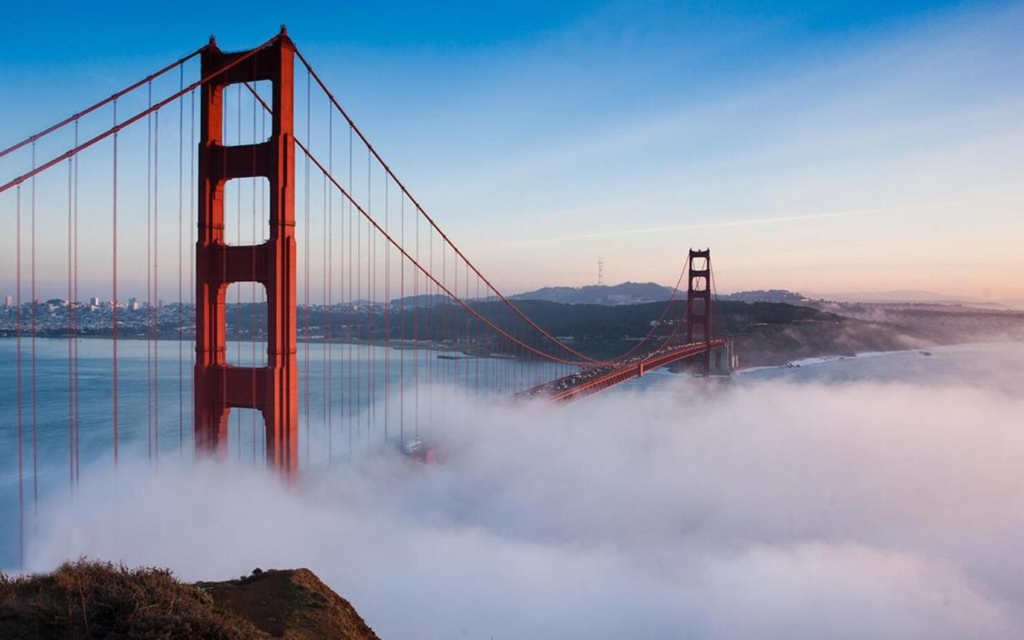
The Golden Gate Bridge demonstrated engineering excellence despite enormous geographic challenges.
The Gateway Arch represents westward expansion while reflecting modern architectural design.
Meanwhile, newer landmarks continue expanding this tradition through sustainable design, advanced engineering, and public accessibility.
These structures often become visual shorthand for entire cities and regions.
Why Landmarks Matter to Local Communities
While famous landmarks attract international attention, they also have tremendous local importance.
Communities benefit through:
- Tourism spending
- Employment opportunities
- Historic preservation funding
- Small business growth
- Cultural events
- Educational partnerships
Restaurants, hotels, museums, transportation providers, guides, photographers, retailers, and local artisans often depend on landmark-related tourism.
The U.S. Travel Association has consistently highlighted the significant economic contribution of domestic and international travel to local economies, with heritage tourism remaining an important segment.
Landmarks Continue to Inspire Civic Identity
Many American landmarks symbolize ideas rather than simply locations.
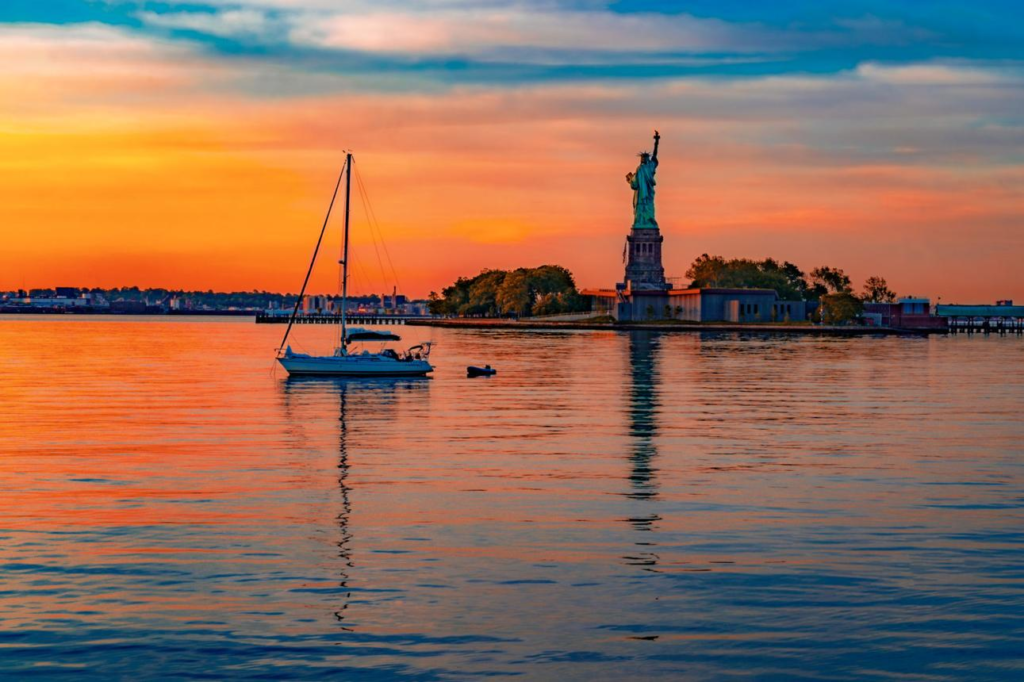
The Statue of Liberty represents opportunity.
The Lincoln Memorial reflects national unity and equality.
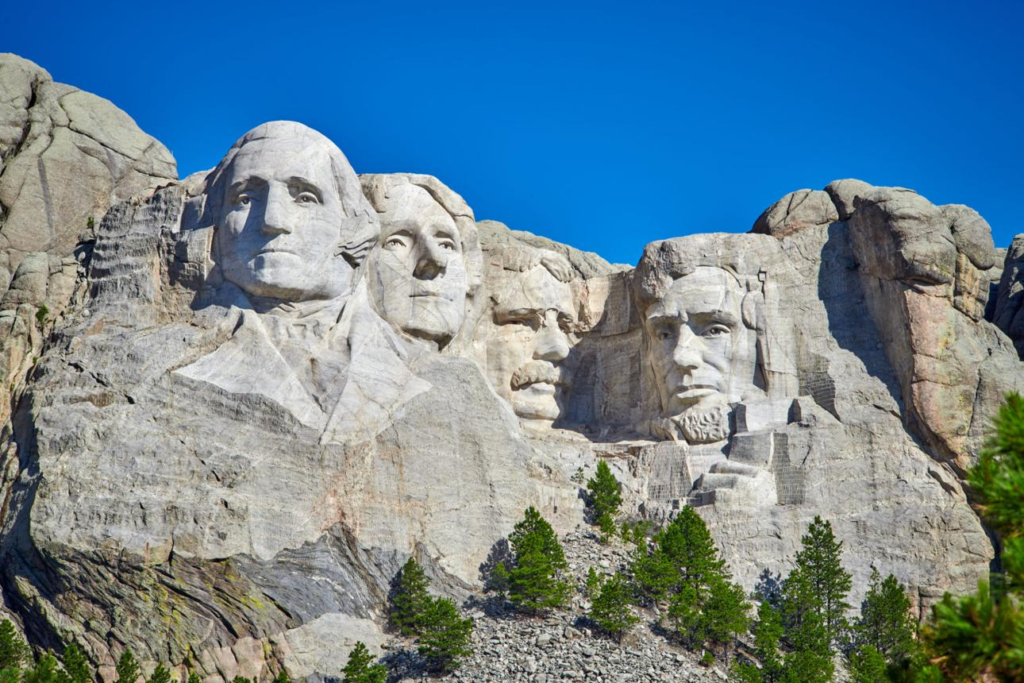
Mount Rushmore sparks conversations about leadership, democracy, and historical interpretation.
The Martin Luther King Jr. Memorial honors the continuing pursuit of civil rights.
These places encourage reflection, discussion, and civic engagement rather than passive sightseeing.
Visitors frequently leave with a deeper understanding of the values these monuments were created to represent.
Technology Is Changing How People Experience Historic Places
Modern visitors engage with landmarks differently than previous generations.
Today, technology enhances rather than replaces in-person experiences.
Common innovations include:
- Mobile audio guides
- Augmented reality tours
- Interactive museum exhibits
- Virtual reconstructions
- Accessibility tools
- Digital archives
These resources allow visitors to better understand historical context while making landmarks more inclusive for diverse audiences.
Educational institutions increasingly integrate these digital experiences into classroom learning before and after field trips.
Responsible Tourism Protects These Places for the Future
Popularity brings challenges.
Heavy visitation can strain infrastructure, damage ecosystems, and accelerate deterioration.
Responsible visitors help preserve landmarks by:
- Staying on designated trails
- Respecting historic structures
- Following photography rules
- Supporting preservation organizations
- Reducing waste
- Planning visits during less crowded periods
Many sites have introduced reservation systems, timed entry, and conservation initiatives to balance public access with long-term preservation.
Responsible tourism ensures future generations can experience these places in meaningful ways.
What America’s Landmarks Reveal About the Country’s Future
The meaning of landmarks continues to evolve.
Rather than serving only as reminders of the past, they increasingly reflect contemporary priorities such as:
- Environmental sustainability
- Cultural inclusion
- Accessibility
- Digital education
- Historic preservation
- Community engagement
Many museums and historic sites now include previously overlooked voices and narratives, creating richer educational experiences.
This evolution demonstrates that preserving history does not mean freezing it in time. Instead, interpretation grows alongside new research and broader public understanding.
Planning a Meaningful Landmark Visit
Travelers often gain more from landmark visits when they prepare beforehand.
Consider these practical approaches:
- Research historical context before arriving.
- Visit museums connected to the site.
- Allocate enough time beyond quick photographs.
- Participate in ranger-led or guided tours.
- Explore nearby neighborhoods and local businesses.
- Visit during shoulder seasons for a quieter experience.
- Review accessibility information in advance.
- Respect local communities and preservation guidelines.
These simple habits often transform a sightseeing stop into a memorable educational experience.
Frequently Asked Questions
1. What is considered America’s most iconic landmark?
There is no single answer, but the Statue of Liberty, Grand Canyon, Golden Gate Bridge, Mount Rushmore, and the Lincoln Memorial consistently rank among America’s most recognized landmarks.
2. Why are historic landmarks important?
They preserve history, support education, strengthen community identity, encourage tourism, and help future generations understand significant events.
3. How do landmarks benefit local economies?
They generate visitor spending, create jobs, support small businesses, and attract investment in infrastructure and preservation.
4. Are natural parks considered landmarks?
Yes. National parks such as Yellowstone, Yosemite, and the Grand Canyon are among America’s most significant natural landmarks.
5. How does the National Park Service protect landmarks?
The agency manages preservation, conservation, visitor education, scientific research, and infrastructure maintenance across hundreds of sites.
6. Why do landmarks change over time?
Historical research, restoration efforts, conservation work, and evolving public understanding influence how landmarks are interpreted.
7. Can technology improve landmark visits?
Yes. Mobile guides, augmented reality, digital exhibits, and accessibility tools help visitors better understand historical context.
8. How can travelers help preserve landmarks?
Follow site rules, stay on designated paths, avoid damaging structures, reduce waste, and support preservation initiatives.
9. Why do landmarks attract international visitors?
They represent globally recognized symbols of American history, culture, democracy, architecture, and natural beauty.
10. Are newer landmarks becoming culturally important?
Yes. Modern memorials, museums, and architectural achievements increasingly reflect contemporary American values and historical milestones.
Where History Continues to Live
America’s iconic landmarks remain relevant because they are living places rather than static monuments. They preserve extraordinary stories, strengthen local communities, inspire thoughtful travel, and encourage ongoing conversations about the nation’s past, present, and future. As technology, scholarship, and society continue to evolve, these landmarks will remain essential spaces where millions of people connect with the American experience in meaningful and lasting ways.
Essential Insights at a Glance
- America’s landmarks preserve both history and national identity.
- Natural and historic landmarks contribute to conservation and education.
- Tourism supports local economies across the country.
- Technology is making landmark experiences more accessible.
- Responsible tourism protects these sites for future generations.
- Historic interpretation continues evolving with new research.
- Landmarks encourage civic engagement and cultural understanding.
- Planning ahead creates richer travel experiences.