Across the United States, more people are exploring their family histories, cultural traditions, historic places, and local communities. This renewed interest reflects a broader desire for identity, belonging, and understanding in a rapidly changing society. From genealogy research to heritage tourism, Americans are discovering that the nation’s history is not just found in textbooks—it is also preserved in families, neighborhoods, traditions, and everyday experiences.
Why Heritage Matters More Than Ever
American heritage has never been a single story. It is a collection of millions of personal histories shaped by Indigenous cultures, immigration, innovation, regional traditions, military service, entrepreneurship, faith communities, and generations of family experiences.
Over the past decade, historians, educators, travel organizations, museums, and genealogy experts have observed growing public interest in learning where families came from and how communities evolved. This trend has been supported by increased access to historical archives, online genealogy platforms, DNA testing services, and digitized government records.
For many Americans, heritage is becoming less about nostalgia and more about understanding how the past influences everyday life. Whether someone is researching grandparents who immigrated through Ellis Island, preserving family recipes, restoring an old farmhouse, or visiting Civil Rights landmarks, heritage often becomes a bridge between generations.
Why Americans Are Looking Back to Move Forward
Modern life changes quickly.
People relocate more frequently, technology reshapes communication, and communities continue evolving. Against that backdrop, many individuals naturally seek stronger connections with family history and local traditions.
Several factors contribute to this renewed interest:
- Easier access to digital historical records
- Growing popularity of genealogy research
- Increased interest in cultural traditions
- Heritage tourism across the United States
- Community preservation initiatives
- Educational programs focused on local history
- Greater appreciation for family storytelling
Rather than viewing history as something distant, many Americans are discovering that their own family experiences reflect larger national events.
Genealogy Has Become More Accessible Than Ever
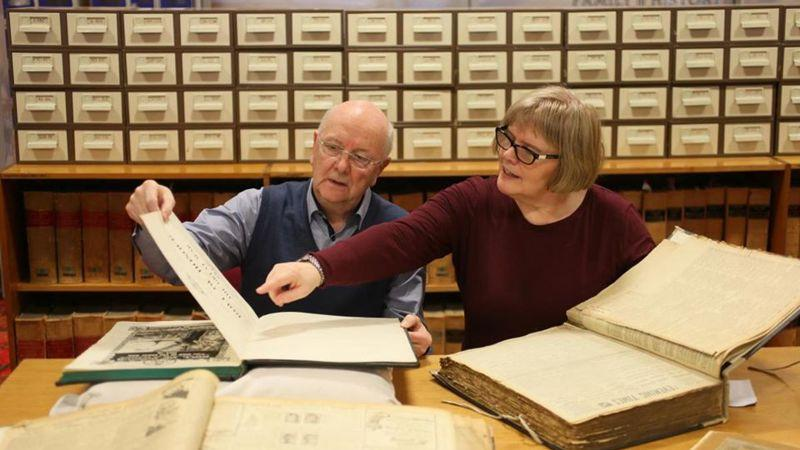
Researching family history once required visiting courthouses, libraries, or archives in person. Today, millions of historical records are available online.
Organizations such as the U.S. National Archives, the Library of Congress, and numerous state archives have digitized military records, census data, immigration documents, land records, newspapers, and photographs.
According to the National Archives, federal census records remain among the most frequently used resources for family history research because they document households over many decades and reveal changing patterns of migration, occupations, and community growth.
Genealogy has also become more collaborative. Families often share photographs, letters, military records, and oral histories across generations, helping preserve information that may never appear in official documents.
Heritage Is More Than Family Trees
Many people initially think heritage means genealogy alone.
In reality, heritage includes traditions that families continue practicing today.
Examples include:
- Holiday celebrations passed through generations
- Regional cooking traditions
- Religious customs
- Music and dance
- Military service traditions
- Family businesses
- Indigenous cultural practices
- Local festivals
- Historic neighborhoods
- Community volunteer traditions
These everyday customs often become some of the strongest connections people maintain with previous generations.

The Rise of Heritage Tourism
Travel motivations are changing.
Instead of simply visiting popular attractions, many travelers now seek destinations connected to their own family history or significant moments in American history.
Heritage tourism includes visiting:
- Colonial towns
- Civil Rights landmarks
- Native American cultural sites
- Presidential libraries
- National parks
- Historic battlefields
- Immigration museums
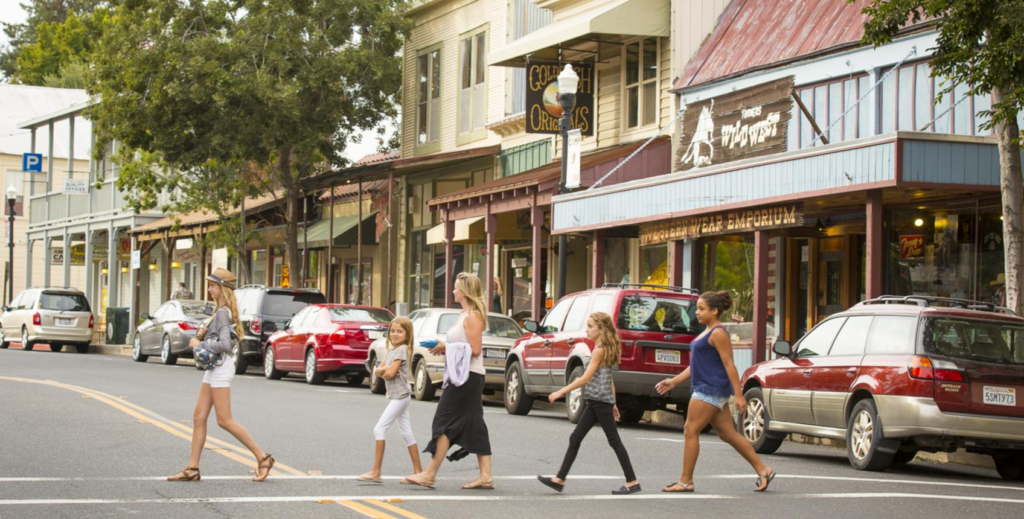
- Historic Main Streets
- Family hometowns
According to the National Trust for Historic Preservation, heritage travelers often spend more time exploring local communities because they seek educational experiences rather than quick sightseeing.
This style of travel frequently benefits local economies by supporting museums, restaurants, historic hotels, guides, and small businesses.
Local Communities Are Preserving Their Stories
Historic preservation is no longer limited to famous landmarks.
Across America, local historical societies, volunteer organizations, and neighborhood groups are documenting community history through:
- Oral history projects
- Historic home restoration
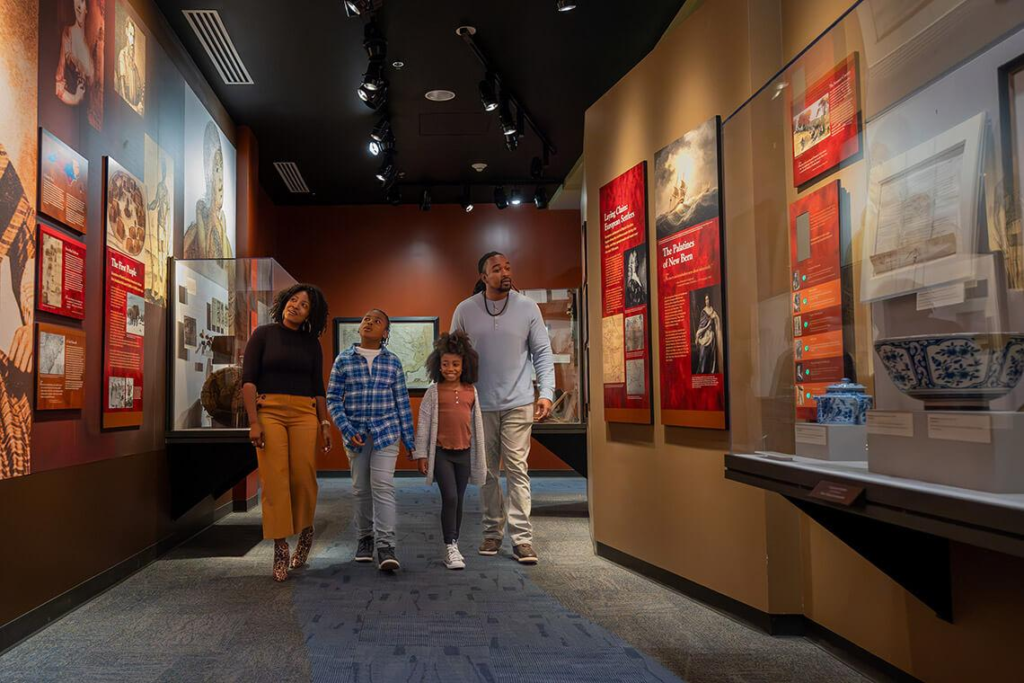
- Museum exhibits
- Digital archives
- Walking tours
- Community festivals
- Cemetery preservation
- School partnerships
These efforts preserve stories that might otherwise disappear as older generations pass away.
In many towns, residents have begun recording interviews with longtime community members, creating valuable resources for future generations.
Technology Is Transforming Historical Research
Digital technology has dramatically expanded access to American history.
Researchers can now:
- Search census records online
- View historical newspapers
- Explore military service records
- Scan family photographs
- Digitize old letters
- Build collaborative family trees
- Access historical maps
- Preserve oral interviews digitally
Artificial intelligence is also beginning to assist archivists by improving document transcription, organizing collections, and making handwritten records easier to search.
These advances make historical research significantly more accessible than it was even twenty years ago.
Why Younger Generations Are Showing More Interest
Interest in heritage is no longer limited to retirees.
Many younger Americans are exploring family history because they want greater context about identity, migration, language, traditions, and community roots.
Schools increasingly encourage local history projects that connect national events with students’ own communities.
Social media has also contributed by allowing families to share historical photographs, restoration projects, family recipes, and personal stories with wider audiences.
Rather than replacing traditional history, technology has often encouraged deeper curiosity.
Preserving Heritage in Everyday Life
Heritage preservation does not always require expensive travel or professional research.
Simple actions often have lasting value.
Families may choose to:
- Record grandparents’ stories
- Label old family photographs
- Digitize home movies
- Preserve handwritten recipes
- Visit local museums
- Attend historical festivals
- Explore nearby historic districts
- Research military records
- Organize family documents
- Create digital family archives
Small efforts today can become important historical resources tomorrow.
What Heritage Reveals About Modern America
One of the most valuable lessons from heritage research is that American history rarely follows a single path.
Families often discover ancestors from multiple countries, occupations, languages, religions, and regions.
Many also uncover unexpected stories involving military service, entrepreneurship, westward migration, farming, manufacturing, education, public service, or immigration.
These discoveries remind people that the American experience has always been diverse, dynamic, and continuously evolving.
Understanding those individual stories often leads to greater appreciation for the broader national story.
Common Questions Americans Are Asking
Is genealogy the same as heritage?
No. Genealogy focuses primarily on family lineage and relationships, while heritage includes traditions, culture, historical experiences, language, customs, and community identity.
Can I research family history without DNA testing?
Yes. Many people successfully research family history using census records, birth certificates, military records, newspapers, immigration documents, church records, and oral family histories.
What are the best places to learn about American history locally?
Local museums, historical societies, libraries, county archives, historic districts, preserved landmarks, and state parks often provide excellent educational resources.
Why is heritage tourism becoming more popular?
Many travelers want experiences that provide deeper cultural understanding and personal connections rather than simply visiting well-known attractions.
How can families preserve history for future generations?
Recording interviews, scanning photographs, organizing important documents, preserving recipes, writing family stories, and creating digital archives all help preserve family heritage.
Are historical records available online?
Many are. Federal census records, military documents, immigration records, newspapers, and photographs have been digitized by government agencies and historical organizations.
Why do younger Americans care about family history?
Many seek stronger connections to identity, community, cultural traditions, and family experiences while using modern technology to explore historical records.
How does preserving local history benefit communities?
It strengthens community identity, supports education, encourages tourism, protects historic resources, and helps preserve important stories for future generations.
What role do museums play in heritage preservation?
Museums preserve artifacts, educate the public, interpret historical events, and provide context for understanding both national and local history.
Can everyday traditions become part of heritage?
Absolutely. Family recipes, holiday customs, storytelling, music, craftsmanship, volunteer work, and community celebrations all contribute to living heritage.
The Legacy We Continue to Write
Rediscovering American heritage is ultimately less about looking backward than about understanding continuity. Every generation inherits stories, traditions, places, and values while adding new chapters of its own. As families preserve memories, communities protect landmarks, and individuals explore their roots, they help ensure that America’s history remains a living record rather than a forgotten archive. The nation’s heritage continues to grow through countless everyday experiences that connect the past, present, and future.