For many Americans, heritage is more than history preserved in museums or textbooks. It shapes local traditions, influences civic identity, and affects how communities remember the past. Across the United States, neighborhoods, landmarks, oral histories, and cultural practices continue to connect personal identity with broader national memory, influencing education, tourism, public policy, and community belonging in ways that are often overlooked.
Understanding What American Heritage Really Means
American heritage is often associated with major historical landmarks, patriotic celebrations, or national symbols. Yet in practice, heritage is far more personal and localized. It includes family traditions, regional customs, immigrant experiences, Indigenous histories, architecture, food culture, music, language, and shared community stories passed between generations.
In the United States, heritage is also uniquely layered. Few nations combine as many cultural influences within a single national identity. Native American history, African American heritage, European immigration, Hispanic traditions, Asian American contributions, and regional rural cultures all shape the American story simultaneously.
This complexity is one reason debates around heritage can become emotionally charged. Questions about which stories are preserved, commemorated, or taught often reflect deeper discussions about identity, belonging, and national values.
According to the National Trust for Historic Preservation, communities that preserve local heritage frequently experience stronger civic participation and increased economic activity through tourism and revitalization efforts. Heritage, in other words, is not simply about preserving the past. It actively shapes present-day communities.
Why Community Identity Often Begins With Shared Memory
Community identity rarely forms by accident. It develops through repeated shared experiences, traditions, and stories that help residents understand where they live and what their community represents.
In small towns across the Midwest, annual county fairs and memorial parades often serve this purpose. In urban neighborhoods, community identity may revolve around music traditions, local businesses, ethnic festivals, or historically significant gathering places.
These shared experiences become forms of collective memory. Over time, they help define how residents see themselves and how outsiders perceive the community.
For example:
- In New Orleans, jazz heritage continues to influence tourism, education, and neighborhood identity.
- In San Antonio, historic missions and Mexican American traditions remain central to civic culture.
- In Detroit, industrial history and Motown heritage continue to shape local pride and economic redevelopment efforts.
Even communities experiencing demographic change often maintain continuity through heritage institutions such as historical societies, churches, cultural centers, and local museums.
How National Memory Is Created
National memory differs from formal history. History aims to document facts and events. National memory reflects the stories a country collectively chooses to emphasize, commemorate, and pass forward.
In the United States, national memory is shaped through:
- School curricula
- Public monuments
- National holidays
- Museums
- Media portrayals
- Family storytelling
- Historical preservation efforts
- Political discourse
Events such as the American Civil War, the Civil Rights Movement, and the September 11 attacks continue to influence public memory decades later because they are repeatedly revisited in education, media, memorials, and civic conversation.
National memory also evolves over time. Historical figures once celebrated without controversy may later face reevaluation as social values change. Similarly, stories previously excluded from mainstream narratives may gain greater recognition.
This process can sometimes create tension, but it also reflects a living democracy continuously reconsidering its identity.

Why Heritage Preservation Matters Beyond Tourism
Many Americans associate historic preservation primarily with tourism or architecture. While tourism is economically significant, preservation serves broader purposes that directly affect community stability and identity.
Historic preservation can:
- Protect culturally important neighborhoods
- Encourage local investment
- Maintain architectural diversity
- Support educational programs
- Strengthen intergenerational connections
- Reinforce civic pride
- Preserve oral histories and traditions
Research from the National Park Service shows that heritage tourism contributes billions annually to local economies across the United States. However, communities often value preservation just as much for emotional and social reasons.
For example, preserving a century-old church may matter less because of its architecture and more because it remains tied to weddings, funerals, civil rights organizing, and neighborhood identity.
Similarly, preserving Indigenous sacred sites often reflects cultural continuity rather than tourism priorities.
The Role of Local Institutions in Preserving Memory
National museums receive significant attention, but local institutions frequently carry the greatest responsibility for preserving community memory.
These institutions include:
- County historical societies
- Local libraries
- Community archives
- Tribal cultural centers
- Neighborhood museums
- Veteran memorial organizations
- Genealogy groups
- Oral history projects
Local archives often preserve photographs, newspapers, immigration records, and firsthand accounts unavailable elsewhere. Without these organizations, many community histories would disappear entirely.
During redevelopment projects, local institutions also help communities balance modernization with historical continuity.
In cities experiencing rapid growth, heritage organizations frequently advocate for preserving culturally significant spaces before they are permanently altered or demolished.
How Immigration Continuously Reshapes American Heritage
American heritage is not static. Immigration continuously changes the nation’s cultural landscape.
Throughout U.S. history, immigrant communities have reshaped food traditions, architecture, language, music, religious practices, and local economies.
Neighborhoods such as:
- Chinatown districts in major cities
- Little Havana in Miami
- Polish neighborhoods in Chicago
- Korean business districts in Los Angeles
all demonstrate how immigrant identity becomes integrated into broader American culture over time.
Second- and third-generation Americans often play a particularly important role in heritage preservation. Many begin researching ancestry, language, and cultural traditions later in adulthood as part of reconnecting with family identity.
Genealogy platforms, DNA testing services, and digitized archives have accelerated this trend significantly during the past decade.
According to the Ancestry, interest in family history research has grown steadily as Americans seek stronger personal connections to historical identity and migration stories.
Why Public Monuments and Memorials Spark Debate
Public monuments are among the most visible examples of national memory. They communicate which people, values, and events a society considers worthy of public recognition.
However, monuments also reflect the era in which they were created.
In recent years, many American communities have debated the future of statues and memorials connected to controversial historical figures. These discussions often involve difficult questions:
- Should monuments represent historical accuracy or shared values?
- Can preservation coexist with reinterpretation?
- Who decides what should remain in public spaces?
- How should communities address painful historical legacies?
These debates reveal that heritage is not neutral. Public memory influences contemporary identity and civic belonging.
Some communities have responded by adding contextual plaques, creating new memorials representing overlooked histories, or relocating monuments to museums where broader historical interpretation is possible.
The Economic Impact of Cultural Heritage
Heritage preservation also affects economic development in practical ways.
Communities with strong cultural identity frequently attract:
- Tourism revenue
- Small business investment
- Downtown redevelopment
- Arts and entertainment activity
- Educational partnerships
- Film and media production
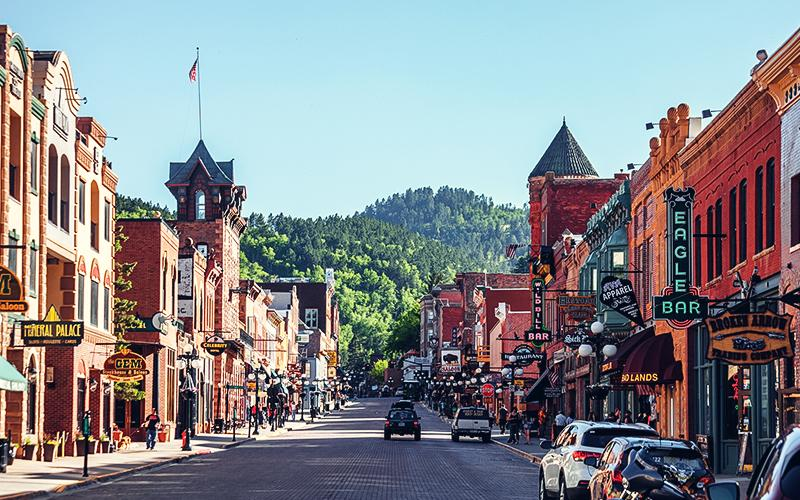
Historic districts across the United States often experience increased property values and commercial activity when preservation efforts are managed responsibly.
For example, revitalized heritage districts in cities like Savannah and Charleston have become major economic drivers while maintaining architectural identity.
At the same time, preservation efforts must balance economic growth with affordability. Some historic neighborhoods face concerns about displacement and gentrification when tourism and redevelopment increase property costs.
Successful preservation strategies typically involve community participation rather than top-down planning alone.
How Schools and Families Shape National Memory
Most Americans first encounter national memory through family stories and education.
School lessons, family traditions, veterans’ experiences, migration stories, and holiday celebrations all influence how individuals understand American identity.
For example:
- Family military service may shape attitudes toward patriotism.
- Immigration stories may influence views on citizenship and belonging.
- Regional history may affect political and cultural perspectives.
- Religious traditions may shape community participation.
Educators increasingly emphasize teaching multiple historical perspectives rather than presenting a single national narrative. This approach can help students understand both shared national values and historical complexity.
Digital technology has also transformed access to historical information. Americans now engage with archives, documentaries, oral histories, and historical databases more easily than ever before.
However, the abundance of information also increases the importance of media literacy and credible sourcing.
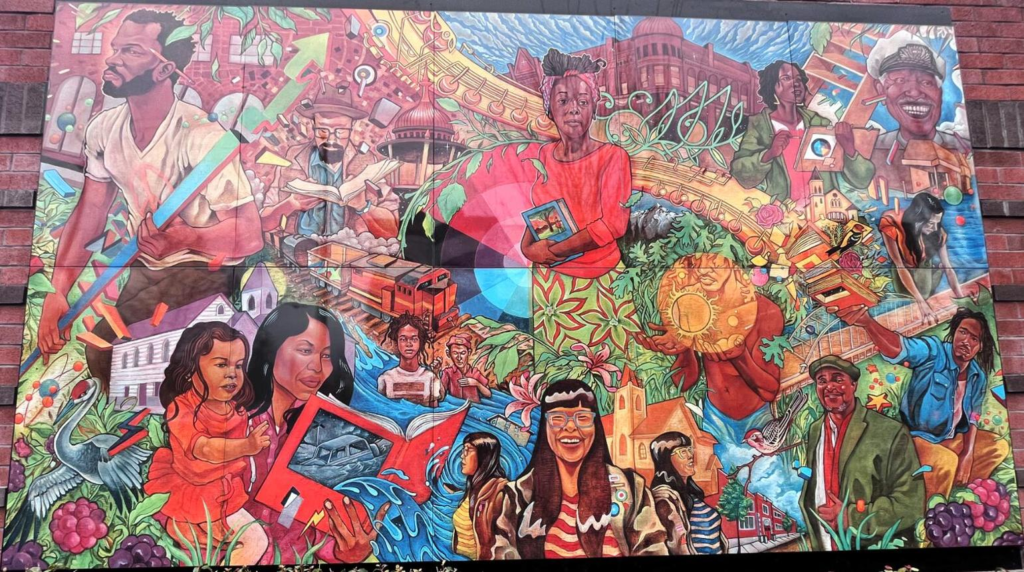
Why Younger Generations Are Reexamining Heritage
Younger Americans are engaging with heritage differently than previous generations.
Rather than viewing heritage solely as patriotic celebration, many younger adults approach it through questions about inclusion, representation, social justice, and cultural identity.
This shift has influenced:
- Museum programming
- Documentary filmmaking
- Public history initiatives
- School curricula
- Genealogy research
- Community preservation efforts
Many younger Americans are also more interested in preserving intangible heritage, including oral histories, local traditions, recipes, dialects, music, and cultural practices that may not appear in traditional museums.
Social media platforms have contributed to this trend by allowing communities to share local history directly with broader audiences.
The Continuing Relationship Between Heritage and Civic Trust
Communities with strong historical awareness often demonstrate stronger civic engagement because residents feel personally connected to local identity and shared responsibility.
When people believe their community story matters, they are often more likely to:
- Participate in local government
- Support preservation initiatives
- Volunteer with community organizations
- Attend public events
- Invest in neighborhood improvement
Heritage can therefore function as social infrastructure. It creates continuity during periods of economic change, demographic transition, or political uncertainty.
At the national level, shared memory also helps sustain democratic institutions by reinforcing common reference points across generations.
At its best, American heritage does not erase differences. Instead, it helps explain how diverse experiences contribute to a larger national story.
Memory, Place, and the Future of American Identity
As the United States continues to evolve, conversations about heritage will likely become even more important.
Climate change threatens historic coastal communities. Urban redevelopment continues to reshape neighborhoods. Digital communication alters how traditions are passed between generations. Political polarization influences how history is interpreted publicly.
Yet the core purpose of heritage remains consistent: helping communities understand where they came from and how those experiences continue to shape the present.
American identity has always been dynamic rather than fixed. Its strength often comes not from uniformity, but from the ability to preserve multiple histories within a shared national framework.
Understanding these hidden connections between heritage, community identity, and national memory helps explain why historical preservation remains deeply relevant in modern American life.
Questions Americans Frequently Ask About Heritage and National Memory
What is the difference between history and national memory?
History focuses on documenting and analyzing past events using evidence and scholarship. National memory refers to how societies collectively remember, interpret, and commemorate those events over time.
Why do communities preserve historic buildings?
Historic buildings often represent cultural identity, local traditions, and shared experiences. Preservation can also support tourism, education, and economic revitalization.
How does heritage affect community identity?
Heritage shapes traditions, public spaces, festivals, local storytelling, and shared values, helping residents feel connected to their community.
Why are monuments controversial in the United States?
Monuments can reflect outdated values or incomplete historical narratives. Debates often center on representation, historical interpretation, and public space.
What role do museums play in preserving heritage?
Museums preserve artifacts, educate the public, support research, and help communities interpret historical events and cultural traditions.
How has immigration shaped American heritage?
Immigration has influenced American food, music, language, religion, architecture, business development, and cultural traditions throughout U.S. history.
Why are younger generations approaching heritage differently?
Many younger Americans focus more on inclusion, cultural diversity, oral histories, and social context when examining historical narratives.
What is heritage tourism?
Heritage tourism involves visiting places connected to historical, cultural, or community significance, including landmarks, museums, and historic districts.
How do schools influence national memory?
Schools shape public understanding of historical events through curricula, textbooks, classroom discussions, and civic education.
Why is local history important?
Local history helps communities preserve identity, understand regional change, and maintain connections between generations.
Preserving Stories in a Changing Nation
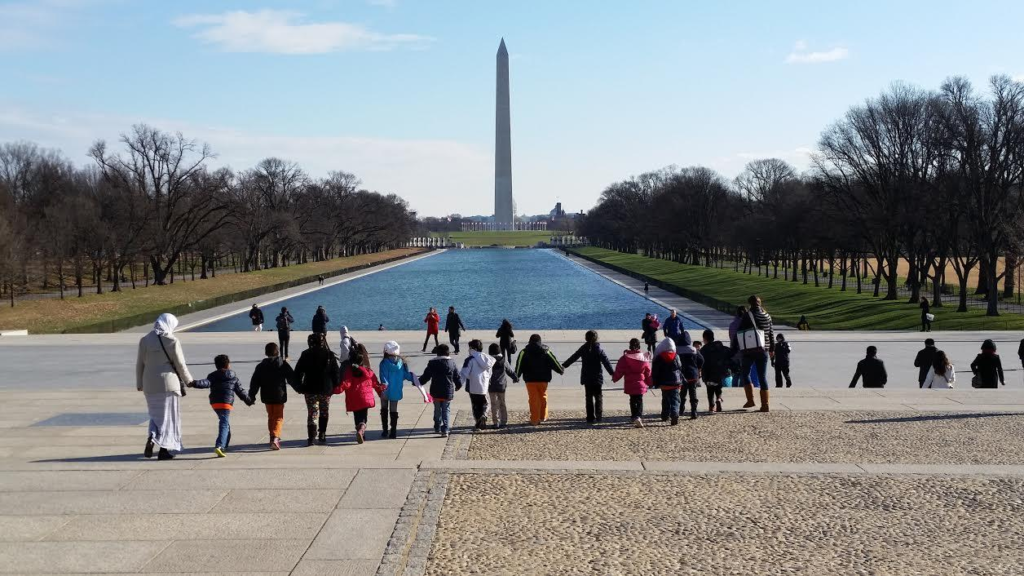
American heritage is not confined to monuments, textbooks, or official commemorations. It exists in neighborhoods, traditions, archives, churches, family stories, festivals, and public spaces that connect individuals to larger historical narratives.
As communities continue to evolve, preserving heritage becomes less about nostalgia and more about continuity. The stories Americans choose to remember — and the voices included in those stories — will continue shaping community identity and national memory for generations to come.
Key Ideas Worth Remembering
- Heritage influences both personal identity and community belonging.
- National memory evolves as social values and historical understanding change.
- Local institutions play a major role in preserving community history.
- Immigration continues reshaping American cultural identity.
- Historic preservation supports economic development and civic engagement.
- Public monuments reflect broader debates about identity and representation.
- Younger generations are expanding how heritage is defined and preserved.
- Shared memory helps communities maintain continuity during social change.