Rural travel is gaining renewed attention across the United States as travelers seek quieter destinations, outdoor experiences, and a slower pace away from crowded urban centers. From scenic country trails to small-town lodging and agritourism, Americans are increasingly choosing meaningful, nature-focused trips that prioritize flexibility, affordability, wellness, and regional culture over traditional tourist-heavy vacations.
A Different Kind of American Getaway
For years, major cities, crowded theme parks, and international hotspots dominated American travel planning. But in recent years, a noticeable shift has emerged. More travelers are choosing country roads over congested highways, hiking trails over entertainment districts, and quiet cabins over packed resorts.
This renewed interest in rural travel is not simply a passing trend. It reflects changing priorities around wellness, affordability, flexibility, and personal connection to nature. Across the United States, travelers are rediscovering local landscapes, regional culture, and slower-paced experiences that feel less commercialized and more restorative.
The growth of remote work has also changed how Americans think about travel. Weekend trips are becoming longer stays. Rural destinations that once attracted mostly retirees or seasonal visitors are now welcoming younger professionals, families, and digital nomads looking for balance between recreation and everyday life.
According to the U.S. Travel Association, outdoor and regional travel segments have remained consistently strong since the pandemic-era shift toward domestic exploration. National parks, scenic byways, rural lodging, and nature-based tourism continue to experience steady demand from travelers seeking lower-density experiences and flexible itineraries.
Why Rural Travel Feels More Appealing Today
Part of rural travel’s appeal comes from exhaustion with highly structured tourism. Many travelers no longer want schedules packed with reservations, crowds, and constant movement. Quiet escapes offer something increasingly difficult to find in modern travel: simplicity.
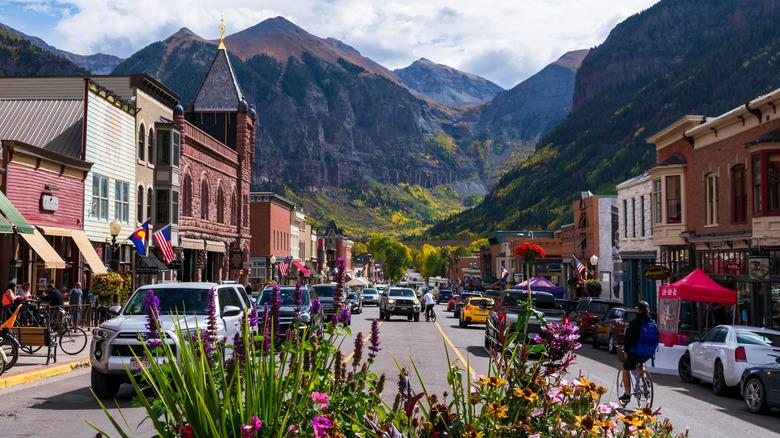
Small towns and countryside destinations also provide a level of unpredictability that feels authentic. Travelers often discover local diners, family-owned farms, independent bookstores, or hidden trails that never appear in major tourism campaigns.
Several broader lifestyle trends are contributing to this movement:
- Increased interest in mental wellness and stress reduction
- Greater appreciation for outdoor recreation
- Rising costs associated with urban tourism
- Flexible work arrangements allowing longer stays
- Desire for experiences that feel personal rather than commercial
For many Americans, rural travel also feels more financially manageable. Lodging, dining, and activities in smaller communities can often cost significantly less than trips to major metropolitan areas.
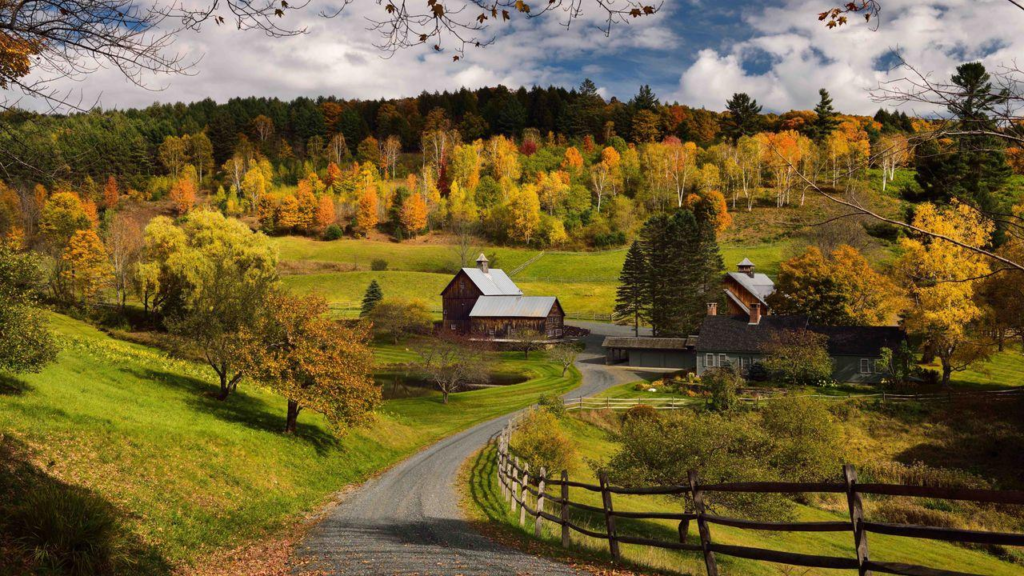
A family visiting rural Vermont, for example, may spend less on a four-day countryside trip than on a two-night stay in New York City. Cabin rentals, state parks, local restaurants, and scenic drives often create memorable experiences without the premium pricing associated with heavily visited destinations.
The Growing Popularity of Country Trails
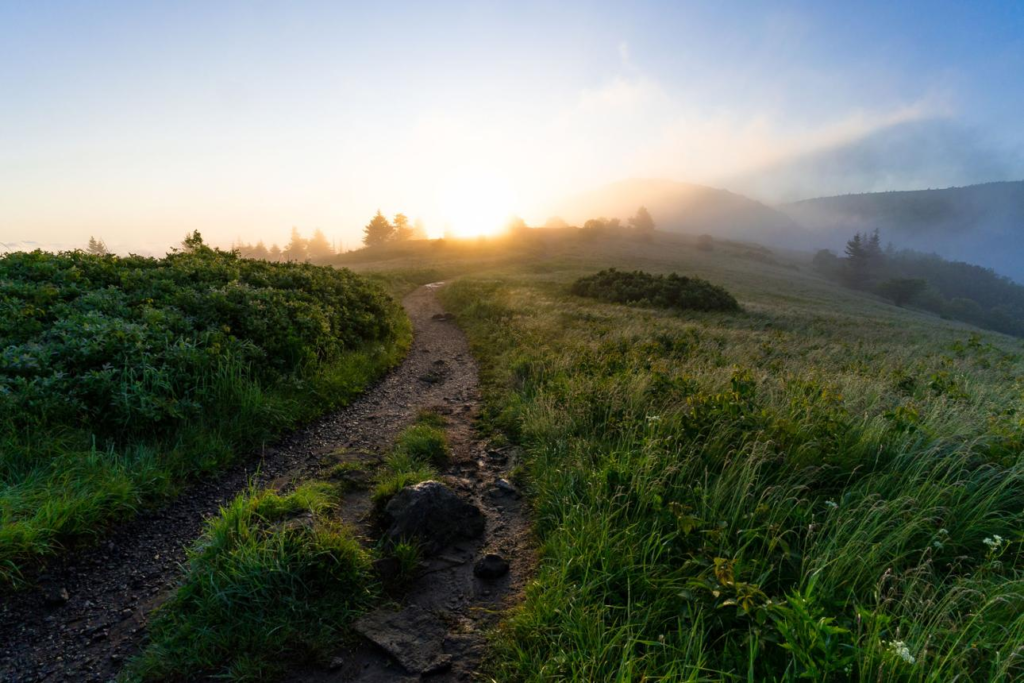
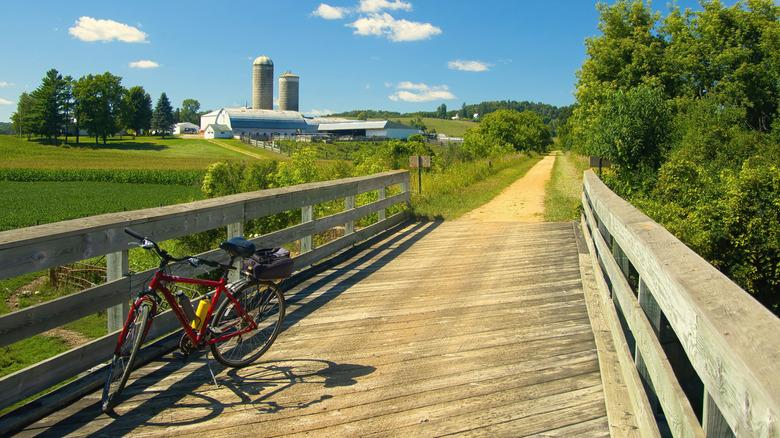
Country trails have become central to this renewed appreciation for rural America. Hiking routes, biking paths, equestrian trails, and scenic walking networks are attracting travelers of all ages and fitness levels.
Unlike highly commercial outdoor attractions, country trails often encourage slower exploration. Travelers can move through forests, farmland, mountain regions, river valleys, and historic rural communities without feeling rushed.
Popular trail experiences now include:
- Multi-use rail trails converted from historic railway lines
- Farm-region walking routes
- Scenic cycling corridors
- Wildlife observation trails
- State park hiking systems
- Riverfront nature paths
- Forest preserve networks
Many states have invested heavily in trail infrastructure over the past decade. Pennsylvania’s Great Allegheny Passage, Virginia’s Creeper Trail, and Missouri’s Katy Trail are examples of rural pathways now attracting national tourism attention.
These trails do more than provide recreation. They support local economies through lodging, restaurants, gear rentals, and community tourism. Small towns located along popular trail routes increasingly depend on outdoor visitors as part of their economic development strategies.
Rural Travel Is Becoming More Experience-Oriented
Travel behavior has shifted from sightseeing toward participation. Many Americans now want trips that involve learning, connection, or hands-on experiences.
Rural tourism naturally supports this type of travel because many destinations offer direct interaction with local culture and landscapes.
Examples include:
- Farm stays and agricultural tourism
- Horseback riding excursions
- Local food trails
- Artisan workshops
- Wildlife conservation tours
- Fishing and boating experiences
- Historical preservation tours
- Small-town festivals and seasonal events
A traveler spending time in Montana may combine hiking with ranch experiences and local history museums. Visitors to rural Tennessee might pair scenic trails with regional music culture and family-owned barbecue restaurants.
These experiences often feel more memorable because they are less standardized. Travelers are not simply consuming attractions; they are participating in communities and environments with distinct regional identities.
How Quiet Escapes Support Mental Wellness
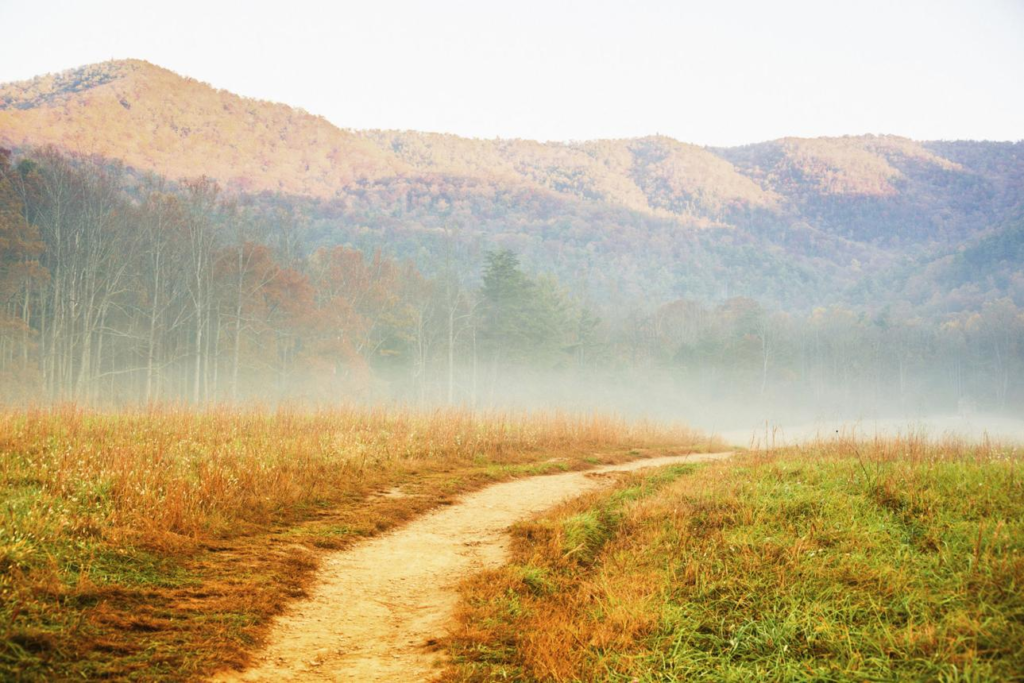
One reason rural travel resonates so strongly today is its connection to mental recovery and stress management.
Research from organizations including the American Psychological Association has repeatedly shown that time spent in nature can support reduced stress, improved mood, and better cognitive recovery. Quiet environments may help counteract the overstimulation associated with urban living and constant digital connectivity.
Many travelers describe rural trips differently from traditional vacations. Instead of returning exhausted from crowded itineraries, they often report feeling calmer and more rested.
Certain elements consistently contribute to this effect:
- Reduced noise exposure
- Lower population density
- More time outdoors
- Less screen dependence
- Slower daily routines
- Increased physical movement
This does not mean rural travel is entirely disconnected from modern convenience. Many destinations now offer reliable internet access, comfortable lodging, and hybrid work-friendly accommodations while still preserving quiet surroundings.
As a result, travelers increasingly blend productivity with recreation. Someone working remotely from a cabin in Colorado or a lakeside property in Michigan may spend mornings working online and afternoons exploring nearby trails.
Small Towns Are Adapting to Modern Travelers
Rural communities have recognized this growing demand and are evolving accordingly.
In many regions, tourism boards and local governments are investing in:
- Trail maintenance
- Boutique lodging
- Historic preservation
- Outdoor recreation infrastructure
- Broadband access
- Local dining development
- Regional tourism marketing
Importantly, many towns are trying to grow tourism without losing their identity. Travelers today often value places that retain local character rather than becoming heavily commercialized.
This balance can be difficult. Over-tourism concerns that once mainly affected large cities and national parks are beginning to impact smaller destinations as well. Some communities are actively managing visitor numbers and encouraging sustainable tourism practices.
For travelers, this means planning responsibly matters more than ever. Respecting local businesses, supporting regional economies, and minimizing environmental impact all contribute to healthier long-term tourism ecosystems.
What Americans Are Searching for in Rural Destinations
Online travel behavior reveals several consistent priorities among modern rural travelers.
People increasingly search for:
- “Quiet vacation spots in the US”
- “Best scenic drives near me”
- “Small towns with hiking trails”
- “Affordable cabin vacations”
- “Nature escapes for families”
- “Weekend rural getaways”
- “Best countryside trips in America”
- “Remote work friendly cabins”
- “Easy hiking destinations”
- “Wellness retreats in nature”
These searches reflect a broader shift away from highly curated luxury tourism toward practical, restorative experiences.
Importantly, rural travel appeals across demographics. Retirees, young professionals, families, solo travelers, and remote workers all participate in this movement for different reasons.
A young couple may prioritize photography and hiking. Families may focus on educational outdoor experiences for children. Older travelers may seek scenic drives and relaxed pacing.
The flexibility of rural travel allows destinations to serve multiple audiences without requiring highly specialized infrastructure.
The Role of Seasonal Travel in Rural Tourism
Seasonality plays a major role in country trail tourism.
Different regions attract travelers during entirely different periods:
| Region | Peak Rural Travel Season |
|---|---|
| New England | Fall foliage season |
| Rocky Mountains | Summer hiking months |
| Southern states | Spring and winter escapes |
| Midwest lake regions | Summer recreation |
| Pacific Northwest | Late spring through early fall |
This seasonal diversity helps spread tourism activity throughout the year. It also encourages repeat visits because landscapes and experiences change dramatically across seasons.
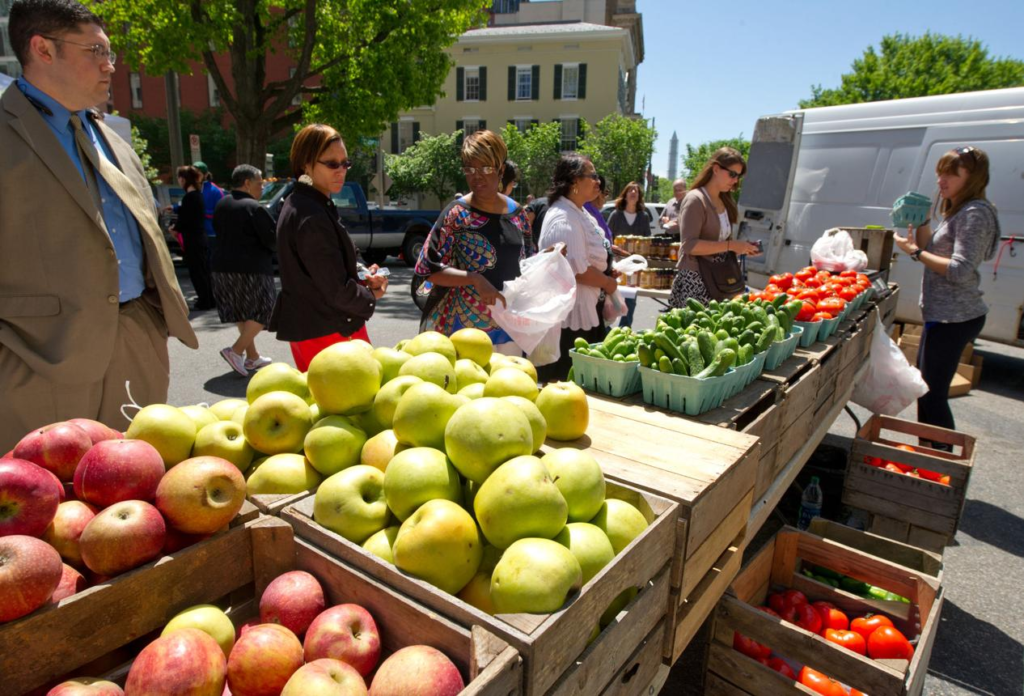
Autumn remains especially important for rural tourism in the United States. Scenic drives, harvest festivals, apple orchards, and foliage trails consistently attract millions of domestic travelers each year.
Winter tourism is also expanding in quieter rural areas through snowshoeing, cross-country skiing, cabin stays, and wellness-focused retreats.
Technology Is Quietly Supporting Rural Exploration
Although rural travel often emphasizes disconnection, technology still plays a significant role in making these trips accessible.
Modern travelers rely heavily on:
- GPS trail mapping apps
- Online cabin booking platforms
- Local tourism websites
- Weather tracking tools
- Digital campground reservations
- Social media destination research
At the same time, many travelers intentionally reduce screen usage once they arrive. Rural vacations increasingly function as partial digital detox experiences.
Interestingly, social media has both helped and complicated rural tourism growth. Platforms like Instagram and TikTok have introduced travelers to lesser-known destinations, but viral exposure can also strain fragile rural infrastructure.
This has prompted some travel experts to encourage “low-impact discovery,” where travelers explore responsibly without overwhelming small communities.
Planning a More Meaningful Rural Escape
Successful rural travel often depends on flexibility rather than overplanning.
Experienced travelers recommend:
- Leaving room for unplanned stops
- Researching local businesses ahead of time
- Checking trail conditions seasonally
- Respecting wildlife and conservation rules
- Supporting independent lodging and restaurants
- Visiting during shoulder seasons when possible
Travelers should also prepare realistically for rural conditions. Cell service may vary, distances between services can be larger, and weather changes may affect outdoor plans.
For first-time rural travelers, starting with accessible destinations can make the experience more comfortable. State parks, established trail systems, and small tourism-oriented towns often provide a good introduction.
Over time, many travelers begin seeking less-visited regions where they can experience even greater quiet and solitude.
Why This Shift May Continue for Years
The renewed interest in country trails and rural escapes appears tied to long-term lifestyle changes rather than temporary tourism patterns.
Americans increasingly value:
- Flexibility
- Nature access
- Slower travel pacing
- Lower-density experiences
- Mental wellness
- Regional authenticity
These preferences align naturally with rural tourism.
As infrastructure improves and awareness grows, smaller communities may continue attracting travelers who previously focused almost exclusively on urban tourism or international destinations.
Importantly, this shift does not necessarily replace traditional tourism. Many Americans still enjoy cities, entertainment districts, and major attractions. Instead, rural travel is becoming a complementary form of exploration that serves different emotional and practical needs.
For many travelers, the appeal is surprisingly simple: quiet mornings, open landscapes, local conversations, and time spent moving at a more human pace.
Where the Road Often Leads Next
Country trails and rural escapes are not only reshaping travel habits; they are influencing how Americans think about rest, movement, and connection to place. The growing appeal of quiet destinations reflects a broader desire for experiences that feel grounded, manageable, and personally meaningful.
As travelers continue balancing work pressures, digital overload, and rising travel costs, rural exploration offers something increasingly valuable: space to slow down without disconnecting entirely from modern life.
For many Americans, the rediscovery of rural travel is less about escaping civilization and more about finding environments that restore perspective.
Key Insights Worth Remembering
- Rural travel is growing because travelers increasingly value slower, lower-density experiences
- Country trails support both recreation and local economic development
- Quiet escapes are closely tied to wellness and stress reduction
- Small towns are investing in infrastructure to support modern travelers
- Outdoor-focused tourism appeals across age groups and income levels
- Seasonal travel patterns continue shaping rural tourism demand
- Technology helps travelers access remote destinations more safely and efficiently
- Responsible tourism practices are becoming increasingly important for rural communities
Frequently Asked Questions
Why are Americans becoming more interested in rural travel?
Many travelers are seeking quieter environments, outdoor recreation, lower travel costs, and less crowded experiences compared to major tourist destinations.
What are country trails?
Country trails include hiking paths, cycling routes, rail trails, scenic walking corridors, and outdoor recreational networks typically located in rural or natural environments.
Is rural travel more affordable than city travel?
In many cases, yes. Lodging, dining, parking, and activities in rural areas are often less expensive than comparable urban tourism costs.
Are rural destinations suitable for families?
Yes. Many rural destinations offer family-friendly hiking, wildlife observation, educational farms, lakes, and outdoor recreation opportunities.
What is agritourism?
Agritourism involves travel experiences connected to farms and agriculture, including farm stays, orchard visits, harvest events, and food-focused tourism.
How do travelers find lesser-known rural destinations?
Travelers often use state tourism websites, trail apps, regional travel guides, and recommendations from outdoor communities.
Is rural travel safe for solo travelers?
Many rural destinations are considered safe, but travelers should still prepare carefully, share itineraries, and research trail conditions and local services.
What seasons are best for rural travel?
It depends on the region. Fall foliage, spring wildflowers, summer hiking, and winter cabin stays each offer different experiences.
Are remote-work travelers contributing to rural tourism growth?
Yes. Flexible work arrangements have allowed more Americans to extend stays in rural destinations while working remotely.
How can travelers support rural communities responsibly?
Supporting local businesses, respecting environmental guidelines, minimizing waste, and avoiding overcrowded areas all help sustain rural tourism.