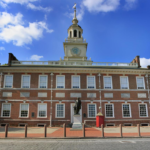
Historic landmarks in the United States occupy a unique place in both public life and personal experience. While they are often featured in travel brochures and social media feeds, their true value extends far beyond visual appeal. These sites preserve collective memory, define regional character, and influence how Americans understand their past and navigate their present.
In an era where travel is increasingly experience-driven, landmarks serve as anchors of authenticity. They are not simply destinations—they are storytellers, economic engines, and cultural touchstones that continue to shape how people engage with the country.
Why Do Historic Landmarks Still Matter Today?
The enduring relevance of historic landmarks lies in their ability to bridge time. They allow visitors to encounter history not as abstract information, but as something tangible and immediate.
Landmarks matter because they:
- Provide physical connections to pivotal moments in American history
- Serve as educational resources for schools and lifelong learners
- Strengthen local and national identity
- Encourage preservation of cultural heritage
- Support tourism economies across urban and rural areas
According to the National Park Service, millions of Americans visit protected landmarks annually, contributing billions of dollars to local economies. This demonstrates that historic preservation is not only culturally significant but also economically impactful.
How Landmarks Shape American Cultural Identity
Cultural identity in the United States is complex and layered, influenced by geography, migration, and historical events. Landmarks play a central role in shaping this identity by preserving stories that define communities.
For example, civil rights landmarks in the South provide insight into the struggle for equality, while industrial-era sites in the Midwest reflect the nation’s economic transformation. These places give context to current social conversations and help Americans understand how the past informs the present.
Rather than presenting a single narrative, landmarks often highlight multiple perspectives. This makes them essential spaces for reflection, dialogue, and education.
The Role of Landmarks in Modern Travel Behavior
Travel trends in the U.S. have shifted toward meaningful and educational experiences. Many travelers now seek destinations that offer depth rather than surface-level entertainment.
Historic landmarks meet this demand by offering:
- Guided tours that provide context and storytelling
- Interactive exhibits and digital experiences
- Opportunities for reflection and learning
- Connections to local culture and cuisine
For instance, visiting a historic district often includes exploring nearby restaurants, museums, and small businesses, creating a more immersive experience. Travelers are not just observing—they are participating in a place’s ongoing story.
How Landmarks Support Local Economies
Historic landmarks are often central to regional tourism strategies. Small towns and cities frequently rely on them to attract visitors and sustain local businesses.
Economic benefits include:
- Increased foot traffic for restaurants, hotels, and shops
- Job creation in tourism, preservation, and education sectors
- Funding opportunities through grants and partnerships
- Revitalization of surrounding neighborhoods
A well-maintained landmark can transform an under-visited area into a recognized destination. This is particularly important in rural regions, where tourism can provide a stable source of income.
Preservation in Practice: Who Protects These Sites?
Preserving historic landmarks requires coordination between government agencies, nonprofit organizations, and local communities.
Key players include:
- Federal agencies like the National Park Service
- State historical societies
- Local preservation groups
- Private foundations
Preservation efforts involve ongoing maintenance, restoration projects, and policy protections. These initiatives ensure that landmarks remain accessible and relevant for future generations.
Importantly, preservation is not just about maintaining structures—it is about safeguarding the stories and meanings attached to them.
Challenges Facing Historic Landmarks Today
Despite their importance, many landmarks face significant challenges:
- Climate change impacting coastal and outdoor sites
- Urban development pressures
- Limited funding for maintenance and restoration
- Balancing tourism with preservation
For example, increased visitor numbers can lead to wear and tear, requiring careful management to protect the integrity of sites. At the same time, underfunded landmarks risk deterioration if they cannot secure necessary resources.
Addressing these challenges requires thoughtful planning and sustained investment.
How Technology Is Changing the Landmark Experience
Digital innovation is transforming how people engage with historic landmarks. Technology is making these sites more accessible and interactive.
Common advancements include:
- Augmented reality tours that recreate historical events
- Mobile apps providing self-guided experiences
- Virtual tours for remote visitors
- Digital archives and storytelling platforms
These tools allow landmarks to reach broader audiences while enhancing on-site experiences. They also help younger generations connect with history in ways that feel relevant and engaging.
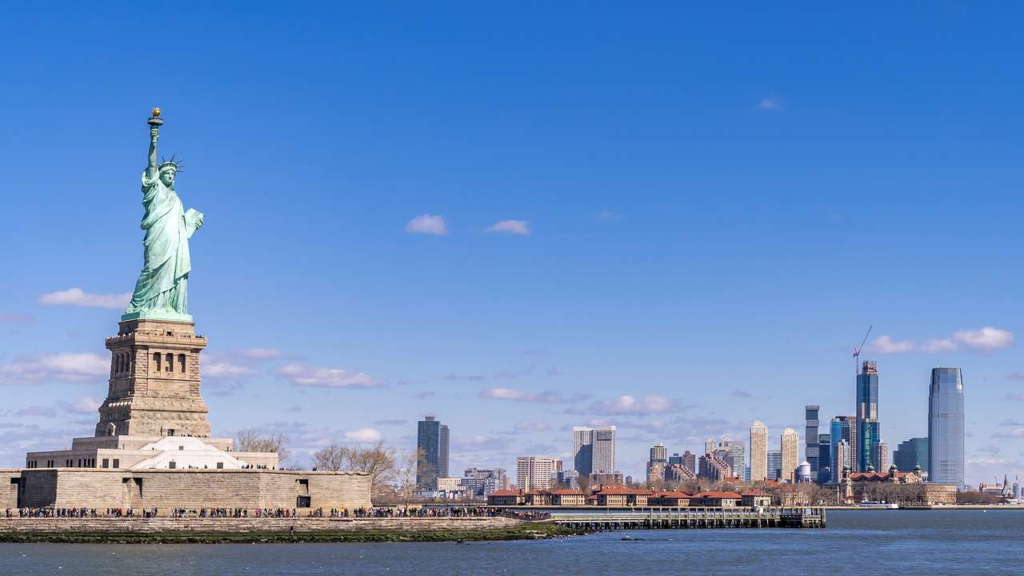
What Makes a Landmark Truly “Iconic”?
Not every historic site becomes iconic. Certain qualities distinguish landmarks that resonate across generations:
- Strong connection to nationally significant events or figures
- Architectural or symbolic uniqueness
- Emotional or cultural resonance
- Continued relevance in public discourse
An iconic landmark is one that people recognize not just visually, but conceptually. It represents ideas—freedom, resilience, innovation—that remain meaningful over time.
Frequently Asked Questions
1. What qualifies a site as a historic landmark in the U.S.?
A site is typically designated based on its historical, cultural, or architectural significance, often recognized by federal or state authorities.
2. Why are historic landmarks important for education?
They provide real-world context for historical events, making learning more engaging and memorable.
3. How do landmarks impact tourism in the U.S.?
They attract millions of visitors annually, supporting local economies and creating jobs.
4. Are all landmarks managed by the government?
No, many are managed by private organizations, nonprofits, or local communities.
5. How can visitors help preserve historic landmarks?
By following site guidelines, supporting preservation programs, and practicing responsible tourism.
6. What are the biggest threats to historic landmarks today?
Climate change, urban development, and insufficient funding are major challenges.
7. Can technology replace in-person visits to landmarks?
While technology enhances access, it cannot fully replicate the experience of being physically present.
8. How do landmarks reflect cultural diversity in the U.S.?
They represent a wide range of histories, including Indigenous, immigrant, and civil rights narratives.
9. What is the economic impact of historic preservation?
It generates billions in tourism revenue and supports local businesses.
10. How can communities get involved in preservation efforts?
Through volunteering, advocacy, and supporting local historical organizations.