
Iconic landmarks remain among the most visited destinations in the United States because they combine history, culture, architecture, and memorable experiences in one place. Beyond serving as recognizable symbols, these sites offer opportunities for learning, connection, and exploration. As travelers increasingly seek meaningful experiences, landmarks continue to attract repeat visits through evolving exhibits, local events, scenic surroundings, and deeper cultural storytelling.
Why Iconic Landmarks Continue to Matter in Modern Travel
In an era where travelers can access virtual tours, high-resolution photography, and social media content from anywhere in the world, iconic landmarks continue to attract millions of visitors every year. Their appeal extends far beyond simply seeing a famous structure or location. These destinations represent shared history, cultural identity, architectural achievement, and personal discovery.
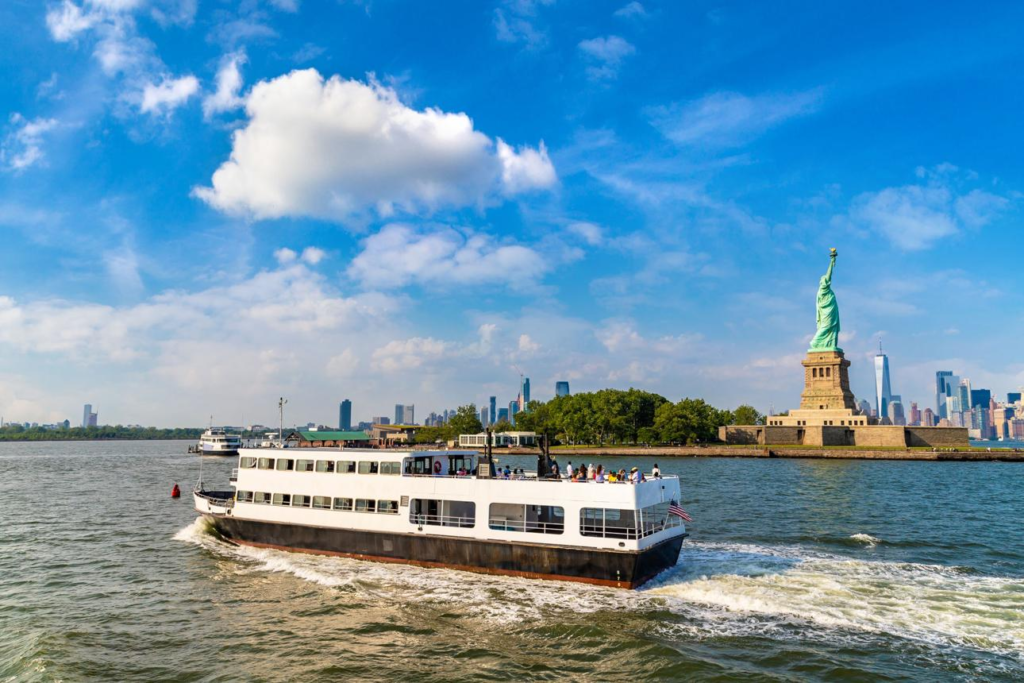
For many Americans, visiting a landmark is not merely about checking a destination off a list. It is about experiencing a place that has shaped national narratives, inspired generations, or become a symbol recognized around the world. Whether standing beneath the Statue of Liberty, viewing Mount Rushmore from a scenic overlook, or walking through Independence Hall, travelers often describe a sense of connection that cannot be replicated through digital experiences.
Tourism research consistently shows that cultural and heritage tourism remains one of the strongest segments of the travel industry. Travelers increasingly value authentic experiences that provide context, meaning, and education alongside entertainment.
The Emotional Connection That Keeps Visitors Returning
One reason iconic landmarks maintain their popularity is their ability to create emotional connections.
Unlike amusement attractions that may lose novelty over time, landmarks often gain significance as visitors age and develop a deeper appreciation for history, architecture, or cultural heritage.
A family visiting the Grand Canyon during childhood may later return as adults with their own children. A student who tours Washington, D.C., during a school trip may revisit years later with a greater understanding of American history and government.
These experiences become layered over time. Each visit offers a new perspective, creating a relationship between traveler and destination that extends beyond tourism.
Common emotional motivations include:
- Nostalgia and family traditions
- Historical curiosity
- National pride
- Cultural appreciation
- Personal reflection
- Educational value
The strongest landmarks often evoke several of these motivations simultaneously.
How Landmarks Deliver More Than Just Sightseeing
Modern travelers increasingly prioritize experiences over passive observation. Successful landmarks have adapted accordingly.
Today, visitors often encounter:
- Interactive museums
- Guided historical tours
- Immersive exhibits
- Educational programming
- Cultural performances
- Local food experiences
- Seasonal events
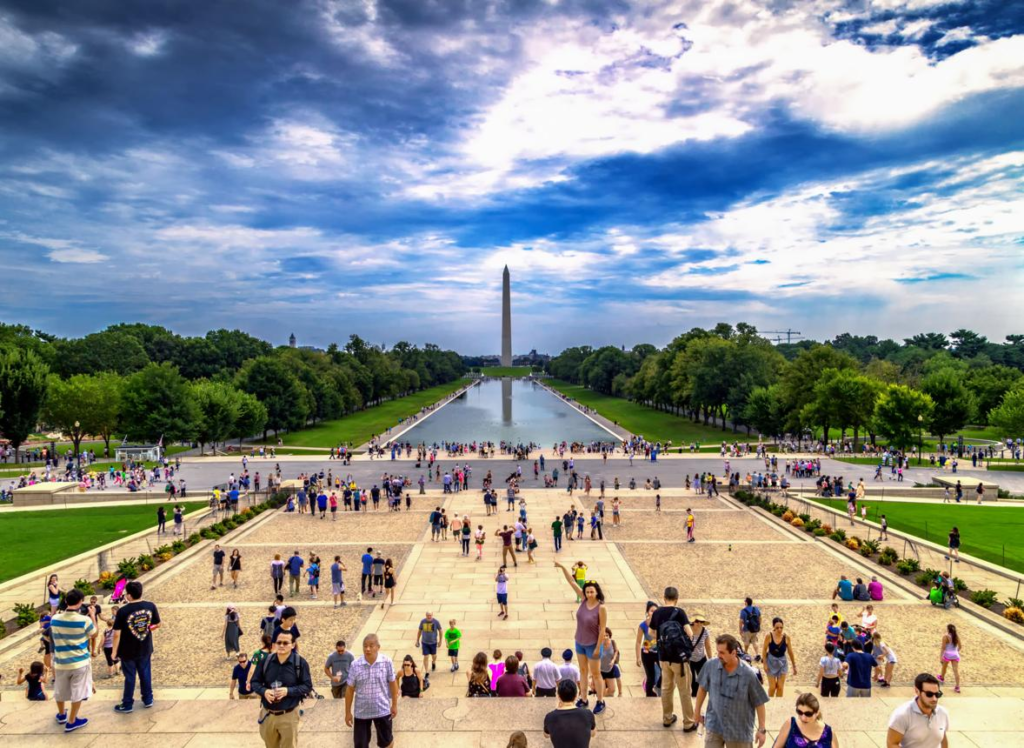
For example, visitors to the National Mall in Washington, D.C., can spend multiple days exploring museums, memorials, and cultural institutions rather than simply viewing monuments.
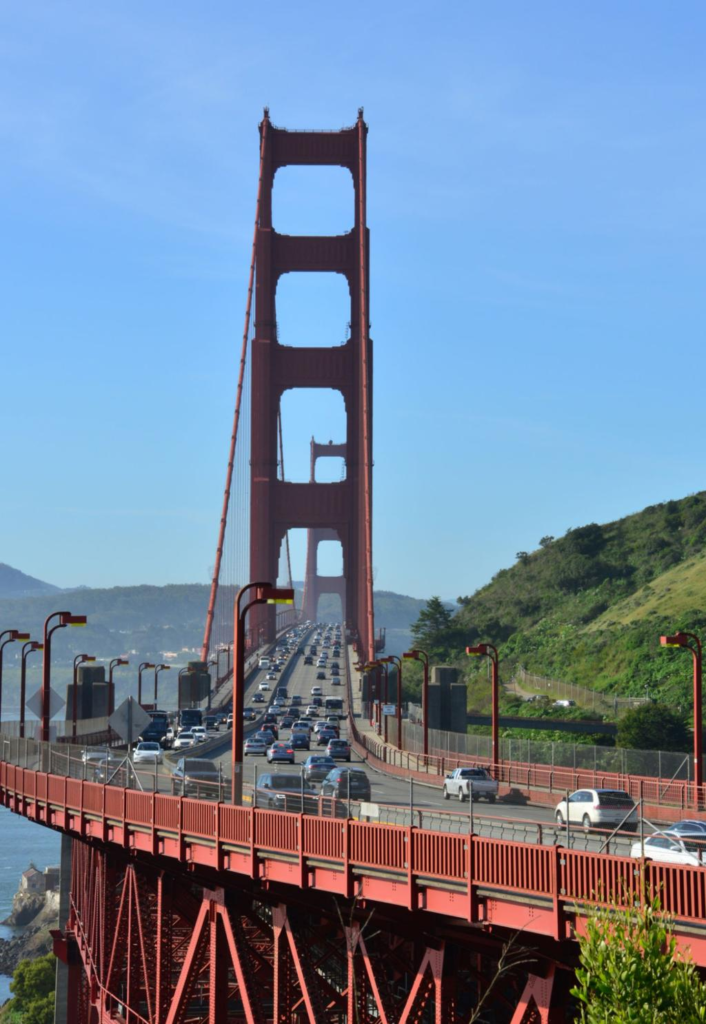
Similarly, travelers visiting the Golden Gate Bridge frequently combine the landmark experience with waterfront exploration, cycling routes, local neighborhoods, and nearby parks.
The landmark becomes the starting point for a broader destination experience rather than the sole attraction.
The Power of Storytelling in Landmark Tourism
What transforms a structure into an iconic landmark is often the story behind it.
Travelers remember stories more than statistics. A bridge becomes memorable because of its engineering challenges. A monument gains significance because of the people it honors. A historic building becomes meaningful because important decisions were made there.
Effective storytelling creates context and allows visitors to understand why a place matters.
Examples include:
Historical Significance
Sites connected to major events help travelers understand how the nation evolved.
Places such as Independence Hall and Gettysburg allow visitors to engage directly with moments that shaped American history.
Human Achievement
Engineering landmarks often inspire admiration through stories of innovation and perseverance.
Structures such as the Golden Gate Bridge demonstrate what was possible through vision, technology, and determination.
Cultural Identity
Some landmarks symbolize broader cultural values or traditions.
Whether representing immigration, freedom, exploration, or artistic achievement, these sites become part of the national conversation.
The stronger the story, the stronger the visitor experience.
Why Repeat Visitors Often Have Better Experiences
Many travelers assume landmark visits are one-time experiences. In reality, repeat visitors frequently report more satisfying trips.
First-time visitors often focus on seeing the major attraction. Returning visitors can explore surrounding neighborhoods, hidden viewpoints, local history, and seasonal events.
For example:
- A second trip to New York City may include Ellis Island tours beyond the Statue of Liberty.
- Repeat visits to Yellowstone often reveal different wildlife activity and seasonal landscapes.
- Additional visits to Washington, D.C., allow deeper exploration of museums that cannot be fully experienced in one trip.
Returning travelers typically experience less pressure to “see everything” and more freedom to engage with destinations at a meaningful pace.
The Role of Architecture in Lasting Popularity
Architecture remains one of the most compelling reasons travelers seek out iconic landmarks.
Great architecture communicates ideas visually. It can symbolize power, innovation, resilience, faith, or cultural identity.
Visitors are often drawn to landmarks because they showcase design elements unavailable elsewhere.
Architectural appeal includes:
- Unique engineering achievements
- Distinctive visual identity
- Historical craftsmanship
- Photographic opportunities
- Urban design significance
The combination of beauty and functionality often contributes to a landmark’s longevity.
Many of America’s most visited landmarks remain visually striking decades or even centuries after their construction.
Natural Landmarks Continue to Rival Urban Attractions
While many iconic landmarks are human-made, natural landmarks remain equally influential in American tourism.
National parks, geological formations, and scenic landscapes consistently rank among the country’s most visited destinations.
Popular examples include:
- Grand Canyon
- Yellowstone National Park
- Yosemite National Park
- Monument Valley
- Niagara Falls
These destinations offer something increasingly valuable in modern life: immersion in nature.
Travelers often describe natural landmarks as transformative experiences because of their scale, beauty, and ability to inspire perspective.
Unlike urban attractions, natural landmarks change constantly through weather, seasons, wildlife activity, and environmental conditions.
This dynamic quality encourages repeat visits and ongoing exploration.
How Social Media Has Changed Landmark Travel
Social media has undoubtedly influenced landmark tourism, but not always in the way many assume.
While visually impressive destinations benefit from increased exposure, travelers today often seek deeper experiences beyond taking photographs.
Many visitors arrive with substantial knowledge gathered from:
- Travel videos
- Podcasts
- Online reviews
- Historical documentaries
- Digital archives
- Travel blogs
As a result, expectations have evolved.
Travelers increasingly want:
- Historical context
- Authentic local perspectives
- Educational opportunities
- Cultural experiences
- Responsible tourism options
Landmarks that provide these elements tend to generate stronger visitor satisfaction and repeat visitation.
What Makes a Landmark Worth Visiting More Than Once?
Not every famous attraction inspires return visits. The most enduring landmarks typically share several characteristics.
Continuous Learning Opportunities
Visitors discover something new during each trip.
Seasonal Variety
Changing weather, festivals, exhibits, and events create unique experiences.
Surrounding Attractions
Nearby museums, neighborhoods, restaurants, and parks add value.
Personal Relevance
Visitors develop stronger connections as life experiences change.
Preservation Efforts
Ongoing restoration and interpretation help maintain historical relevance.
These qualities transform landmarks from static attractions into evolving destinations.

Frequently Asked Questions
Why do people continue visiting famous landmarks despite virtual tours?
Virtual tours provide convenience, but they cannot replicate the emotional, physical, and sensory experience of being present at a landmark. Visitors often value atmosphere, scale, and personal connection.
Are iconic landmarks still relevant to younger travelers?
Yes. Many younger travelers seek experiences that combine education, culture, and social sharing opportunities. Landmarks often provide all three.
Which types of landmarks attract the most repeat visitors?
Historic sites, national parks, cultural institutions, and destinations with seasonal experiences tend to attract the highest number of repeat visitors.
How can travelers avoid crowds at popular landmarks?
Visiting during shoulder seasons, arriving early, booking timed-entry tickets, and exploring lesser-known viewing areas can significantly reduce crowd exposure.
Why are natural landmarks so popular in the United States?
The United States contains diverse landscapes and extensive protected areas. Many travelers seek outdoor recreation, scenic beauty, and opportunities to disconnect from daily routines.
Do landmarks contribute to local economies?
Yes. Landmark tourism supports hotels, restaurants, transportation providers, tour operators, museums, and local businesses.
How long should travelers plan for landmark visits?
It depends on the destination. Some landmarks require only a few hours, while others, such as national parks or historic districts, may justify several days.
What should travelers research before visiting a landmark?
Travelers should review ticket requirements, seasonal conditions, accessibility information, transportation options, and nearby attractions.
Are guided tours worth the additional cost?
For many landmarks, guided tours provide valuable historical context and access to information that visitors might otherwise miss.
How can travelers make landmark visits more meaningful?
Reading about the site’s history beforehand, participating in guided experiences, and exploring related cultural attractions can significantly enrich the visit.
Following the Footsteps of History While Creating New Memories
The enduring appeal of iconic landmarks comes from their ability to connect past and present. They preserve stories, celebrate achievements, and provide spaces where travelers can learn, reflect, and explore. While technology continues to transform how people plan and experience travel, landmarks remain powerful because they offer something uniquely human: a sense of place.
Whether shaped by nature, history, architecture, or culture, these destinations continue drawing visitors back because every journey reveals something new. The most memorable landmarks are not simply places people visit once. They become destinations woven into personal histories, family traditions, and lifelong curiosity.
Key Insights for Future Travelers
- Iconic landmarks combine history, culture, architecture, and experience.
- Emotional connections are a major driver of repeat visits.
- Modern landmarks increasingly offer immersive and educational experiences.
- Storytelling significantly enhances visitor engagement.
- Natural landmarks remain among America’s strongest tourism assets.
- Repeat visits often provide deeper and more rewarding experiences.
- Social media has increased interest in meaningful travel experiences.
- Landmarks that evolve through exhibits, events, and interpretation maintain long-term relevance.