
Iconic landmarks remain among the most influential drivers of travel, cultural preservation, and national identity in the United States. From historic monuments and national parks to architectural achievements and civic symbols, these destinations connect visitors with the nation’s history, values, and diverse communities. Their continued relevance extends beyond tourism, helping shape local economies, educational experiences, cultural storytelling, and a shared sense of American identity.
Why Iconic Landmarks Still Matter in Modern America
The United States is home to some of the world’s most recognizable landmarks. Whether it is the Statue of Liberty welcoming visitors to New York Harbor, Mount Rushmore carved into the Black Hills, or the Golden Gate Bridge spanning San Francisco Bay, these places represent far more than physical structures or scenic attractions.
Landmarks serve as cultural anchors. They provide tangible connections to historical events, national achievements, and collective memories. While technology has transformed how people travel and consume information, interest in iconic destinations remains remarkably strong. Millions of Americans continue to visit these sites every year, seeking experiences that offer context, meaning, and a deeper understanding of the country’s past and present.
For travelers, landmarks create opportunities to move beyond sightseeing. They become entry points into local history, regional traditions, and cultural conversations that help define the American experience.
The Role of Landmarks in Shaping Travel Decisions
Many travel itineraries begin with a landmark. Visitors often select destinations because of a famous monument, national park, historic district, or architectural masterpiece.
Travel research consistently shows that recognizable attractions influence vacation planning. Families planning road trips, international visitors exploring the United States, and domestic travelers seeking weekend getaways frequently organize their journeys around landmark destinations.
Several factors explain this influence:
- Landmarks provide immediate cultural context.
- They offer educational value for all age groups.
- They create memorable travel experiences.
- They often serve as gateways to surrounding communities.
- They help travelers understand regional identity.
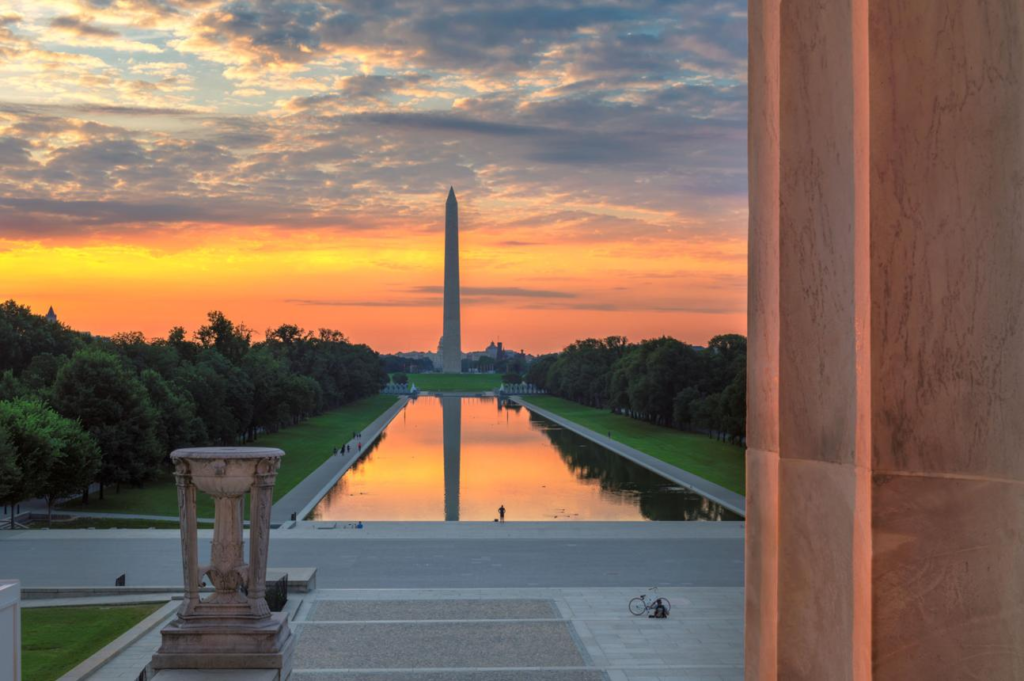
A trip to Washington, D.C., for example, often revolves around monuments, memorials, and government institutions. However, those experiences frequently lead visitors to museums, neighborhoods, restaurants, and cultural events that broaden their understanding of the city.
Similarly, travelers visiting Yellowstone National Park often explore nearby communities, indigenous history, wildlife conservation programs, and regional outdoor traditions.
Landmarks act as starting points that encourage broader exploration.
How Historic Sites Preserve American Stories
One reason landmarks remain significant is their ability to preserve stories that might otherwise fade over time.
Historic landmarks provide physical evidence of key moments in American history. They transform textbook narratives into real-world experiences that visitors can see and understand firsthand.
Examples include:
- Civil Rights Movement sites across the South
- Revolutionary War battlefields
- Presidential homes and libraries
- Native American heritage locations
- Immigration landmarks
- Industrial-era historic districts
When people visit these locations, they engage directly with history rather than simply reading about it.
Walking through Independence Hall in Philadelphia, for example, offers a more meaningful understanding of the nation’s founding than many traditional educational materials alone can provide. Likewise, visiting the Edmund Pettus Bridge helps contextualize the sacrifices and struggles associated with voting rights and civil rights activism.
These experiences contribute to public understanding and historical literacy while encouraging conversations across generations.
The Economic Impact of Landmark Tourism
Iconic landmarks are also powerful economic engines.
Tourism associated with major landmarks supports local businesses, creates jobs, generates tax revenue, and attracts investment. Hotels, restaurants, transportation providers, tour operators, and retail establishments all benefit from visitor spending.
National Park Service sites alone attract hundreds of millions of visitors annually, contributing billions of dollars to local economies throughout the country.
The economic impact extends well beyond major cities.
Smaller communities often rely heavily on landmark tourism. Historic towns, scenic regions, and cultural heritage destinations benefit from visitors who spend money locally while exploring significant attractions.
Examples include:
- Gateway communities near national parks
- Historic districts in small towns
- Heritage tourism corridors
- Coastal lighthouse destinations
- Cultural and indigenous tourism centers
These economic benefits help fund preservation efforts while supporting community development.
Why Americans Continue to Connect Emotionally with Landmarks
Landmarks often represent values that Americans associate with national identity.
Different landmarks symbolize different aspects of the country’s story:
- Freedom and opportunity
- Innovation and progress
- Natural beauty
- Democratic ideals
- Cultural diversity
- Resilience during difficult periods
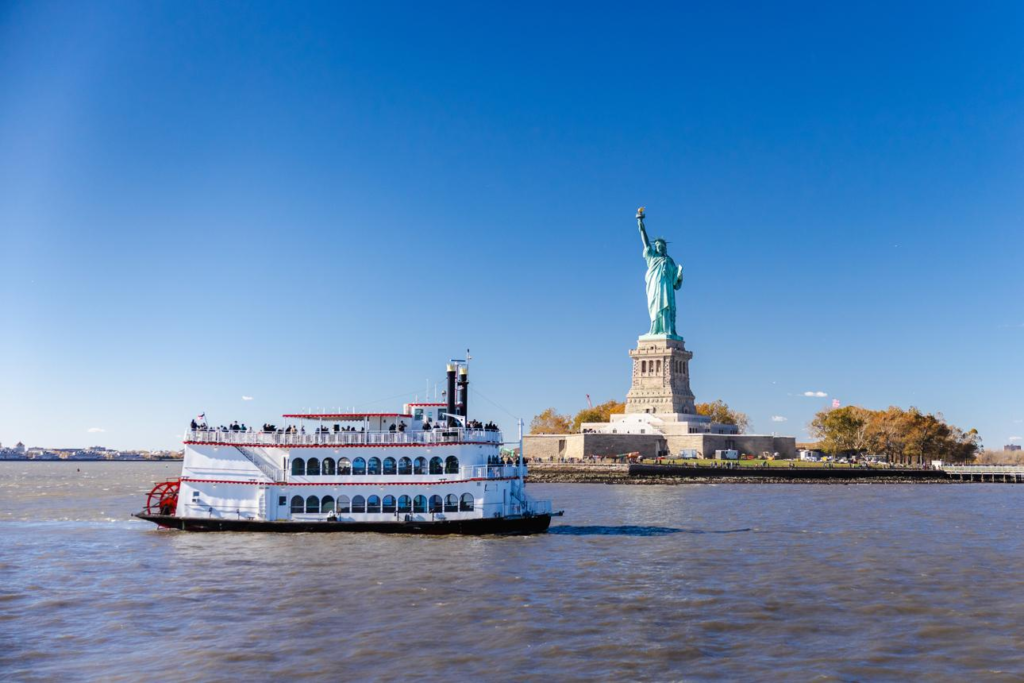
The Statue of Liberty remains associated with immigration and opportunity. The Lincoln Memorial symbolizes leadership and national unity. The Gateway Arch reflects westward expansion and exploration.
These symbolic meanings help explain why landmarks remain relevant even as society evolves.
Many Americans visit certain sites multiple times throughout their lives. Childhood field trips, family vacations, military service, educational journeys, and retirement travel often bring people back to the same destinations under different circumstances.
Each visit can carry new meaning, reinforcing personal connections to national history and shared experiences.
The Growing Importance of Cultural and Community Landmarks
While nationally recognized monuments attract significant attention, cultural landmarks at the local level are increasingly shaping how Americans understand identity and heritage.
Travelers are showing greater interest in destinations connected to:
- Indigenous cultures
- African American history
- Hispanic heritage
- Asian American communities
- Labor movements
- Music traditions
- Regional storytelling
These sites help broaden the narrative of American history by highlighting experiences that were historically underrepresented.
Examples include cultural districts, historic neighborhoods, tribal heritage centers, and museums dedicated to specific communities.
The rise of heritage tourism reflects growing public interest in understanding the diverse perspectives that contribute to the American story.
As a result, the definition of an iconic landmark continues to evolve beyond traditional monuments and government buildings.
Social Media and the Modern Landmark Experience
Digital technology has changed how people interact with landmarks but has not reduced their importance.
Instead, social media has expanded their visibility.
Travelers frequently share photos, videos, and personal stories from landmark destinations. This user-generated content introduces new audiences to historic and cultural sites while encouraging future visitation.
However, modern travelers increasingly seek authenticity rather than simply capturing recognizable images.
Many visitors now want to:
- Learn local history
- Participate in guided experiences
- Understand cultural significance
- Support preservation efforts
- Discover lesser-known stories
This shift has encouraged museums, parks, and historic organizations to develop more immersive educational programming.
Technology enhances access while preserving the value of in-person experiences.
The Role of National Parks as American Landmarks
National parks occupy a unique place within the American landmark landscape.
Unlike monuments built by people, these landmarks highlight the country’s natural heritage.
Destinations such as:
- Yellowstone
- Yosemite
- Grand Canyon
- Zion
- Great Smoky Mountains
represent some of the most visited and celebrated locations in the United States.
These parks contribute to national identity by showcasing landscapes that many Americans view as part of the nation’s shared inheritance.
They also reinforce conservation values. Visitors often leave with a greater appreciation for environmental stewardship, wildlife protection, and public land preservation.
National parks demonstrate how natural landmarks can be just as influential as historic structures in shaping cultural identity.
How Landmark Preservation Benefits Future Generations
Preserving landmarks requires ongoing investment, planning, and public support.
Many iconic destinations face challenges such as:
- Aging infrastructure
- Climate-related threats
- Visitor overcrowding
- Funding limitations
- Environmental degradation
Preservation efforts ensure future generations can continue learning from and enjoying these places.
Successful preservation involves collaboration among government agencies, nonprofit organizations, local communities, historians, architects, and conservation experts.
Educational programs also play an important role. When younger generations understand the significance of landmarks, they become more likely to support preservation initiatives in the future.
Maintaining these sites is ultimately about protecting cultural memory as much as protecting physical structures.
What Makes a Landmark Truly Iconic?
Not every historic site becomes an iconic landmark.
Several characteristics tend to distinguish the most influential destinations:
- Strong historical significance
- Cultural relevance across generations
- Broad public recognition
- Educational value
- Symbolic meaning
- Continued accessibility
- Connection to national narratives
The most enduring landmarks evolve alongside society. Their meanings expand as new generations interpret them through contemporary perspectives.
This adaptability helps explain why certain destinations remain influential for decades or even centuries.
Rather than serving as static reminders of the past, iconic landmarks continue participating in ongoing conversations about who Americans are and how the nation’s story should be understood.
Frequently Asked Questions
Why are iconic landmarks important to American culture?
They preserve history, represent shared values, support education, and help communities maintain connections to important cultural and historical narratives.
How do landmarks influence tourism?
Landmarks attract visitors, shape travel itineraries, support local economies, and encourage exploration of surrounding attractions and communities.
What is considered an iconic American landmark?
Examples include the Statue of Liberty, Grand Canyon, Golden Gate Bridge, Mount Rushmore, Lincoln Memorial, and Independence Hall.
Do landmarks contribute to local economies?
Yes. Landmark tourism supports hotels, restaurants, transportation providers, retailers, and numerous local businesses.
Why do people visit historic landmarks?
Many visitors seek educational experiences, cultural understanding, personal connections to history, and meaningful travel experiences.
How do national parks function as landmarks?
National parks represent America’s natural heritage and contribute to national identity through conservation, recreation, and environmental education.
What challenges do landmarks face today?
Common challenges include climate impacts, overcrowding, aging infrastructure, funding needs, and preservation concerns.
How does social media affect landmark tourism?
Social media increases visibility, inspires travel planning, and helps travelers discover both famous and lesser-known destinations.
Why is landmark preservation important?
Preservation protects cultural heritage, supports education, and ensures future generations can access historically significant places.
How are cultural landmarks changing in America?
Recognition is expanding to include more diverse stories, communities, and perspectives that contribute to the nation’s broader history.