America’s most iconic landmarks are more than popular tourist destinations. They serve as living reminders of the nation’s history, cultural identity, innovation, and shared values. From monuments that commemorate defining moments to natural wonders that showcase extraordinary landscapes, these places continue to educate, inspire, and connect millions of visitors each year. Understanding their stories reveals why they remain relevant in modern America.
Why Iconic Landmarks Continue to Matter
Landmarks often become symbols of a nation because they represent something larger than themselves. They preserve stories, honor achievements, commemorate sacrifices, and provide a tangible connection to history. While technology has transformed how people learn about the world, visiting a landmark offers an experience that books, documentaries, and social media cannot fully replicate.
The United States welcomes hundreds of millions of domestic and international travelers annually, and many of the country’s most visited destinations are historic sites, monuments, and national parks. These locations help travelers understand the events, people, and ideas that shaped the nation while contributing significantly to local economies and tourism industries.
For many Americans, landmarks also serve as shared cultural reference points. Whether someone has visited them personally or simply recognizes them from photographs, films, or textbooks, these places help create a common understanding of American history and identity.
The Statue of Liberty: A Symbol of Hope and Opportunity

Few American landmarks are as recognizable as Statue of Liberty.
Gifted by France in 1886, the statue was intended to celebrate friendship between the two nations and the ideals of liberty and democracy. However, its meaning evolved dramatically over time.
For millions of immigrants arriving through Ellis Island during the late nineteenth and early twentieth centuries, the statue became a powerful symbol of opportunity and a new beginning. Families crossing the Atlantic often described their first glimpse of Lady Liberty as one of the most emotional moments of their journey.
Today, visitors continue to view the monument not only as a historic structure but also as a reminder of the diverse backgrounds that have contributed to American society. Its relevance remains strong as conversations about immigration, citizenship, and national identity continue to shape public discourse.
Mount Rushmore: Celebrating Leadership and National Development
8
Located in the Black Hills of South Dakota, Mount Rushmore National Memorial features the faces of four American presidents: George Washington, Thomas Jefferson, Theodore Roosevelt, and Abraham Lincoln.
The monument was designed to represent key stages in American history, including the nation’s founding, territorial expansion, economic growth, and preservation during the Civil War.
Visitors often arrive expecting an impressive sculpture but leave with a deeper understanding of the individuals whose decisions influenced the country’s development. At the same time, the site encourages important conversations about Indigenous history and the cultural significance of the Black Hills to Native American communities.
Its continued relevance comes from its ability to inspire both appreciation and reflection.
The Golden Gate Bridge: Engineering Meets Identity
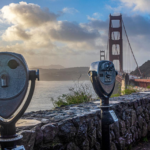
When the Golden Gate Bridge opened in 1937, it was considered one of the greatest engineering achievements of its era.
At a time when many experts questioned whether such a structure could withstand the region’s strong currents, winds, and seismic activity, engineers successfully completed a bridge that transformed transportation across the San Francisco Bay Area.
Today, the bridge represents more than infrastructure. It has become an international symbol of innovation, resilience, and American ingenuity. Millions of visitors photograph the bridge each year, making it one of the most recognizable structures in the world.
Its continued popularity demonstrates how engineering accomplishments can become enduring cultural landmarks.
The National Mall: America’s Outdoor History Classroom
The National Mall functions as one of the nation’s most important public spaces.
Stretching through the heart of Washington, D.C., it connects some of America’s most significant monuments and museums, including the Lincoln Memorial, Washington Monument, and numerous institutions operated by the Smithsonian Institution.
The National Mall has witnessed pivotal moments in American history, including civil rights demonstrations, presidential inaugurations, and public gatherings that shaped national conversations.
Visitors can walk through centuries of history within a single day, making the area one of the most educational destinations in the country.
Key reasons travelers continue to visit include:
- Access to multiple historic sites in one location
- Opportunities for civic and historical education
- Free admission to many major museums
- Connections to major national events
- Architectural and cultural significance
The Grand Canyon: Nature’s Monument

Unlike many iconic landmarks created by people, Grand Canyon National Park demonstrates the extraordinary power of nature.
Carved over millions of years by the Colorado River, the canyon reveals geological layers that help scientists understand Earth’s history. Visitors frequently describe their first view of the canyon as difficult to capture in photographs because of its immense scale.
The Grand Canyon helped establish a broader conservation movement in the United States. Protecting natural landmarks became a national priority partly because places like this demonstrated the value of preserving unique landscapes for future generations.
Today, the canyon continues to inspire outdoor enthusiasts, photographers, scientists, and families alike.
Independence Hall: Where a Nation Took Shape

8
In Philadelphia, Independence Hall stands as one of the most important buildings in American history.
The Declaration of Independence was debated and adopted here in 1776, and the U.S. Constitution was drafted here in 1787. Decisions made within its walls fundamentally shaped the future of the nation.
For visitors, Independence Hall transforms historical events from textbook material into something tangible. Standing in the room where delegates debated the country’s future creates a stronger connection to history than reading about it alone.
Its significance remains powerful because democratic institutions and constitutional principles continue to influence modern life.
Why People Still Travel to Historic Landmarks
Despite the growth of virtual experiences, physical visits remain important because they provide emotional and educational value.
Travelers frequently report that visiting a landmark creates a deeper understanding than viewing photographs or watching videos. The scale of the Grand Canyon, the atmosphere of Independence Hall, and the symbolism of the Statue of Liberty are experiences that are difficult to fully appreciate remotely.
Modern visitors often seek:
- Authentic historical experiences
- Educational family travel opportunities
- Cultural enrichment
- Connections to national heritage
- Memorable travel experiences beyond entertainment
This trend is especially visible among multigenerational travelers who combine sightseeing with learning opportunities.
How Landmarks Support Local Communities
Beyond their cultural value, iconic landmarks play a significant economic role.
Tourism supports hotels, restaurants, transportation providers, museums, guides, and small businesses in surrounding communities. Major landmark destinations generate billions of dollars in visitor spending annually and help sustain thousands of jobs.
Communities often invest heavily in preserving these sites because they recognize both their historical importance and economic benefits.
Successful preservation efforts typically involve:
- Federal and state funding
- Public-private partnerships
- Historical organizations
- Community advocacy groups
- Educational institutions
These partnerships help ensure landmarks remain accessible for future generations.
The Challenges of Preserving America’s Icons
Preserving historic landmarks is not always simple.
Many sites face challenges including aging infrastructure, environmental pressures, climate-related risks, and increasing visitor numbers. Preservation experts must balance public access with long-term protection.
For example, national parks must manage growing tourism while minimizing environmental impact. Historic buildings require ongoing restoration to maintain structural integrity without compromising authenticity.
Technology has become an important tool in these efforts. Digital mapping, 3D scanning, and advanced conservation techniques allow preservation teams to document and protect landmarks more effectively than ever before.
What These Landmarks Teach Future Generations
Perhaps the most important reason these landmarks continue to matter is their educational value.
Each site tells a story about decisions, achievements, struggles, and aspirations that shaped the nation. They encourage critical thinking about history while helping younger generations understand how the past influences the present.
Whether visitors are learning about immigration at the Statue of Liberty, democracy at Independence Hall, leadership at Mount Rushmore, or conservation at the Grand Canyon, these experiences create lasting lessons that extend beyond the trip itself.
Landmarks serve as reminders that history is not merely something that happened long ago—it remains an active part of modern American life.

Frequently Asked Questions
1. What is considered America’s most iconic landmark?
The Statue of Liberty is often considered America’s most iconic landmark because of its global recognition and symbolic connection to freedom and immigration.
2. Why are historic landmarks important?
Historic landmarks preserve cultural heritage, educate future generations, and help communities maintain connections to significant historical events.
3. Which U.S. landmark receives the most visitors?
The National Mall and Memorial Parks area in Washington, D.C., consistently ranks among the most visited landmark destinations in the United States.
4. Why is the Grand Canyon considered a landmark?
Its extraordinary geological features, scientific importance, and role in conservation history make it one of America’s most significant natural landmarks.
5. What makes a landmark iconic?
A landmark becomes iconic when it possesses historical, cultural, architectural, or symbolic importance recognized by large numbers of people.
6. Are American landmarks protected by law?
Many are protected through federal, state, and local preservation programs designed to maintain their historical and cultural value.
7. How do landmarks contribute to local economies?
They attract visitors who spend money on lodging, dining, transportation, entertainment, and local businesses.
8. Can virtual tours replace landmark visits?
Virtual tours are useful educational tools, but they generally cannot replicate the emotional and sensory experience of visiting a landmark in person.
9. What is the difference between a historic landmark and a national park?
Historic landmarks typically focus on people, events, or structures, while national parks often preserve natural landscapes and ecosystems.
10. Why should younger generations visit historic landmarks?
These visits provide firsthand learning experiences that make history more engaging, memorable, and relevant.