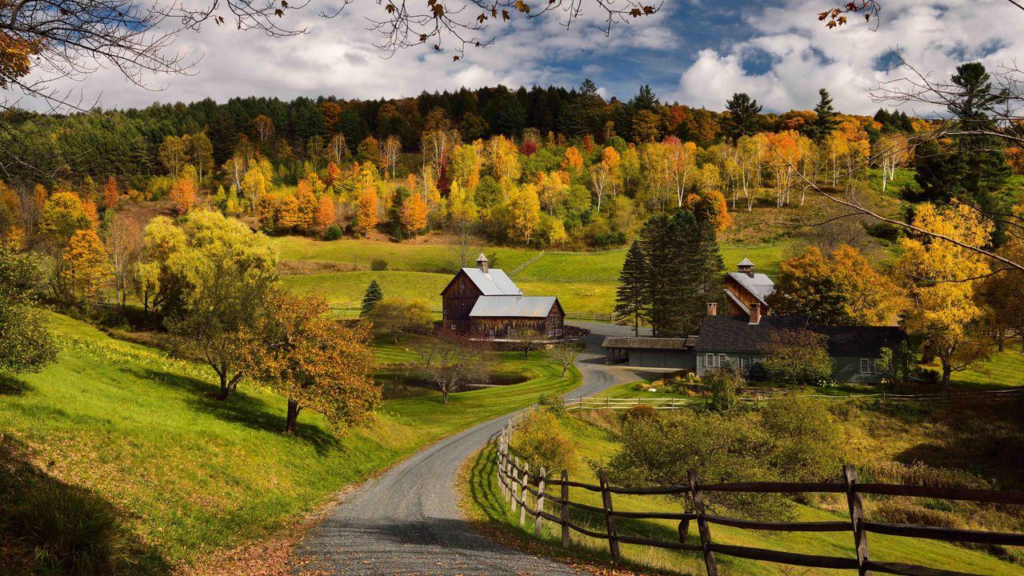
For many Americans, travel is no longer centered only on packed itineraries, crowded attractions, or major tourist hubs. Country trails, rural walking routes, and scenic backroads are increasingly attracting travelers who want slower experiences, open landscapes, and time away from constant digital noise. From wellness benefits to affordability and accessibility, these quieter destinations are reshaping how people think about rest, recreation, and meaningful travel across the United States.
A Shift Away From Overcrowded Travel Experiences
Over the last decade, many popular tourist destinations have experienced record visitor numbers. National parks, major cities, and resort towns often face heavy congestion during peak travel seasons. In response, travelers are increasingly looking for places that feel calmer, less commercialized, and easier to enjoy at a comfortable pace.
Country trails fit naturally into that shift. Whether located near small mountain towns, farming communities, forests, lakes, or rolling countryside, these routes provide something many travelers feel they are missing: physical space and mental quiet.
Travel analysts have also noted a rise in interest around “slow travel,” a style of travel focused on deeper experiences rather than checking destinations off a list. Instead of rushing through several cities in one week, travelers are choosing longer stays in smaller places where outdoor access becomes part of the experience.
This trend is especially visible among:
- Remote workers seeking short rural escapes
- Families wanting lower-stress vacations
- Retirees prioritizing wellness-focused travel
- Younger travelers interested in nature and sustainability
- Urban residents looking for quiet weekend trips
For many Americans, country trails offer a practical way to disconnect without requiring expensive international travel or complicated planning.
Why Simplicity Has Become Part of Modern Travel
Many travelers today are intentionally reducing the intensity of their vacations. Rather than building highly scheduled trips filled with reservations, transportation logistics, and crowded attractions, people are looking for travel experiences that feel manageable and restorative.
Country trails appeal because the experience itself is uncomplicated.
A traveler may spend the day:
- Walking wooded trails
- Visiting local diners or cafés
- Exploring small-town shops
- Photographing landscapes
- Birdwatching or fishing
- Sitting beside lakes, rivers, or open fields
This kind of travel often feels more flexible and less pressured than traditional tourism.
The simplicity also extends to budgeting. Rural destinations are often more affordable than large tourist centers. Lodging, parking, dining, and recreational costs may all be lower, making country-trail travel appealing to families and budget-conscious travelers.
Importantly, simplicity does not mean lack of quality. Many rural regions now offer:
- Well-maintained trail systems
- Boutique inns and cabins
- Farm-to-table dining
- Local arts and crafts
- Guided outdoor activities
- Scenic rail trails and historic pathways
Travelers are increasingly realizing they do not need luxury resorts or packed entertainment schedules to have a satisfying experience.
The Wellness Connection Behind Outdoor Escapes
The connection between outdoor activity and mental well-being has become more widely discussed in recent years. Health organizations and researchers continue to highlight the psychological benefits associated with spending time in natural environments.
Walking trails in rural settings can support:
- Reduced stress levels
- Improved mood
- Better sleep patterns
- Increased physical activity
- Reduced screen exposure
- Stronger sense of relaxation
According to research published by organizations such as the American Psychological Association and the CDC, time outdoors is linked to lower stress and improved overall wellness.
For travelers who spend much of their daily life indoors or online, country trails provide a realistic and accessible form of recovery from constant stimulation.
Unlike intense outdoor sports, country trail experiences are also approachable for a wide range of ages and fitness levels. Many routes are relatively flat, family-friendly, or suitable for casual walking rather than advanced hiking.
That accessibility matters. People are not only looking for adventure travel; many are simply looking for environments where they can slow down and feel comfortable.
Small Towns Are Benefiting From Trail Tourism
Across the United States, trail systems are becoming economic drivers for rural communities.
Former railway corridors, riverfront paths, and connected regional trail networks are attracting steady visitor traffic to areas that historically relied on agriculture or seasonal tourism. Travelers stopping for trail access often support nearby restaurants, hotels, coffee shops, outfitters, and local businesses.
Well-known examples include:
- Rail trails in the Midwest
- Blue Ridge region walking routes
- Vermont countryside cycling trails
- Rural sections of the Appalachian corridor
- Scenic desert trails in the Southwest
Communities that invest in trail infrastructure often see broader tourism benefits because trails encourage repeat visitation and extended stays.
In many cases, trail tourism also aligns with sustainable development goals. Outdoor recreation typically creates less environmental strain than large-scale resort construction while helping preserve local landscapes and regional identity.
Travelers increasingly appreciate destinations that feel authentic rather than heavily commercialized.
How Remote Work Changed Leisure Travel
Remote and hybrid work arrangements have changed how Americans think about travel timing and destination choices.
Instead of taking only one or two major vacations each year, many people now plan shorter trips throughout the year. Country trail destinations work especially well for this pattern because they are often:
- Within driving distance
- Less expensive
- Easier to plan last-minute
- Suitable for weekday visits
- Less crowded outside peak seasons
A remote worker may spend several days in a cabin near rural trails while continuing partial work responsibilities. This blending of leisure and flexibility has expanded interest in destinations that provide quiet surroundings and reliable internet rather than nonstop entertainment.
Cabin rentals, rural Airbnbs, and small inns near trail systems have seen growing demand partly because travelers now value calm environments where they can both work and relax.
What Travelers Often Look for Before Choosing a Trail Destination
Search behavior shows that travelers are becoming more practical and research-focused before selecting outdoor destinations.
Common questions include:
- Is the trail beginner-friendly?
- Are pets allowed?
- Is parking available?
- Are nearby restaurants open year-round?
- Is the area crowded during weekends?
- Are there bathrooms or rest areas?
- Can children safely use the trails?
- Is cell service reliable?
- What seasons are best for visiting?
These questions reflect a broader trend in travel planning: people want predictability and comfort alongside nature.
The most successful country trail destinations often balance natural scenery with practical infrastructure.
Travelers tend to appreciate locations that offer:
- Clear trail maps
- Good signage
- Accessible parking
- Local dining options
- Nearby lodging
- Safety information
- Seasonal recommendations
This balance helps outdoor travel feel approachable even for inexperienced visitors.
Regional Trail Experiences Across the United States
One reason country-trail travel continues growing is the wide range of experiences available across different American regions.
Northeast
The Northeast offers forest walks, autumn foliage trails, historic pathways, and countryside villages. States like Vermont and upstate New York attract visitors seeking scenic seasonal travel.
Southeast
Southern regions often combine trails with mountain towns, waterfalls, and river systems. The Blue Ridge area remains especially popular for travelers looking for relaxed outdoor experiences.
Midwest
Midwestern rail trails and agricultural landscapes provide long-distance cycling and walking opportunities through small towns and open countryside.
Southwest
Desert trails, canyon routes, and wide-open landscapes appeal to travelers seeking dramatic scenery and quieter travel environments.
Pacific Northwest
Washington and Oregon continue attracting visitors interested in forests, coastal trails, and environmentally focused travel experiences.
This regional diversity allows travelers to choose environments that match their preferences without needing international travel.
The Role of Technology in Simpler Travel
Interestingly, technology has helped support the rise of country-trail travel even as many travelers try to disconnect from digital overload.
Travel apps now make it easier to:
- Locate trail conditions
- Download offline maps
- Find nearby lodging
- Read safety reviews
- Discover local businesses
- Monitor weather conditions
At the same time, travelers are becoming more intentional about limiting constant online engagement during trips.
Many people now view trail-focused travel as an opportunity to reduce digital pressure temporarily while still maintaining access to essential tools and safety resources.
This balance between connectivity and disconnection is shaping modern outdoor tourism.
How Families Are Redefining Vacation Priorities
Family travel preferences are also changing. Parents increasingly prioritize experiences that feel calmer, healthier, and less overstimulating for children.
Country trails offer several advantages for family trips:
- Lower travel costs
- Outdoor physical activity
- Reduced crowd exposure
- Flexible schedules
- Educational nature experiences
- Easier multi-generational participation
Children often respond well to outdoor environments where they can explore at their own pace rather than spending entire trips waiting in lines or moving between attractions.
For grandparents and older family members, accessible walking trails also provide ways to participate comfortably in shared experiences.
This flexibility makes country-trail destinations appealing across age groups.
Challenges That Travelers Should Still Consider
While country-trail travel has many advantages, it is not entirely without limitations.
Travelers should prepare for:
- Limited medical facilities in remote areas
- Reduced cell service
- Seasonal weather changes
- Fewer late-night services
- Wildlife precautions
- Limited public transportation
Planning remains important, especially for longer trail routes or isolated rural regions.
Experienced travelers often recommend:
- Downloading offline maps
- Carrying water and basic supplies
- Checking local weather conditions
- Informing someone about hiking plans
- Researching seasonal closures
- Wearing appropriate footwear
Responsible planning helps ensure these trips remain relaxing rather than stressful.
Why This Travel Trend Is Likely to Continue
Several long-term factors suggest country-trail travel will remain popular in the coming years.
Americans continue showing strong interest in:
- Wellness-oriented lifestyles
- Domestic travel
- Flexible work arrangements
- Sustainable tourism
- Outdoor recreation
- Smaller destination experiences
At the same time, overcrowding concerns in major tourist areas continue pushing travelers toward alternative destinations.
Country trails meet multiple modern travel priorities at once: affordability, accessibility, wellness, flexibility, and simplicity.
Rather than representing a temporary travel fad, this shift appears connected to broader lifestyle changes affecting how Americans define rest, leisure, and quality experiences.
Where Quiet Travel Is Finding Its Place
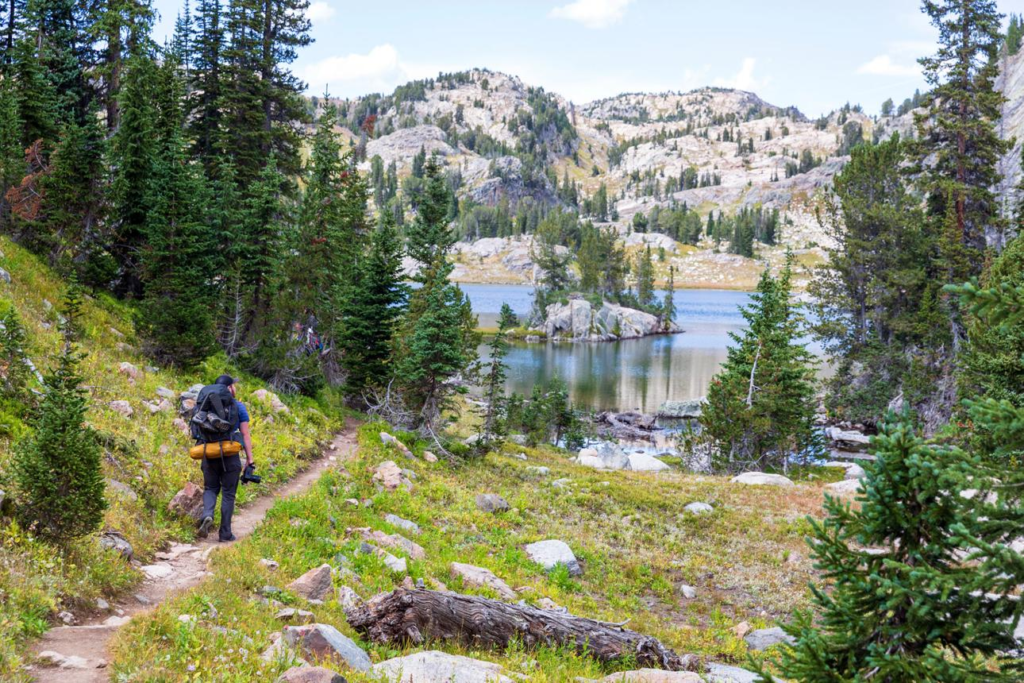
The growing popularity of country trails reflects more than interest in outdoor recreation alone. It signals a broader change in how many Americans approach travel itself. Increasingly, travelers are valuing open space over packed schedules, meaningful experiences over constant activity, and calm environments over highly commercialized destinations.
For people seeking a slower pace without sacrificing comfort or authenticity, country trails provide a practical and increasingly attractive alternative. Whether through rural walking routes, scenic drives, or small-town outdoor escapes, these destinations are helping redefine what modern travel can look like in a fast-moving world.
Key Insights From America’s Shift Toward Country-Trail Travel
- Travelers increasingly prioritize simplicity, wellness, and open space
- Rural trail destinations often offer more affordable travel experiences
- Slow travel trends are supporting interest in smaller communities
- Remote work flexibility has expanded weekday and short-stay travel
- Families appreciate the flexibility and lower stress of outdoor trips
- Local economies benefit from sustainable trail tourism
- Technology supports safer and easier trail planning
- Outdoor wellness remains a major driver behind travel decisions
- Trail travel appeals across multiple generations and income levels
- Many travelers now prefer meaningful experiences over crowded tourism
Frequently Asked Questions
Why are country trails becoming more popular in the United States?
Many Americans are looking for quieter, less crowded travel experiences that support relaxation, outdoor activity, and affordability. Country trails provide accessible ways to enjoy nature without highly commercialized tourism environments.
Are country trails suitable for beginner travelers?
Yes. Many country trails are designed for casual walking, cycling, or family-friendly outdoor recreation rather than advanced hiking.
What are the mental health benefits of trail travel?
Outdoor environments are associated with reduced stress, improved mood, increased physical activity, and better overall well-being.
Is country-trail travel affordable?
In many cases, yes. Rural destinations often have lower lodging, parking, and dining costs compared to major tourist cities.
What should travelers pack for country-trail trips?
Comfortable footwear, water, weather-appropriate clothing, maps, snacks, sunscreen, and basic safety supplies are commonly recommended.
Are country trails safe for families with children?
Many are. Families should research trail difficulty, accessibility, and local conditions before visiting.
Which regions in the US are known for country-trail travel?
Popular regions include the Northeast countryside, Blue Ridge areas, Midwestern rail trails, Southwestern desert trails, and the Pacific Northwest.
Can remote workers combine work and trail travel?
Yes. Many travelers now stay in cabins or small-town accommodations near trails while working remotely during part of their trip.
Do country trails stay busy year-round?
Traffic varies by region and season. Autumn foliage periods and spring weather often bring higher visitor numbers.
Are pets allowed on most country trails?
Policies vary. Many trails allow dogs on leashes, but travelers should check local regulations before visiting.