
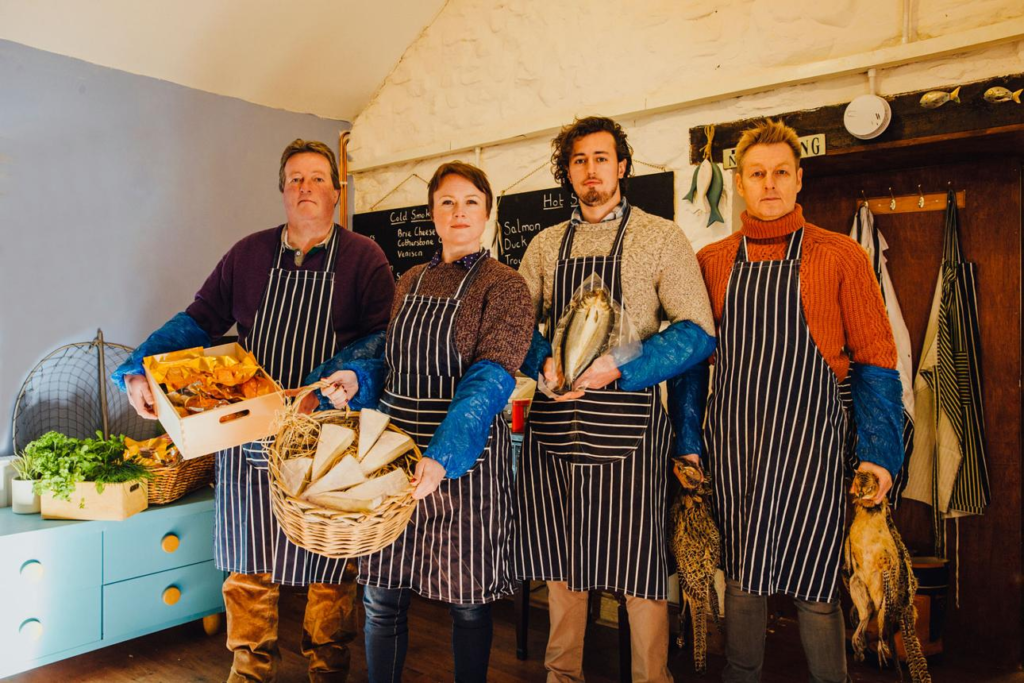
For many American travelers, food tourism is no longer centered on celebrity restaurants or major cities alone. Flavor trails—regional routes connecting farms, bakeries, seafood docks, roadside diners, wineries, smokehouses, and local markets—are reshaping how people discover culture through food. These experiences are helping smaller communities attract visitors, preserve culinary traditions, and create more meaningful travel experiences rooted in authenticity, local identity, and regional storytelling.
Why Flavor Trails Are Growing in Popularity
Across the United States, travelers are becoming more intentional about how and where they spend their time. Instead of planning trips exclusively around urban attractions or luxury dining reservations, many are seeking slower, more localized experiences that feel connected to a region’s history and community.
Flavor trails fit naturally into this shift. Unlike traditional food tourism, which often focuses on destination restaurants, flavor trails guide travelers through entire ecosystems of local food culture. A single route might include oyster farms along the Gulf Coast, family-owned barbecue pits in Texas, maple producers in Vermont, or roadside pie shops across the Midwest.
Part of the appeal comes from the sense of discovery. Travelers are increasingly interested in places that feel less commercialized and more personal. According to data from the U.S. Travel Association, experiential travel continues to influence trip planning decisions, especially among younger and middle-aged travelers seeking cultural connection rather than passive tourism experiences.
Flavor trails also align with broader travel trends:
- Interest in regional identity and local craftsmanship
- Demand for sustainable and community-based tourism
- Growth in domestic road trips
- Increased interest in agricultural tourism
- Preference for experience-driven travel over luxury-focused itineraries
Rather than simply eating at a destination, travelers are looking for ways to understand how food reflects geography, migration, climate, and community traditions.
What Exactly Is a Flavor Trail?
A flavor trail is typically a curated route or regional collection of culinary experiences connected by a shared food theme, geographic area, or cultural tradition.
Some are officially organized by tourism boards, while others emerge organically through traveler recommendations and local business collaborations.
Examples include:
- Bourbon trails in Kentucky
- Oyster trails in coastal New England
- Barbecue routes across the Carolinas and Texas
- Cheese and dairy trails in Wisconsin
- Wine and olive oil trails in California
- Farm-to-table driving routes in the Pacific Northwest
What distinguishes flavor trails from standard restaurant guides is their broader focus. These routes often include:
- Farms and orchards
- Small food producers
- Local markets
- Family-owned bakeries
- Historic diners
- Fishing communities
- Distilleries and breweries
- Cultural festivals
- Cooking workshops
- Regional food museums
The result is a travel experience that feels layered rather than transactional.
How Small Towns Benefit From Culinary Tourism
One of the most important effects of flavor trails is the renewed visibility they bring to smaller communities that are often overlooked by mainstream tourism.
A traveler driving through rural Tennessee for a whiskey trail may also stop at local antique stores, book small inns, buy regional crafts, or visit nearby parks. In this way, culinary tourism creates spillover economic benefits beyond restaurants themselves.
For many communities, this matters significantly.
Small food businesses often operate on narrow margins, especially in rural areas. Flavor trails help increase visibility without requiring businesses to compete directly with large urban dining markets. Instead, they benefit from regional storytelling and collective tourism marketing.
Communities across the United States are increasingly investing in culinary identity as part of economic development strategies. States like Kentucky, Louisiana, Vermont, and New Mexico have all developed tourism initiatives centered around regional food culture.
These programs often help preserve traditions that might otherwise disappear, including:
- Heritage farming techniques
- Indigenous food practices
- Regional smoking and curing methods
- Traditional baking recipes
- Local seafood harvesting traditions
When travelers participate in these experiences, they contribute to the preservation of culinary heritage while supporting local economies directly.

Why Travelers Are Choosing Food Experiences Over Traditional Attractions
For many travelers, food has become one of the most memorable parts of a trip because it creates immediate sensory and emotional connections.
A visitor may forget a hotel lobby within weeks, but they often remember:
- Fresh oysters eaten beside the water they came from
- Pie from a fourth-generation roadside bakery
- Coffee roasted in a converted grain mill
- Chili recipes tied to local history
- Peach orchards visited during harvest season
Flavor trails encourage these kinds of experiences because they emphasize context and storytelling.
Many travelers also appreciate the accessibility of culinary tourism. Unlike luxury travel experiences that require high budgets or exclusive access, flavor trails can often be explored affordably through self-guided road trips.
This accessibility has broadened the audience for culinary travel considerably.
Families, retirees, solo travelers, and weekend road trippers can all participate without requiring specialized planning.
Regional Food Identity Is Becoming a Tourism Asset
Food has always reflected regional identity in the United States, but flavor trails are making those distinctions more visible to broader audiences.
In recent years, travelers have become more curious about the differences between local traditions that were once treated as niche or regional knowledge.
Examples include:
- The distinctions between Texas, Memphis, Kansas City, and Carolina barbecue
- Variations in Gulf Coast seafood traditions
- Appalachian preservation cooking techniques
- Indigenous ingredients used in Southwestern cuisine
- Midwestern supper club culture
- Cajun versus Creole culinary traditions
This growing interest has encouraged local tourism boards to frame food as a cultural entry point rather than simply a dining activity.
As a result, travelers are increasingly building itineraries around regional specialties rather than famous landmarks alone.

The Role of Social Media and Digital Discovery
Digital platforms have significantly accelerated the growth of flavor trails.
Travelers no longer rely exclusively on guidebooks or travel magazines to discover hidden culinary destinations. Instead, they encounter recommendations through short-form videos, regional creators, local blogs, food documentaries, and mapping platforms.
Importantly, travelers are often drawn to places that appear authentic rather than overly polished.
A roadside smokehouse with handwritten menus may generate more interest online than a highly produced dining space because it communicates local character and originality.
This shift has benefited independent businesses that may not have large advertising budgets but offer memorable experiences.
At the same time, digital visibility can create challenges. Communities experiencing sudden tourism attention sometimes struggle with overcrowding, rising costs, or pressure to commercialize traditions.
Successful flavor trails tend to balance promotion with preservation.
What Makes a Flavor Trail Memorable?
Not every food-focused route creates lasting traveler interest. The most successful flavor trails usually share several characteristics.
Strong Local Identity
Travelers respond to experiences that clearly reflect a place’s history, climate, or culture. Generic dining experiences rarely create the same emotional connection.
Human Storytelling
Meeting growers, bakers, pitmasters, cheesemakers, or fishers often becomes the most memorable part of the trip.
Geographic Variety
Well-designed trails combine multiple types of stops rather than repeating the same experience continuously.
Seasonal Relevance
Harvest seasons, seafood runs, orchard openings, and regional festivals create stronger engagement because they connect visitors to real local rhythms.
Accessibility
Travelers appreciate routes that are easy to navigate without requiring luxury budgets or complicated logistics.
Questions Travelers Commonly Ask About Flavor Trails
Are Flavor Trails Only for Serious Food Enthusiasts?
No. Many travelers participate casually through weekend road trips or family vacations. Flavor trails appeal to anyone interested in local culture, small-town experiences, or regional traditions—not only dedicated food travelers.
How Do You Find Good Flavor Trails in the U.S.?
State tourism websites, regional travel publications, and local chambers of commerce often publish curated culinary routes. Travelers also discover routes through food documentaries, creator recommendations, and community tourism campaigns.
Are Flavor Trails Expensive?
Many are relatively affordable compared to traditional luxury tourism. Travelers can often build self-guided itineraries using local diners, farmers markets, bakeries, and roadside food stops.
Which U.S. Regions Are Best Known for Culinary Trails?
Several regions stand out consistently:
- Kentucky for bourbon tourism
- Louisiana for Cajun and Creole cuisine
- Texas and the Carolinas for barbecue
- California for wine and farm-to-table routes
- New England for seafood and oyster trails
- Wisconsin for cheese-focused tourism
The Connection Between Agriculture and Culinary Travel
One of the most meaningful aspects of flavor trails is the renewed attention they bring to agriculture.
Many travelers today want transparency around where food comes from and how it is produced. Visiting farms, orchards, fisheries, or ranches provides educational value alongside tourism appeal.
Agritourism has expanded steadily across the United States as consumers seek direct experiences with producers.
This matters because it changes the relationship between travelers and food systems. Instead of viewing meals only as consumption experiences, travelers begin understanding the labor, geography, and environmental conditions behind regional cuisine.
That deeper connection often becomes one of the most lasting outcomes of flavor-focused travel.
Why Authenticity Matters More Than Luxury
A major reason flavor trails resonate with modern travelers is that they often prioritize authenticity over exclusivity.
In many cases, the most memorable stops are simple:
- A shrimp shack beside a working dock
- A pie counter inside a gas station
- A smokehouse with limited seating
- A family-run tortilla bakery
- A roadside peach stand during harvest season
These environments communicate place and personality in ways that polished tourism experiences sometimes cannot.
Travelers increasingly value experiences that feel rooted in real communities rather than designed purely for visitors.
This shift reflects broader changes in travel preferences, especially after years of highly commercialized tourism marketing.

Culinary Tourism Is Influencing Regional Preservation
As culinary tourism grows, communities are recognizing that food traditions can serve as forms of cultural preservation.
Regional recipes, preservation methods, and ingredient traditions often carry historical knowledge across generations.
Flavor trails help create economic incentives to maintain those traditions.
For example:
- Heritage grain farming becomes financially viable through local baking tourism
- Oyster harvesting traditions gain visibility through seafood trails
- Indigenous food education programs attract cultural tourism interest
- Historic diners survive through regional tourism campaigns
Without sustained local interest and visitor engagement, many of these traditions could gradually disappear.
Looking Ahead: The Future of Flavor-Based Travel
Flavor trails are likely to continue expanding because they align closely with several long-term travel trends:
- Preference for domestic travel
- Interest in sustainability
- Desire for meaningful experiences
- Support for local economies
- Curiosity about regional identity
- Growth in road-trip tourism
Future culinary tourism may become even more interactive, with travelers participating in workshops, harvesting experiences, regional cooking classes, and agricultural tours.
At the same time, communities will likely face increasing pressure to balance tourism growth with preservation of local identity.
The most successful destinations will probably be those that maintain authenticity while developing infrastructure thoughtfully and sustainably.
Where the Roadside Meal Often Tells the Bigger Story
Flavor trails are changing how Americans think about travel because they shift attention away from isolated dining experiences and toward broader regional narratives. A roadside bakery, oyster dock, orchard, or smokehouse can reveal as much about a community as museums or landmarks.
For travelers, these journeys offer a more grounded and human-centered way to experience the country. For smaller communities, they provide new visibility while helping preserve culinary traditions that might otherwise fade quietly over time.

Routes Worth Remembering
- Flavor trails connect food, culture, geography, and local history
- Culinary tourism increasingly benefits smaller towns and rural economies
- Travelers are prioritizing authenticity over luxury-driven experiences
- Regional food identity is becoming a major tourism asset
- Agritourism and food transparency continue shaping travel decisions
- Social media has accelerated discovery of lesser-known culinary destinations
- Successful flavor trails balance tourism growth with preservation
- Food-focused travel is becoming more experience-driven and community-centered
Frequently Asked Questions
1. What is considered a flavor trail?
A flavor trail is a curated route connecting regional food experiences such as farms, markets, restaurants, fisheries, bakeries, wineries, or local producers tied to a geographic area or culinary tradition.
2. Why are flavor trails becoming popular in the U.S.?
Travelers increasingly want authentic, local, and experience-based trips rather than standardized tourism experiences centered only on major attractions.
3. Are flavor trails suitable for families?
Yes. Many routes are family-friendly and include orchards, markets, farms, diners, festivals, and scenic road-trip stops.
4. Which states are most associated with culinary tourism?
Kentucky, Louisiana, Texas, California, Wisconsin, Maine, Vermont, and the Carolinas are especially well known for regional food tourism.
5. How do flavor trails help local economies?
They increase visitor spending across multiple businesses including lodging, retail shops, farms, markets, and cultural attractions.
6. Are flavor trails usually self-guided?
Many are self-guided road trips, although some regions also offer organized tours and tourism programs.
7. What is the difference between culinary tourism and restaurant tourism?
Restaurant tourism focuses mainly on dining venues, while culinary tourism explores broader regional food culture and production systems.
8. Can flavor trails support sustainable tourism?
Yes. They often encourage local sourcing, small-business support, regional preservation, and slower forms of travel.
9. How does social media influence flavor trail popularity?
Platforms like YouTube, Instagram, and TikTok help travelers discover lesser-known food destinations through visual storytelling and local recommendations.
10. What makes a culinary destination feel authentic?
Authenticity usually comes from strong local identity, community involvement, regional traditions, and experiences connected to real cultural or agricultural practices.