America’s most recognizable landmarks are more than popular tourist attractions. They serve as living records of the nation’s political struggles, immigration stories, technological achievements, cultural evolution, and regional identities. From monuments and bridges to historic parks and memorials, these sites help explain how the United States developed over centuries while offering travelers a deeper understanding of the people and events that shaped the country.
Why America’s Landmarks Matter Beyond Tourism
Millions of travelers visit famous American landmarks every year, often seeking photographs, memorable experiences, or bucket-list adventures. Yet many of these locations provide something far more valuable: a direct connection to the historical forces that influenced the nation.
Landmarks act as physical evidence of America’s development. They tell stories of independence, industrial growth, immigration, westward expansion, civil rights movements, military sacrifice, and scientific innovation. Unlike textbooks, landmarks allow visitors to stand where history happened and experience it in a tangible way.
For many travelers, understanding the historical significance behind these places transforms a sightseeing trip into a meaningful educational experience. The best landmarks reveal not only what America has accomplished but also the challenges and debates that have shaped the nation.
The Statue of Liberty and America’s Immigration Story
Few landmarks symbolize America more powerfully than Statue of Liberty.
Gifted by France in 1886, the monument has long represented ideals of liberty and opportunity. However, its deeper significance becomes clear when viewed alongside nearby Ellis Island.
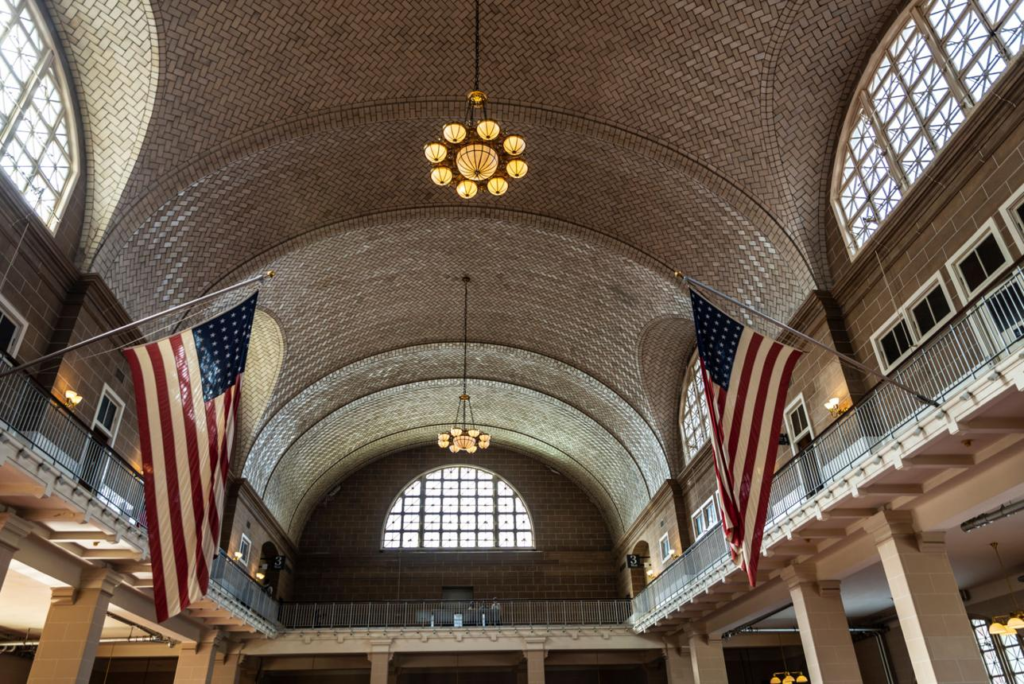
Between 1892 and 1954, more than 12 million immigrants passed through Ellis Island. For many arriving families, the Statue of Liberty was the first major symbol of their new home. It represented hope, economic opportunity, and freedom from political instability.
Today, visitors often discover that the landmark tells a broader story about immigration, citizenship, and the ongoing debate about who becomes part of the American story. The monument remains relevant because immigration continues to influence the nation’s culture, workforce, and identity.
What does the Statue of Liberty reveal about American history?
- The importance of immigration in population growth
- America’s role as a destination for newcomers
- The evolution of citizenship and national identity
- The connection between democratic ideals and public symbolism
The Lincoln Memorial and the Ongoing Pursuit of Equality

The Lincoln Memorial is often associated with President Abraham Lincoln and the preservation of the Union during the Civil War.
Yet the memorial’s significance extends far beyond Lincoln himself.
In 1963, the site became the backdrop for one of the most influential moments in American history when Martin Luther King Jr. delivered his famous “I Have a Dream” speech during the March on Washington.
This connection transformed the memorial into a symbol of civil rights and equality. Visitors standing on its steps can reflect on multiple chapters of American history simultaneously: the Civil War, emancipation, civil rights activism, and continuing conversations about racial justice.
The memorial demonstrates how landmarks can acquire new meanings as different generations reinterpret them.
The Golden Gate Bridge and America’s Engineering Ambition
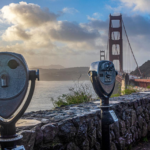
When the Golden Gate Bridge opened in 1937, it represented a remarkable engineering achievement.
At the time, constructing a suspension bridge across the challenging waters of the Golden Gate Strait seemed nearly impossible. Engineers overcame strong currents, high winds, and difficult terrain to complete what became one of the world’s most recognizable structures.
The bridge reveals an important chapter of American history: the nation’s confidence in innovation and large-scale infrastructure projects during the twentieth century.
Visitors often focus on the bridge’s beauty, but its historical importance lies in what it says about American problem-solving and technological progress. It reflects an era when major public works projects transformed transportation, commerce, and urban development.
What can travelers learn from the Golden Gate Bridge?
- Advances in engineering and design
- Economic growth during the early twentieth century
- Infrastructure’s role in regional development
- America’s tradition of ambitious construction projects
Mount Rushmore and the Complex Story of National Identity
Mount Rushmore National Memorial is among America’s most recognizable landmarks, featuring the faces of four presidents: George Washington, Thomas Jefferson, Theodore Roosevelt, and Abraham Lincoln.
The monument was designed to celebrate national achievement and leadership. However, modern discussions surrounding Mount Rushmore often include the history of the Black Hills and their significance to Indigenous communities.
This dual narrative makes the site particularly valuable for understanding American history. It demonstrates how landmarks can embody both national pride and historical complexity.
Rather than presenting a simple story, Mount Rushmore encourages visitors to examine multiple perspectives and understand how historical interpretations evolve over time.
Independence Hall and the Birth of American Democracy

7
For travelers seeking the origins of the United States, few destinations are more important than Independence Hall.
This historic building hosted debates that produced both the Declaration of Independence and the U.S. Constitution. Decisions made within its walls continue to shape American government today.
What makes Independence Hall especially significant is its ability to connect abstract political ideas with a physical location. Visitors can see where delegates argued, negotiated, and ultimately established a framework for democratic governance.
The landmark reveals that American democracy was not inevitable. It emerged through compromise, debate, and experimentation—lessons that remain relevant in contemporary politics.
The National Mall as a Timeline of American Values
The National Mall functions almost like an outdoor history book.
Stretching through the center of Washington, D.C., it includes memorials dedicated to presidents, veterans, civil rights leaders, and major historical events. Each monument reflects the values that Americans chose to commemorate at a particular moment.
Walking the National Mall allows visitors to trace the nation’s evolving priorities:
- Independence and nation-building
- Preservation of the Union
- Expansion of democracy
- Military service and sacrifice
- Civil rights progress
- Public remembrance
Because new memorials continue to be added, the National Mall demonstrates that history is never static. The stories a nation chooses to honor often change as society changes.
National Parks and the American Conservation Movement

6
America’s landmarks are not limited to monuments and buildings. National parks reveal another important chapter of the country’s history.
Places such as Yellowstone National Park, Yosemite National Park, and Grand Canyon National Park illustrate the development of the conservation movement.
The establishment of Yellowstone in 1872 as the world’s first national park reflected a growing belief that certain natural landscapes should be preserved for future generations.
These parks reveal changing attitudes toward land use, environmental stewardship, recreation, and public access. They also highlight ongoing conversations about Indigenous history and land management.
For modern visitors, national parks provide insight into how Americans have balanced economic development with environmental preservation.
Why Travelers Are Looking Beyond Surface-Level Sightseeing
Modern travelers increasingly seek experiences that provide context rather than simply photo opportunities.
Research from tourism organizations consistently shows growing interest in cultural heritage travel, educational tourism, and historically significant destinations. Visitors want to understand the stories behind the places they visit.
This shift has encouraged museums, visitor centers, historical societies, and park services to offer:
- Guided interpretation programs
- Historical reenactments
- Digital storytelling experiences
- Interactive exhibits
- Community-based cultural tours
As a result, many iconic landmarks now provide richer historical experiences than ever before.
How to Experience American Landmarks More Meaningfully
Travelers hoping to gain deeper insight from famous landmarks can benefit from a few practical strategies.
First, spend time researching the site’s historical background before arriving. Understanding major events and historical figures helps visitors recognize details they might otherwise overlook.
Second, visit associated museums and visitor centers. These facilities often provide context unavailable from photographs or observation alone.
Third, explore surrounding neighborhoods and communities. History rarely exists in isolation; nearby districts often reveal additional layers of the story.
Finally, seek multiple perspectives. Many landmarks involve complex histories that include diverse viewpoints and experiences.
By approaching landmarks as historical documents rather than attractions alone, travelers can develop a richer understanding of American history.

Frequently Asked Questions
1. Why are landmarks important to understanding American history?
Landmarks provide physical evidence of major historical events, cultural changes, political developments, and social movements that shaped the nation.
2. What is the most visited historic landmark in America?
Several landmarks attract millions of visitors annually, including the Statue of Liberty, Lincoln Memorial, and sites along the National Mall.
3. How does the Statue of Liberty relate to immigration?
It became a symbol of hope for millions of immigrants arriving through Ellis Island during the late nineteenth and early twentieth centuries.
4. Why is Independence Hall historically significant?
It is where the Declaration of Independence and the U.S. Constitution were debated and adopted.
5. What does Mount Rushmore represent?
The monument celebrates presidential leadership while also prompting discussions about Indigenous history and national identity.
6. Why are national parks considered historical landmarks?
They reflect the development of conservation policies and changing American attitudes toward environmental preservation.
7. How can travelers learn more during landmark visits?
Guided tours, museum exhibits, ranger programs, historical publications, and local cultural experiences can provide deeper context.
8. What landmark best represents civil rights history?
The Lincoln Memorial is closely associated with the Civil Rights Movement because of Martin Luther King Jr.’s 1963 speech.
9. Are landmarks still relevant today?
Yes. They continue to influence public memory, education, tourism, and discussions about national identity.
10. What makes a landmark iconic?
Historical significance, cultural recognition, architectural distinction, and enduring public relevance all contribute to iconic status.