
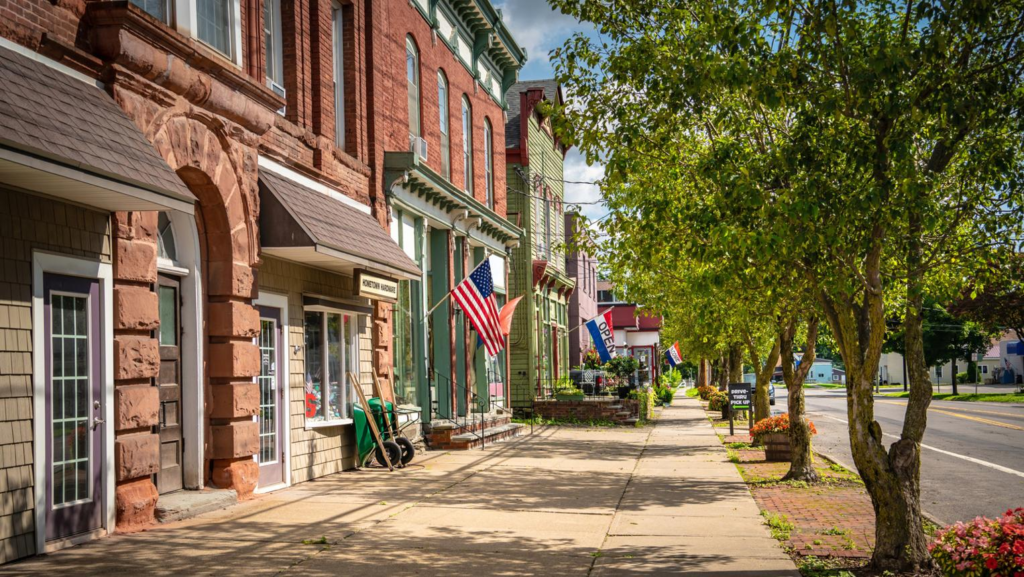
Food has become one of the most influential factors shaping travel decisions across the United States. Increasingly, travelers are planning trips around regional cuisines, local producers, food festivals, and culinary traditions rather than famous landmarks alone. The growing flavor trail movement reflects a broader desire for authentic experiences, meaningful cultural connections, and deeper exploration of communities through the foods they create, serve, and celebrate.
How Food Became a Primary Travel Motivation
Not long ago, food was often considered a secondary part of travel planning. Travelers selected a destination based on beaches, national parks, historical attractions, or major cities, then searched for restaurants after arriving. Today, that pattern has changed dramatically.
Across the United States, travelers increasingly build entire itineraries around culinary experiences. Whether it’s exploring barbecue trails in Texas, seafood routes in New England, wine regions in California, or farm-to-table destinations in the Midwest, food has become a central reason for choosing where to go.
Several factors have contributed to this shift. Social media has made regional specialties more visible than ever before. Streaming documentaries and travel shows have introduced audiences to local food traditions. At the same time, many travelers have become more interested in understanding culture through everyday experiences rather than checking famous attractions off a list.
Food offers something unique that museums, monuments, and landmarks often cannot: direct participation. Visitors can taste, learn, interact, and engage with local communities in a personal way.
What Is a Flavor Trail?
A flavor trail is a travel experience built around a collection of culinary destinations connected by geography, culture, or food traditions.
Unlike a traditional food tour that may last a few hours, flavor trails often span entire regions and encourage travelers to explore multiple communities.
Examples include:
- Barbecue trails across Texas
- Bourbon trails in Kentucky
- Cheese trails in Wisconsin
- Seafood trails along coastal New England
- Wine routes throughout California
- Farm-to-fork experiences across agricultural regions
- Southern comfort food journeys through multiple states
These trails combine food with storytelling. Travelers learn about local history, agricultural practices, family traditions, immigrant influences, and regional identities while enjoying distinctive cuisine.
The result is a richer travel experience that extends beyond simply eating at popular restaurants.
Why Travelers Are Seeking More Authentic Experiences
Modern travelers increasingly prioritize authenticity.
Rather than visiting destinations designed primarily for tourists, many Americans want experiences that feel connected to local life. Food naturally serves as an entry point into that goal.
A family-owned barbecue restaurant operating for three generations often reveals more about a community’s history than a brochure ever could. A visit to a working farm offers insights into regional agriculture and sustainability practices. Conversations with bakers, fishermen, ranchers, and chefs create opportunities for genuine cultural exchange.
Food experiences also tend to be less scripted.
While major attractions often follow predictable formats, local culinary experiences frequently involve spontaneous interactions and personal stories. Travelers value these moments because they create memorable connections to places and people.
This desire for authenticity is particularly strong among younger travelers, but it increasingly spans all age groups.
The Role of Regional Identity in Culinary Tourism
One reason flavor trails resonate with travelers is that food serves as a powerful expression of regional identity.
Every region develops unique culinary traditions shaped by geography, climate, migration patterns, and cultural influences.
For example:
- Louisiana combines French, African, Spanish, and Native American influences.
- Texas showcases distinctive barbecue traditions that vary by region.
- New England reflects centuries of maritime culture through seafood-focused cuisine.
- The Southwest blends Indigenous, Mexican, and American culinary heritage.
- The Pacific Northwest emphasizes local seafood, agriculture, and sustainable sourcing.
When travelers follow flavor trails, they gain a deeper understanding of these regional differences.
Food becomes a lens through which larger cultural stories can be understood.
Rather than seeing America as a single culinary landscape, travelers discover the remarkable diversity that exists from one region to another.

How Small Towns Are Benefiting from the Flavor Trail Movement
One of the most interesting developments in culinary tourism is its impact on smaller communities.
Major cities remain popular food destinations, but flavor trails often direct visitors toward towns that might otherwise receive limited tourism attention.
A traveler exploring a barbecue trail may visit several small Texas communities. Someone following a cheese trail may spend time in rural Wisconsin. Wine tourism frequently introduces visitors to agricultural regions they might never have considered.
This creates economic opportunities across multiple sectors:
- Restaurants
- Farms
- Hotels
- Bed-and-breakfast properties
- Retail shops
- Local attractions
- Transportation providers
The benefits often extend beyond tourism revenue alone. Increased visitor interest can help preserve culinary traditions, support local producers, and strengthen community pride.
For many rural destinations, food has become an important economic development tool.
Social Media’s Influence on Culinary Travel
Social media has accelerated the growth of flavor-focused tourism.
Platforms filled with food photography, travel recommendations, and local dining discoveries expose travelers to destinations they may never have encountered through traditional tourism marketing.
However, the impact goes beyond visually appealing meals.
Travelers increasingly seek experiences that have a compelling story behind them. A family-run oyster farm, a historic diner, a fourth-generation bakery, or a local food festival often generates significant interest because it represents something unique and place-specific.
Social media allows these stories to reach audiences far beyond their local communities.
At the same time, travelers have become more selective. Many now prioritize recommendations from trusted creators, local experts, and firsthand experiences over generic rankings.
As a result, lesser-known destinations often gain visibility alongside major culinary hotspots.
The Growing Popularity of Farm-to-Table Travel
Farm-to-table experiences have become an important part of the flavor trail movement.
Many travelers want to understand where their food comes from and how it reaches their plate.
This interest has led to increased demand for:
- Farm tours
- Vineyard visits
- Farmers market experiences
- Agricultural festivals
- Artisan food workshops
- Cooking classes featuring local ingredients
These experiences provide educational value while supporting local producers.
Visitors often leave with a greater appreciation for agriculture, seasonal ingredients, and sustainable food systems.
In regions with strong farming traditions, culinary tourism has become closely connected to agritourism, creating diverse experiences that appeal to families, couples, and solo travelers alike.
Food Festivals as Travel Anchors
Food festivals play a major role in attracting visitors and supporting flavor trails.
Many communities organize annual events that celebrate local specialties and culinary heritage.
Popular examples include:
- Seafood festivals
- Barbecue competitions
- State fair food events
- Wine festivals
- Harvest celebrations
- Regional cultural food festivals
These gatherings offer concentrated opportunities for travelers to sample local cuisine, meet producers, and experience community traditions.
Importantly, festivals often encourage visitors to extend their stay and explore surrounding attractions, creating broader economic benefits for destinations.
For many travelers, a food festival serves as the starting point for a larger culinary journey.

How Travelers Can Build Their Own Flavor Trail
Creating a personalized flavor trail does not require following an official route.
Many of the most rewarding culinary trips are self-designed.
Travelers can begin by identifying a region known for a specific food tradition and then researching local producers, restaurants, markets, and events.
Helpful planning strategies include:
- Research regional specialties before traveling
- Mix famous establishments with lesser-known local favorites
- Visit farms, markets, and producers when possible
- Attend seasonal food festivals
- Explore multiple communities rather than one destination
- Speak with locals for recommendations
- Leave flexibility for unexpected discoveries
The goal is not simply to eat as much as possible but to understand how food connects to local culture, history, and identity.
Are Flavor Trails Changing the Future of Tourism?
Many tourism experts believe culinary travel will continue growing in importance.
Several long-term trends support this outlook:
- Increased interest in experiential travel
- Demand for authentic local experiences
- Growth of sustainable tourism
- Rising interest in regional culture
- Expansion of agritourism opportunities
- Greater consumer curiosity about food production
Destinations increasingly recognize food as a powerful tourism asset. States, cities, and local organizations are investing in culinary marketing initiatives, official food trails, and visitor experiences centered on regional cuisine.
As travelers continue seeking meaningful connections with places they visit, food is likely to remain one of the most effective ways to create those connections.
Following the Stories Behind Every Bite
The flavor trail movement reflects a broader shift in how Americans think about travel. Increasingly, people are looking beyond traditional sightseeing and toward experiences that create genuine connections with communities and cultures.
Food offers a uniquely accessible way to understand a destination. It combines history, geography, tradition, creativity, and human connection in a single experience. Whether exploring a coastal seafood town, a rural farming community, or a bustling urban food market, travelers discover that every meal tells a story.
As culinary tourism continues to evolve, flavor trails are helping travelers see destinations not just through landmarks and attractions, but through the people and traditions that shape local cuisine every day.

Frequently Asked Questions
1. What is a flavor trail?
A flavor trail is a travel route or experience centered around regional foods, beverages, producers, restaurants, and culinary traditions within a specific area.
2. Why are food-focused vacations becoming more popular?
Travelers increasingly seek authentic, immersive experiences that help them connect with local culture, history, and communities.
3. Are flavor trails only for food enthusiasts?
No. Flavor trails appeal to families, couples, solo travelers, and anyone interested in learning about local culture through food.
4. Which states are known for popular flavor trails?
Texas, Kentucky, California, Louisiana, Wisconsin, Maine, Oregon, and North Carolina are among the states known for strong culinary tourism experiences.
5. How do flavor trails benefit local communities?
They support restaurants, farms, small businesses, lodging providers, and local attractions while helping preserve regional culinary traditions.
6. What is the difference between a food tour and a flavor trail?
Food tours are typically short experiences in a single location, while flavor trails often involve multi-day journeys across multiple destinations.
7. Can travelers create their own flavor trail?
Yes. Many travelers design custom culinary itineraries based on regional specialties, local recommendations, and seasonal events.
8. Are flavor trails expensive?
Not necessarily. Experiences range from affordable local markets and diners to premium dining and winery visits.
9. How does agritourism connect to flavor trails?
Agritourism allows travelers to visit farms, vineyards, orchards, and producers, creating a deeper understanding of food production and local agriculture.
10. What makes culinary tourism different from traditional tourism?
Culinary tourism emphasizes cultural immersion, local interaction, and experiential learning through food and beverage experiences.