
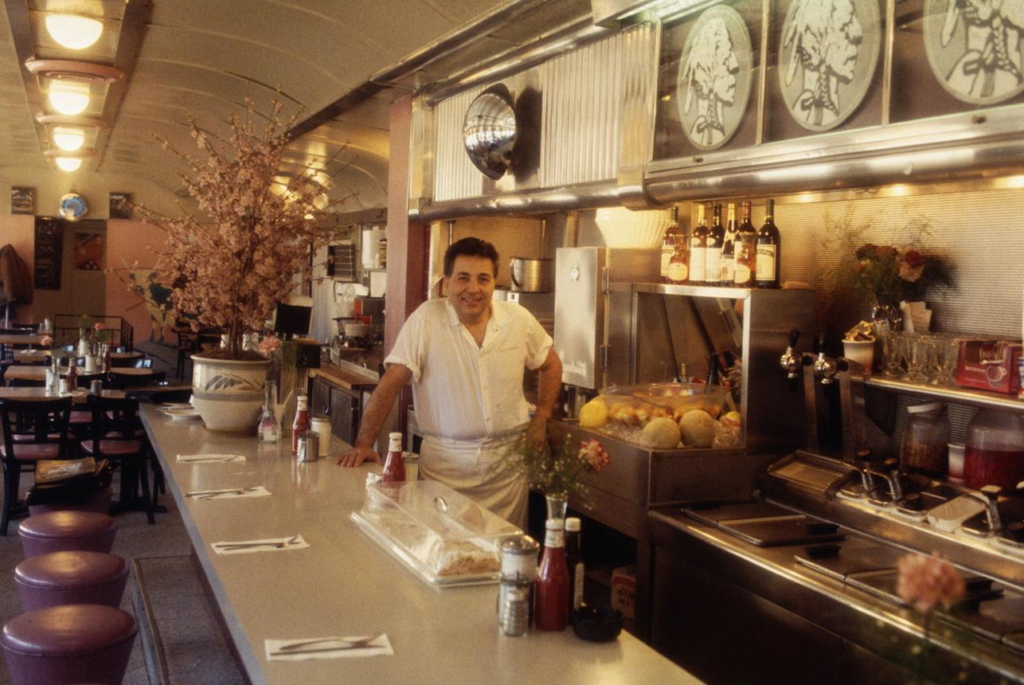
Regional food journeys are becoming one of the most meaningful ways to experience America. Travelers are increasingly choosing destinations based on local cuisine, agricultural traditions, and cultural heritage rather than famous landmarks alone. From barbecue routes in the South to seafood trails along the coasts, flavor-focused travel offers deeper connections with communities, supports local economies, and reveals stories that traditional tourism often overlooks.
The Rise of Food-Centered Travel in America
For decades, American travel was largely defined by iconic attractions, national parks, major cities, and famous landmarks. While those destinations remain popular, a growing number of travelers are planning trips around something far more personal: food.
The concept of the “flavor trail” has emerged as a powerful travel trend. Rather than simply eating while traveling, people are now traveling specifically to explore regional cuisines, local ingredients, family-owned restaurants, farmers markets, food festivals, and culinary traditions that define a place.
Food tourism is no longer reserved for gourmet enthusiasts. Families, retirees, solo travelers, and younger generations alike are seeking experiences that help them understand local culture through meals and food traditions. Research from multiple tourism organizations has consistently shown that culinary experiences rank among the most memorable parts of travel.
The appeal is easy to understand. Food connects visitors directly to history, geography, migration patterns, agriculture, and community identity. A bowl of gumbo in Louisiana, a lobster roll in Maine, or smoked brisket in Texas tells a story that extends far beyond the plate.
What Is a Flavor Trail?
A flavor trail is a travel route built around regional food experiences. Unlike a traditional sightseeing itinerary, a flavor trail encourages travelers to explore multiple locations connected by a culinary theme.
Examples include:
- Barbecue trails across Texas
- Bourbon and food pairings in Kentucky
- Seafood routes along New England’s coast
- Farm-to-table experiences in California wine regions
- Cheese and dairy trails in Wisconsin
- Hatch chile routes in New Mexico
- Oyster trails along the Atlantic coast
These journeys combine restaurants, local producers, farms, markets, museums, and cultural landmarks into a single travel experience.
What makes flavor trails especially appealing is their flexibility. Travelers can spend a weekend exploring a single culinary region or build an extended road trip around multiple food destinations.
Why Travelers Are Seeking More Authentic Experiences
Modern travelers increasingly value authenticity over checklists.
Rather than rushing between attractions for photos, many people want experiences that feel personal and memorable. Food naturally supports this goal because it places visitors in direct contact with local residents, business owners, farmers, chefs, and artisans.
Consider two different travel experiences:
A traveler visits a famous city landmark, takes a few photos, and moves on.
Another traveler spends an afternoon at a family-owned seafood shack where the owner explains generations of fishing traditions while serving freshly caught local fish.
The second experience often creates a stronger emotional connection because it involves storytelling, human interaction, and local culture.
Flavor trails provide these opportunities repeatedly throughout a journey.
Travelers often report that conversations with restaurant owners, farmers, brewers, and market vendors become some of the most memorable moments of their trips.
Regional Food as a Window Into American History
One reason flavor trails resonate so strongly is that regional foods often reflect centuries of history.
America’s culinary landscape has been shaped by Indigenous traditions, immigration, agriculture, trade routes, and local environmental conditions.
In the South, barbecue traditions differ dramatically from state to state. North Carolina emphasizes pork and vinegar-based sauces, while Texas is known for smoked beef brisket.
In Louisiana, Cajun and Creole cuisines reflect French, African, Spanish, Caribbean, and Native American influences.
Throughout the Midwest, German, Scandinavian, and Eastern European immigrant communities helped shape local food traditions that remain visible today.
In New Mexico, Native American, Hispanic, and frontier influences combine to create one of the country’s most distinctive regional cuisines.
Travelers following flavor trails often discover historical narratives they might never encounter through conventional tourism experiences.
How Local Communities Benefit From Flavor Tourism
Flavor trails do more than enrich travelers. They also provide meaningful economic opportunities for local communities.
Unlike large-scale tourism concentrated around major attractions, culinary tourism often distributes spending across multiple small businesses.
Visitors may spend money at:
- Family-owned restaurants
- Independent bakeries
- Farmers markets
- Craft breweries
- Specialty food producers
- Local farms
- Food festivals
- Small lodging businesses
This distribution helps strengthen regional economies and supports businesses that preserve local traditions.
For rural communities in particular, food tourism can become an important economic driver. A small town known for a specialty product, such as maple syrup, peaches, oysters, or artisan cheese, can attract visitors who might otherwise never stop there.
As travelers increasingly seek unique experiences, these communities gain new opportunities to showcase their heritage and create sustainable tourism revenue.

The Road Trip Revival and Culinary Exploration
The growing popularity of flavor trails aligns closely with America’s renewed interest in road trips.
Road travel allows visitors to explore smaller destinations often overlooked by traditional tourism routes. It also provides flexibility to stop at local diners, roadside markets, specialty shops, and hidden culinary gems.
Many travelers are now planning road trips around food themes rather than geographic landmarks alone.
Popular examples include:
- Southern barbecue road trips
- Pacific Coast seafood journeys
- Midwestern comfort food routes
- Southwest chile and taco trails
- Appalachian food heritage tours
These itineraries encourage slower travel and deeper engagement with local communities.
Instead of focusing solely on arrival, the journey itself becomes the primary experience.
Technology Is Making Flavor Trails Easier to Discover
The rise of digital travel planning has accelerated culinary tourism.
Travelers can now discover local food destinations through:
- Online reviews
- Food-focused travel blogs
- Social media recommendations
- Digital tourism guides
- Interactive culinary maps
- Regional tourism websites
- Video travel content
Technology has made it easier to find hidden local favorites that previously depended on word-of-mouth recommendations.
At the same time, travelers are becoming more selective. Many actively seek businesses with strong community ties, local sourcing practices, and authentic regional identities.
This shift benefits independent establishments that may not have large marketing budgets but offer distinctive experiences.
The Growing Appeal of Farm-to-Table Travel
Farm-to-table travel represents one of the fastest-growing segments within flavor tourism.
Many travelers want to understand where food comes from and how it reaches their plates.
Farm visits, vineyard tours, orchard experiences, and agricultural festivals offer opportunities to connect with food production in meaningful ways.
Popular experiences include:
- Apple harvest festivals
- Vineyard tours and tastings
- Farm dinners
- Ranch visits
- U-pick fruit experiences
- Cheese-making demonstrations
- Oyster farm tours
These activities create educational experiences while supporting local agriculture.
For families, farm-focused travel can be especially valuable because it combines entertainment, learning, and outdoor recreation.
Sustainability and Conscious Travel Choices
Another factor driving flavor trails is the growing interest in sustainable tourism.
Many travelers want their spending to support local communities rather than large tourism chains.
Regional food journeys often align naturally with these goals because they emphasize:
- Locally sourced ingredients
- Independent businesses
- Reduced transportation distances
- Agricultural preservation
- Cultural heritage protection
- Community-based tourism
While no form of travel is entirely impact-free, culinary tourism can encourage more responsible travel habits when visitors prioritize local businesses and regional products.
This approach helps preserve traditions that might otherwise disappear under economic pressures and changing consumer preferences.
What Makes a Great Flavor Trail Experience?
Not every food-related trip creates the same level of engagement.
The most successful flavor trail experiences typically share several characteristics.
First, they tell a story. Travelers want to understand how food connects to local history and identity.
Second, they provide opportunities for interaction. Conversations with producers, chefs, and community members often become highlights of the journey.
Third, they showcase regional uniqueness. Visitors are looking for foods and traditions that cannot be replicated elsewhere.
Finally, they balance discovery with accessibility. Travelers appreciate experiences that feel authentic without requiring specialized culinary knowledge.
When these elements come together, food becomes more than a meal—it becomes a gateway to understanding a destination.

Frequently Asked Questions
What is food tourism?
Food tourism, often called culinary tourism, involves traveling to experience local cuisine, food traditions, agricultural practices, and regional culinary culture.
Why are flavor trails becoming popular?
Travelers increasingly seek authentic experiences that connect them with local communities, culture, and history. Food provides a direct and memorable way to achieve that connection.
Are flavor trails only for food enthusiasts?
No. Flavor trails appeal to families, couples, solo travelers, and casual travelers who want deeper cultural experiences during their trips.
Which U.S. states are known for food trails?
Texas, Louisiana, Kentucky, Wisconsin, California, Maine, New Mexico, North Carolina, and Oregon are among the states known for distinctive culinary routes.
Can flavor trails be budget-friendly?
Yes. Many food-focused trips include affordable experiences such as farmers markets, local diners, food festivals, and farm visits.
How do flavor trails support local economies?
They direct visitor spending toward small businesses, farmers, producers, and independent restaurants that contribute to local economic development.
What role does history play in regional cuisine?
Regional foods often reflect immigration patterns, agricultural practices, cultural traditions, and historical events that shaped local communities.
Are food-focused road trips increasing in popularity?
Yes. Many travelers are embracing road trips because they allow flexible exploration of smaller towns and regional culinary destinations.
How can travelers find authentic local food experiences?
Local tourism boards, farmers markets, community recommendations, culinary guides, and regional food festivals are often reliable sources.
What is the future of flavor-trail travel?
Experts expect continued growth as travelers increasingly prioritize meaningful, experience-driven tourism that supports local culture and businesses.
Following America One Bite at a Time
Flavor trails are transforming the way Americans travel by shifting attention from attractions alone to the stories, traditions, and communities that define a destination. Through regional cuisine, travelers gain a richer understanding of local history, culture, and identity. Whether exploring barbecue towns in Texas, seafood communities in New England, or agricultural regions in California, food-centered journeys offer experiences that remain memorable long after the trip ends.
Snapshot of Key Insights
- Food tourism is becoming a major driver of travel decisions across America.
- Flavor trails connect travelers with local culture through regional cuisine.
- Culinary journeys support small businesses and local economies.
- Road trips and flavor trails complement each other naturally.
- Farm-to-table experiences are expanding rapidly.
- Technology helps travelers discover authentic local food destinations.
- Regional cuisine often reflects centuries of cultural and historical influences.
- Sustainable travel goals align closely with locally focused food tourism.
- Flavor trails encourage slower, more meaningful travel experiences.
- Authentic human connections remain the defining feature of culinary travel.