
Country trails are attracting more travelers who want meaningful, place-based experiences beyond crowded tourist destinations. These routes offer access to local culture, natural landscapes, historic communities, and slower-paced exploration. As interest in outdoor recreation and experiential travel grows, country trails provide opportunities to connect with regional traditions, support local economies, and discover parts of America that often remain overlooked.
Introduction
Travel preferences across the United States have been evolving in recent years. While iconic cities and major attractions continue to draw millions of visitors, many travelers are increasingly seeking experiences that feel more personal, immersive, and connected to local culture. Country trails—whether scenic driving routes, walking paths, heritage corridors, cycling networks, or rural exploration routes—have emerged as a compelling answer to that demand.
These trails offer something that many modern travelers value: authenticity. Instead of checking landmarks off a list, visitors can engage with landscapes, communities, traditions, and stories that have shaped regions for generations. From the rolling hills of Appalachia to the ranchlands of the American West, country trails invite travelers to slow down and experience destinations in a more meaningful way.
As tourism continues to evolve, country trails are becoming an increasingly popular choice for families, retirees, outdoor enthusiasts, history lovers, and younger travelers seeking unique adventures. Understanding why these routes resonate with modern travelers reveals broader changes in how Americans explore their own country.
The Growing Desire for Authentic Travel
One of the biggest shifts in tourism has been the growing interest in authentic experiences. Travelers increasingly want more than photographs and souvenirs. They want memorable interactions, local insights, and experiences that help them understand a place beyond its most famous attractions.
Country trails naturally support this type of travel. Unlike heavily commercialized destinations, rural routes often preserve the character and traditions of local communities. Visitors can stop at family-owned diners, historic general stores, small museums, artisan workshops, and working farms that reflect the area’s identity.
For example, a traveler exploring a rural trail in Kentucky may learn about traditional bluegrass music, regional food traditions, and local craftsmanship. Along a trail through New Mexico, visitors might encounter Native American cultural influences, historic adobe architecture, and locally produced art.
These encounters create memories that often feel more meaningful than standard tourist experiences.
Why Travelers Are Choosing Slower Journeys
Modern life often feels fast-paced and heavily scheduled. As a result, many travelers view vacations as opportunities to slow down rather than pack every hour with activities.
Country trails naturally encourage this slower style of travel.
Instead of rushing between airports, major attractions, and crowded city centers, travelers can:
- Explore at their own pace
- Stop spontaneously at local attractions
- Spend more time outdoors
- Enjoy scenic drives and walks
- Discover unexpected destinations
This flexibility appeals to travelers across age groups. Retirees appreciate relaxed exploration, while younger travelers often enjoy the freedom to build unique itineraries based on personal interests.
The concept aligns with the growing popularity of “slow travel,” a movement that emphasizes deeper engagement with destinations rather than visiting as many places as possible in a short period.
The Connection Between Country Trails and Outdoor Recreation
Outdoor recreation has become a major factor influencing travel decisions across the United States.
According to data from the outdoor recreation sector, participation in activities such as hiking, cycling, birdwatching, and nature photography has increased significantly over the past decade. Travelers are increasingly looking for destinations that provide access to natural environments while remaining accessible and affordable.
Country trails offer exactly that combination.
Many routes connect visitors with:
- Forests
- Rivers
- Lakes
- Mountains
- Prairies
- Wildlife habitats
- Scenic overlooks
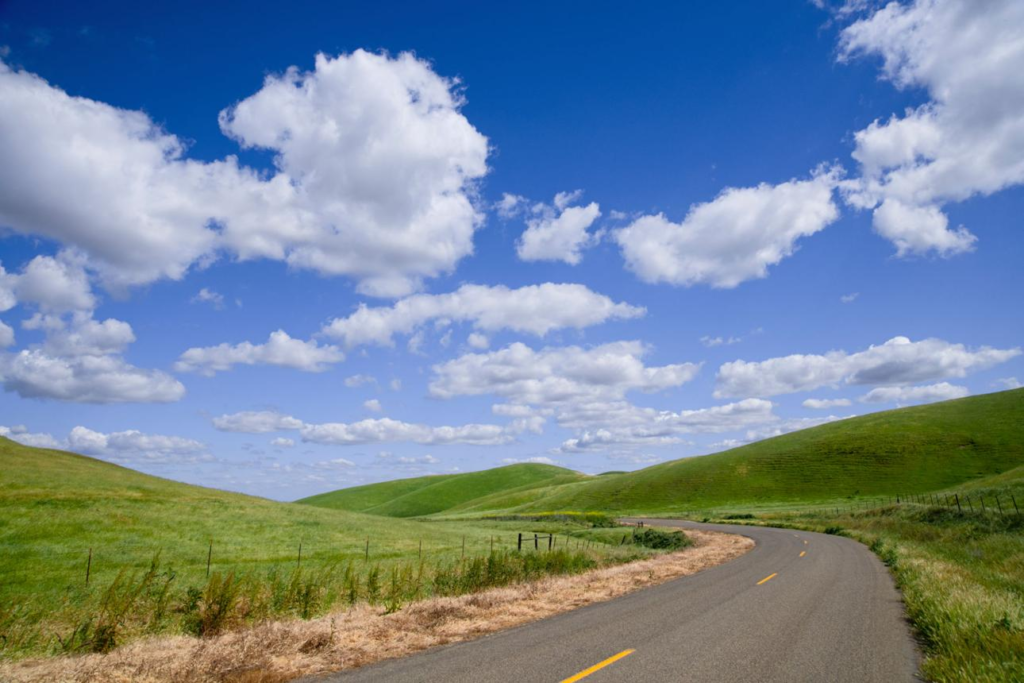
Unlike crowded national landmarks, many country trail destinations allow visitors to enjoy nature with fewer crowds and a greater sense of tranquility.
Families often appreciate these environments because they provide educational opportunities alongside recreation. Children can learn about ecosystems, local history, agriculture, and conservation while spending time outdoors.
Supporting Local Communities Through Trail Tourism
Another reason country trails are gaining popularity is their positive impact on local economies.
When travelers visit major tourist centers, spending often concentrates among large corporations and national chains. Country trail tourism tends to distribute economic benefits more broadly across smaller communities.
Visitors frequently spend money at:
- Independent restaurants
- Local lodging providers
- Farmers markets
- Artisan shops
- Regional attractions
- Family-owned businesses
This spending helps support jobs and preserves community character.
In many regions, trail-based tourism has become an important economic development strategy. Communities that may not attract large-scale tourism can still benefit from visitors interested in history, culture, outdoor recreation, and local experiences.
For travelers, knowing that their spending supports local residents often enhances the overall experience and provides a stronger sense of connection to the places they visit.
Historic Trails Offer Living Lessons in American History
Many country trails serve as pathways through American history.
Historic routes allow travelers to experience stories that textbooks can only partially convey. Instead of reading about historical events, visitors can stand in the locations where those events occurred.
Examples include trails associated with:
- Early settlement routes
- Civil War history
- Indigenous heritage
- Railroad development
- Agricultural traditions
- Pioneer migration
- Cultural heritage corridors
These routes transform history into a tangible experience.
Travelers can explore preserved buildings, historic landscapes, interpretive centers, and local museums that provide context and perspective. This hands-on learning appeals to families, educators, and lifelong learners alike.
The ability to combine recreation with education is one of the factors that makes country trails particularly attractive.
Technology Is Making Trail Exploration Easier
Ironically, technology has helped fuel interest in experiences that feel less connected to technology.
Modern travelers can now use digital tools to discover rural destinations that previously received little attention.
Popular resources include:
- GPS navigation apps
- Trail mapping platforms
- Travel blogs
- Local tourism websites
- Mobile guide applications
- Social media recommendations
These tools reduce uncertainty and make independent exploration more accessible.
Travelers can locate scenic routes, identify attractions, read reviews, and plan stops before leaving home. At the same time, many country trails still provide opportunities to disconnect from constant digital distractions and enjoy more immersive experiences.
This balance between convenience and escape is particularly appealing to modern travelers.
What Makes Country Trails Different From Traditional Tourism Routes?
Traditional tourism often focuses on a small number of highly visible attractions. Country trails offer a broader and more diverse experience.
Instead of a single destination, the journey itself becomes part of the attraction.
Travelers frequently discover:
- Small towns with unique character
- Regional food specialties
- Local festivals
- Historic landmarks
- Scenic landscapes
- Cultural traditions
- Hidden attractions
The variety keeps exploration engaging and creates opportunities for genuine discovery.
Because many attractions are spread across multiple communities, travelers gain a richer understanding of a region’s identity rather than seeing only its most famous landmark.
The Appeal for Families and Multigenerational Travel
Country trails are particularly well suited to family travel.
Many routes offer activities that appeal to multiple generations simultaneously. Grandparents may enjoy historical sites, parents may appreciate scenic landscapes, and children may enjoy outdoor recreation or interactive exhibits.
Benefits include:
- Flexible schedules
- Affordable attractions
- Educational opportunities
- Outdoor activities
- Reduced crowd levels
- Opportunities for shared experiences
These characteristics make country trails attractive for reunions, road trips, and multigenerational vacations.
The ability to tailor activities to different interests helps create experiences that satisfy diverse travel preferences within a single group.
Food, Agriculture, and Regional Identity
Food plays an important role in authentic travel experiences.
Country trails frequently introduce travelers to regional culinary traditions that are difficult to experience in large urban tourist districts.
Visitors may encounter:
- Farm-to-table restaurants
- Historic diners
- Local bakeries
- Regional barbecue traditions
- Family-owned wineries
- Farmers markets
- Specialty food producers
These experiences provide insight into local history, agriculture, and culture.
For example, a trail through the Midwest may highlight agricultural heritage, while routes in the South may showcase longstanding barbecue traditions and locally sourced ingredients.
Food becomes a gateway to understanding the people and communities that shape each region.
Sustainability and Responsible Travel
As travelers become more conscious of environmental and social impacts, country trails often align well with responsible tourism principles.
Many trail experiences encourage:
- Longer stays
- Local spending
- Outdoor recreation
- Heritage preservation
- Community engagement
- Conservation awareness
Rather than concentrating tourism in a few heavily visited destinations, trail-based travel can distribute visitor activity across wider geographic areas.
This approach may help reduce pressure on overcrowded attractions while creating economic opportunities for smaller communities.
For travelers interested in sustainability, country trails provide a practical way to support local economies while enjoying meaningful experiences.

Questions Travelers Frequently Ask About Country Trails
Are country trails only for hikers?
No. Many country trails include scenic driving routes, cycling corridors, heritage trails, walking paths, and mixed-use recreational routes.
Are country trails suitable for family vacations?
Yes. Many trails offer family-friendly attractions, educational stops, outdoor recreation opportunities, and flexible travel schedules.
Do country trails require advanced outdoor skills?
Not necessarily. Many routes are accessible to beginners and casual travelers. Difficulty levels vary depending on the trail type.
How can travelers find authentic local experiences along country trails?
Research local visitor centers, community events, family-owned businesses, and regional tourism organizations before traveling.
Are country trails affordable compared to traditional vacations?
In many cases, yes. Rural destinations often have lower lodging, dining, and activity costs than major tourist centers.
What should travelers pack for a country trail trip?
Comfortable clothing, weather-appropriate gear, water, navigation tools, first-aid supplies, and a camera are common essentials.
Are country trails available year-round?
Many are, although seasonal conditions may affect accessibility, activities, and scenery.
How do country trails benefit local communities?
Visitor spending supports small businesses, creates jobs, and helps preserve cultural and historical resources.
Can country trails be explored during weekend trips?
Absolutely. Many travelers enjoy short trail segments as weekend getaways while others plan longer multi-state journeys.
Why are country trails becoming more popular now?
Growing interest in authentic experiences, outdoor recreation, slow travel, and local culture has increased demand for these types of destinations.
Following the Roads Less Traveled
Country trails represent more than a travel trend. They reflect a broader shift toward meaningful exploration, community connection, and place-based experiences. Travelers increasingly want vacations that help them understand where they are rather than simply checking destinations off a list.
Whether winding through historic towns, agricultural landscapes, mountain valleys, or cultural heritage regions, country trails offer opportunities to experience America in a way that feels personal and memorable. Their appeal lies not only in beautiful scenery but also in the stories, traditions, and people encountered along the journey.
As travelers continue seeking experiences that balance recreation, learning, and authenticity, country trails are likely to remain an important part of the American travel landscape for years to come.
What Travelers Often Remember Most
- Country trails encourage slower, more meaningful exploration.
- Travelers gain deeper exposure to local culture and traditions.
- Rural routes often provide less crowded outdoor experiences.
- Historic trails bring American history to life.
- Local businesses benefit directly from visitor spending.
- Families appreciate the flexibility and educational value.
- Regional food experiences enhance cultural understanding.
- Technology has made trail discovery easier than ever.
- Country trails support responsible and community-focused tourism.
- Authenticity remains one of the strongest reasons for their growing popularity.