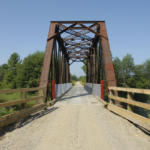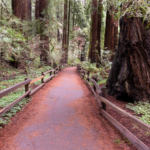

America’s country trails offer more than scenic walks. Travelers are discovering local history, wildlife habitats, small-town culture, regional food traditions, and opportunities for meaningful outdoor recreation. From rail-trails and mountain pathways to riverside routes and historic byways, these beloved trails provide experiences that connect visitors with landscapes and communities while supporting conservation, wellness, and sustainable tourism across the United States.
What Travelers Are Discovering Along America’s Most Beloved Country Trails
For many Americans, travel is increasingly about experiences rather than destinations alone. While major cities and famous landmarks continue to attract visitors, country trails throughout the United States are drawing growing interest from travelers seeking a deeper connection with nature, local culture, and regional history.
Whether winding through Appalachian forests, crossing Midwestern farmland, tracing historic rail corridors, or following scenic river valleys, country trails provide an opportunity to slow down and experience a different side of America. These routes are not simply pathways between locations. They often serve as living museums, wildlife corridors, community gathering places, and economic lifelines for nearby towns.
What travelers are discovering along these trails goes far beyond beautiful views. They are finding stories, traditions, ecosystems, and communities that help explain the character of the regions they pass through.
Why Country Trails Continue to Grow in Popularity
Outdoor recreation has become one of the most significant segments of the American travel economy. According to data from the U.S. Bureau of Economic Analysis and outdoor recreation organizations, outdoor activities contribute hundreds of billions of dollars annually to the U.S. economy.
Country trails appeal to a broad range of travelers because they offer flexibility. Some visitors want a multi-day hiking adventure, while others prefer a leisurely afternoon walk or bike ride. Families, retirees, solo travelers, and outdoor enthusiasts can all find routes suited to their interests and abilities.
Several factors are contributing to their popularity:
- Increased interest in wellness-focused travel
- Greater appreciation for nature and conservation
- Growth of cycling tourism
- Interest in authentic local experiences
- Expansion of converted rail-trails and greenways
- Accessibility for travelers of varying fitness levels
Unlike crowded tourist destinations, many country trails allow visitors to experience landscapes at a slower pace while avoiding large crowds.
Discovering America’s Hidden Historical Stories
One of the most rewarding aspects of exploring country trails is the opportunity to encounter history in unexpected places.
Many popular trails follow former railroad corridors that once connected rural communities and industrial centers. Others trace migration routes, Indigenous pathways, military roads, or historic trade networks.
Travelers often encounter:
- Preserved train depots
- Historic bridges
- Civil War landmarks
- Pioneer settlements
- Agricultural heritage sites
- Indigenous cultural markers
For example, sections of long-distance trails in the eastern United States pass through communities that played important roles during the American Revolution and westward expansion. Informational signs, local museums, and heritage centers frequently help visitors understand how these landscapes shaped American history.
Rather than reading about history in a classroom, travelers experience it within the environments where it unfolded.
Wildlife Encounters That Create Lasting Memories
Many travelers begin a trail journey hoping for scenic views but end up remembering the wildlife encounters most vividly.
Country trails often pass through habitats that support diverse animal populations. Depending on the region and season, visitors may observe:
- White-tailed deer
- Bald eagles
- Wild turkeys
- Elk
- Black bears
- River otters
- Migratory birds
- Native wildflowers and pollinators
Birdwatching has become especially popular along many trail systems. Rural pathways frequently intersect with migration corridors where visitors can observe species that are difficult to see in urban areas.
A traveler cycling through a Midwestern rail-trail may encounter nesting hawks and prairie wildflowers, while hikers in the Pacific Northwest might spot elk grazing near forest edges.
These experiences often inspire greater appreciation for conservation and habitat protection.
The Unexpected Appeal of Small-Town America
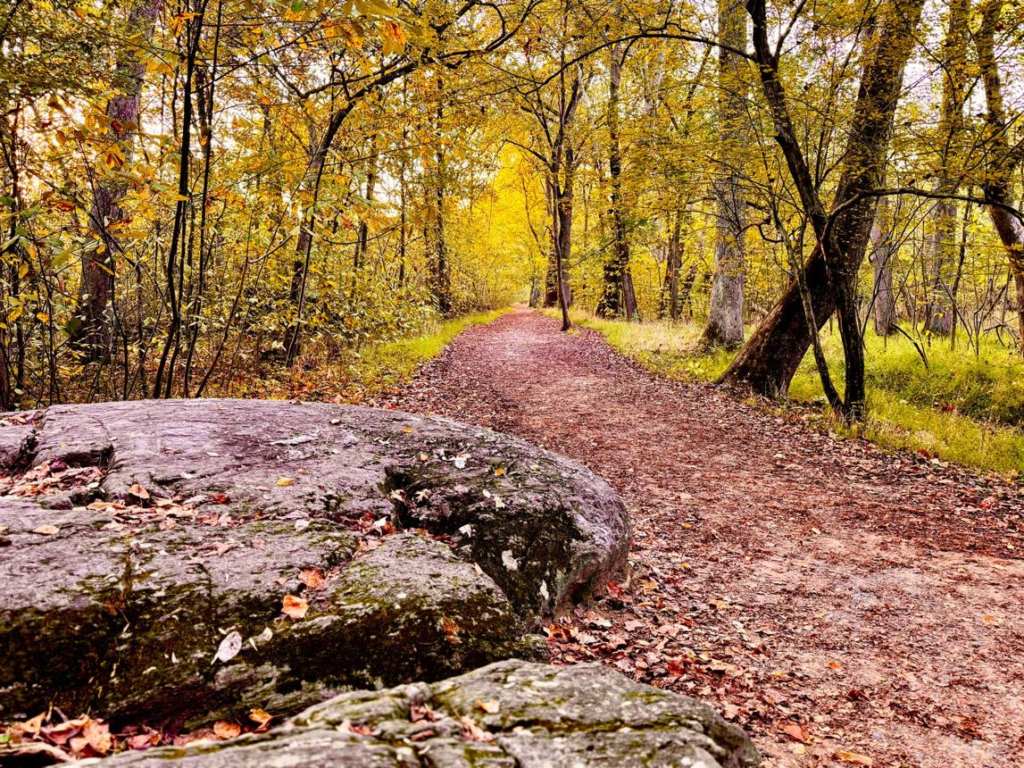
Perhaps one of the most surprising discoveries travelers report is the charm of the communities located along country trails.
Many trails connect towns that may not otherwise appear on traditional travel itineraries. Yet these communities often become highlights of the journey.
Visitors frequently discover:
- Locally owned cafés
- Historic downtown districts
- Artisan shops
- Family-run restaurants
- Farmers markets
- Community festivals
Trail tourism has helped many small towns attract visitors while preserving local character. Rather than large-scale commercial development, travelers often find authentic experiences rooted in regional traditions.
A cyclist traveling across a converted rail-trail may stop for homemade pie in a century-old diner or visit a local museum that tells the story of the area’s agricultural heritage.
These encounters create personal connections that many travelers remember long after their trip ends.
Scenic Landscapes Beyond National Parks
America’s national parks receive significant attention, but country trails often provide access to equally impressive scenery without requiring extensive travel planning.
Many beloved trails pass through:
- Mountain valleys
- Forested ridges
- Coastal wetlands
- Prairie grasslands
- River corridors
- Desert landscapes
- Agricultural regions
Travelers frequently discover that some of the most memorable views occur in places they had never previously heard of.
Unlike scenic overlooks reached by vehicle, trails encourage visitors to engage directly with the landscape. The gradual pace allows travelers to notice changing ecosystems, seasonal variations, and subtle geographic features that might otherwise be overlooked.
Why Trail Travelers Are Embracing Slower Travel
The concept of “slow travel” has gained traction among Americans seeking more meaningful experiences.
Country trails naturally support this approach.
Instead of rushing through multiple destinations in a short period, trail travelers often spend time observing local environments, meeting residents, and learning about regional traditions.
Benefits of slow trail travel include:
- Reduced travel stress
- More opportunities for cultural interaction
- Greater environmental awareness
- Improved physical activity
- Stronger connection to destinations
Many travelers report that walking or cycling through a region provides insights that are impossible to gain from driving through it.
The journey itself becomes the destination.
Regional Food Traditions Along Country Trails
Food is another discovery that surprises many trail visitors.
Country trails frequently pass through agricultural regions where local food traditions remain strong. Travelers often encounter restaurants and markets featuring ingredients sourced from nearby farms.
Popular discoveries include:
- Appalachian comfort foods
- Midwestern farm-to-table cuisine
- Southern barbecue traditions
- New England maple products
- Pacific Northwest seafood specialties
- Southwestern regional recipes
Food stops become more than opportunities to refuel. They provide insight into the history, economy, and culture of the surrounding area.
A trail journey may include conversations with farmers, bakers, or restaurant owners whose families have lived in the region for generations.
The Rise of Rail-Trails Across the United States
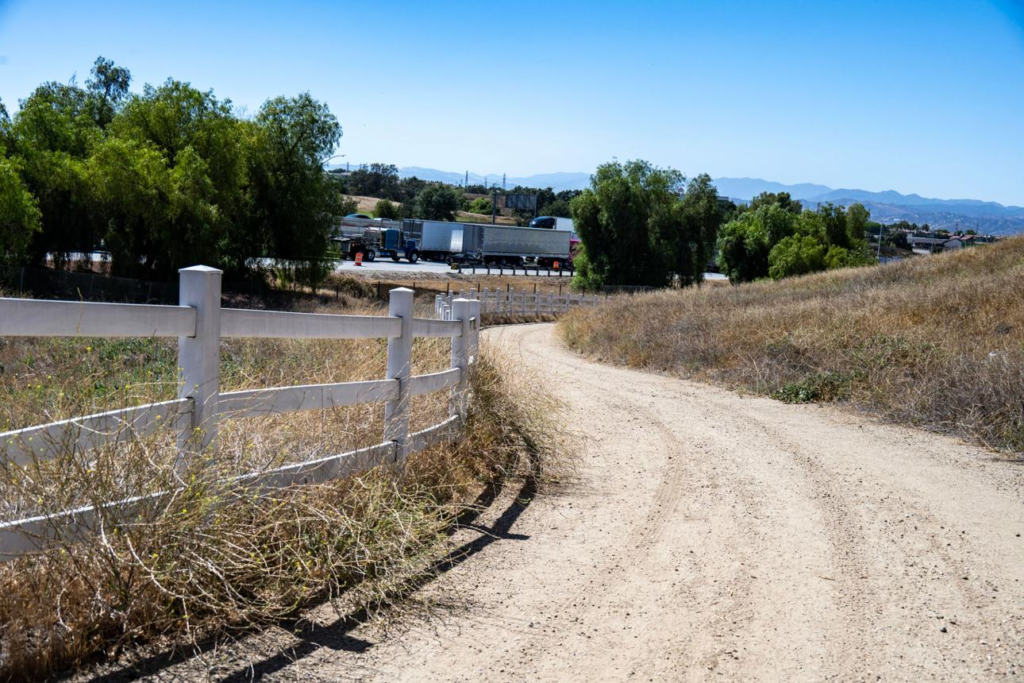
One of the most significant developments in outdoor recreation has been the growth of rail-trails.
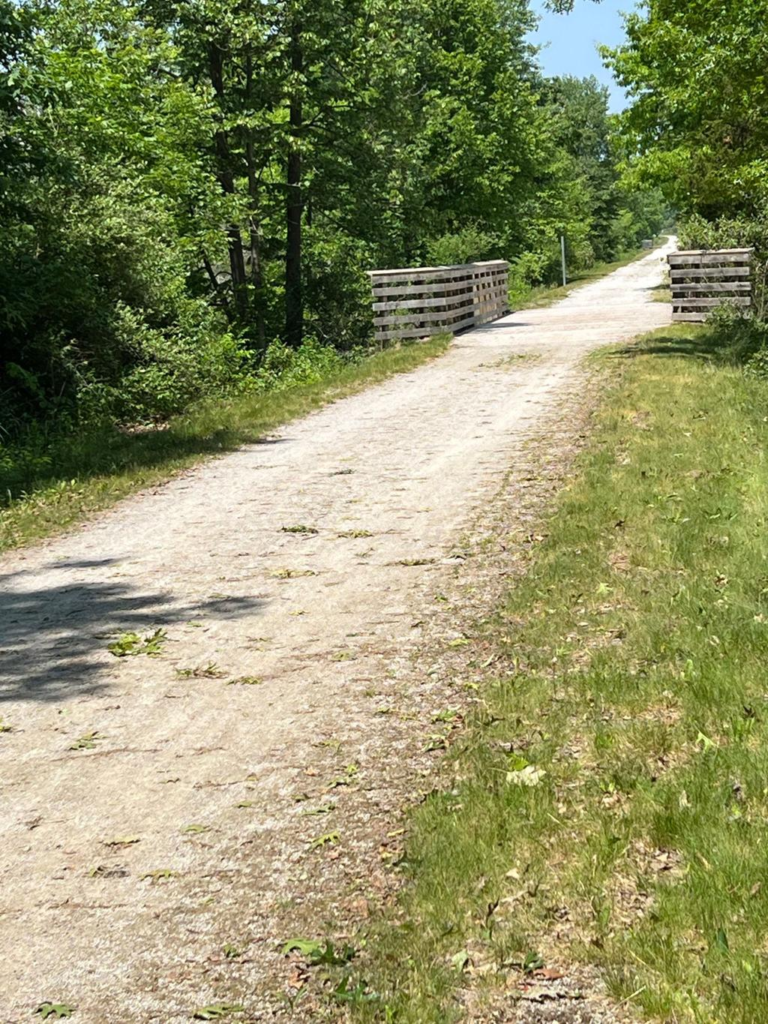
Former railroad corridors have been transformed into multi-use pathways that support walking, running, cycling, and other recreational activities.
Travelers appreciate rail-trails because they often feature:
- Gentle grades
- Well-maintained surfaces
- Historic infrastructure
- Scenic routes through rural landscapes
- Accessibility for diverse users
Many rail-trails connect multiple communities, creating extended travel experiences that combine recreation with local exploration.
These corridors demonstrate how historic transportation infrastructure can be repurposed to support modern tourism and community development.
Health and Wellness Benefits Travelers Appreciate
Country trail experiences often deliver benefits that extend beyond sightseeing.
Research consistently shows that spending time outdoors can support physical and mental well-being. Travelers frequently report feeling refreshed after trail-based vacations.
Common benefits include:
- Increased daily physical activity
- Reduced stress levels
- Improved mood
- Better sleep quality
- Enhanced focus and mental clarity
Many travelers choose trail vacations specifically because they combine recreation, nature exposure, and exploration in a single experience.
Unlike highly structured tours, trail travel often allows individuals to set their own pace and customize their experience.
Practical Tips for Exploring Country Trails
Travelers planning to visit America’s country trails can improve their experience with thoughtful preparation.
Before You Go
- Research trail length and difficulty
- Check seasonal weather conditions
- Review local regulations
- Download maps in advance
- Confirm parking and access points
During Your Visit
- Carry sufficient water
- Wear appropriate footwear
- Stay on designated paths
- Respect wildlife habitats
- Follow Leave No Trace principles
For Longer Trail Trips
- Reserve accommodations early
- Plan food and supply stops
- Inform others of your itinerary
- Carry emergency contact information
- Monitor changing weather forecasts
Preparation helps ensure a safer and more enjoyable experience while protecting trail resources for future visitors.
Frequently Asked Questions
1. What is considered a country trail?
A country trail is generally a recreational pathway located in rural or semi-rural areas that may be used for hiking, walking, cycling, horseback riding, or nature observation.
2. Are country trails suitable for beginners?
Yes. Many country trails offer easy terrain and short distances that are appropriate for beginners and families.
3. What should I bring on a trail outing?
Essentials include water, snacks, appropriate footwear, weather-appropriate clothing, a map, and a charged phone.
4. Are rail-trails different from hiking trails?
Yes. Rail-trails typically follow former railroad routes and often feature flatter grades and smoother surfaces than traditional hiking trails.
5. Can I bring children on country trails?
Many trails are family-friendly, though parents should review trail conditions and safety considerations beforehand.
6. What is the best season to explore country trails?
The ideal season depends on the region. Spring and fall are especially popular due to comfortable temperatures and scenic landscapes.
7. Are pets allowed on country trails?
Many trails permit pets, particularly dogs on leashes, though regulations vary by location.
8. How do country trails benefit local communities?
Trail tourism supports local businesses, encourages economic development, and promotes preservation of natural and historic resources.
9. Are country trails safe for solo travelers?
Most well-maintained trails are considered safe when travelers follow standard outdoor safety practices and inform others of their plans.
10. Why are more Americans choosing trail-based travel?
Many travelers value the combination of outdoor recreation, cultural experiences, wellness benefits, and authentic connections with local communities.
Following the Paths That Reveal America’s Character
America’s most beloved country trails are proving that meaningful travel often happens far from major tourist attractions. Along these routes, travelers are discovering local traditions, natural beauty, historical landmarks, wildlife habitats, and communities that reflect the diversity of the American landscape.
The appeal of these trails lies not only in where they lead, but in everything they reveal along the way. Each mile offers opportunities to learn, connect, and experience a slower, more thoughtful form of travel. As interest in authentic outdoor experiences continues to grow, country trails remain among the most rewarding ways to explore the nation’s landscapes and stories.
Highlights Worth Remembering
- Country trails offer history, nature, culture, and recreation in one experience.
- Trail tourism supports local economies and small-town communities.
- Wildlife encounters are among the most memorable aspects of trail travel.
- Rail-trails continue expanding access to outdoor recreation.
- Many trails provide scenic experiences beyond major national parks.
- Slow travel is becoming a major reason people choose trail adventures.
- Regional food traditions add cultural value to trail journeys.
- Outdoor recreation supports physical and mental well-being.
- Responsible trail use helps protect natural resources.
- Country trails provide authentic ways to experience America.