
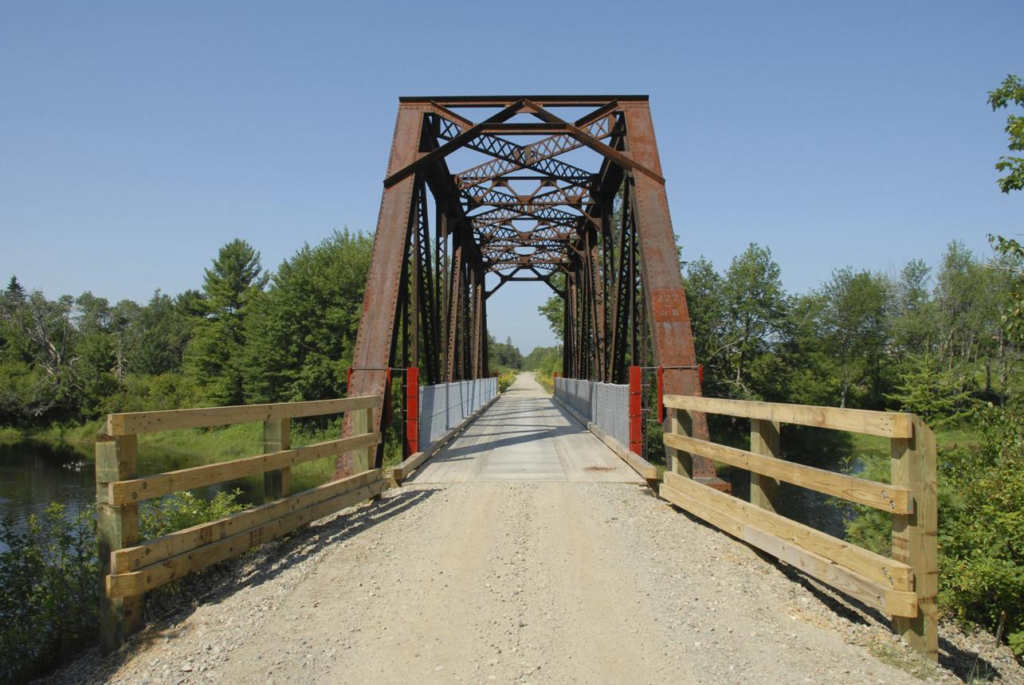
Country trails are more than recreational paths. Across the United States, they connect communities to local history, support small businesses, encourage healthy lifestyles, preserve natural landscapes, and strengthen regional identities. From converted rail corridors to centuries-old trading routes, these trails continue to influence economic development, tourism, education, and community engagement while providing accessible outdoor experiences for people of all ages.
Why Country Trails Remain Important in Modern America
Country trails have long served as pathways connecting people, towns, farms, forests, and waterways. While modern highways and transportation networks have changed how Americans travel, trails remain deeply woven into community life. Today, they function as recreational destinations, educational resources, economic drivers, and cultural landmarks.
Across rural and suburban America, trails offer residents opportunities to stay active, connect with nature, and explore local history. They also attract visitors seeking authentic experiences away from crowded tourist destinations. As communities increasingly focus on quality of life, sustainable development, and outdoor recreation, country trails continue to play a meaningful role.
Many Americans searching for outdoor activities are not necessarily looking for extreme adventures. Instead, they want accessible places where families can walk, cyclists can ride safely, and visitors can experience local character. Country trails meet these needs while creating broader benefits for the regions they serve.
The Evolution of Country Trails in the United States
Long before recreational trail systems existed, many trails served practical purposes. Indigenous peoples established extensive travel routes connecting regions across North America. Later, settlers, traders, and explorers expanded trail networks that facilitated commerce and migration.
Some of America’s most significant historic routes include:
- The Oregon Trail
- The Santa Fe Trail
- The Natchez Trace
- Early Appalachian pathways
- Former railroad corridors converted into recreational trails
Over time, many transportation routes lost their original functions. However, communities recognized their historical and recreational value. Through preservation efforts, numerous former rail lines and historic pathways have been transformed into multi-use trails that welcome walkers, runners, cyclists, and nature enthusiasts.
This evolution demonstrates how infrastructure can adapt to changing societal needs while preserving important cultural heritage.
How Trails Support Local Economies
One of the most significant benefits of country trails is their economic impact. Visitors traveling to trail destinations often spend money on lodging, dining, fuel, equipment, and local attractions.
Small towns located near popular trails frequently experience increased tourism activity. Businesses such as cafés, bed-and-breakfasts, outdoor outfitters, bike rental shops, and local retailers benefit from steady visitor traffic.
Consider communities located along rail-trail systems. Former railroad towns that once faced economic decline have found new opportunities through outdoor tourism. Trail users may stop for meals, stay overnight, or visit nearby museums and historical sites, creating additional revenue streams.
Economic benefits often include:
- Increased tourism spending
- New business opportunities
- Enhanced property values near trail systems
- Greater visibility for local attractions
- Expanded seasonal employment opportunities
Importantly, trail-related tourism often supports locally owned businesses rather than large commercial chains, helping money remain within the community.
Preserving Local History Through Trails
Many country trails function as outdoor museums. Walking or cycling along a historic route allows visitors to experience landscapes that shaped local and national history.
Interpretive signs, preserved structures, visitor centers, and educational programs help tell stories that might otherwise be forgotten. Historic bridges, former train depots, trading posts, and agricultural landmarks often become focal points along trail systems.
For example, visitors traveling sections of historic routes may learn about:
- Indigenous cultures and trade networks
- Early settlement patterns
- Agricultural development
- Railroad expansion
- Civil War history
- Regional industrial growth
Unlike traditional museums, trails allow people to engage directly with historical environments. This immersive experience often creates a deeper understanding of local heritage and encourages preservation efforts.
Communities that invest in historical interpretation along trails frequently strengthen civic pride and cultural identity.

Why Families and Residents Value Local Trails
For many Americans, country trails provide convenient access to outdoor recreation close to home. Unlike destination vacations, local trails can be enjoyed regularly throughout the year.
Families appreciate trails because they offer activities suitable for multiple generations. Grandparents, parents, and children can often use the same trail system together regardless of fitness level.
Residents commonly use trails for:
- Walking
- Running
- Cycling
- Birdwatching
- Nature photography
- Dog walking
- Community events
These shared experiences contribute to stronger social connections. Trails often become gathering places where neighbors meet, community groups organize events, and volunteers participate in conservation projects.
Research consistently shows that access to outdoor recreation can support physical and mental well-being. While trails alone are not a solution to public health challenges, they provide accessible opportunities for regular movement and outdoor engagement.
The Environmental Value of Trail Networks
Country trails frequently play an important role in environmental conservation. Many trail corridors protect green spaces that might otherwise face development pressure.
Converted rail corridors, riverfront trails, and protected pathways can serve as wildlife habitats and ecological connectors. These areas help preserve native vegetation while providing opportunities for environmental education.
Environmental benefits often include:
- Protection of natural landscapes
- Wildlife habitat preservation
- Improved public awareness of conservation issues
- Reduced dependence on vehicle transportation for short trips
- Support for local environmental stewardship initiatives
Many communities use trails as platforms for conservation education. Interpretive programs introduce visitors to native plants, local ecosystems, and responsible outdoor practices.
By connecting people to nature, trails can foster stronger support for environmental protection efforts.
How Trail Development Revitalizes Rural Communities
Rural communities face unique challenges, including population shifts, changing industries, and economic transitions. Trail development has emerged as one strategy that can contribute to revitalization efforts.
Successful trail projects often involve collaboration among local governments, nonprofit organizations, historical societies, businesses, and residents. These partnerships create opportunities for community engagement and long-term planning.
Trail investments can lead to improvements such as:
- Enhanced public spaces
- Improved signage and infrastructure
- Increased tourism marketing
- Community beautification projects
- Expanded recreational opportunities
Importantly, trails often help communities highlight assets they already possess rather than requiring entirely new attractions. Natural landscapes, historical resources, and local culture become central components of community development strategies.

What Makes Certain Country Trails Especially Popular?
Not all trails generate the same level of interest. The most successful country trails typically combine several appealing features.
Visitors often seek trails that offer:
- Scenic landscapes
- Historical significance
- Safe and accessible pathways
- Nearby amenities
- Clear signage
- Educational opportunities
- Connections to local businesses and attractions
Trails that tell compelling stories frequently stand out. Whether highlighting railroad history, Indigenous heritage, agricultural traditions, or conservation efforts, narrative elements help create memorable experiences.
Accessibility also matters. Trails that accommodate various ages and physical abilities often attract broader audiences and encourage repeat visits.
The Growing Role of Trails in Tourism
Outdoor recreation tourism has become an increasingly important segment of the travel industry. Many travelers now prioritize experiences that combine physical activity, cultural learning, and natural scenery.
Country trails align well with these preferences. They provide opportunities to explore regions at a slower pace while engaging with local communities.
Travelers often appreciate that trail experiences can be customized. Some visitors spend a few hours walking a scenic route, while others plan multi-day cycling adventures that connect multiple towns.
Popular trail tourism trends include:
- Rail-trail cycling vacations
- Heritage tourism experiences
- Nature-focused weekend trips
- Family outdoor excursions
- Small-town exploration itineraries
As tourism preferences continue evolving, trails remain attractive because they offer authenticity and flexibility.
Challenges Facing Country Trails
Despite their many benefits, country trails face ongoing challenges.
Funding remains a common concern. Trail maintenance requires ongoing investment in surfaces, bridges, signage, accessibility improvements, and conservation efforts.
Communities must also balance increasing visitor numbers with environmental protection. Popular trails can experience erosion, habitat disruption, and infrastructure strain if growth is not carefully managed.
Additional challenges include:
- Land-use conflicts
- Weather-related damage
- Volunteer recruitment
- Long-term maintenance planning
- Accessibility improvements
Addressing these issues requires collaboration among stakeholders and sustained public support.
How Communities Can Strengthen Their Trail Systems
Communities seeking to maximize trail benefits often focus on long-term planning rather than short-term tourism gains.
Effective strategies include:
- Preserving historical resources along trails
- Investing in accessibility improvements
- Supporting local businesses connected to trail tourism
- Developing educational programming
- Encouraging volunteer stewardship
- Maintaining high-quality signage and visitor information
When trails become integrated into broader community goals, they often generate lasting social, cultural, environmental, and economic value.

Frequently Asked Questions
1. What is a country trail?
A country trail is a recreational or historic pathway located primarily in rural or natural settings. These trails may be used for walking, hiking, cycling, horseback riding, or educational exploration.
2. How do trails help local economies?
Trails attract visitors who spend money at local businesses, including restaurants, lodging facilities, shops, and attractions.
3. Are historic trails still relevant today?
Yes. Historic trails preserve cultural heritage, support tourism, provide educational opportunities, and connect communities to their past.
4. Why are rail-trails so popular?
Rail-trails often feature gentle grades, scenic routes, and long continuous pathways, making them accessible to a wide range of users.
5. Can trails increase property values?
In many cases, properties located near well-maintained trail systems experience increased desirability and improved market appeal.
6. How do trails benefit public health?
Trails provide accessible spaces for walking, running, cycling, and outdoor recreation, encouraging physical activity and time spent outdoors.
7. What environmental benefits do trails provide?
Trails can help protect green spaces, support wildlife habitats, promote conservation awareness, and encourage environmental stewardship.
8. How are historic trail sites preserved?
Preservation efforts often involve partnerships among government agencies, nonprofit organizations, historical societies, and local communities.
9. Are country trails suitable for families?
Many country trails are designed to accommodate users of different ages and abilities, making them popular family recreation destinations.
10. What should visitors bring when exploring country trails?
Visitors should typically carry water, appropriate footwear, weather-appropriate clothing, navigation tools, and any necessary safety equipment.
The Path Forward for America’s Trail Communities
Country trails represent a unique intersection of recreation, history, conservation, and community development. Their value extends far beyond the paths themselves. By preserving historic routes, supporting local businesses, protecting natural landscapes, and creating opportunities for connection, trails continue to strengthen communities across the United States.
As towns and regions look toward the future, well-maintained trail systems can help balance economic opportunity with environmental stewardship and cultural preservation. The communities that recognize and invest in these assets are often able to create experiences that benefit residents and visitors alike for generations to come.
Trail Legacy Highlights
- Country trails preserve important historical and cultural stories.
- Trail tourism supports small businesses and local economies.
- Families benefit from accessible outdoor recreation opportunities.
- Conservation efforts often expand through trail development.
- Historic rail corridors have found new life as recreational assets.
- Rural communities use trails to support revitalization initiatives.
- Educational programs enhance visitor engagement.
- Well-managed trails encourage sustainable tourism.
- Community partnerships are critical for long-term success.
- Trails remain powerful connections between people, places, and history.