
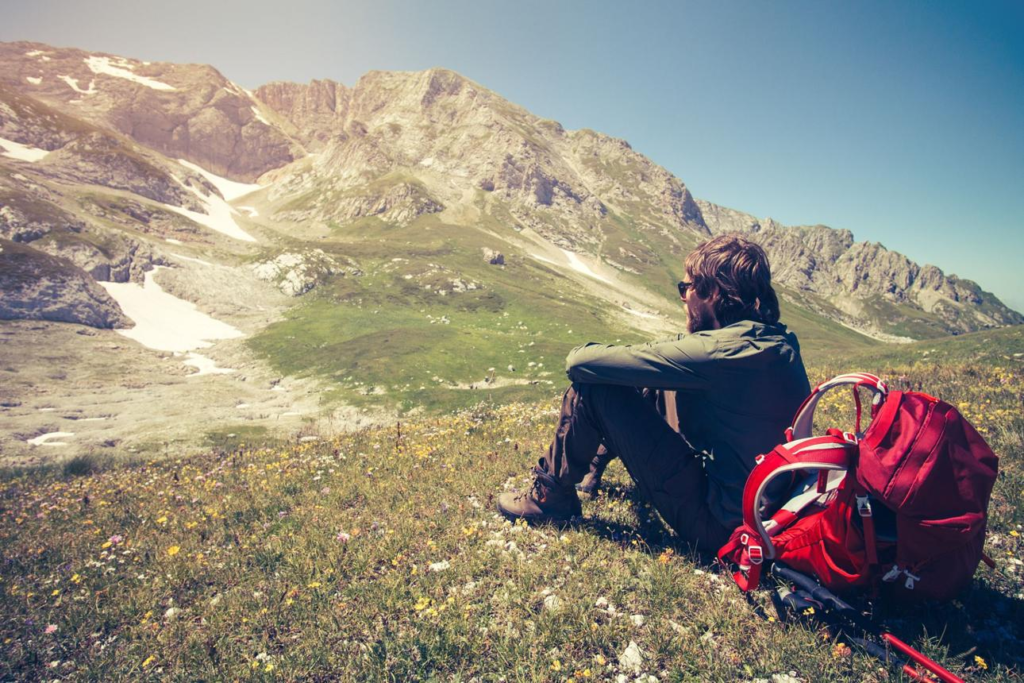
For many Americans, country trails are no longer just scenic walking paths reserved for occasional vacations. They are increasingly part of a broader shift toward wellness travel, slower tourism, and outdoor recreation that prioritizes mental clarity, physical activity, and meaningful experiences. From rail-trails in the Midwest to mountain paths in the Rockies, travelers are seeking destinations that combine accessibility, nature, local culture, and restorative travel experiences.
Why Americans Are Turning Toward Country Trail Travel
Over the past decade, travel habits across the United States have evolved noticeably. While major cities and resort destinations still attract millions of visitors annually, many travelers are increasingly searching for quieter, less crowded experiences that feel restorative rather than exhausting.
Country trails have emerged as a strong part of that trend.
According to the Outdoor Industry Association, outdoor recreation participation in the United States has steadily increased in recent years, with walking, hiking, trail running, and cycling remaining among the country’s most popular activities. The U.S. Travel Association has also noted growing interest in wellness-oriented trips, especially among travelers looking to reduce stress and spend more time outdoors.
Several factors are contributing to the appeal:
- Increased awareness of mental health and stress management
- Greater interest in active vacations instead of purely sedentary travel
- Flexible remote work schedules allowing shorter regional trips
- Rising demand for affordable travel experiences
- Renewed appreciation for small towns and rural destinations
For many travelers, country trails offer a practical balance between recreation and relaxation. A weekend spent walking through forest paths, river valleys, or converted rail corridors often feels more accessible and less overwhelming than highly scheduled urban tourism.
What Exactly Counts as a “Country Trail”?
The phrase “country trail” can describe a wide range of outdoor routes across rural and semi-rural America. These trails vary significantly in length, terrain, accessibility, and purpose.
Some are simple gravel walking routes through farmland and woodland areas. Others are extensive multi-state trail systems used for cycling, backpacking, horseback riding, or long-distance hiking.
Popular categories include:
- Rail-trails converted from former railway lines
- State park hiking networks
- Scenic byways with integrated walking trails
- National recreation trails
- Rural greenways connecting small towns
- Wellness-focused retreat trails near lodges or spas
Many travelers are drawn to trails that combine outdoor access with nearby amenities such as local cafés, inns, wineries, or wellness retreats.
One reason these destinations continue gaining popularity is flexibility. Travelers do not necessarily need advanced hiking experience or expensive equipment to participate. Many country trail systems are beginner-friendly and designed for casual outdoor activity.
The Connection Between Trails and Wellness Travel
Wellness travel has expanded far beyond luxury spas and fitness resorts. Increasingly, travelers define wellness as experiences that improve mental balance, encourage physical movement, and reduce digital overload.
Country trails naturally support those goals.
Walking and hiking have long been associated with stress reduction and cardiovascular health. Research from institutions such as the Centers for Disease Control and Prevention has consistently linked regular walking to improved physical and mental well-being.
But travelers are also seeking less measurable benefits:
- Quiet environments
- Reduced screen time
- Better sleep during trips
- Time spent in nature
- Opportunities for reflection and mindfulness
This shift is particularly noticeable among adults balancing demanding work schedules. Instead of booking fast-paced vacations filled with constant activities, many travelers now prioritize slower itineraries centered around outdoor movement and recovery.
A growing number of wellness resorts and boutique lodges have responded by building experiences around nearby trail systems. Guests may participate in guided nature walks, forest bathing sessions, yoga hikes, or low-impact outdoor fitness programs.
Why Rail-Trails Are Especially Popular
Among America’s most successful outdoor travel trends is the growth of rail-trails.
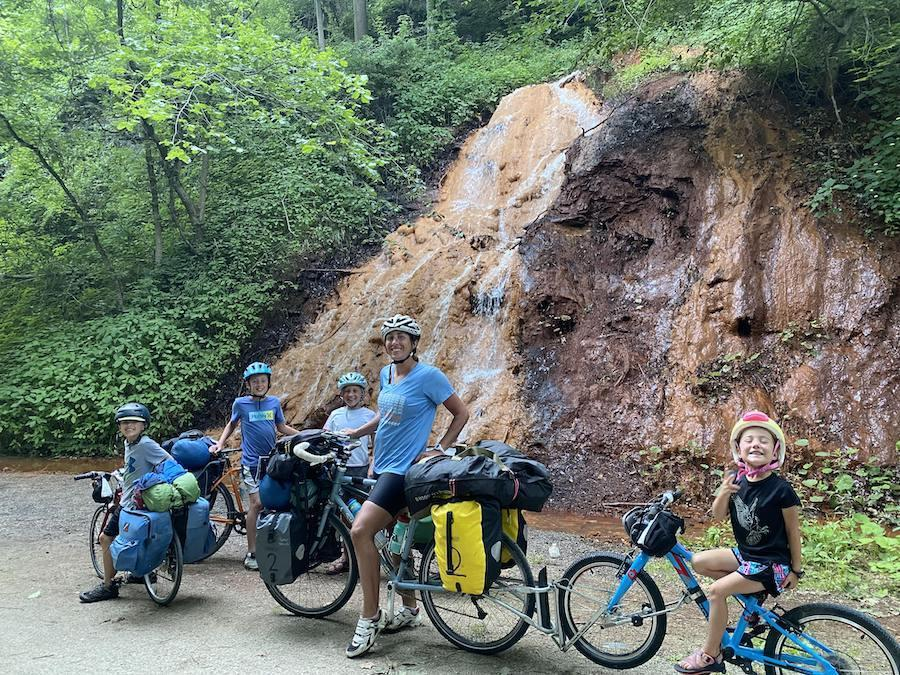
Rail-trails are former railroad corridors converted into recreational paths for walking, biking, and running. These trails are often relatively flat, making them accessible for a wide range of age groups and fitness levels.
Some well-known examples include:
- The Katy Trail in Missouri
- The Great Allegheny Passage in Pennsylvania and Maryland
- The Virginia Creeper Trail in Virginia
- The Cowboy Trail in Nebraska
These trails appeal to travelers because they combine scenic environments with practical accessibility. Many pass through small towns where visitors can stop for food, lodging, or cultural attractions without needing complex travel planning.
For older travelers, families, and beginner cyclists, rail-trails often feel more approachable than steep backcountry hiking routes.
They also contribute significantly to local economies. Small towns located along popular trail systems frequently benefit from increased tourism spending at restaurants, bed-and-breakfasts, gear shops, and local attractions.
How Small Towns Are Benefiting From Trail Tourism
One of the most interesting developments surrounding country trails is their impact on rural communities.
Trail tourism is increasingly becoming an economic driver for many small American towns that previously relied on agriculture, manufacturing, or seasonal tourism.
Communities near successful trail systems often see growth in:
- Independent lodging businesses
- Outdoor recreation rentals
- Local dining establishments
- Artisan markets and local crafts
- Guided tour services
Importantly, trail tourism tends to attract travelers who spend steadily across local businesses rather than concentrating spending within large resorts.
For example, cyclists traveling multi-day rail-trails frequently stop overnight in smaller communities, creating demand for lodging, cafés, bakeries, breweries, and repair shops.
This type of tourism can feel more sustainable than high-volume destination travel because it distributes visitors across wider geographic areas.
Are Country Trails Only for Serious Hikers?
One of the most common misconceptions about trail travel is that it requires advanced outdoor skills.
In reality, many of America’s most popular country trails are designed for casual travelers.
Many trail systems offer:
- Clearly marked routes
- Paved or compacted gravel surfaces
- Family-friendly distances
- ADA-accessible sections
- Guided trail experiences
- Nearby lodging and transportation
For beginners, shorter regional trails often provide a low-pressure introduction to outdoor recreation.
Travelers do not necessarily need specialized hiking boots, camping gear, or wilderness expertise. In many cases, comfortable walking shoes, water, and basic planning are sufficient for a rewarding experience.
This accessibility has helped broaden trail travel beyond traditional outdoor enthusiasts.
How Wellness Travelers Are Planning Trail-Based Trips
Travelers interested in wellness-oriented country trail experiences often approach planning differently from traditional vacations.
Rather than scheduling packed itineraries, they may focus on flexibility and slower pacing.
A typical wellness trail itinerary might include:
- Morning walks or bike rides
- Local farm-to-table dining
- Spa or recovery treatments
- Scenic photography
- Yoga or meditation sessions
- Time away from heavy digital use
Destinations that combine trails with local culture tend to perform especially well.
For example, travelers may choose regions where outdoor activity can be paired with:
- Wine country visits
- Historic small towns
- Regional food experiences
- Wellness retreats
- Artisan communities
- National park access
This combination helps create travel experiences that feel immersive without becoming overly demanding.
Seasonal Trends in Country Trail Travel
Trail travel patterns vary significantly throughout the year.
Spring and fall remain especially popular due to moderate temperatures and scenic landscapes. Autumn foliage, in particular, drives major tourism activity in regions such as New England, the Appalachian corridor, and parts of the Midwest.
Summer attracts family travelers and cycling groups, though heat conditions in some regions require more planning.
Winter trail tourism is also expanding, particularly in destinations offering:
- Snowshoeing
- Cross-country skiing
- Winter hiking
- Wellness lodges
- Hot springs access
Because many country trail destinations are less crowded than urban tourism centers, travelers often view them as more manageable during peak travel seasons.
Technology Is Changing the Trail Experience
Although many travelers pursue trail vacations to disconnect, technology still plays a major role in planning and safety.
Modern trail travelers frequently rely on:
- GPS trail apps
- Weather tracking tools
- Online booking platforms
- Trail condition updates
- Digital park passes
- Fitness tracking devices
Apps such as AllTrails and Gaia GPS have made it easier for travelers to discover lesser-known routes while improving navigation confidence.
At the same time, some travelers intentionally reduce screen use during these trips, using trail travel as an opportunity to step away from constant digital engagement.
This balance between convenience and disconnection is becoming a defining characteristic of modern wellness travel.
Questions Travelers Commonly Ask Before Visiting Country Trails
How physically demanding are most country trails?
Many trails are suitable for beginners and casual walkers. Difficulty levels vary widely, but thousands of trails across the U.S. are designed for low-impact recreation.
Are trail vacations affordable compared to traditional travel?
In many cases, yes. Trail travel often involves lower accommodation costs, fewer entertainment expenses, and reduced transportation spending.
What should travelers pack for a trail-based weekend?
Common essentials include:
- Comfortable walking shoes
- Reusable water bottle
- Lightweight layers
- Sunscreen
- Portable phone charger
- Small daypack
Are country trails safe for solo travelers?
Many popular trail systems are considered safe, especially well-maintained public trails with regular visitor traffic. Travelers should still review local guidance and safety recommendations.
Which states are known for excellent trail systems?
Several states stand out for trail infrastructure, including:
- Colorado
- North Carolina
- Vermont
- Oregon
- Virginia
- Utah
- Minnesota
- Pennsylvania
Can families with children enjoy trail vacations?
Yes. Many trail systems are specifically designed with family-friendly sections, picnic areas, and beginner routes.
What is “forest bathing”?
Forest bathing, originally inspired by the Japanese practice of Shinrin-yoku, involves intentionally spending quiet time in natural environments to support relaxation and mental well-being.
Are electric bikes allowed on country trails?
Policies vary by trail system. Some rail-trails and recreation corridors permit e-bikes, while others restrict them.
How long are typical wellness-focused trail trips?
Many travelers plan short two- to four-day getaways rather than extended vacations.
Do trail destinations work well year-round?
Yes, though seasonal conditions matter significantly. Travelers should research weather patterns, trail closures, and regional conditions before planning.
Why Slower Outdoor Travel Continues to Resonate
The growing interest in country trails reflects broader changes in how Americans think about travel itself.
For decades, vacations were often associated with packed schedules, crowded attractions, and nonstop activity. Increasingly, however, travelers are placing greater value on experiences that feel sustainable, restorative, and personally meaningful.
Country trails align naturally with that shift.
They encourage movement without excessive pressure. They provide access to nature without requiring extreme adventure. And they often reconnect travelers with smaller communities and regional landscapes that large tourism circuits overlook.
Importantly, trail-based travel is not limited to a single demographic. Young professionals, retirees, families, solo travelers, and wellness-focused tourists are all participating in different ways.
As infrastructure improves and regional tourism continues evolving, country trails are likely to remain a significant part of America’s outdoor travel landscape.
Mapping the Appeal of America’s Trail Movement
The popularity of country trails is not simply about hiking or outdoor recreation. It reflects changing priorities around wellness, balance, accessibility, and meaningful travel experiences.
For many Americans, these destinations offer something increasingly difficult to find in modern tourism: space to slow down without sacrificing engagement or discovery.
Whether through a short weekend rail-trail ride, a wellness retreat near mountain paths, or a quiet walk through rural landscapes, country trails continue reshaping how travelers experience both movement and rest.
Trail Travel Insights at a Glance
- Country trails are increasingly connected to wellness-focused travel trends
- Rail-trails remain among the fastest-growing recreational travel categories
- Travelers value slower, less crowded experiences
- Small towns benefit economically from trail tourism
- Trail vacations are often affordable and beginner-friendly
- Wellness travel increasingly emphasizes nature, movement, and stress reduction
- Technology supports safer and more accessible trail exploration
- Seasonal trail tourism continues expanding across the U.S.