Country trails are gaining attention across the United States as travelers seek quieter, more meaningful experiences away from crowded tourist centers. From wellness benefits and affordable road trips to local food culture and outdoor recreation, slower travel is reshaping how Americans vacation. This article explores why rural routes, scenic trails, and small-town destinations are becoming increasingly appealing in today’s travel landscape.
Why Slower Travel Is Resonating With Americans Again
For much of the past decade, travel trends in the United States focused heavily on efficiency, bucket-list destinations, and tightly scheduled itineraries. Long weekends often revolved around fitting as much activity as possible into limited time. But in recent years, a noticeable shift has emerged. More Americans are intentionally slowing down.
Country trails, scenic byways, small-town routes, and rural outdoor destinations have become increasingly attractive to travelers looking for a different kind of experience — one centered on space, reflection, flexibility, and local connection.
This change is not simply about avoiding crowded cities or airports. It reflects broader lifestyle shifts tied to work flexibility, wellness priorities, economic considerations, and growing interest in domestic travel.
According to the U.S. Travel Association, domestic leisure travel continues to account for a major share of tourism spending in the United States, with outdoor and regional travel showing strong resilience after the pandemic years. National parks, state trails, and scenic driving routes have all reported sustained visitor interest.
At the same time, many travelers are asking practical questions:
- Where can I travel without a packed itinerary?
- What destinations feel authentic rather than commercialized?
- Are there affordable travel experiences closer to home?
- How can travel feel restorative instead of exhausting?
Country trails increasingly answer those questions.
What Does “Slower Travel” Actually Mean?
Slower travel does not necessarily mean traveling slowly in a literal sense. Instead, it refers to a mindset.
The idea emphasizes spending more time in fewer places, engaging more deeply with local communities, and prioritizing experience over volume. Rather than rushing through major attractions, travelers focus on atmosphere, scenery, food culture, outdoor recreation, and everyday moments.
Country trails naturally fit this approach because they encourage movement at a different pace. Whether someone is hiking in rural Vermont, driving through the Blue Ridge Mountains, cycling along Midwest rail trails, or exploring wine-country backroads in California, the emphasis shifts away from urgency.
Typical characteristics of slower travel include:
- Flexible itineraries
- Small-town exploration
- Outdoor-focused activities
- Scenic drives and walking trails
- Local dining and regional businesses
- Longer stays in one destination
- Reduced reliance on airports and crowded transit systems
For many Americans, this style of travel feels more sustainable emotionally and financially.
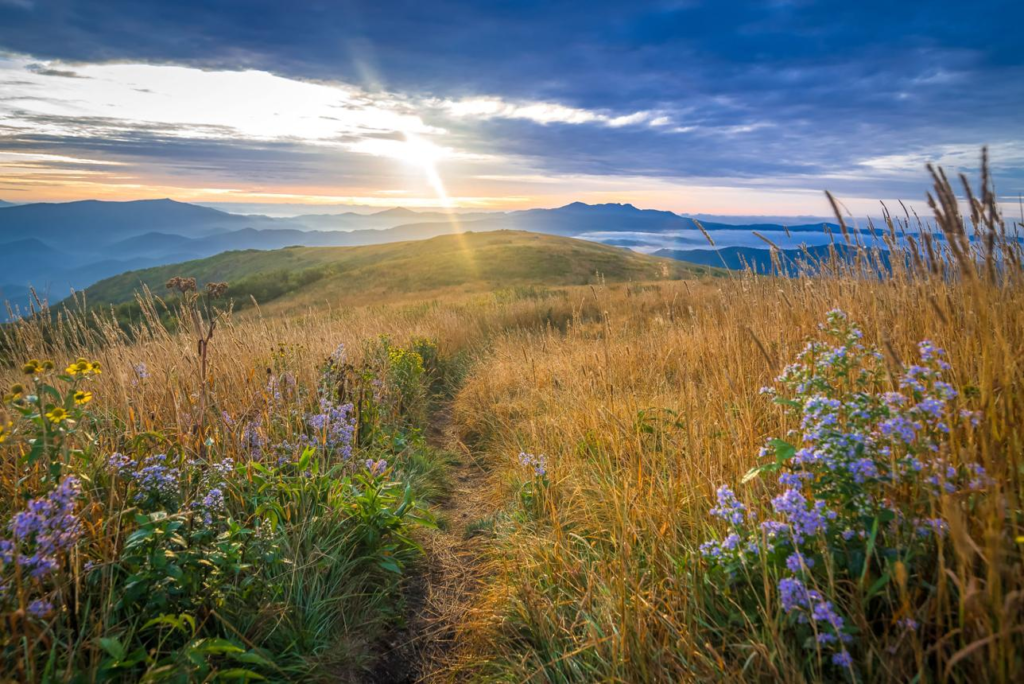
Why Country Trails Feel More Appealing Right Now
1. Americans Are Seeking Less Crowded Experiences
One of the biggest reasons country trails have gained popularity is simple: many travelers want more physical space and fewer crowds.
Major tourism hubs remain popular, but concerns about congestion, rising costs, and over-tourism have encouraged travelers to look elsewhere. Rural trails, scenic routes, and regional parks offer a quieter alternative.
For example, travelers who once booked heavily scheduled trips to large entertainment destinations are increasingly exploring areas like:
- The Great Allegheny Passage in Pennsylvania and Maryland
- Montana’s rural hiking networks
- Tennessee scenic backroads
- Oregon coastal trails
- Arizona desert routes outside major tourist centers
These destinations provide nature, recreation, and local culture without the intensity associated with larger tourism markets.
The Mental Health and Wellness Connection
Travel conversations today increasingly include discussions around stress reduction, mindfulness, and wellness. Country trails align closely with those priorities.
Research published by the American Psychological Association and various public health organizations continues to show links between time spent outdoors and improved mental well-being. Activities such as walking, hiking, and nature exposure are associated with lower stress levels and improved mood.
For many travelers, country trails provide a practical way to disconnect from constant digital stimulation.
A family spending three days exploring rural trails in Colorado may remember the slower mornings, scenic overlooks, and relaxed pace more vividly than a tightly scheduled urban itinerary.
Similarly, remote workers are increasingly combining work flexibility with slower regional travel. Instead of taking one large annual vacation, many people now take shorter, quieter trips throughout the year.
Common wellness-focused trail experiences include:
- Forest walks
- Lakeside cabins
- Cycling trails
- Birdwatching routes
- Farm stays
- Scenic train routes
- Wellness retreats near state parks
These experiences appeal across age groups, from retirees to younger professionals.
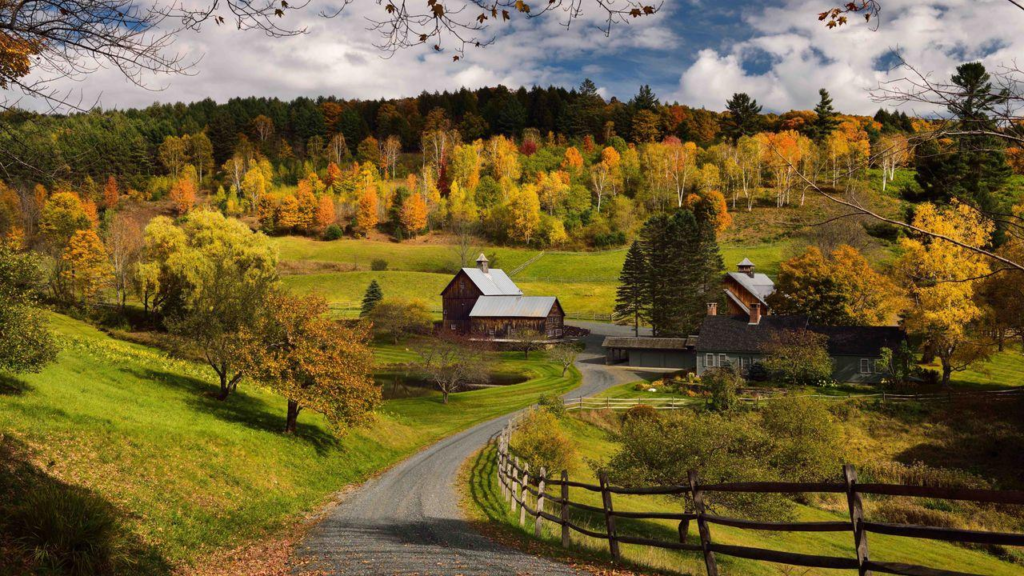
Affordability Is Also Driving Interest
Travel costs have become a major concern for American households. Airfare fluctuations, hotel pricing, and international travel expenses have encouraged many people to reconsider how they vacation.
Country-trail travel often offers greater flexibility for budget-conscious travelers.
Instead of paying premium prices in major tourism centers, travelers may choose:
- Small inns or locally owned lodges
- Camping or RV travel
- Scenic road trips
- Cabin rentals
- State park accommodations
Road-trip-oriented travel can also reduce transportation complexity and allow travelers to control costs more effectively.
For example, a four-day scenic driving trip through the Smoky Mountains may cost substantially less than a comparable long-weekend city vacation involving flights, downtown hotels, and high restaurant expenses.
That does not mean slower travel is always inexpensive. Some luxury rural destinations command premium pricing. However, country-trail travel generally offers more scalable options for different budgets.
How Social Media Changed Travel Expectations
Interestingly, social media has contributed to both travel fatigue and renewed interest in slower travel.
For years, travel content often emphasized highly curated, visually recognizable destinations. Travelers sometimes felt pressure to maximize experiences for photos or social sharing.
Now, a growing segment of travelers appears more interested in authenticity than visibility.
Content focused on:
- Quiet cabins
- Scenic drives
- National park mornings
- Local diners
- Small-town bookstores
- Rural cafés
- Hiking trails
has gained traction across platforms like YouTube, Instagram, and TikTok.
Many travelers are no longer asking, “What destination looks impressive online?” Instead, they are asking, “What kind of trip will actually feel enjoyable?”
Country trails often deliver that sense of calm and realism.
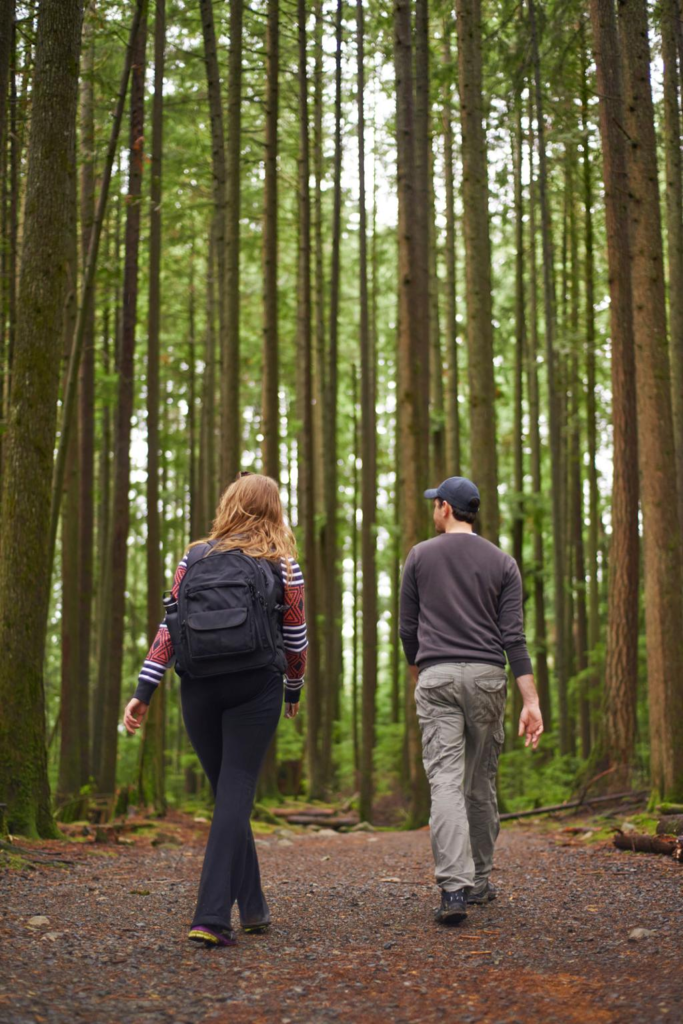
The Rise of Scenic Road Trips Across America
The classic American road trip has experienced a strong revival.
Unlike airport-heavy travel, road trips allow travelers to move at their own pace and make spontaneous stops. Country trails and scenic byways naturally support this flexibility.
Popular scenic routes attracting renewed attention include:
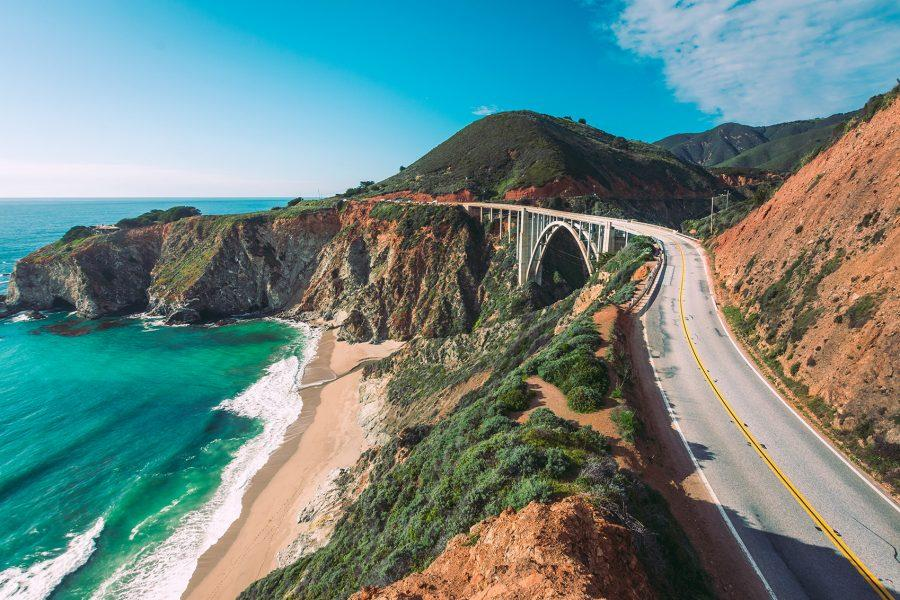
- Blue Ridge Parkway
- Pacific Coast Highway
- Route 89 through the Southwest
- Vermont Route 100
- Texas Hill Country drives
- Michigan’s Upper Peninsula routes
These trips appeal because the journey itself becomes part of the experience.
Travelers may stop at roadside farms, local bakeries, hiking areas, antique shops, or community events — experiences often missed during faster travel schedules.
Road trips also work well for multigenerational families because they allow adaptable pacing and customizable itineraries.
Why Small Towns Are Benefiting From the Trend
America’s smaller communities are increasingly becoming part of mainstream travel conversations.
Travelers exploring country trails often spend money in local economies through restaurants, lodging, farmers markets, guide services, and retail shops.
Small towns near outdoor destinations have especially benefited from this trend.
Examples include communities near:
- Appalachian Trail access points
- National forests
- Rail-trail systems
- Wine regions
- Lake communities
- Mountain recreation corridors
Many local tourism boards now actively promote slower travel experiences rather than high-volume tourism.
Visitors are encouraged to stay longer, explore locally owned businesses, and experience regional culture beyond major attractions.
This shift has created opportunities for rural entrepreneurship as well, including:
- Boutique lodging
- Farm-to-table dining
- Guided outdoor experiences
- Artisan markets
- Regional festivals
Are Country Trails Only for Outdoor Enthusiasts?
Not at all.
While hiking and cycling are important parts of trail culture, many travelers engage with slower travel in less physically demanding ways.
Some travelers simply enjoy scenic drives, photography, local food experiences, or historical exploration.
Others prioritize:
- Scenic train rides
- Covered bridge routes
- Fall foliage drives
- Lakeside retreats
- Wildlife viewing
- Historic rural towns
This broad accessibility helps explain why slower travel appeals to diverse demographics.
Older travelers often appreciate the reduced pace and flexibility, while younger travelers may value affordability and digital detox opportunities.
Families also tend to find country-trail travel easier to personalize than rigid resort-based vacations.

What Americans Are Searching for Before Planning Slower Travel
Search trends around slower travel often center on practical planning questions.
Common search topics include:
Best Country Trails in the U.S.
Travelers frequently search for trails that combine scenery with accessibility. Popular destinations often include national recreation areas, converted rail trails, and scenic driving corridors.
Affordable Scenic Road Trips
Budget-conscious travelers look for routes with low-cost lodging, camping access, and nearby attractions.
Best Small Towns for Weekend Travel
Many Americans now seek short regional escapes rather than major week-long vacations.
Quiet Vacation Destinations in the U.S.
Travelers increasingly prioritize peaceful destinations with lower tourist density.
Nature-Focused Wellness Travel
Search interest has grown around retreats, hiking escapes, and outdoor-focused wellness experiences.
Practical Tips for Planning a Slower Country-Trail Trip
Travelers interested in exploring country trails often benefit from a more flexible planning approach.
Helpful strategies include:
- Choose fewer destinations and stay longer
- Leave open time in the itinerary
- Prioritize local businesses
- Research seasonal weather carefully
- Download maps in advance for rural areas
- Consider weekday travel for quieter experiences
- Balance activity with downtime
It is also important to avoid over-romanticizing rural travel. Some areas have limited services, weak cell coverage, or seasonal accessibility challenges.
Successful slower travel often depends on realistic expectations rather than idealized travel imagery.
How the Hospitality Industry Is Responding
Hotels, tourism boards, and travel companies are increasingly adapting to slower travel preferences.
Examples include:
- Extended-stay cabin rentals
- Wellness-focused lodging packages
- Agritourism experiences
- Guided regional trail tours
- Scenic rail partnerships
- Outdoor recreation packages
Even larger hospitality brands now market experiences centered around relaxation, local immersion, and nature access rather than nonstop activity.
This reflects changing consumer behavior rather than a temporary trend.
Where This Travel Shift May Be Headed Next
The growing appeal of country trails suggests that American travel priorities are continuing to evolve.
While major tourism destinations will always attract visitors, many travelers now value:
- Flexibility over rigid schedules
- Depth over quantity
- Local experiences over tourist checklists
- Restoration over stimulation
Remote work flexibility may further support this trend, allowing more Americans to blend travel with everyday life.
Additionally, younger generations appear increasingly interested in sustainability, regional travel, and experience-driven spending.
Country trails fit naturally into all of those patterns.
Rather than disappearing, slower travel may become a permanent layer within the broader U.S. travel landscape.
Why These Journeys Feel Different
Country trails appeal to many Americans because they offer something increasingly difficult to find in modern travel: room to breathe.
Whether through scenic drives, quiet hiking paths, rural cafés, or small-town exploration, slower travel encourages people to experience destinations more intentionally. The appeal is not necessarily about escaping modern life entirely. Instead, it is about creating moments that feel less rushed, less crowded, and more personally meaningful.
For travelers seeking balance, flexibility, and authentic experiences, country trails represent a practical and accessible way to travel differently.
Key Insights From America’s Slower Travel Shift
- More Americans are prioritizing slower, experience-focused travel
- Country trails support flexible, lower-stress travel experiences
- Scenic road trips and rural destinations are growing in popularity
- Wellness and mental-health considerations influence travel decisions
- Small towns benefit economically from regional tourism growth
- Slower travel often provides more budget flexibility
- Travelers increasingly value authenticity over highly curated tourism
- Outdoor recreation continues to play a major role in domestic travel trends
Frequently Asked Questions
What is slower travel?
Slower travel refers to spending more time in fewer places while focusing on meaningful local experiences rather than fast-paced sightseeing.
Why are country trails becoming popular again?
Many Americans are seeking quieter, less crowded travel experiences that prioritize nature, flexibility, and wellness.
Are country-trail vacations affordable?
They can be. Road trips, camping, local lodging, and regional travel often provide more budget flexibility than traditional tourism hotspots.
What are some popular country-trail destinations in the U.S.?
Popular options include the Blue Ridge Parkway, Great Allegheny Passage, Pacific Coast routes, Vermont scenic roads, and national park trail systems.
Is slower travel good for mental wellness?
Research suggests that outdoor exposure, reduced stress environments, and nature-focused recreation can positively support mental well-being.
Do you need hiking experience for country-trail travel?
No. Many slower-travel experiences involve scenic drives, local towns, photography, dining, or easy walking routes.
Are small towns benefiting from slower travel?
Yes. Local businesses, lodging providers, and regional tourism economies often benefit from increased domestic travel.
What should travelers pack for rural trail trips?
Essentials often include layered clothing, offline maps, water supplies, comfortable footwear, and weather-appropriate gear.
Are scenic road trips safer than flying?
Safety depends on conditions and planning, but many travelers prefer the flexibility and control associated with road-trip travel.
Is slower travel expected to continue growing?
Current travel patterns suggest continued interest in regional, wellness-focused, and experience-driven travel across the United States.