Iconic landmarks endure because they combine historical significance, cultural meaning, thoughtful preservation, and continued relevance. From engineering achievements to symbols of national identity, America’s most recognized sites remain vital through storytelling, accessibility, and public engagement. This article explores how landmarks sustain their importance, what visitors can learn from them, and why they continue to shape collective memory across generations.
Why Do Certain Landmarks Stand the Test of Time?
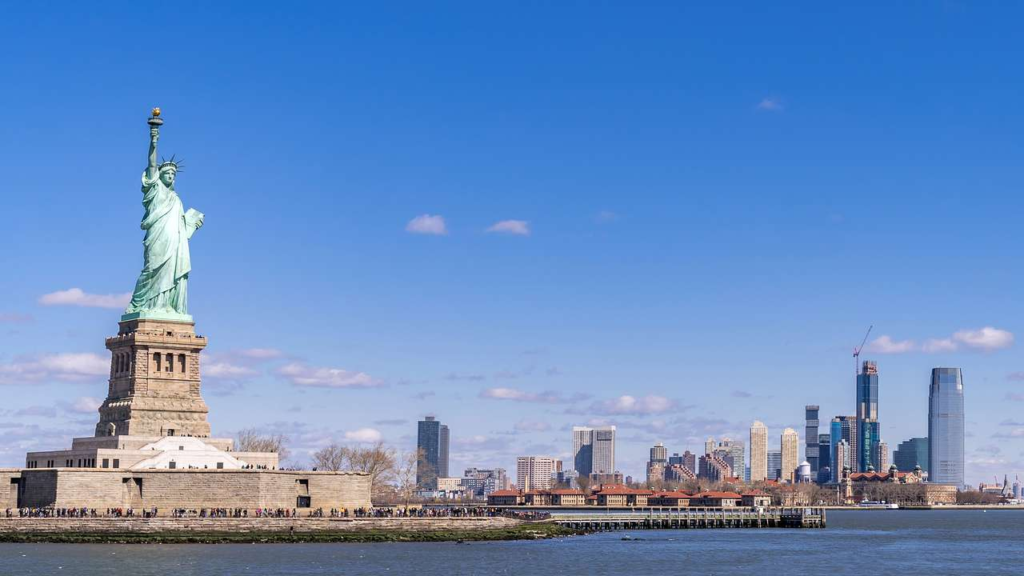
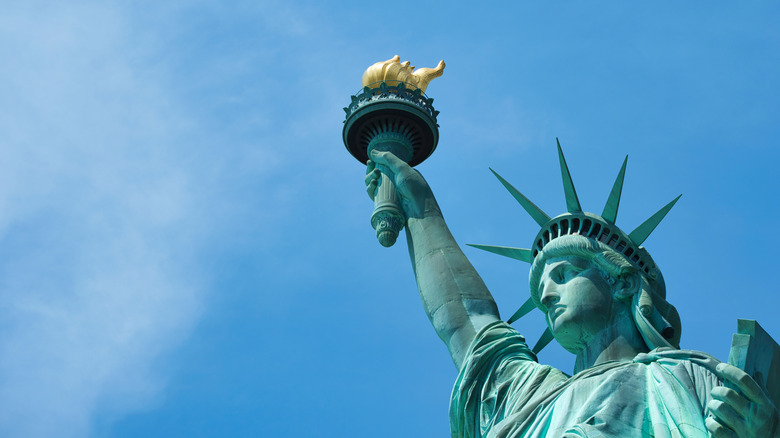
Not every structure becomes a landmark, and even fewer achieve enduring recognition. Across the United States, places like Statue of Liberty or Golden Gate Bridge have transcended their physical form to become symbols of broader ideas—freedom, innovation, resilience.
What sets them apart is not just age or scale, but layered meaning. A landmark becomes iconic when it consistently connects with people across generations. According to data from the National Park Service, over 300 million visits occur annually across protected historic and natural sites—suggesting that these places are not static relics but active parts of American life.
Endurance, then, is less about permanence and more about relevance.
The Role of Historical Significance
At the core of every enduring landmark is a story rooted in history. These are often tied to pivotal moments or movements that shaped the nation.
Consider Independence Hall, where both the Declaration of Independence and the Constitution were debated and adopted. Its significance is not architectural alone—it represents foundational democratic ideals.
Similarly, Gettysburg National Military Park preserves the memory of one of the Civil War’s turning points. Visitors don’t come only to see a battlefield; they come to understand sacrifice and consequence.
Key elements that strengthen historical endurance include:
- Direct association with defining national events
- Preservation of original structures or landscapes
- Documented narratives supported by credible sources
- Educational interpretation for modern audiences
These factors ensure that history is not only remembered but understood in context.
Cultural Identity and Shared Meaning
Landmarks endure when they reflect identity—not just national, but regional and cultural. For many Americans, these places act as touchpoints of belonging.
The Mount Rushmore National Memorial, for example, communicates a specific interpretation of American leadership and history. While perspectives on its meaning continue to evolve, its recognition remains widespread because it sparks dialogue about identity and values.
In urban environments, landmarks like Times Square reflect modern cultural energy—media, commerce, and public gathering. Unlike traditional monuments, their endurance is tied to continuous reinvention.
Cultural relevance is sustained through:
- Representation in media, literature, and education
- Public events and celebrations tied to the site
- Evolving interpretations that reflect current values
- Accessibility to diverse communities
This adaptability allows landmarks to remain meaningful even as society changes.
Engineering, Design, and Innovation
Another defining factor is technical or architectural achievement. Many iconic landmarks were groundbreaking in their time and continue to inspire admiration.
The Empire State Building, completed in 1931, remains a benchmark of early skyscraper engineering. Similarly, the Hoover Dam represents large-scale infrastructure innovation during the Great Depression.
These sites endure because they demonstrate:
- Exceptional craftsmanship or engineering
- Influence on future design and construction
- Ongoing functionality or adaptive reuse
- Public fascination with scale and ambition
Even in a modern context, these landmarks continue to educate visitors about innovation and problem-solving.
Preservation and Stewardship
Longevity requires intentional care. Without preservation efforts, even the most significant landmarks would deteriorate or lose relevance.
Organizations such as the National Trust for Historic Preservation play a critical role in maintaining and protecting sites across the country. Their work includes restoration, advocacy, and public education.
Effective preservation strategies include:
- Regular maintenance and restoration using authentic materials
- Legal protections and landmark designation status
- Public-private partnerships for funding
- Community involvement and volunteer programs
For example, ongoing restoration projects at the Lincoln Memorial ensure that it remains structurally sound while preserving its symbolic integrity.
Preservation is not just about maintaining physical structures—it’s about sustaining meaning.
Accessibility and Visitor Experience
A landmark’s ability to endure is closely tied to how people experience it. Accessibility—both physical and informational—plays a key role.
Sites that invest in visitor engagement tend to maintain higher relevance. The Smithsonian Institution, for example, enhances landmark experiences through free access, curated exhibits, and educational programming.
Modern expectations include:
- Clear signage and interpretive materials
- Digital guides and mobile apps
- Inclusive design for visitors with disabilities
- Opportunities for interactive learning
When visitors can easily connect with a site, they are more likely to return—and to share that experience with others.
The Power of Storytelling
Storytelling is perhaps the most overlooked factor in a landmark’s endurance. Facts alone do not create lasting impressions—stories do.
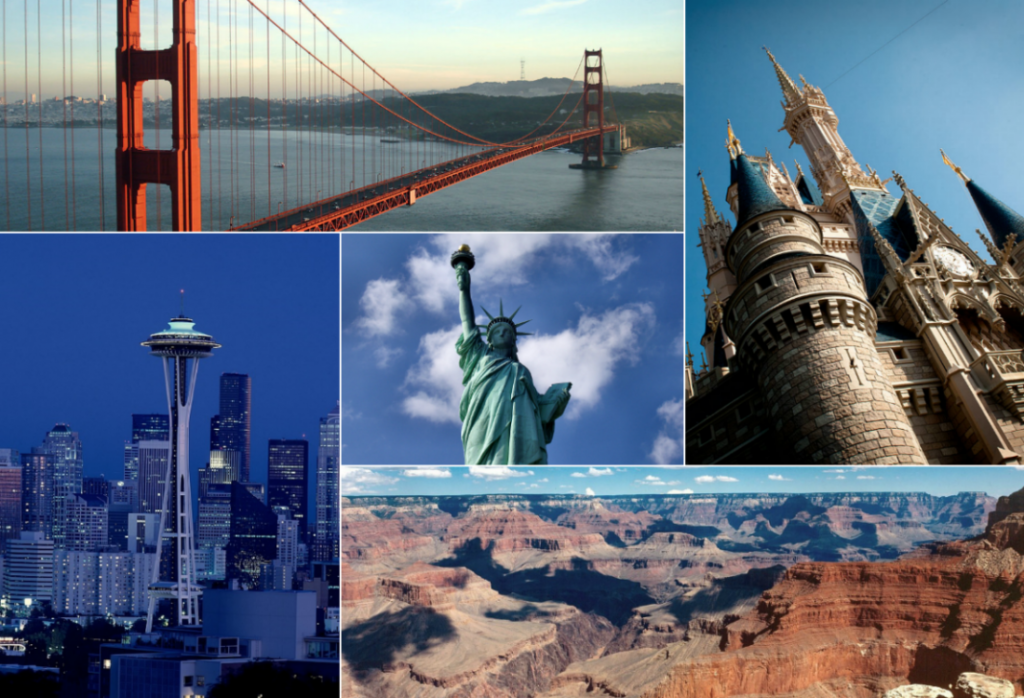
Take Alcatraz Island. Its appeal extends beyond its physical structure as a former prison. The narratives of escape attempts, infamous inmates, and layered history—from military fort to federal penitentiary—keep visitors engaged.
Effective storytelling includes:
- Personal narratives and human experiences
- Multivocal perspectives (including underrepresented voices)
- Integration of audio, visual, and guided storytelling formats
- Continuous updates based on new research
Landmarks that invest in storytelling remain dynamic rather than static.
Economic and Tourism Impact
Enduring landmarks also contribute significantly to local and national economies. According to the U.S. Travel Association, heritage tourism is a major driver of domestic travel spending.
Popular sites generate revenue through:
- Ticket sales and guided tours
- Local hospitality and retail industries
- Job creation in surrounding communities
- Increased regional visibility
For instance, Grand Canyon National Park attracts millions of visitors annually, supporting a wide network of businesses while reinforcing its iconic status.
Economic relevance reinforces cultural and historical importance, creating a cycle of sustained value.
Frequently Asked Questions
1. What defines an iconic landmark in the U.S.?
An iconic landmark typically has historical significance, cultural relevance, recognizable design, and sustained public engagement.
2. Why do some landmarks lose popularity over time?
Lack of preservation, limited accessibility, and declining cultural relevance can reduce public interest.
3. How are landmarks protected in the United States?
Through federal, state, and local designations, as well as organizations like the National Park Service and preservation trusts.
4. Can modern buildings become iconic landmarks?
Yes, if they demonstrate innovation, cultural impact, and long-term relevance.
5. Why is storytelling important for landmarks?
It helps visitors connect emotionally and understand the broader significance beyond physical structures.
6. How do landmarks contribute to local economies?
They attract tourism, create jobs, and support surrounding businesses.
7. What role does architecture play in iconic status?
Unique or groundbreaking design often elevates a structure’s visibility and significance.
8. Are natural sites considered landmarks?
Yes, places like the Grand Canyon are iconic due to their natural significance and cultural importance.
9. How can visitors make the most of landmark visits?
By using guided tours, reading interpretive materials, and exploring historical context before visiting.
10. What ensures a landmark’s long-term survival?
Ongoing preservation, public engagement, and adaptability to changing cultural perspectives.
Where Legacy Meets Living Memory
Enduring landmarks are not simply preserved—they are continuously reinterpreted. Their survival depends on a balance between honoring the past and engaging the present. Whether through education, tourism, or cultural dialogue, these sites remain relevant because they evolve alongside the people who visit them. Their stories are never finished—they are revisited, reconsidered, and shared anew.
Key Insights at a Glance
- Iconic landmarks endure through relevance, not just age
- Historical context strengthens long-term significance
- Cultural identity and shared meaning sustain engagement
- Preservation efforts are essential for physical and symbolic survival
- Visitor experience directly impacts continued popularity
- Storytelling transforms sites into living narratives
- Economic impact reinforces long-term viability