
America’s food landscape is evolving through subtle but meaningful shifts shaped by health awareness, cultural exchange, sustainability concerns, and technology. This article explores how these forces influence everyday eating—from grocery choices to restaurant menus—while offering practical insights into how consumers and professionals can better understand and adapt to modern food trends without relying on hype or short-lived fads.
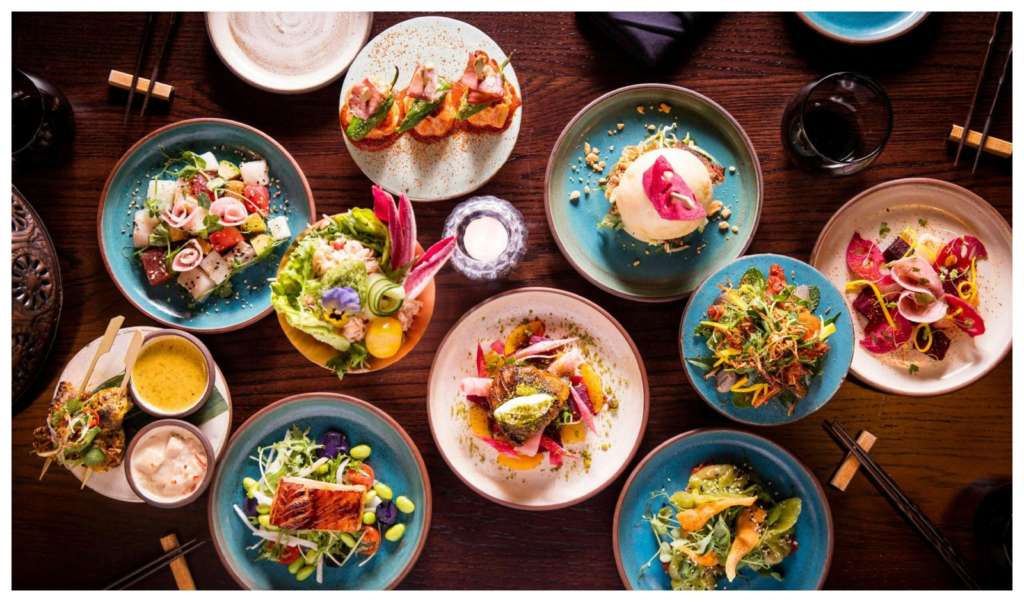
The Changing Taste of America
Food trends in the United States rarely arrive overnight. Instead, they emerge gradually—shaped by demographic shifts, economic pressures, cultural curiosity, and evolving consumer values. What appears today as a “trend” often reflects years of quiet change in how people shop, cook, and eat.
Take, for example, the steady rise of plant-forward eating. While plant-based diets have existed for decades, recent growth reflects a broader shift toward flexibility rather than strict dietary identity. Many Americans are not becoming fully vegetarian or vegan; instead, they are reducing meat consumption in practical, incremental ways.
This pattern—subtle change rather than sudden transformation—is central to understanding today’s most influential food trends.
What Is Driving Today’s Food Trends?
Modern food trends are shaped by a combination of overlapping forces rather than a single dominant factor.
Key Drivers Include:
- Health Awareness: Consumers are prioritizing long-term wellness over quick fixes
- Cultural Exploration: Increased exposure to global cuisines through travel and media
- Sustainability Concerns: Growing interest in environmentally responsible food choices
- Convenience Needs: Demand for time-saving yet high-quality meal options
- Technology Influence: Social media, delivery apps, and digital grocery platforms
According to data from the International Food Information Council (IFIC), over 70% of Americans consider healthfulness when making food purchases. At the same time, NielsenIQ reports a steady increase in demand for products labeled as “natural,” “organic,” or “minimally processed.”
These shifts are not isolated—they intersect in ways that reshape the entire food ecosystem.
The Rise of “Quiet Health” Eating
One of the most notable shifts in recent years is what many analysts call “quiet health.” Unlike past diet trends that relied on strict rules or branding, this approach focuses on small, sustainable improvements.
Consumers are:
- Choosing whole ingredients over highly processed foods
- Reducing added sugars without eliminating indulgences
- Paying attention to portion sizes rather than strict calorie counting
For example, instead of following a rigid low-carb diet, a consumer might simply replace refined grains with whole grains or incorporate more vegetables into familiar meals.
This approach feels less restrictive and more adaptable—making it easier to maintain over time.
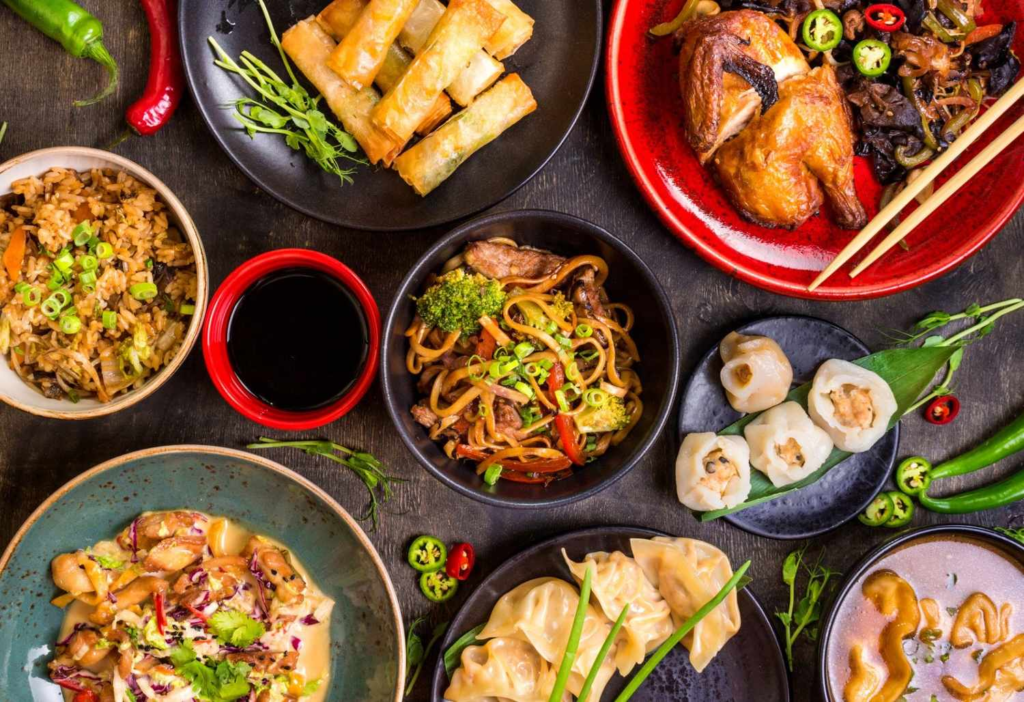
Global Flavors, Local Adaptation
American diners are increasingly open to global flavors, but the way these flavors are adopted is evolving. Rather than seeking fully authentic experiences, many consumers prefer approachable, hybrid versions that fit their existing preferences.
This has led to:
- Fusion dishes that blend culinary traditions
- Regional interpretations of international recipes
- Increased availability of global ingredients in mainstream grocery stores
For instance, Korean-inspired sauces, Middle Eastern spices, and Southeast Asian condiments are now commonly found in everyday kitchens—not just specialty restaurants.
This shift reflects curiosity without intimidation. Consumers want to explore new flavors, but in familiar formats.
The Role of Sustainability in Everyday Choices
Sustainability is no longer a niche concern. It has become a mainstream consideration, influencing how people think about food production, packaging, and waste.
However, the shift is practical rather than ideological.
Consumers are more likely to:
- Buy seasonal produce
- Reduce food waste at home
- Choose products with simpler packaging
- Support brands with transparent sourcing practices
Importantly, cost remains a major factor. While many Americans value sustainability, they balance it against affordability. This has led to a rise in “good enough” sustainability—choices that are realistic rather than perfect.
Convenience Without Compromise
Modern lifestyles continue to demand convenience, but expectations have changed. Consumers no longer accept convenience at the expense of quality or nutrition.
This has fueled growth in:
- Ready-to-cook meal kits
- Pre-prepped fresh ingredients
- High-quality frozen meals
- Grab-and-go options with clean ingredient lists
A working professional, for example, might rely on pre-cut vegetables or marinated proteins to prepare a quick dinner without sacrificing freshness.
Convenience today is about efficiency—not shortcuts.

The Influence of Digital Culture on Food Trends
Social media platforms have transformed how food trends spread. However, their influence is more nuanced than viral recipes alone.
Digital culture affects:
- Ingredient awareness (e.g., trending spices or superfoods)
- Cooking techniques (air frying, fermentation, etc.)
- Presentation styles (visual appeal and plating)
At the same time, consumers are becoming more skeptical of short-lived trends. There is a growing preference for information that is credible, practical, and backed by experience.
This shift favors content that educates rather than entertains alone.
How Restaurants Are Responding
Restaurants across the United States are adapting to these subtle shifts in consumer behavior.
Common Adjustments Include:
- Offering flexible menu options (e.g., plant-forward variations)
- Highlighting sourcing and ingredient transparency
- Simplifying menus to focus on quality and consistency
- Incorporating seasonal and local ingredients
Rather than chasing every new trend, many establishments are focusing on adaptability—creating menus that can evolve without losing identity.
What This Means for Grocery Shopping
The grocery store has become a reflection of these broader trends. Shoppers are navigating more choices than ever, but their decision-making is becoming more intentional.
Practical changes include:
- Reading ingredient labels more carefully
- Choosing fewer but higher-quality items
- Exploring new ingredients in small quantities
- Balancing cost with perceived value
For example, a shopper might opt for a smaller portion of higher-quality protein while increasing their intake of vegetables and grains.

Practical Ways to Navigate Modern Food Trends
Understanding trends is useful, but applying them in daily life is what creates value.
Simple, Real-World Strategies:
- Start with one small change (e.g., adding one plant-based meal per week)
- Experiment with one new ingredient at a time
- Focus on balance rather than perfection
- Pay attention to how foods make you feel, not just labels
- Prioritize consistency over novelty
These approaches align with how most successful dietary habits are formed—gradually and sustainably.
Frequently Asked Questions
1. What are the biggest current food trends in the US?
Plant-forward eating, sustainability-focused choices, global flavor exploration, and convenience-driven products are among the most influential trends.
2. Are plant-based diets still growing in popularity?
Yes, but growth is largely driven by flexible eating habits rather than strict vegan or vegetarian lifestyles.
3. Why are global flavors becoming more common?
Increased cultural exposure, travel, and media have made international cuisines more accessible and appealing.
4. Is organic food worth the cost?
It depends on individual priorities. Many consumers balance organic purchases with budget considerations by focusing on specific items.
5. How can I eat healthier without following a strict diet?
Focus on small changes such as reducing processed foods, increasing vegetables, and moderating portions.
6. Are food trends influenced by social media?
Yes, but consumers are becoming more selective, favoring practical and credible information over viral trends.
7. What does “plant-forward” mean?
It refers to meals that emphasize plant-based ingredients without completely eliminating animal products.
8. How can I reduce food waste at home?
Plan meals, store food properly, and use leftovers creatively.
9. Are meal kits a good option?
They can be helpful for convenience and portion control, especially for busy households.
10. How do I know if a food trend is worth following?
Consider whether it aligns with your lifestyle, budget, and long-term health goals.
Reading the Road Ahead of American Food
The most meaningful food trends are rarely the loudest. They develop quietly—through everyday decisions made by millions of individuals balancing health, cost, convenience, and curiosity. Understanding these shifts offers more than awareness; it provides a framework for making informed, sustainable choices that fit real life rather than idealized standards.
Key Insights at a Glance
- Food trends are gradual, not sudden
- Health is shifting toward sustainable habits
- Global flavors are becoming more accessible
- Sustainability is practical, not absolute
- Convenience now includes quality expectations
- Digital influence is becoming more selective
- Restaurants are prioritizing flexibility
- Grocery shopping is more intentional
- Small changes drive long-term results