
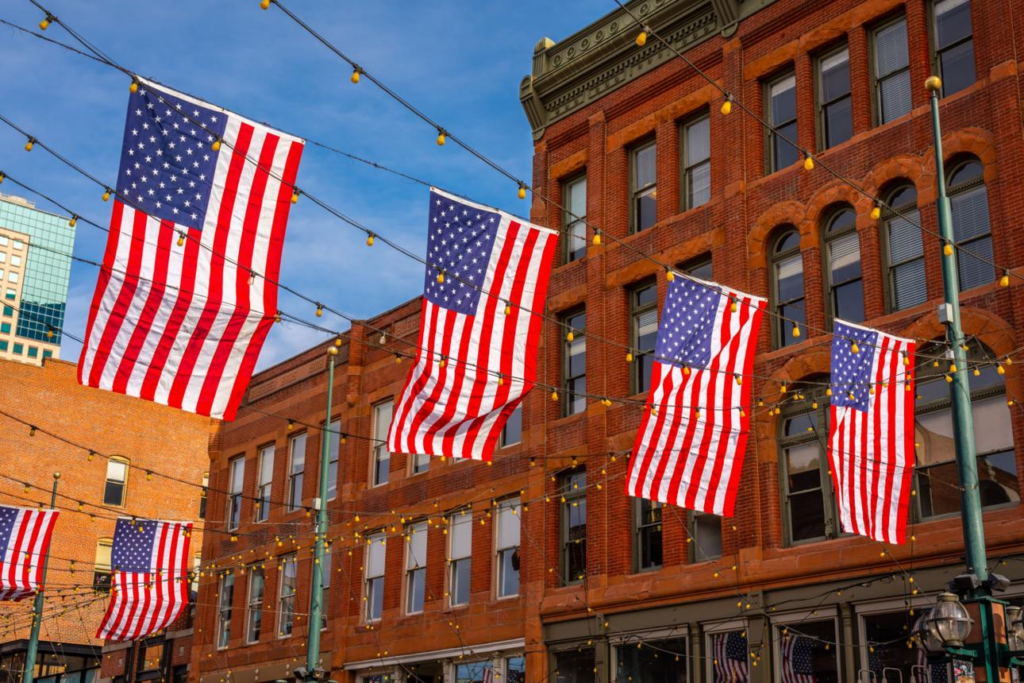
America’s story is built from generations of traditions, historic landmarks, shared values, and cultural influences that continue to shape daily life. From colonial settlements and national parks to civic ideals and community celebrations, American heritage reflects a complex journey of innovation, resilience, diversity, and democratic principles. Understanding these stories provides valuable insight into how the United States developed and why its history remains relevant today.
Understanding the Foundations of American Heritage
Every nation develops a collective identity through stories, traditions, and shared experiences. In the United States, American heritage is not defined by a single culture or historical event. Instead, it represents centuries of contributions from Indigenous peoples, immigrants, pioneers, innovators, activists, military service members, and countless local communities.
The American story stretches across different eras, regions, and perspectives. It includes the achievements of democratic government, the struggles for civil rights, the expansion of industry, and the preservation of cultural traditions. These experiences collectively shaped the values and institutions that influence American society today.
Many Americans searching for information about heritage often ask a simple question: What exactly is American heritage?
The answer is broader than historical landmarks or famous documents. American heritage encompasses the customs, beliefs, traditions, achievements, and historical experiences passed from one generation to the next. It includes both physical places and the ideas that helped define the nation.
The Role of Indigenous Cultures in America’s Story
Long before European settlers arrived, Indigenous nations had developed sophisticated societies across North America. Their contributions remain an essential part of American heritage.
Native communities established trade networks, agricultural practices, governance systems, and cultural traditions that influenced later generations. Crops such as corn, beans, squash, and potatoes became foundational to agriculture across the continent.
Today, many historic sites preserve Indigenous history and educate visitors about the first peoples who shaped the land that would eventually become the United States.
Understanding Indigenous history provides a more complete picture of America’s origins. Modern historians increasingly emphasize the importance of including Native perspectives when discussing national heritage because these stories existed long before the creation of the United States.
Historic Landmarks That Tell America’s Story
Physical landmarks often serve as living classrooms where history becomes tangible.
Across the country, millions of visitors explore sites that represent important chapters in American development.
Notable Landmarks That Help Explain American History
- Statue of Liberty symbolizes opportunity, immigration, and freedom.
- Independence Hall is where foundational national documents were debated and adopted.
- Mount Rushmore reflects key periods of national leadership.
- Gettysburg National Military Park preserves one of the most significant battlefields in American history.
- Lincoln Memorial honors leadership during one of the nation’s most challenging eras.
- Ellis Island tells the story of immigration and opportunity.
These locations continue attracting visitors because they connect historical events with real places. Walking through these sites often provides a deeper understanding than reading about them in textbooks alone.

Traditions That Continue Across Generations
American traditions help connect the past with the present. While some customs vary by region, others have become national experiences shared across generations.
Family gatherings, holiday celebrations, civic ceremonies, and community festivals all contribute to preserving cultural heritage.
Common Traditions That Reflect American Culture
- Celebrating Thanksgiving with family meals
- Participating in local parades and community festivals
- Visiting national parks during family vacations
- Observing Memorial Day and Veterans Day ceremonies
- Supporting local sports traditions
- Participating in Independence Day celebrations
These traditions may seem routine, but they play a significant role in maintaining cultural continuity. They allow people to share experiences, pass down family stories, and strengthen community connections.
Many Americans remember specific traditions not because of their historical origins, but because of the personal memories associated with them. Those memories become part of the larger national narrative.
Immigration and the American Experience
One of the defining characteristics of American heritage is its diversity.
Throughout history, immigrants from Europe, Asia, Africa, Latin America, and other regions contributed skills, traditions, languages, foods, and cultural practices that shaped the nation.
Cities such as New York City, Chicago, and San Francisco became centers of cultural exchange where different communities built neighborhoods, businesses, and institutions.
This diversity helped create a uniquely American identity. Rather than replacing existing traditions, many immigrant communities blended their customs with broader national culture.
Examples can be found in:
- American cuisine
- Music genres
- Architecture
- Language
- Religious practices
- Local festivals
The result is a cultural landscape that continues evolving while maintaining connections to the past.
National Parks and the Preservation of Natural Heritage
When discussing American heritage, cultural history often receives most of the attention. However, natural landscapes also play a significant role.
The United States established one of the world’s earliest national park systems, helping preserve natural wonders for future generations.

8
Parks such as Yellowstone National Park, Grand Canyon National Park, and Yosemite National Park represent a conservation legacy that continues to influence environmental protection worldwide.
Millions of Americans visit these sites each year, creating personal connections to landscapes that have become part of the nation’s identity.
The preservation of these areas reflects an important American value: protecting shared resources for future generations.
The Values Often Associated With the American Story
Many discussions about heritage eventually lead to values.
While interpretations vary, several principles frequently appear throughout American history.
Core Values Commonly Associated With American Heritage
- Individual liberty
- Democratic participation
- Equal opportunity
- Innovation and entrepreneurship
- Freedom of expression
- Community responsibility
- Civic engagement
- Resilience during adversity
These ideals have not always been perfectly realized. In many cases, American history includes ongoing efforts to bring reality closer to these principles.
The nation’s progress often emerged through debate, reform movements, and civic participation. Understanding this process helps explain both the achievements and challenges of American development.
How Civil Rights Movements Expanded the American Story
The story of America includes efforts to broaden access to rights and opportunities.
Movements advocating for civil rights, voting rights, women’s rights, labor protections, and equal treatment significantly shaped modern society.
Figures such as Martin Luther King Jr., Susan B. Anthony, and Cesar Chavez became influential voices in expanding participation within American democracy.
These movements demonstrate that heritage is not only about preserving the past. It is also about understanding how citizens have worked to improve society over time.
Their stories remain relevant because many contemporary discussions about equality, opportunity, and civic responsibility continue to build upon these historical foundations.
Why Americans Continue Visiting Historic Sites
Historic tourism remains popular because people want to experience history directly.
Whether exploring battlefields, museums, presidential homes, or preserved neighborhoods, visitors often seek answers to questions about identity and national development.
Benefits of visiting historic sites include:
- Better understanding of historical events
- Greater appreciation for local communities
- Educational opportunities for families
- Connections between national history and personal experiences
- Support for preservation efforts
Many visitors report that seeing historical artifacts and locations firsthand creates a stronger emotional connection than reading historical summaries.
This personal engagement helps keep historical knowledge relevant across generations.
How Families Preserve Heritage at Home
Preserving heritage does not require visiting famous landmarks.
Many families maintain traditions that connect younger generations with their roots.
Examples include:
- Recording family histories
- Preserving photographs
- Sharing cultural recipes
- Celebrating traditional holidays
- Maintaining community involvement
- Teaching family stories to children
These activities help ensure that personal experiences become part of broader historical understanding.
In many ways, national heritage begins with family heritage. Individual stories contribute to the larger narrative of American life.
What American Heritage Means in the Twenty-First Century
Modern America continues evolving through technological change, demographic shifts, and cultural innovation.
At the same time, interest in history remains strong. Museums, archives, historical societies, and educational organizations increasingly use digital tools to preserve and share historical information.
Americans today have unprecedented access to historical records, oral histories, photographs, and educational resources.
This accessibility allows people to explore their own connections to national history while gaining a deeper understanding of the experiences that shaped previous generations.
American heritage remains relevant because it provides context for contemporary challenges and opportunities. The stories of earlier generations offer lessons about resilience, adaptation, civic participation, and community building.

Frequently Asked Questions
What is American heritage?
American heritage refers to the traditions, historical experiences, cultural contributions, landmarks, and values that have shaped the United States over time.
Why are historic landmarks important?
Historic landmarks preserve significant events, people, and achievements while helping future generations understand the nation’s development.
How do traditions contribute to heritage?
Traditions pass cultural knowledge, values, and shared experiences from one generation to another.
What role did immigrants play in shaping America?
Immigrants contributed labor, innovation, cultural traditions, businesses, and community institutions that helped shape American society.
Why are national parks considered part of American heritage?
National parks preserve natural landscapes that represent an important part of the nation’s environmental and cultural identity.
How does heritage affect modern life?
Heritage influences community traditions, civic values, education, public institutions, and cultural practices.
What are examples of American values?
Frequently cited values include liberty, democracy, opportunity, innovation, civic engagement, and resilience.
How can families preserve their heritage?
Families can document stories, preserve photographs, maintain traditions, and share historical experiences with younger generations.
Why do people visit historical sites?
People visit historical sites to learn about the past, connect with history, and gain a deeper understanding of important events.
Is American heritage still evolving?
Yes. Heritage continues evolving as new generations contribute experiences, traditions, and perspectives to the national story.