
America’s landmarks tell the story of a nation shaped by history, innovation, culture, and natural beauty. From centuries-old monuments and memorials to modern architectural achievements, these destinations remain central to the country’s travel identity. Understanding what makes these places significant helps travelers create more meaningful experiences while gaining deeper insight into the people, events, and ideas that continue to influence the United States.
Why Landmarks Continue to Shape American Travel
Landmarks have long served as anchors of American tourism. While beaches, entertainment districts, and outdoor recreation attract millions of visitors annually, iconic landmarks provide something unique: a connection to the nation’s collective story.
Whether travelers are standing before the Statue of Liberty, walking through Independence Hall, or admiring the engineering of a modern skyscraper, they are engaging with places that represent defining moments in American history and development.
According to the U.S. Travel Association, domestic travel remains a major contributor to the national economy, with heritage tourism and cultural tourism consistently attracting visitors seeking educational and meaningful experiences. Landmarks often sit at the center of these travel decisions because they combine history, architecture, culture, and storytelling into a single destination.
Today’s travelers increasingly look beyond simply checking famous sites off a list. Many want context, local perspectives, and opportunities to understand how landmarks fit into broader historical and cultural narratives.
The Historic Monuments That Help Define America
Many of America’s most visited landmarks are historic monuments that commemorate important people, events, and ideals.
The Statue of Liberty
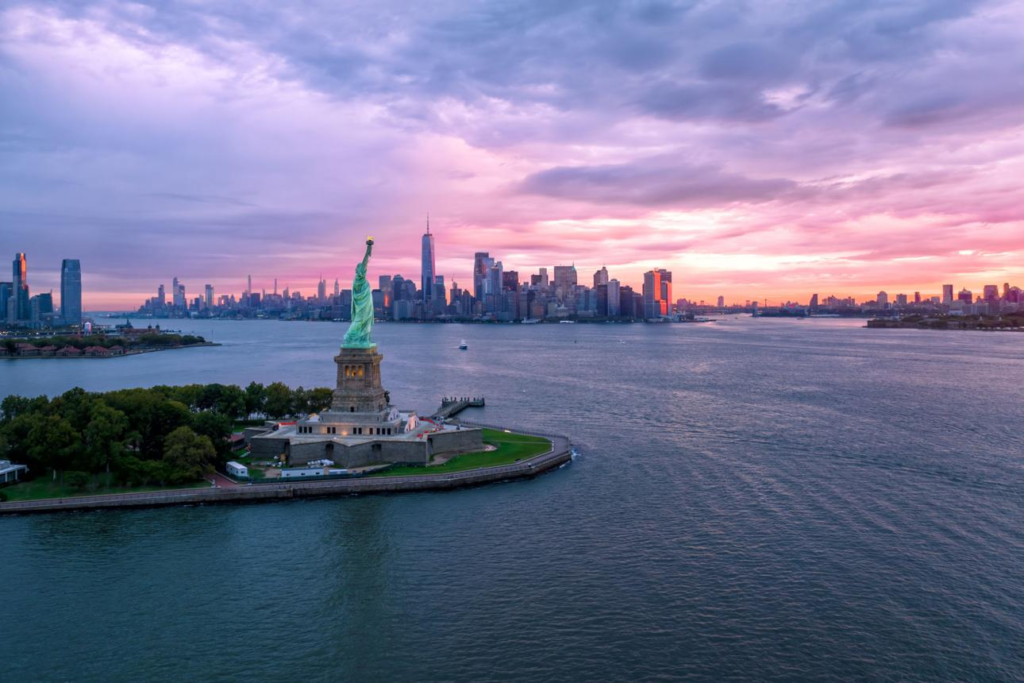
Few landmarks are more recognizable than the Statue of Liberty. Standing in New York Harbor since 1886, the monument symbolizes freedom, opportunity, and immigration.
For millions of immigrants arriving through nearby Ellis Island, the statue represented the beginning of a new chapter in America. Today, visitors can explore both sites to gain a deeper understanding of the country’s immigration history.
Independence Hall
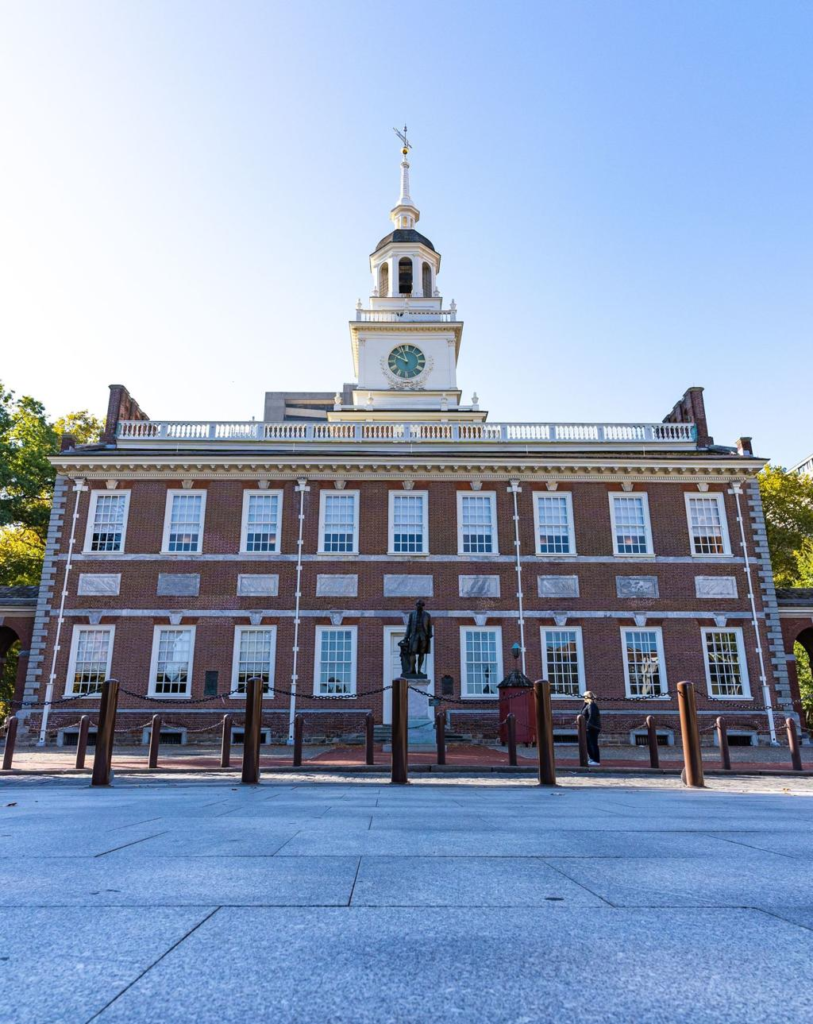
Located in Philadelphia, Independence Hall is one of the most significant buildings in American history. It was here that both the Declaration of Independence and the U.S. Constitution were debated and adopted.
Visitors often discover that seeing the actual room where these decisions were made creates a stronger appreciation for the nation’s founding principles than reading about them in textbooks alone.
Lincoln Memorial
The Lincoln Memorial in Washington, D.C., remains one of the country’s most powerful symbols of leadership and national unity.
Beyond its architectural beauty, the memorial serves as a gathering place for civic events and historical reflection. It was also the site of Dr. Martin Luther King Jr.’s famous “I Have a Dream” speech, adding another layer of significance to the landmark.
Mount Rushmore
Carved into South Dakota’s Black Hills, Mount Rushmore combines artistry, engineering, and history. The massive sculptures of four U.S. presidents continue to attract travelers interested in American leadership and national identity.
The surrounding region also provides opportunities to explore Native American history, offering visitors a broader understanding of the area’s cultural significance.
Natural Landmarks That Have Become National Icons
Not all American landmarks were built by human hands. Some of the nation’s most influential destinations are natural wonders that have inspired travelers for generations.
Grand Canyon National Park
The Grand Canyon demonstrates the power of geological processes over millions of years. Its immense scale often exceeds visitors’ expectations, even after viewing countless photographs.
Many travelers find sunrise and sunset visits especially memorable because changing light conditions reveal different layers of color and texture throughout the canyon.
Yellowstone National Park
As the world’s first national park, Yellowstone remains a cornerstone of American conservation.
Visitors can experience:
- Geysers and geothermal features
- Diverse wildlife habitats
- Scenic drives and hiking trails
- Historic lodges and visitor centers
The park demonstrates how preservation efforts can protect natural landmarks while still making them accessible to the public.
Yosemite National Park
Yosemite’s granite cliffs, waterfalls, and ancient sequoias have inspired artists, photographers, and conservationists for more than a century.
The park also illustrates how natural landmarks can influence national policy. Conservation efforts associated with Yosemite helped shape the broader American national park movement.
Architectural Marvels Reflecting Modern America
While historic landmarks often receive the most attention, contemporary architecture increasingly defines America’s travel landscape.
One World Trade Center
Completed in 2014, One World Trade Center symbolizes resilience and renewal.
Built near the site of the September 11 attacks, the structure serves both practical and symbolic purposes. Visitors often pair observation deck experiences with visits to the nearby National September 11 Memorial & Museum.
The Gateway Arch
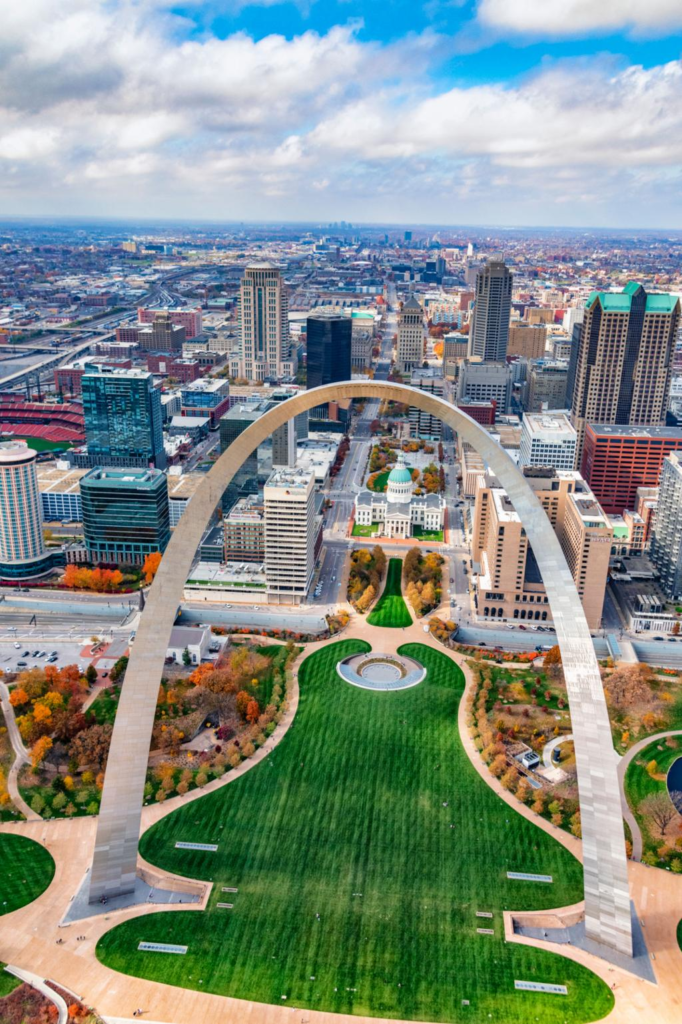
Located in St. Louis, the Gateway Arch represents America’s westward expansion while showcasing innovative engineering.
Its sleek design remains remarkably modern despite being completed in the 1960s. The tram ride to the top provides panoramic views of the Mississippi River and surrounding region.
The High Line
Not every modern landmark is a towering structure. New York City’s High Line transformed an abandoned elevated railway into a vibrant public park.
The project demonstrates how cities can repurpose existing infrastructure to create meaningful public spaces while supporting tourism and community engagement.
Las Vegas Sphere
One of the newest additions to America’s landmark landscape, the Sphere in Las Vegas showcases the growing role of technology in tourism.
Its immersive design, massive digital displays, and innovative entertainment experiences represent a new generation of attractions that blend architecture, media, and visitor engagement.
Why Travelers Are Seeking More Meaningful Landmark Experiences
Travel trends have shifted considerably over the past decade.
Many visitors now prioritize experiences that provide:
- Historical understanding
- Local cultural connections
- Educational value
- Authentic storytelling
- Opportunities for reflection
Rather than simply taking photographs, travelers increasingly seek guided tours, museum exhibits, and interpretive programs that explain why landmarks matter.
For example, visitors to civil rights landmarks throughout the American South often describe these experiences as transformative because they connect historical events to ongoing social conversations.
This shift reflects a broader movement toward purpose-driven travel, where learning becomes an important part of the journey.
Lesser-Known Landmarks Worth Exploring
While famous landmarks dominate travel guides, many lesser-known destinations provide equally rewarding experiences.
Cahokia Mounds
Near St. Louis, Cahokia Mounds preserves the remains of one of North America’s most sophisticated pre-Columbian urban centers.
Many travelers are surprised to learn that a large and complex civilization existed in the region centuries before European settlement.
The Biltmore Estate
Located in Asheville, North Carolina, the Biltmore Estate offers insight into America’s Gilded Age.
Its architecture, gardens, and preserved interiors provide a detailed look at a significant period of economic and cultural transformation.
The National Civil Rights Museum
Housed at the former Lorraine Motel in Memphis, Tennessee, this museum offers one of the most comprehensive examinations of the American Civil Rights Movement.
Visitors often describe the experience as both educational and deeply moving.
Planning a Landmark-Focused American Road Trip
A landmark-centered itinerary can provide an engaging way to explore the country.
Travelers planning such trips should consider:
- Combining historic and modern attractions
- Allowing sufficient time for museums and guided tours
- Visiting during shoulder seasons to avoid peak crowds
- Researching advance ticket requirements
- Exploring nearby cultural attractions
For example, a journey through the Northeast might include Boston, Philadelphia, New York City, and Washington, D.C., creating a continuous narrative of American history and development.
Similarly, a Western route could combine Yellowstone, Mount Rushmore, the Grand Canyon, and modern urban landmarks in cities such as Denver or Las Vegas.
Balancing iconic destinations with lesser-known sites often results in a richer travel experience.

How Technology Is Changing Landmark Tourism
Technology increasingly influences how travelers interact with landmarks.
Many destinations now offer:
- Augmented reality experiences
- Mobile-guided tours
- Interactive exhibits
- Digital archives
- Virtual educational content
These tools help visitors engage with historical information more effectively while making landmarks accessible to broader audiences.
At the same time, destination managers must balance innovation with preservation to ensure that technology enhances rather than distracts from the visitor experience.
Frequently Asked Questions
What is the most visited landmark in the United States?
The National Mall area in Washington, D.C., including its memorials and monuments, consistently ranks among the most visited landmark destinations in the country.
Why are landmarks important for tourism?
Landmarks provide cultural, historical, educational, and architectural value while helping travelers better understand a destination.
What is considered a modern American landmark?
Modern landmarks include structures such as One World Trade Center, the High Line, and the Las Vegas Sphere.
Which U.S. landmark is best for history enthusiasts?
Independence Hall, the Lincoln Memorial, Ellis Island, and numerous Civil Rights Movement sites are excellent choices.
Are natural landmarks as important as historic monuments?
Yes. Natural landmarks such as the Grand Canyon and Yellowstone play a major role in American identity and tourism.
What is heritage tourism?
Heritage tourism involves traveling to experience places, artifacts, and activities that authentically represent the past.
When is the best time to visit major landmarks?
Spring and fall often provide favorable weather and smaller crowds compared to peak summer travel periods.
Are guided tours worth taking at major landmarks?
In many cases, guided tours offer valuable context and historical information that significantly improves the visitor experience.
How can travelers avoid crowds at popular landmarks?
Visiting early in the morning, traveling during shoulder seasons, and booking timed-entry tickets can help reduce crowd-related challenges.
What makes a landmark iconic?
A landmark becomes iconic when it represents important cultural, historical, architectural, or natural significance recognized by large numbers of people.
The Places That Tell America’s Continuing Story
America’s travel landscape is defined by far more than famous photographs or bucket-list destinations. Its landmarks collectively tell a story of exploration, innovation, democracy, cultural change, resilience, and creativity.
Historic monuments preserve the events that shaped the nation’s identity, while modern architectural achievements demonstrate how that story continues to evolve. Together, they offer travelers opportunities not only to see remarkable places but also to better understand the forces that have influenced the United States across generations.
For travelers seeking meaningful experiences, landmarks remain among the most valuable destinations because they connect the past, present, and future in ways few attractions can match.
Landmark Journey Highlights
- Historic monuments provide direct connections to pivotal moments in American history.
- Natural landmarks showcase the country’s extraordinary geographic diversity.
- Modern architectural achievements reflect ongoing innovation and cultural evolution.
- Meaningful travel increasingly emphasizes education, context, and authentic experiences.
- Lesser-known landmarks often provide unique perspectives overlooked by mainstream tourism.
- Technology is enhancing visitor engagement while expanding access to historical information.
- Combining famous landmarks with regional attractions creates richer travel experiences.
- Heritage tourism continues to play a significant role in American travel decisions.
Mapping the Nation Through Its Landmarks
America’s landmarks serve as more than travel destinations. They function as living classrooms, cultural gathering places, engineering achievements, and reminders of the events that shaped the nation. Whether visitors explore centuries-old monuments, breathtaking natural wonders, or innovative modern structures, these places continue to define how Americans and international travelers experience the country. Understanding their stories transforms sightseeing into something more meaningful: a deeper connection with America itself.
Key Discoveries From America’s Landmark Network
- Historic landmarks preserve foundational national stories.
- Natural wonders remain among the country’s most influential attractions.
- Modern architecture is increasingly shaping tourism trends.
- Heritage tourism continues to grow in importance.
- Lesser-known landmarks often provide exceptional educational value.
- Technology is enhancing visitor engagement across landmark destinations.
- Landmark-focused road trips offer rich cultural experiences.
- Preservation remains essential for future generations.
- Travelers increasingly seek context and meaning alongside sightseeing.
- America’s landmarks collectively represent the nation’s evolving identity.