For today’s travelers, famous landmarks are no longer just photo opportunities. Across the United States and around the world, historic sites are adapting to changing expectations around sustainability, accessibility, digital experiences, and cultural authenticity. Modern visitors want deeper context, interactive storytelling, and more meaningful travel experiences. As tourism habits evolve, iconic destinations are finding new ways to stay relevant while protecting their historical and cultural significance.
Why Travelers Are Looking Beyond Traditional Sightseeing
For decades, landmark tourism followed a predictable formula. Travelers visited famous places, took photos, purchased souvenirs, and moved on to the next attraction. While that approach still exists, newer generations of travelers—particularly Millennials and Gen Z—are increasingly motivated by experiences that feel educational, immersive, and personally meaningful.
Research from the Pew Research Center and the U.S. Travel Association shows that younger travelers place greater emphasis on cultural experiences, local engagement, and sustainability than previous generations. They are more likely to research the history behind landmarks, support preservation initiatives, and seek out less-commercialized experiences surrounding major attractions.
This shift is influencing how landmark operators, tourism boards, and city planners approach visitor engagement.
Today’s travelers often ask questions like:
- Is this landmark worth visiting beyond the photo?
- What cultural or historical significance does it have?
- Are there interactive experiences available?
- How crowded is it during peak travel periods?
- Is the site accessible for families and travelers with disabilities?
- How sustainable is the tourism infrastructure?
These changing expectations are reshaping some of the world’s most recognizable destinations.
Historic Landmarks Are Becoming More Interactive
One of the most visible changes in landmark tourism is the rise of immersive storytelling. Instead of relying solely on plaques and guided tours, many destinations now use technology to create layered visitor experiences.
At Statue of Liberty, visitors can access digital exhibits that explain immigration history through personal narratives and archival media. Similarly, Mount Rushmore National Memorial has expanded educational programming to provide deeper historical context surrounding Indigenous perspectives and the monument’s construction history.
Augmented reality, mobile audio guides, and app-based walking tours are increasingly common at major landmarks. These tools help visitors engage with sites at their own pace while offering information that traditional signage often cannot provide.
Several museums and landmarks have also incorporated multilingual digital resources to accommodate international tourism recovery after the pandemic-era slowdown.
Examples of evolving visitor features include:
- Smartphone-based historical tours
- Interactive museum exhibits
- Virtual reconstruction experiences
- AI-powered language translation tools
- Accessibility-focused navigation apps
- QR-code storytelling stations
For travelers, this means a visit to a landmark is becoming less passive and more participatory.
Sustainability Is Changing How Landmarks Operate
Overtourism has become a major concern at many globally recognized sites. Excessive foot traffic, pollution, and infrastructure strain have forced landmark managers to rethink visitor policies.
At Grand Canyon National Park, transportation systems increasingly encourage shuttle use to reduce vehicle congestion and environmental impact. Meanwhile, Yellowstone National Park continues investing in conservation-focused visitor education and wildlife protection measures.
Sustainability initiatives now influence everything from ticketing systems to restaurant operations near major attractions.
Common strategies include:
- Timed-entry reservations
- Visitor caps during peak seasons
- Plastic reduction initiatives
- Expanded public transportation access
- Eco-certified hospitality partnerships
- Restoration funding through tourism fees
According to the National Park Service, U.S. national parks received more than 325 million recreation visits in recent years, creating both economic opportunity and environmental pressure. Managing that balance has become one of the defining challenges of modern tourism.
Travelers themselves are also becoming more aware of responsible tourism practices. Many now actively seek ways to minimize environmental impact while supporting local communities.

Accessibility Is Becoming Central to Landmark Tourism
Accessibility improvements are helping famous landmarks become more inclusive for travelers of all ages and physical abilities.
Sites that once posed significant mobility challenges are investing in infrastructure upgrades, including ramps, accessible viewing platforms, captioned multimedia content, and adaptive transportation services.
At Smithsonian National Museum of American History, accessibility programs include sensory-friendly resources, wheelchair-accessible exhibits, and assistive listening systems. Across many U.S. tourist destinations, accessibility is increasingly viewed as an essential part of visitor experience design rather than an optional accommodation.
Modern travelers frequently search for:
- Wheelchair accessibility details
- Quiet visiting hours
- Family-friendly facilities
- Senior-friendly transportation
- ADA-compliant accommodations nearby
This shift reflects broader changes in how Americans plan travel experiences. Convenience, inclusivity, and comfort now play a larger role in destination decisions than they did a decade ago.
Travelers Want Cultural Context, Not Just Recognition
Many famous landmarks are now reframing how history is presented. Rather than offering simplified narratives, destinations are incorporating broader historical perspectives and community voices.
At Alcatraz Island, exhibits increasingly explore Indigenous activism connected to the island in addition to its prison history. Similarly, plantation museums throughout the American South have faced growing pressure to present more accurate and inclusive accounts of slavery and labor history.
This evolution reflects rising public interest in historical transparency and cultural authenticity.
Travelers increasingly value experiences that:
- Include local perspectives
- Acknowledge historical complexity
- Support preservation efforts
- Feature community storytelling
- Connect past events to current social issues
For many visitors, understanding the human stories behind landmarks creates a more memorable and meaningful experience than simply viewing the site itself.

Social Media Has Changed Landmark Expectations
Social media continues to influence landmark tourism, but not always in the way many experts predicted.
Platforms like Instagram and TikTok initially accelerated interest in highly photogenic destinations. However, many travelers now actively seek experiences that go beyond standard social-media content.
Instead of simply recreating popular images, travelers are searching for:
- Lesser-known viewpoints
- Behind-the-scenes tours
- Early morning access opportunities
- Local food experiences nearby
- Historically guided walking tours
- Seasonal cultural events
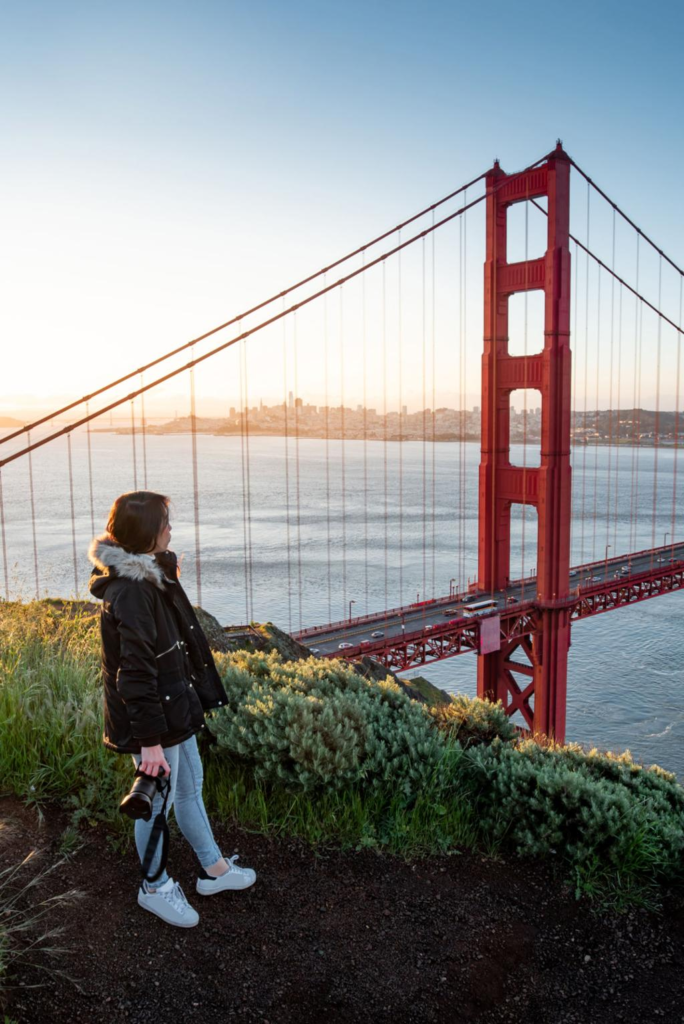
At destinations like Golden Gate Bridge and Times Square, tourism businesses increasingly offer curated experiences designed around storytelling and local insight rather than only visual appeal.
This trend is also encouraging travelers to explore neighborhoods surrounding major landmarks instead of limiting trips to the attractions themselves.
Technology Is Expanding Access Before the Trip Even Begins
Virtual tourism accelerated significantly during the pandemic and continues influencing travel planning today.
Many landmarks now provide:
- Virtual walkthroughs
- Livestreamed ranger talks
- Online historical archives
- Interactive maps
- Crowd forecasting tools
- Real-time reservation systems
These resources help travelers make more informed decisions before arriving at a destination.
For example, virtual previews at The Metropolitan Museum of Art allow users to explore collections online before visiting in person. This not only improves trip planning but also helps visitors prioritize exhibits and manage time more effectively.
Technology is also helping smaller landmarks compete for attention by improving digital visibility and educational outreach.
The Rise of “Slow Tourism” Around Famous Destinations
Another emerging trend is slow tourism—the idea of spending more time in fewer places rather than rushing through packed itineraries.
Instead of checking landmarks off a list, travelers are building multi-day experiences around them.
Examples include:
- Exploring regional cuisine near major landmarks
- Staying in locally owned accommodations
- Attending cultural workshops or performances
- Visiting nearby historic districts
- Participating in guided heritage tours
A trip centered around French Quarter, for example, may now include culinary classes, jazz history tours, and neighborhood preservation programs in addition to traditional sightseeing.
This approach often leads to deeper engagement with local culture while spreading tourism spending more evenly across communities.

How Landmark Tourism Is Influencing Local Economies
Landmarks remain major economic drivers for cities and regions across the United States.
According to the National Travel and Tourism Office, tourism contributes hundreds of billions of dollars annually to the U.S. economy through lodging, transportation, dining, and entertainment spending.
However, many cities are now trying to balance economic growth with quality-of-life concerns for residents.
Some communities are introducing:
- Short-term rental regulations
- Tourist tax initiatives
- Local business partnerships
- Neighborhood preservation programs
- Infrastructure investments tied to tourism revenue
The goal is to ensure landmark tourism supports long-term community sustainability rather than overwhelming local resources.
Travelers increasingly notice and appreciate destinations that successfully maintain this balance.
What Modern Travelers Should Consider Before Visiting Famous Landmarks
Planning around famous destinations now requires more strategy than simply buying a ticket.
Helpful considerations include:
Timing Matters More Than Ever
Peak crowds can dramatically affect the visitor experience. Many travelers now prioritize shoulder seasons or weekday visits to avoid congestion.
Reservation Systems Are Increasingly Common
Popular landmarks often require advance booking, particularly during summer and holiday periods.
Local Experiences Add More Value
Restaurants, guided tours, and neighborhood exploration frequently become the most memorable parts of a landmark-centered trip.
Sustainability Practices Are Worth Researching
Travelers can support responsible tourism by choosing eco-conscious transportation, reducing waste, and respecting preservation guidelines.
Digital Tools Improve Trip Planning
Official apps, crowd trackers, and interactive maps can significantly improve efficiency and reduce stress during visits.
Questions Travelers Frequently Ask About Famous Landmarks
Why are famous landmarks changing their visitor experiences?
Landmarks are adapting to new traveler expectations around technology, accessibility, sustainability, and cultural authenticity.
Are virtual landmark tours replacing in-person travel?
No. Virtual experiences mainly support trip planning and educational access rather than replacing physical visits.
What is overtourism?
Overtourism occurs when excessive visitor numbers create environmental, cultural, or infrastructure strain on destinations.
How can travelers visit landmarks more responsibly?
Travelers can reduce waste, follow preservation rules, use public transportation, and support local businesses.
Why are timed-entry systems becoming more common?
Timed reservations help manage crowd levels and improve visitor experiences while protecting historic sites.
What does “slow tourism” mean?
Slow tourism emphasizes spending more time in fewer places to encourage deeper cultural engagement.
Are famous landmarks becoming more accessible?
Yes. Many landmarks are investing heavily in accessibility infrastructure and inclusive visitor services.
Why do travelers want more historical context today?
Modern travelers increasingly value authenticity, education, and diverse perspectives when exploring historic destinations.
How does social media influence landmark tourism?
Social media shapes awareness and travel trends, but many travelers now seek experiences beyond standard photo opportunities.
Are smaller landmarks benefiting from these travel trends?
Yes. Travelers interested in authenticity often explore lesser-known historic sites alongside major attractions.
Where Landmark Travel Is Headed Next
The future of landmark tourism will likely focus less on spectacle and more on connection. Travelers increasingly want experiences that feel educational, respectful, immersive, and locally grounded.
That shift does not diminish the appeal of iconic destinations. Instead, it expands their role. Landmarks are becoming places where travelers engage with history, culture, sustainability, and community in more thoughtful ways than traditional tourism models once encouraged.
For the next generation of travelers, the value of a landmark is no longer measured only by how recognizable it looks in a photograph. It is increasingly defined by the depth of understanding and experience it creates long after the trip ends.
Key Shifts Reshaping Landmark Tourism
- Travelers increasingly prioritize experiences over checklist sightseeing
- Sustainability practices are becoming central to landmark operations
- Accessibility improvements are expanding travel inclusivity
- Technology is making landmark visits more interactive and personalized
- Slow tourism is encouraging longer, deeper destination engagement
- Historical transparency and cultural authenticity matter more to modern visitors
- Local communities are playing a larger role in tourism development
- Social media now influences discovery more than destination value itself