Modern travelers no longer visit landmarks only to take photographs or check destinations off a bucket list. Across the United States and globally, iconic landmarks increasingly function as cultural symbols that shape identity, local economies, travel behavior, and historical understanding. From the Statue of Liberty to the Golden Gate Bridge, these places influence how people choose destinations, connect with history, and experience communities in more meaningful ways.
Why Iconic Landmarks Still Matter in Modern Travel
For decades, famous landmarks were largely associated with sightseeing. Travelers visited them because guidebooks recommended them, postcards featured them, and tourism campaigns promoted them. While that remains true, the role of landmarks has evolved significantly.
Today’s travelers often seek experiences tied to culture, identity, storytelling, and authenticity. A landmark is no longer just a structure or destination—it represents a larger narrative about a city, region, or nation.
The continued popularity of landmarks reflects broader travel trends in the United States:
- Travelers increasingly prioritize culturally meaningful trips
- Historical tourism remains one of the strongest travel sectors
- Social media has expanded awareness of lesser-known cultural sites
- Cities use landmarks to strengthen economic development and branding
- Travelers want educational experiences alongside recreation
According to data from the U.S. Travel Association, cultural and heritage tourism continues to generate billions in travel spending annually across the United States. Historic districts, museums, monuments, and nationally recognized sites remain central to domestic tourism growth.
How Landmarks Shape the Identity of Cities
Many American cities are recognized globally because of one defining landmark. These places become visual shorthand for entire regions.
The Space Needle represents innovation and Pacific Northwest culture. The Gateway Arch symbolizes westward expansion and American history. The Hollywood Sign reflects entertainment culture and media influence.
These landmarks affect travel in several ways:
They Create Emotional Recognition
Travelers often form emotional connections with places before arriving. Movies, documentaries, books, and social media reinforce landmark imagery over decades.
For example, many visitors associate the Brooklyn Bridge with ideas of ambition, resilience, and urban energy long before they walk across it.
They Drive Tourism Economies
Landmarks support nearby businesses, hotels, restaurants, and transportation systems. Cities frequently invest heavily in preserving and promoting them because they contribute directly to local revenue.
In places like Chicago, attractions surrounding the Cloud Gate and Willis Tower generate year-round visitor traffic that benefits retail and hospitality industries.
They Influence Urban Development
Neighborhoods surrounding landmarks often evolve into cultural districts. Public transportation, museums, restaurants, and pedestrian infrastructure are frequently designed around high-traffic landmark areas.
This has become especially visible in cities investing in walkable tourism experiences rather than purely car-centered travel.
Why Travelers Are Seeking More Than Photo Opportunities
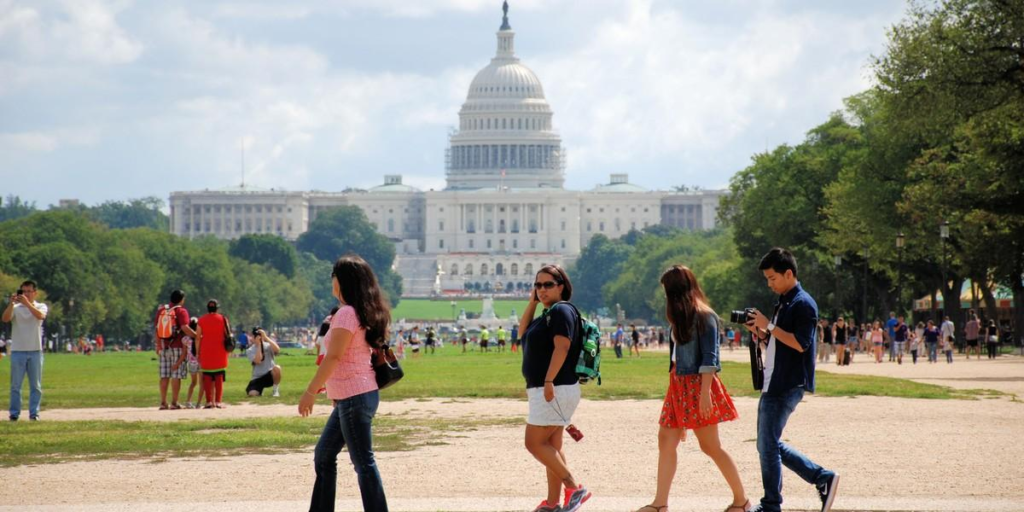
A major shift in travel behavior is changing how landmarks are experienced. Many Americans now prefer immersive experiences over quick sightseeing stops.
Instead of spending five minutes at a landmark for a photo, travelers increasingly want:
- Guided historical tours
- Local storytelling experiences
- Architectural insights
- Food and cultural experiences nearby
- Community events connected to the landmark
- Educational exhibits and museums
For example, visitors to the Alcatraz Island are often interested not only in the prison’s history but also in Native American activism, Bay Area politics, and broader conversations about incarceration in American history.
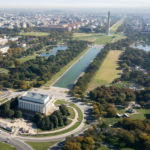
Similarly, the National Mall functions as both a tourist attraction and a place for civic engagement, protests, memorials, and national reflection.
This deeper engagement reflects broader cultural changes in tourism. Travelers increasingly want context, not just visuals.

The Influence of Social Media on Landmark Travel
Social media has dramatically changed how landmarks influence travel decisions. Platforms like Instagram, YouTube, and TikTok have transformed iconic locations into globally recognizable symbols that can trend overnight.
However, the impact goes beyond aesthetics.
Travelers now use social media to:
- Research crowd levels
- Learn historical background
- Discover nearby cultural experiences
- Find local guides
- Explore hidden viewpoints
- Understand seasonal travel conditions
A landmark’s digital presence can strongly affect tourism demand. Viral travel videos often increase visitation to specific destinations within months.
At the same time, this visibility has created challenges.
Popular landmarks increasingly face:
- Overtourism
- Infrastructure strain
- Environmental damage
- Rising local housing costs
- Congestion in surrounding neighborhoods
Destinations like Times Square and French Quarter continue balancing tourism growth with preservation of local quality of life.
Historic Preservation and the Modern Traveler
One reason landmarks continue influencing travel is the growing public interest in preservation and heritage.
Many travelers increasingly value destinations that protect historical authenticity rather than replace it with purely commercial development.
Organizations like the National Park Service and the National Trust for Historic Preservation play major roles in maintaining important sites across the country.
Travelers today often look for:
- Restored historic architecture
- Indigenous cultural interpretation
- Civil rights history
- Preservation-focused tourism
- Sustainable tourism initiatives
- Locally guided experiences
The popularity of places like Independence Hall and Martin Luther King Jr. National Historical Park demonstrates how historical landmarks remain deeply relevant to modern audiences.
For many travelers, visiting these places provides educational value alongside recreation.
How Landmarks Influence Regional Culture
Landmarks often shape how Americans perceive entire regions.
For example:
- The Mount Rushmore influences perceptions of American patriotism and western landscapes
- The Las Vegas Strip represents entertainment culture and nightlife tourism
- The Grand Canyon symbolizes outdoor exploration and conservation
- The Walt Disney World Resort shapes family travel culture in the United States
These locations influence regional branding, state tourism campaigns, and even infrastructure investments.
Airlines, cruise operators, hotel chains, and tour companies frequently build travel packages around landmark proximity because these places strongly influence booking behavior.
The Economic Impact of Landmark Tourism
Iconic landmarks are major economic drivers.
According to the National Park Service Visitor Spending Effects Report, visitors to national parks and historic sites contribute billions annually to local economies through lodging, dining, transportation, entertainment, and retail spending.
Landmark tourism supports:
- Hospitality jobs
- Tour operations
- Local restaurants
- Public transportation systems
- Event industries
- Cultural institutions
Cities with globally recognized landmarks often experience stronger tourism resilience during economic slowdowns because landmark travel remains a priority for many travelers.
For example, destinations like New York City, Washington, and San Francisco continue attracting visitors even during periods of broader travel uncertainty.

Why Lesser-Known Landmarks Are Gaining Attention
Modern travelers are also expanding beyond traditionally famous landmarks.
Many Americans now search for:
- Regional cultural landmarks
- Indigenous heritage sites
- Small-town historic districts
- Route 66 attractions
- Civil rights landmarks
- Industrial heritage museums
This shift reflects growing interest in more localized and authentic experiences.
Places like the Cahokia Mounds State Historic Site and Whitney Plantation have gained increased recognition because travelers are seeking deeper historical context beyond mainstream attractions.
Smaller destinations benefit because travelers increasingly value educational depth over popularity alone.
How Travelers Can Experience Landmarks More Meaningfully
Travel experts increasingly recommend slowing down and approaching landmarks with greater intentionality.
Instead of treating them as checklist destinations, travelers can improve their experiences through preparation and context.
Helpful approaches include:
- Research the landmark’s history before visiting
- Visit during less crowded seasons
- Use local guides when possible
- Explore surrounding neighborhoods
- Support nearby independent businesses
- Attend cultural events connected to the site
- Learn about preservation challenges affecting the landmark
For example, visiting the Freedom Trail becomes significantly more meaningful when travelers understand its role in Revolutionary War history and modern civic identity.
Similarly, exploring the Santa Fe Plaza offers greater value when visitors engage with Indigenous art, regional architecture, and local history rather than simply viewing the square itself.
The Future of Landmark-Centered Travel
Landmarks are likely to remain central to American travel for decades, but the way people engage with them will continue evolving.
Several trends are shaping the future:
Sustainable Tourism
Cities increasingly limit overcrowding and prioritize preservation efforts.
Technology Integration
Augmented reality tours, digital exhibits, and interactive storytelling are becoming more common at historical sites.
Community-Led Tourism
Local residents and historians increasingly influence how landmarks are interpreted and presented.
Educational Travel Growth
Families and younger travelers increasingly seek destinations offering learning opportunities alongside entertainment.
Cultural Representation
There is growing demand for broader historical inclusion, including Indigenous, immigrant, and civil rights narratives connected to landmark sites.
These changes suggest landmarks will continue functioning not only as tourism assets but also as platforms for cultural dialogue and education.

Frequently Asked Questions
Why are iconic landmarks important to tourism?
They attract visitors, support local economies, preserve cultural identity, and create emotional connections that influence travel decisions.
What makes a landmark culturally significant?
Historical importance, architectural uniqueness, symbolic meaning, and long-term influence on public identity all contribute to cultural significance.
How has social media changed landmark tourism?
Social media has increased visibility, influenced travel planning, and encouraged more experience-focused tourism around landmarks.
Are famous landmarks still worth visiting?
Yes. Many landmarks offer educational, historical, architectural, and cultural value beyond their visual appeal.
What are the most visited landmarks in the United States?
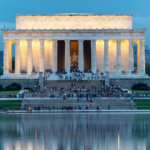
Popular examples include the Statue of Liberty, Golden Gate Bridge, Grand Canyon, and Lincoln Memorial.
Why do travelers seek cultural experiences at landmarks?
Many travelers want deeper understanding, educational value, and authentic engagement with local history and communities.
How do landmarks affect local economies?
They generate revenue through hotels, restaurants, transportation, retail, tours, and event-related spending.
What is heritage tourism?
Heritage tourism focuses on experiencing historical, cultural, and educational destinations connected to a region’s identity.
How can travelers avoid overcrowded landmark experiences?
Visiting during off-peak seasons, arriving early, and exploring lesser-known nearby attractions can improve the experience.
Are smaller cultural landmarks becoming more popular?
Yes. Many travelers increasingly prefer regional and historically significant sites that offer less crowded, more immersive experiences.
Places That Continue Defining the American Travel Experience
Iconic landmarks remain powerful because they connect travel with memory, identity, education, and storytelling. They help travelers understand not only where they are, but also how communities, cultures, and histories continue shaping modern life.
Whether someone visits the Golden Gate Bridge for architecture, the National Mall for civic history, or the Grand Canyon for natural wonder, these places continue influencing how Americans experience travel in meaningful and lasting ways.
Key Insights From America’s Landmark Travel Evolution
- Landmarks increasingly function as cultural symbols rather than simple tourist attractions
- Travelers now prioritize immersive and educational experiences
- Social media strongly influences landmark discovery and visitation
- Historic preservation plays a major role in tourism growth
- Smaller regional landmarks are gaining popularity
- Landmark tourism continues supporting local economies nationwide
- Sustainable and community-led tourism models are becoming more important
- Travelers increasingly value authenticity and historical context