From national monuments to historic bridges and cultural landmarks, America’s most recognizable destinations continue to influence how people plan trips in 2026. Travelers increasingly seek experiences tied to history, identity, architecture, and regional culture rather than simple sightseeing. These landmarks remain relevant because they offer emotional connection, educational value, walkable urban experiences, and memorable moments that fit modern travel habits focused on authenticity and shared experiences.
The Continued Power of Iconic American Landmarks
In an era dominated by digital travel guides, AI trip planning tools, and social media recommendations, it might seem surprising that traditional landmarks still hold enormous influence over American travel decisions. Yet in 2026, destinations like the Statue of Liberty, Golden Gate Bridge, Grand Canyon, and Mount Rushmore remain central to millions of travel itineraries every year.
These places do more than attract tourists. They shape entire travel routes, influence regional economies, and define how visitors experience American culture. For many travelers, iconic landmarks act as anchors around which broader vacations are built.
A family planning a western road trip may start with the Grand Canyon and then expand the itinerary to include nearby parks, small towns, and regional attractions. Similarly, international travelers visiting New York often organize several days around seeing the Statue of Liberty, Times Square, and Central Park before exploring neighborhoods and local dining scenes.
This pattern reflects a larger shift in travel behavior. Modern travelers want recognizable experiences, but they also want context, meaning, and local immersion.
Why Landmarks Still Matter in Modern Travel Planning
For decades, landmarks were viewed primarily as sightseeing stops. In 2026, they serve a broader role.
Travelers increasingly use landmarks as:
- Cultural entry points into a city or region
- Educational experiences for families
- Photography and memory-making locations
- Walkable hubs connected to food, museums, and entertainment
- Reliable destinations with strong infrastructure and accessibility
Many iconic landmarks also provide a sense of certainty in an unpredictable travel environment. Travelers may experiment with boutique hotels, lesser-known neighborhoods, or regional food tours, but recognizable landmarks offer familiarity and confidence.
This is especially important for multigenerational families, first-time travelers, and international visitors navigating large U.S. destinations.
According to recent travel industry reporting from organizations like the U.S. Travel Association, experiential travel continues to outperform purely transactional tourism. Visitors increasingly prioritize memorable activities tied to local culture and identity rather than simply checking destinations off a list.
Iconic landmarks naturally fit this preference because they combine story, place, and emotional recognition.
The Role of Social Media Without the Hype
Social media continues to influence travel decisions, but landmark tourism has evolved beyond simple photo opportunities.
Ten years ago, many travelers visited landmarks primarily to capture recognizable images for platforms like Instagram. While visual appeal still matters, travelers now look for deeper experiences connected to those places.
For example:
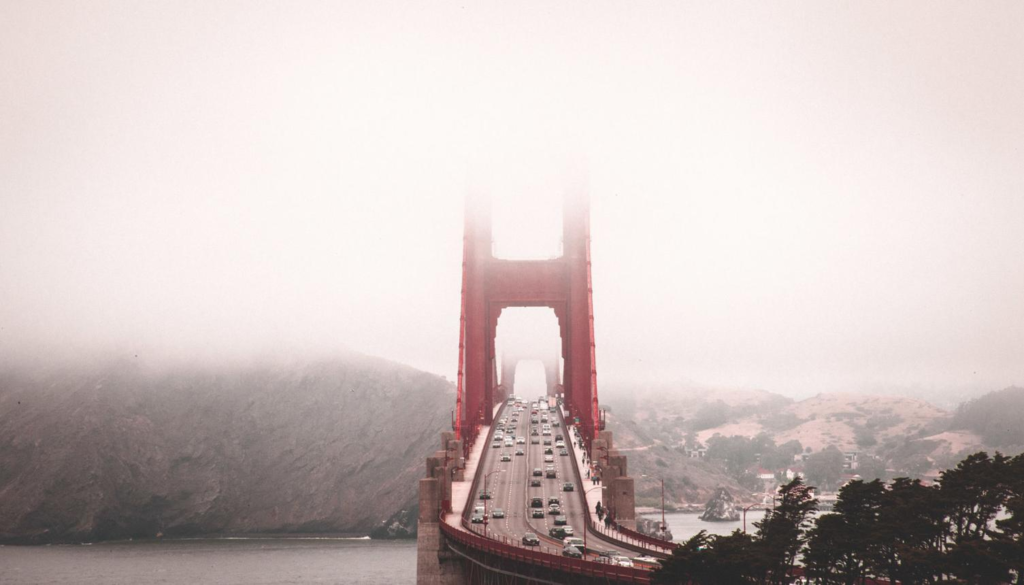
- Visitors to the Golden Gate Bridge often combine the experience with cycling tours, waterfront exploration, or local history walks
- Travelers visiting the Lincoln Memorial frequently include museum visits and civil rights history tours
- Trips to the Grand Canyon increasingly involve ranger-led programs, hiking education, and Indigenous cultural experiences
This shift reflects a broader maturity in travel behavior. Americans increasingly want trips that feel informative and personally meaningful rather than purely performative online.
At the same time, landmarks remain highly shareable. Their familiarity creates instant recognition among audiences, which still drives digital engagement.
That combination of cultural significance and visual identity keeps these destinations relevant across generations.
Why Road Trips Continue to Revolve Around Major Landmarks
Road travel remains one of the strongest segments of domestic tourism in the United States, and iconic landmarks continue to shape route planning.
Landmarks help travelers create structure within flexible travel schedules. Rather than planning every detail, many Americans organize trips around several major stops and fill in the surrounding experiences organically.
A typical Southwest itinerary in 2026 might include:
- Grand Canyon
- Hoover Dam
- Antelope Canyon
- Monument Valley
Similarly, East Coast travelers often organize historical road trips around:
- Independence Hall
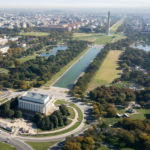
- National Mall
- Freedom Trail
Landmarks create recognizable milestones that make longer travel feel easier to plan and more rewarding.
They also help smaller communities benefit from tourism. Towns located near major attractions often see increased demand for local restaurants, lodging, outdoor recreation, and cultural activities.

Travelers Are Looking for Historical Context Again
One of the most notable travel shifts in recent years is renewed interest in American history and cultural storytelling.
Museums, memorials, preserved historic districts, and national parks have experienced renewed attention from travelers seeking educational experiences that feel relevant to current social and cultural conversations.
Places like the Alcatraz Island and the National Civil Rights Museum attract visitors not only because they are famous, but because they provide insight into larger American narratives.
Travelers increasingly ask questions such as:
- What historical events happened here?
- How has this landmark changed over time?
- What role does this place play in American identity?
- How do local communities interpret its significance today?
This curiosity has helped many landmark destinations modernize their visitor experiences through interactive exhibits, guided storytelling, augmented reality tours, and multilingual accessibility features.
The result is a more engaging experience that appeals to younger travelers and families alike.
National Parks and Natural Landmarks Are Seeing Continued Demand
America’s natural landmarks remain among the country’s strongest travel draws.
The popularity of destinations like the Yellowstone National Park, Yosemite National Park, and the Grand Canyon reflects ongoing demand for outdoor experiences that combine recreation with environmental appreciation.
Several factors continue to drive this trend:
- Increased interest in wellness-focused travel
- Flexible remote work schedules
- Desire for less crowded vacation experiences
- Growing appreciation for outdoor recreation
- Family-friendly accessibility
Many travelers now intentionally combine urban landmark tourism with nearby outdoor destinations.
For example, visitors to San Francisco may extend trips into Northern California’s coastal parks, while travelers visiting Seattle often combine city exploration with trips to Mount Rainier National Park.
This blended travel style has become increasingly common in 2026 because it balances culture, relaxation, and outdoor activity within a single itinerary.
How Landmark Tourism Supports Local Economies
Iconic landmarks remain major economic drivers for cities and regions across the United States.
Their influence extends far beyond admission tickets or guided tours.
Landmark-driven tourism supports:
- Hotels and short-term rentals
- Restaurants and food vendors
- Transportation services
- Local museums and attractions
- Tour operators
- Retail businesses
- Event venues
Cities with strong landmark identities often benefit from repeat visitation because travelers associate those places with recognizable experiences.
For example, the tourism ecosystem surrounding the Las Vegas Strip extends into entertainment, dining, sports events, conventions, and nearby desert tourism.
Likewise, Washington, DC’s landmark concentration supports year-round educational tourism, especially among school groups and international visitors.
Importantly, travelers today are also more likely to spend money in surrounding neighborhoods rather than remaining solely within tourist centers. This helps distribute economic activity more broadly across local communities.

Accessibility and Infrastructure Have Improved the Experience
Another reason iconic landmarks remain influential is that many have significantly improved visitor infrastructure over the past decade.
Travelers increasingly value:
- Mobile ticketing systems
- Timed-entry reservations
- Public transportation access
- ADA-compliant facilities
- Multilingual resources
- Sustainability initiatives
- Real-time crowd management
These operational improvements make landmark tourism easier and less stressful, particularly for families and older travelers.
Destinations that once suffered from overcrowding or confusing visitor systems have invested heavily in digital tools and smarter visitor management strategies.
For example, national parks increasingly provide:
- Reservation alerts
- Shuttle systems
- Trail condition updates
- Wildlife safety notifications
- Offline navigation tools
These practical upgrades improve traveler confidence while helping preserve heavily visited locations.
What Travelers Want From Landmark Experiences in 2026
Modern travelers are no longer satisfied with passive sightseeing alone.
Instead, they increasingly prioritize experiences that feel:
- Educational without being overwhelming
- Flexible and self-guided
- Locally connected
- Easy to navigate
- Worth sharing with friends and family
- Compatible with mixed-age groups
This explains why guided neighborhood tours, architecture walks, food experiences, and cultural storytelling programs have grown around many major landmarks.
A visit to a landmark is now often part of a larger experiential ecosystem.
For example, a traveler visiting the Space Needle may also seek:
- Local seafood restaurants
- Indigenous art museums
- Ferry experiences
- Waterfront walking tours
- Coffee culture exploration
Landmarks provide the recognizable starting point, while surrounding experiences create the lasting memory.
How Travelers Can Make Landmark Visits More Meaningful
For travelers planning landmark-focused trips in 2026, thoughtful preparation can significantly improve the experience.
Helpful strategies include:
Visit During Shoulder Seasons
Spring and fall often provide better weather, smaller crowds, and lower lodging costs compared to peak summer periods.
Explore Nearby Neighborhoods
Many travelers miss the most authentic local experiences by staying only within major tourist zones.
Use Ranger Programs and Guided Tours
Expert-led experiences often provide historical and cultural context unavailable through casual sightseeing.
Reserve Tickets Early
Timed-entry systems are increasingly common at high-demand destinations.
Balance Famous Stops With Smaller Attractions
Combining iconic landmarks with regional museums, local restaurants, or community events creates a more complete travel experience.
Research Cultural Context
Understanding the historical significance of a landmark often makes the visit more memorable and rewarding.

Why Iconic Landmarks Continue to Endure
Despite changing technology, shifting travel trends, and evolving consumer behavior, iconic American landmarks continue to matter because they offer something many travelers still seek: connection.
They connect people to history, geography, culture, identity, and shared memory.
In a fragmented digital environment, recognizable landmarks provide common reference points that transcend generations and backgrounds.
A child seeing the Statue of Liberty for the first time, a family standing at the edge of the Grand Canyon, or a visitor walking through the National Mall experiences more than tourism. These moments often become part of personal and collective memory.
That enduring emotional relevance explains why landmarks remain central to American travel in 2026.
Routes, Stories, and Shared Experiences
America’s most iconic landmarks continue to shape travel not because they are old traditions, but because they keep adapting to modern expectations. Travelers today want meaningful experiences, accessible infrastructure, educational value, and opportunities for authentic connection. Landmarks succeed when they function not simply as attractions, but as gateways into larger cultural, historical, and regional experiences that travelers remember long after the trip ends.
What Travelers Are Prioritizing More Often
- Experience-driven travel over checklist tourism
- Historical and cultural context
- Walkable destinations with layered activities
- Outdoor and wellness-oriented experiences
- Flexible road-trip itineraries
- Educational family travel
- Local food and neighborhood exploration
- Sustainable and accessible tourism infrastructure
Frequently Asked Questions
Why are iconic landmarks still popular in 2026?
They combine history, cultural identity, accessibility, and memorable experiences that appeal to a wide range of travelers.
What are the most visited American landmarks?
Popular destinations include the Statue of Liberty, Grand Canyon, Golden Gate Bridge, National Mall, and Yellowstone National Park.
Are landmark-focused trips good for families?
Yes. Many landmarks offer educational programming, guided tours, accessible facilities, and nearby activities suitable for multiple age groups.
How far in advance should travelers book landmark visits?
High-demand destinations often require reservations weeks or months in advance, especially during peak seasons.
Are road trips around landmarks still popular?
Yes. Landmark-centered road trips remain one of the most common forms of domestic travel in the United States.
Why do travelers combine landmarks with local experiences?
Travelers increasingly want deeper cultural immersion, including food, neighborhoods, museums, and regional history.
What is the best season for landmark travel?
Spring and fall are often preferred because they offer moderate weather and fewer crowds.
How has technology improved landmark tourism?
Mobile ticketing, digital guides, crowd management systems, and accessibility tools have made visits easier and more efficient.
Are national parks considered iconic landmarks?
Yes. Major parks like Yellowstone, Yosemite, and the Grand Canyon are among America’s most influential travel destinations.
Do landmarks still influence travel planning despite social media changes?
Absolutely. Landmarks remain trusted, recognizable anchors for travel itineraries even as travelers seek more personalized experiences.