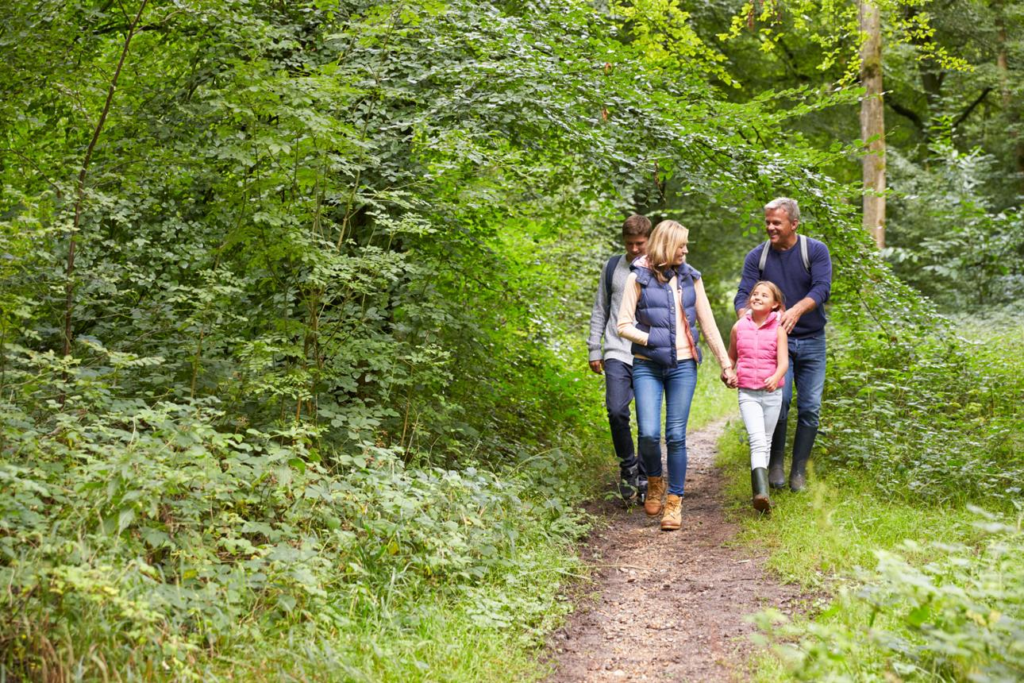
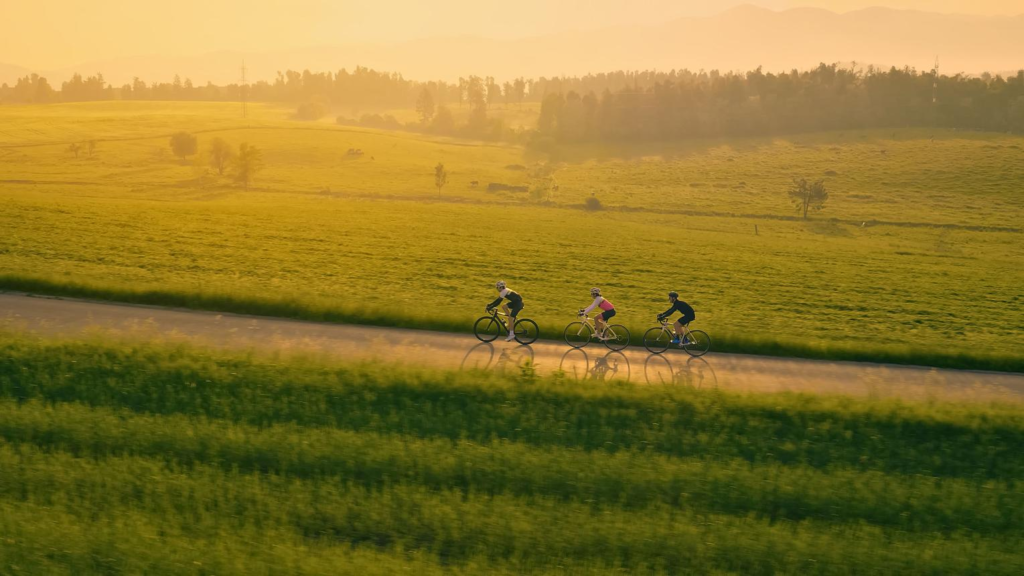
For many Americans, outdoor travel is shifting away from crowded tourist hubs and toward quieter, more meaningful experiences. Country trails — from rural rail paths to mountain routes and farmland corridors — are reshaping how people hike, bike, travel, and reconnect with nature. These trails now support wellness, local economies, sustainable tourism, and slower recreation, making them an increasingly important part of modern outdoor culture in the United States.
Why Country Trails Matter More Than Ever
Over the past decade, outdoor recreation in the United States has evolved significantly. Travelers are no longer focused solely on reaching iconic national parks or famous landmarks. Instead, many are seeking experiences that feel less commercial, less rushed, and more connected to local communities and landscapes.
Country trails have become part of that shift.
Across the US, converted rail corridors, forest routes, river paths, agricultural byways, and rural walking networks are attracting visitors who want a different relationship with the outdoors. These trails often combine recreation with history, conservation, wellness, and regional culture in ways that traditional tourism rarely provides.
According to the Outdoor Industry Association, outdoor recreation contributes hundreds of billions of dollars annually to the US economy, with hiking, trail walking, cycling, and nature tourism continuing to grow steadily. At the same time, surveys from recreation agencies show increasing demand for accessible, lower-density outdoor experiences.
Country trails meet those needs well because they offer:
- Reduced crowding compared to major tourism sites
- Easier access for casual outdoor participants
- Stronger connections to local communities
- Flexible experiences for families, retirees, and solo travelers
- Lower-cost recreational opportunities
- Opportunities for wellness-focused travel
The result is a broader cultural change in how Americans define outdoor recreation.
The Rise of Slow Outdoor Travel
One of the most noticeable changes in travel behavior is the rise of “slow travel.” Instead of planning packed itineraries, many travelers are prioritizing experiences that encourage longer stays, deeper engagement, and lower stress.
Country trails naturally support this approach.
Unlike destination-focused vacations, trail experiences encourage movement through landscapes rather than quick consumption of attractions. Travelers stop in small towns, visit local diners, stay at independent lodges, and spend more time observing natural surroundings.
This has helped revive interest in many rural regions that were previously overlooked by mainstream tourism.
Trails such as the Katy Trail State Park, the Great Allegheny Passage, and the Virginia Creeper Trail have become examples of how recreational infrastructure can transform regional travel patterns.
These trails are not only attracting experienced hikers and cyclists. They are increasingly used by:
- Remote workers seeking short-term rural escapes
- Families planning affordable weekend trips
- Older adults prioritizing accessible walking routes
- Wellness travelers interested in nature-based recovery
- First-time outdoor participants looking for manageable experiences
The appeal is often less about athletic performance and more about quality of experience.
How Country Trails Support Mental and Physical Wellness
Outdoor recreation has long been associated with physical health benefits, but recent interest in mental wellness has brought even more attention to trails and nature access.
Research from organizations including the National Park Service and the Centers for Disease Control and Prevention has linked time outdoors with reduced stress, improved mood, and increased physical activity. Walking-based recreation is especially appealing because it remains accessible across age groups and fitness levels.
Country trails are particularly valuable because they reduce some of the barriers commonly associated with outdoor recreation.
For example:
- Many rural trails are flatter and easier to navigate
- Rail-trail systems often support mobility-friendly access
- Trail towns frequently provide rest areas and services
- Visitors can choose shorter or longer distances depending on comfort
This accessibility matters in a country where many Americans report difficulty maintaining regular physical activity routines.
For some travelers, a simple two-mile countryside walk becomes more sustainable than an intense wilderness hike. Others use multi-day trail journeys as a way to disconnect from digital stress and restore healthier routines.
Outdoor therapists and wellness programs have increasingly incorporated trail-based activities into stress management and recovery strategies. While country trails are not substitutes for medical care, they are becoming meaningful parts of broader wellness lifestyles.
Small Towns Are Benefiting From Trail Tourism
One of the most significant impacts of country trail development is economic.
Rural communities that once struggled to attract tourism are increasingly benefiting from trail traffic. Visitors using long-distance trail systems often spend money on food, lodging, bike repair services, local retail, and entertainment.
In some regions, trails have become economic anchors.
Communities located near major recreational corridors have reported increases in:
- Small business activity
- Independent lodging demand
- Seasonal employment
- Property redevelopment
- Local event participation
For example, trail towns along the Great Allegheny Passage have seen sustained visitor spending from cyclists and hikers traveling between Pittsburgh and Cumberland.
Importantly, this type of tourism often spreads economic activity more evenly than large-scale destination tourism. Instead of concentrating spending in one resort or attraction, trail visitors move through multiple communities.
This model can be especially valuable for smaller towns seeking sustainable tourism growth without large commercial development projects.
The Expansion of Rail-Trails Across America
One major reason country trails are growing in popularity is the expansion of rail-trail conversions.
Rail-trails transform unused railroad corridors into recreational pathways for walking, biking, jogging, and sometimes horseback riding. These routes are often ideal for casual outdoor users because railroad grades tend to be gradual and accessible.
Organizations such as Rails-to-Trails Conservancy have helped drive national interest in these projects.
Today, thousands of miles of former rail corridors have been converted into public recreational infrastructure across the US.
Some well-known examples include:
- Silver Comet Trail
- Chief Ladiga Trail
- Paul Bunyan State Trail
- Mickelson Trail
These routes attract diverse users because they blend recreation with local history, scenic landscapes, and practical accessibility.
For many Americans, rail-trails offer a middle ground between urban parks and rugged wilderness adventures.
Why Families Are Choosing Trail-Based Travel
Country trails also fit changing family travel preferences.
Many parents are searching for outdoor experiences that feel safer, more affordable, and less logistically overwhelming than large vacation destinations.
Trails can meet those expectations because they allow families to control the pace and intensity of activities.
Instead of rigid schedules, families can:
- Walk short sections
- Stop frequently for rest or meals
- Combine recreation with educational experiences
- Introduce children to outdoor skills gradually
- Avoid expensive admission costs
Many trail systems also include visitor centers, historical signage, picnic areas, and nearby small-town attractions.
For children growing up in increasingly digital environments, trail experiences provide direct exposure to wildlife, geography, conservation, and local history in practical ways.
Parents often report that these trips feel less stressful than heavily commercial vacations because they reduce overstimulation and allow for more flexible planning.
Technology Is Quietly Changing the Trail Experience
Although country trails are often associated with unplugging, technology has still influenced their growth.
Digital trail maps, GPS navigation, review platforms, and outdoor apps have made rural exploration more accessible to beginners.
Travelers can now easily find:
- Trail difficulty ratings
- Parking information
- Nearby lodging
- Seasonal conditions
- Wildlife alerts
- Accessibility details
- Local dining recommendations
This improved access to information reduces uncertainty for first-time visitors.
Social media has also played a role, though not always in the way people expect. Instead of promoting only extreme outdoor adventures, many creators now highlight calm rural landscapes, walking routes, scenic overlooks, and slower travel experiences.
That has helped normalize outdoor recreation for people who may not identify as traditional hikers or athletes.
Conservation Challenges and Responsible Trail Use
As trail usage increases, conservation concerns are becoming more important.
Popular rural trails sometimes face issues related to overcrowding, erosion, litter, and habitat disruption. In some regions, increased tourism has also created tensions around parking, noise, and environmental pressure.
Responsible trail management is becoming essential for maintaining long-term sustainability.
Visitors can help protect trail systems by following basic practices:
- Stay on marked routes
- Respect wildlife habitats
- Carry out trash
- Follow local fire restrictions
- Support local businesses responsibly
- Avoid damaging vegetation
- Observe trail etiquette with cyclists and pedestrians
Many trail organizations now emphasize stewardship as part of the outdoor experience itself.
This reflects a broader shift in American outdoor culture: people increasingly want recreation that aligns with environmental responsibility rather than simple consumption.
What First-Time Trail Travelers Should Know
For people interested in exploring country trails for the first time, preparation does not need to be complicated.
Most successful experiences begin with realistic planning.
A few practical recommendations include:
Start With Accessible Trails
Choose well-maintained routes with clear signage and nearby services. Rail-trails are often ideal for beginners.
Match the Trail to Your Goals
Some travelers want exercise. Others prioritize scenery, photography, relaxation, or family activities. Selecting the right environment matters more than distance.
Prepare for Rural Conditions
Country trails may have limited cell service, fewer restrooms, or variable weather conditions. Bringing water, snacks, and basic supplies is important.
Explore Local Communities
Trail towns often provide some of the most memorable parts of the experience. Independent cafes, local museums, and regional businesses can add depth to the trip.
Travel During Shoulder Seasons
Spring and fall frequently offer better temperatures, fewer crowds, and stronger scenery than peak summer periods.
The Broader Cultural Shift Behind Country Trails
The growing popularity of country trails reflects something larger than recreation trends alone.
Many Americans are reevaluating how they spend free time, manage stress, connect with nature, and interact with communities. Fast-paced travel and highly commercialized tourism are no longer appealing to everyone.
Country trails represent a quieter alternative.
They allow people to move more slowly, experience landscapes directly, and engage with places that are often ignored by mainstream tourism.
In that sense, trails are becoming more than recreational infrastructure. They are shaping a different philosophy of outdoor experience — one focused less on performance and more on presence.
Where the Path Leads Next
As investments in trail infrastructure continue, country trails are likely to play an even larger role in American recreation and regional tourism.
Federal and state governments have expanded support for outdoor access projects, while local communities increasingly recognize the economic and cultural value of connected trail systems.
The future of outdoor travel may not depend entirely on bigger destinations or more extreme adventures. In many cases, it may center on quieter routes that encourage healthier movement, stronger local connections, and more sustainable exploration.
For travelers seeking a practical way to reconnect with nature without the pressures of conventional tourism, country trails are offering a compelling path forward.
Trail Insights Worth Remembering
- Country trails are attracting travelers seeking slower, less crowded outdoor experiences
- Rail-trail conversions have expanded accessible recreation across the US
- Trail tourism increasingly supports rural economies and small businesses
- Families and older adults are helping drive demand for manageable outdoor activities
- Wellness-focused travel has increased interest in walking and nature immersion
- Responsible trail use is becoming essential as visitor numbers grow
- Technology has made rural outdoor exploration more approachable for beginners
- Country trails represent a broader cultural shift toward sustainable recreation
Frequently Asked Questions
What is considered a country trail?
A country trail typically refers to a rural recreational pathway used for walking, hiking, cycling, or horseback riding. These trails may pass through forests, farmland, mountains, riversides, or converted rail corridors.
Are country trails suitable for beginners?
Yes. Many country trails, especially rail-trails, are designed for casual users and beginners. They often feature gradual terrain, marked routes, and accessible entry points.
What should I bring on a country trail trip?
Basic essentials include water, weather-appropriate clothing, snacks, comfortable footwear, navigation tools, sunscreen, and a phone charger or backup battery.
Are rail-trails different from hiking trails?
Yes. Rail-trails are usually built on former railroad corridors and tend to be flatter and more accessible than traditional hiking trails.
Why are rural trails becoming more popular?
Many travelers are seeking quieter, less commercial outdoor experiences that support wellness, affordability, and slower travel habits.
Do country trails help local economies?
Yes. Trail tourism often benefits small towns through increased spending on lodging, restaurants, local retail, and outdoor services.
Can families with children use country trails safely?
Many country trails are family-friendly, especially those with maintained surfaces, clear signage, and nearby facilities.
What is trail etiquette?
Trail etiquette includes staying on marked paths, yielding appropriately to other users, respecting wildlife, and carrying out trash.
Are country trails open year-round?
Some are, but accessibility depends on climate, maintenance, and regional conditions. Snow, flooding, or seasonal closures may affect availability.
How can travelers find reliable trail information?
State park websites, trail conservancies, local tourism offices, and outdoor recreation apps often provide updated maps and conditions.