
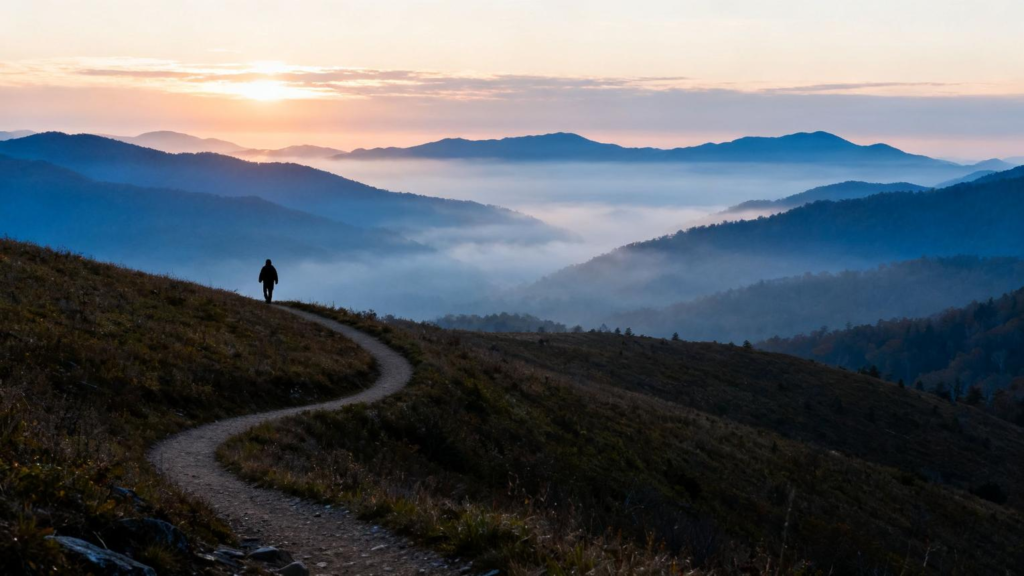
More Americans are rethinking what a satisfying trip looks like, and country trails are increasingly part of the answer. These routes offer something many travelers feel short on: time outside, lower-cost recreation, quieter scenery, and a slower pace that is easier to shape around families, wellness goals, and small-town travel. Here’s why country trail trips are gaining momentum and how to plan one well.
The shift toward slower outdoor travel is real
For years, much of the U.S. travel conversation centered on bucket-list cities, resort getaways, and high-energy itineraries. But a quieter travel pattern has been building in parallel: more Americans are looking for trips that feel restorative rather than packed, scenic rather than overstimulating, and flexible rather than overprogrammed. Country trails fit that mood unusually well.
They offer a type of outdoor travel that does not require elite fitness, a week of vacation, or a big equipment budget. A country trail day might mean a morning walk on a rail-trail through farm country, lunch in a small downtown, a stop at a local orchard or winery, and a sunset loop around a lake or ridgeline. For many travelers, that feels like a better use of a weekend than fighting traffic to stand in line at a crowded attraction.
That broader shift also lines up with what outdoor participation and travel data have been showing. Outdoor recreation has become a larger part of the U.S. economy, with the Bureau of Economic Analysis reporting that outdoor recreation generated roughly $1.2 trillion in economic output in 2023, and related reports in 2024 continued to show strong growth in participation and spending. Trails are a meaningful part of that picture because they are one of the most accessible entry points into outdoor recreation.
Country trails sit at the intersection of several travel priorities Americans increasingly care about:
- Scenery without heavy logistics
- Exercise that feels enjoyable rather than punishing
- Shorter, drivable trips
- Less crowded alternatives to major parks or cities
- Experiences that support local communities and small businesses
- A pace that works for couples, families, solo travelers, and older adults
In other words, the appeal is not just “people like hiking.” It is that country trails solve a modern travel problem: how to get a meaningful change of pace without turning a trip into another source of stress.
What people mean when they search for “country trails”
When Americans search for country trails, they usually are not asking only about backcountry hiking. In practice, the phrase covers a wide range of outdoor routes in rural or semi-rural settings, including:
- Rail-trails and greenways built on former rail corridors
- Scenic walking paths through farmland, valleys, vineyards, and river towns
- State park and forest trails with easy to moderate hiking
- Historic byways and heritage trails where the route connects nature with local history
- Mixed-use trails for walking, biking, birding, or leisurely day trips
- Small-town trail networks that can be paired with food, lodging, and local attractions
That range matters because it helps explain why trail travel has broadened beyond the traditional image of serious hikers carrying overnight packs. A family with young kids, a retired couple, a group of friends doing a long weekend, and a solo traveler looking for a quiet reset can all use the same trail region very differently.
One person may choose a three-mile morning loop with a bakery stop afterward. Another may build a full itinerary around a multi-day rail-trail cycling route. Both count as country-trail travel, and both benefit from the same core qualities: scenery, pace, and room to breathe.
Why country trails feel different from many other outdoor trips
The strongest draw of country trails is not necessarily difficulty or remoteness. It is the experience of moving through a landscape slowly enough to notice it.
On a trail in a rural area, the scenery tends to unfold in layers rather than all at once. You pass old barns, creek crossings, open fields, ridgelines, and small towns instead of jumping from one attraction to another. That rhythm changes how a trip feels. It creates more time for conversation, for looking around, and for the kind of unstructured travel moments people often remember best.
A country trail day is also unusually adaptable. You can turn it into a fitness outing, a photography day, a picnic trip, a birding stop, or a family excursion. That flexibility matters in a travel market where people are often coordinating different ages, interests, and energy levels.
There is another practical advantage: country trails can lower the “activation energy” of getting outside. Some travelers are interested in nature but not in complicated wilderness logistics. They may not want permits, difficult navigation, or a long list of gear. A well-maintained trail near a small town is a much easier yes.
The wellness factor is a major part of the appeal
A big reason country-trail travel resonates right now is that it aligns with how Americans increasingly think about wellness. Many travelers are not looking for an extreme challenge; they want a trip that leaves them feeling better than when they arrived.
Walking and hiking have long been associated with physical and mental health benefits, and newer reviews continue to reinforce that connection. Hiking and trail walking can support cardiovascular health, mood, stress reduction, and general well-being, especially when paired with time in natural settings.
Country trails make those benefits feel approachable because they tend to support lower-pressure movement. You can walk for 45 minutes or three hours. You can stop for photos, sit on a bench, or turn around early. That matters for people who want active travel without the “all or nothing” culture that can surround more intense outdoor pursuits.
For many travelers, the value of a trail weekend is not that they conquered something. It is that they spent a day outside, slept well, and came home feeling less mentally cluttered.
Country trails often make better weekend trips than major national park itineraries
National parks remain hugely popular for good reason, but not every traveler wants the planning complexity, drive times, or crowd levels that can come with marquee destinations. Country-trail trips are often a more realistic fit for the way Americans actually travel on weekends.
A well-chosen trail region can offer:
- A manageable drive from a major metro area
- Easier parking and fewer timed-entry concerns
- Lower lodging costs than top-tier resort or park markets
- More freedom to improvise your day
- Better odds of finding a last-minute table, room, or trailhead spot
Think about the difference between a tightly choreographed park trip and a two-night stay in a rural trail town. In the second scenario, you might arrive Friday evening, walk a riverside trail at sunset, do a moderate loop Saturday morning, have lunch in town, visit a local farm stand, and spend Sunday biking part of a rail-trail before heading home. It is active and scenic, but it does not require military-level planning.
That ease is part of the product.
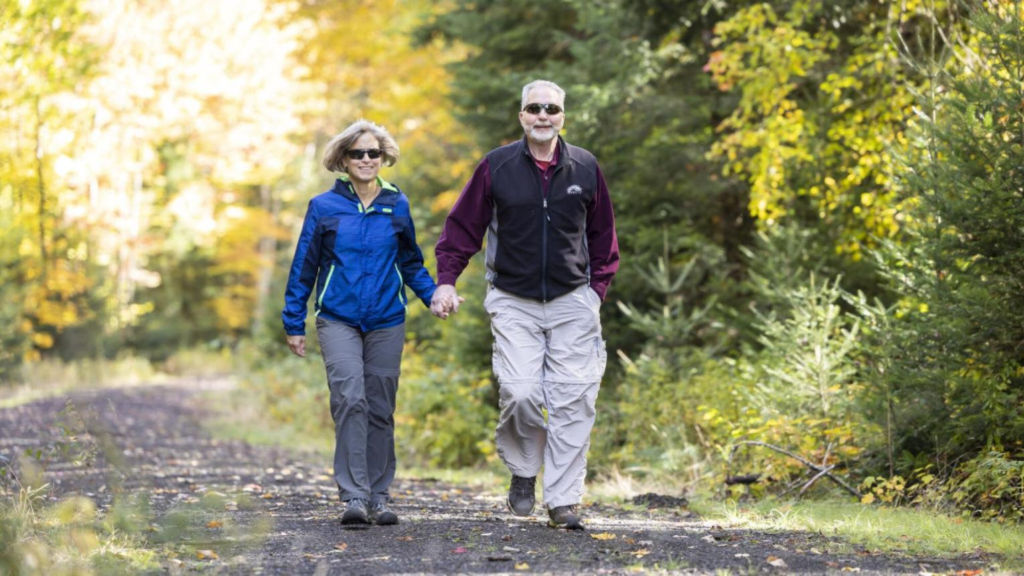
Trail towns are turning outdoor access into a full travel experience
Another reason country trails are drawing more travelers is that the trail itself is no longer the only attraction. Across the U.S., many rural communities have gotten better at building a visitor experience around trail access.
A trail town today may offer bike rentals, shuttle services, cafés that open early for hikers, inns with gear storage, maps tailored to beginners, and seasonal events built around foliage, wildflowers, or harvest weekends. Rail-trails in particular have helped some communities turn former transportation corridors into economic assets, linking small downtowns to recreation and bringing visitors who spend money on food, lodging, retail, and services.
Research on trail-related tourism consistently points to its economic potential for rural communities, especially when trails are integrated with local businesses and destination planning. Rails-to-Trails Conservancy and trail-focused economic research groups have also documented how trails contribute to tourism, quality of life, and local development.
For travelers, that translates into a better trip. You are not just walking a path; you are spending time in a place that has learned how to host trail visitors well.
What kinds of travelers are driving demand for country trails?
The audience is broader than many tourism marketers assumed a decade ago. Country trails appeal to several overlapping groups.
1) Weekend road trippers
This may be the clearest audience. They want a two- or three-day trip within driving distance, enough scenery to feel like a getaway, and an itinerary that is active without being exhausting.
2) Midlife travelers prioritizing wellness and simplicity
Travelers in their 40s, 50s, and 60s often want a trip that balances movement, comfort, and scenery. Country trails offer a good middle ground between sedentary sightseeing and high-intensity adventure travel.
3) Families who want outdoor time without complicated logistics
Not every family vacation needs a theme park or a full camping setup. A trail destination with short hikes, picnic areas, wildlife viewing, and a nearby town can be a very workable family trip.
4) Beginner hikers and casual cyclists
Country trails often feel less intimidating than wilderness routes. That makes them a good entry point for people who want to spend more time outdoors but are not ready for advanced terrain.
5) Travelers trying to avoid overtourism
Some Americans are actively looking for alternatives to the most crowded destinations. Country trails provide a way to see beautiful parts of the U.S. without adding another body to the same overburdened hotspots.
How to choose a country-trail destination that actually fits your trip
One of the easiest ways to ruin a trail-focused getaway is to choose a destination based on pretty photos rather than trip fit. The better approach is to match the trail region to your pace, budget, and travel style.
Here are the most useful questions to ask before you book:
How much driving do you want to do once you arrive?
If you want a true slow-travel weekend, look for a trail town where you can walk to food and lodging or access multiple routes without long car transfers.
Are you picturing hiking, walking, biking, or a mix?
Some destinations are better for rail-trail cycling and easy walking, while others are stronger for moderate day hikes. Read trail descriptions closely instead of assuming “trail town” means all formats are equally available.
What kind of scenery do you actually want?
Country trails vary enormously. Some offer mountain overlooks and forest canopies; others are more about river valleys, farms, covered bridges, wetlands, or coastal marshes. There is no universally best trail landscape, only the one that matches the mood of the trip.
Do you want a social trip or a quiet one?
Some trail destinations are lively on weekends, with breweries, markets, and lots of cyclists. Others are quieter and better suited to travelers who want fewer people and more solitude.
Are you traveling with mixed ability levels?
If yes, prioritize places with multiple trail lengths and surfaces. A destination with both easy crushed-stone rail-trails and nearby moderate hikes gives your group more flexibility.
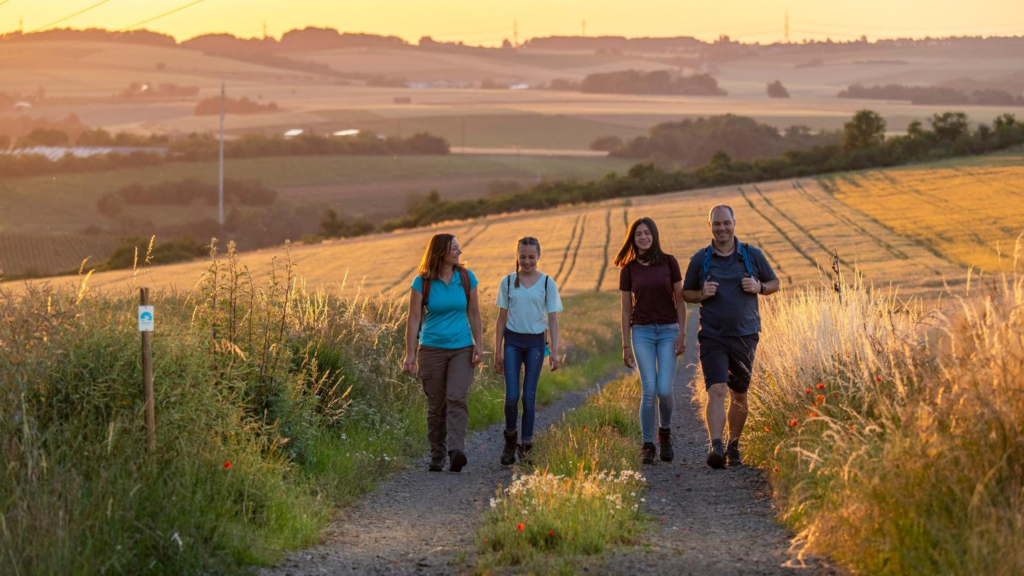
A practical framework for planning a successful country-trail weekend
The best country-trail trips usually combine one anchor activity with plenty of margin. That means avoiding the temptation to stack every scenic stop into one day.
A useful formula looks like this:
- One primary trail outing per day
- One flexible meal or town stop
- One optional add-on, such as a scenic drive, farm market, swimming hole, historic site, or local museum
- Built-in downtime for weather changes, fatigue, or spontaneous detours
For example, a Saturday might include a five-mile morning trail, lunch in town, and a slow afternoon visiting a farm stand and reading by the inn porch. That may not sound dramatic, but it is often exactly the kind of weekend people are searching for when they say they want to “get away.”
A few planning details that make a big difference
- Check surface type before packing. Gravel rail-trails, rocky forest paths, and paved greenways call for different shoes and expectations.
- Download offline maps if cell service may be inconsistent.
- Start earlier than you think during summer weekends, especially in popular foliage or leaf-peeping regions.
- Confirm whether dogs, bikes, or strollers are allowed if that matters for your group.
- Pack for the trail and the town: water, snacks, layers, and a cleaner change of clothes for lunch or dinner afterward.
Why trail etiquette and stewardship matter more as these places get busier
The growth in trail travel is positive for rural economies and public access, but it also creates pressure on the places people are coming to enjoy. More foot traffic can mean erosion, litter, parking problems, and strain on small communities if travelers treat trail areas casually.
That is why responsible trail use is not a side note. It is part of whether these destinations remain appealing over time.
At a minimum, travelers should follow standard outdoor etiquette:
- Stay on marked trails
- Carry out trash
- Respect private property and posted access rules
- Yield appropriately to other users
- Keep noise low
- Avoid blocking trailheads and narrow roads with poor parking choices
These habits are simple, but they matter more as trail-based tourism grows. The most attractive trail destinations in the next decade will likely be the ones that manage increased visitation without losing the quiet character that made them appealing in the first place.
What country-trail travel says about the future of American leisure
Country trails are not replacing every other kind of vacation, and they do not need to. Their importance is that they reflect a wider change in how many Americans now define value in travel.
Value increasingly means:
- more time outdoors
- less overplanning
- better pacing
- shorter travel distances
- a mix of movement and comfort
- meaningful local experiences rather than generic sightseeing
That is why country trails feel bigger than a niche trend. They fit the practical realities of modern life: limited vacation days, rising travel costs, crowded headline destinations, and a stronger desire for trips that feel restorative rather than performative.
For some travelers, the ideal weekend used to mean seeing as much as possible. Increasingly, it means noticing more by doing less.
The appeal of arriving nowhere in a hurry
Country-trail travel works because it gives people permission to experience a place at human speed. You are not racing from reservation to reservation or measuring success by how many landmarks you checked off. You are following a river bend, hearing gravel under your shoes, stopping for pie in a small town, and ending the day pleasantly tired instead of depleted.
That is not a rejection of ambitious travel. It is a reminder that not every memorable trip has to be big, expensive, or fast. For a growing number of Americans, the most satisfying escape is the one that lets them slow down enough to feel where they are.
What to remember before you pick your next trail getaway
- Country trails appeal because they combine scenery, flexibility, lower-pressure activity, and slower pacing
- They work especially well for weekend road trips, wellness-focused travel, families, and beginner outdoor travelers
- The best destinations are not just beautiful; they are well-matched to your group’s pace, ability, and preferred trip style
- Rural trail towns are increasingly turning outdoor access into a fuller travel experience with food, lodging, and local attractions
- Planning around one main outing per day usually leads to a more satisfying trip than overscheduling
- Responsible trail use matters as visitation grows
Frequently Asked Questions
1) What is the difference between a country trail and a hiking trail?
A country trail is a broader travel term. It can include traditional hiking trails, rail-trails, scenic walking paths, and mixed-use routes in rural settings. Some are rugged hikes, while others are easy walking or cycling routes suitable for beginners.
2) Are country trails good for beginner hikers?
Yes, many are. Rail-trails, lakeside paths, and shorter state-park loops are often a great starting point because they are easier to follow, less technical, and less physically demanding than backcountry routes.
3) Are trail vacations cheaper than national park trips?
They often can be, especially if the destination is within driving distance and located in a small town with more modest lodging and dining costs. That said, pricing varies by season and region.
4) What should I pack for a country-trail weekend?
Start with supportive walking shoes, water, snacks, layers, sunscreen, bug spray, a paper or digital trail map, and a small first-aid kit. If you plan to stop in town afterward, bring a clean shirt or casual change of clothes.
5) Are rail-trails a good option for families?
Usually, yes. Many rail-trails have gentler grades, predictable surfaces, and easier navigation than mountain trails, making them especially useful for families, casual cyclists, and multi-generational groups.
6) When is the best time of year to plan a country-trail trip?
Spring and fall are often ideal because temperatures are milder and scenery is strong, but the best season depends on the region. Summer can be excellent for higher-elevation trails or northern states, while winter works for select mild-weather destinations.
7) How do I find less crowded country trails?
Look beyond the most famous national-park-adjacent routes. Search for state park systems, rail-trails, land conservancy trails, and regional trail networks within two to four hours of a major metro area. Midweek visits also help.
8) Are country-trail destinations suitable for older travelers?
Very often, yes. Many trail towns offer accessible walking paths, scenic drives, and short nature routes that work well for travelers who want outdoor time without steep or technical terrain.
9) Can a trail-focused trip still work if I do not want to hike every day?
Absolutely. Some of the best country-trail itineraries mix one trail outing with food stops, scenic drives, historic sites, farm visits, paddling, or simply downtime at a lodge or inn.
10) Why are country trails becoming more popular now?
Because they match several current travel priorities at once: lower-stress planning, drive-to convenience, outdoor wellness, scenic value, and the desire for trips that feel slower and more restorative.