American heritage in 2026 is no longer just about famous monuments or patriotic symbols. It is the living record of how the United States was built, contested, improved, and remembered—through Indigenous histories, immigration stories, civil rights movements, local traditions, preserved landscapes, and the institutions that protect them. Understanding American heritage today means understanding both the country’s ideals and its unfinished work.
Why “American heritage” matters differently in 2026
In 2026, Americans are talking about heritage with unusual urgency. Part of that is timing: the country’s 250th anniversary has pushed museums, historic sites, schools, tourism boards, and local communities to revisit what should be celebrated, what should be preserved, and what should be told more honestly. Part of it is practical. Heritage now affects travel decisions, local economies, school curricula, downtown revitalization, public memory, and even housing and infrastructure policy around historic districts.
But the biggest reason the conversation feels different is that “American heritage” has become harder to reduce to a single narrative. For decades, many public-facing versions of American history focused heavily on founding documents, military milestones, and a handful of iconic places. Those remain important. Yet in 2026, the public understanding of heritage is broader and more layered. It includes the stories of enslaved people at presidential homes, Chinese railroad workers in the West, Native nations whose histories predate the United States, labor organizers, immigrant neighborhoods, Black churches, LGBTQ+ landmarks, and industrial sites that shaped entire regions.
That shift does not make heritage less American. It makes it more complete.
So what does American heritage actually mean?
The most useful way to define American heritage today is this: it is the collection of places, traditions, archives, artifacts, memories, and civic stories that help explain how the United States became what it is—and how Americans continue to argue over what it should be.
That definition matters because heritage is not just inheritance. It is also selection. Communities decide what gets restored, what gets commemorated, what gets taught, what gets funded, and what quietly disappears. A courthouse square, a jazz district, a tribal cultural center, a battlefield, a labor museum, a Chinatown business corridor, or a family recipe passed down over generations can all be heritage if they help preserve a meaningful part of the American story.
In practice, American heritage in 2026 usually shows up in five overlapping forms:
- Historic places such as national parks, historic districts, monuments, museums, battlefields, homes, churches, schools, and industrial sites
- Living traditions including language, music, foodways, festivals, craftsmanship, military remembrance, and community rituals
- Public records and archives such as oral histories, newspapers, presidential papers, tribal records, and museum collections
- Shared civic stories including the Revolution, Reconstruction, westward expansion, immigration, civil rights, labor history, and social movements
- Local identity expressed through neighborhood landmarks, regional customs, sports traditions, commemorations, and preservation efforts
That broader framework helps answer a common question people search for now: Is American heritage mainly about colonial and founding-era history? The answer is no. Founding-era history remains central, but it is only one layer of a much larger national inheritance.
The landmarks that still anchor the American story
Some places continue to shape how Americans understand themselves because they condense large historical ideas into physical space. They are not important only because tourists visit them. They matter because they let people stand inside the evidence.
Independence Hall and the unfinished promise of the founding
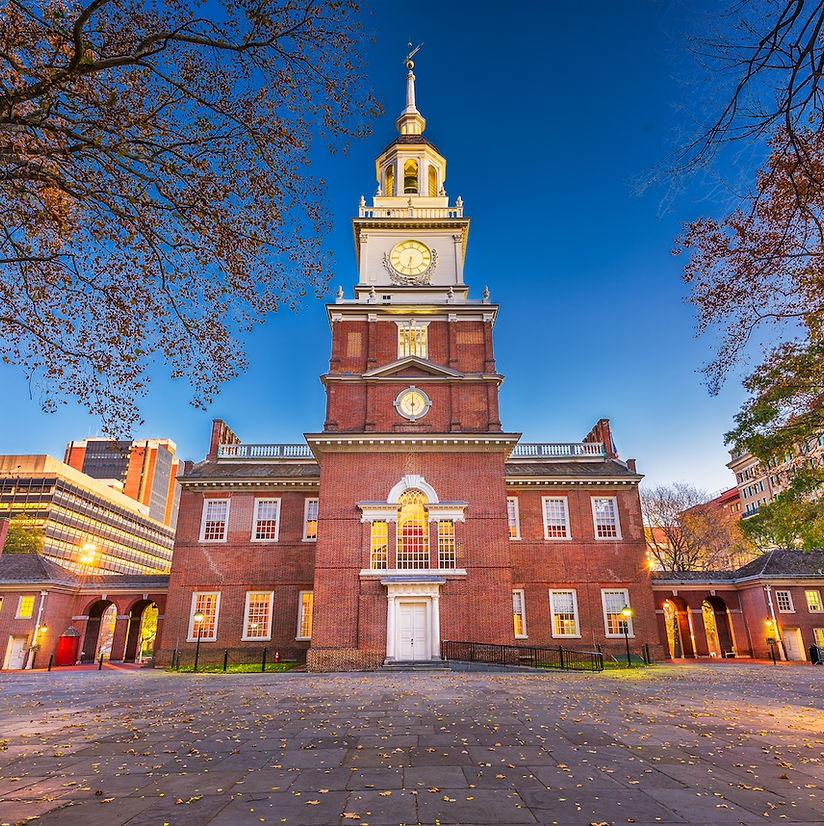
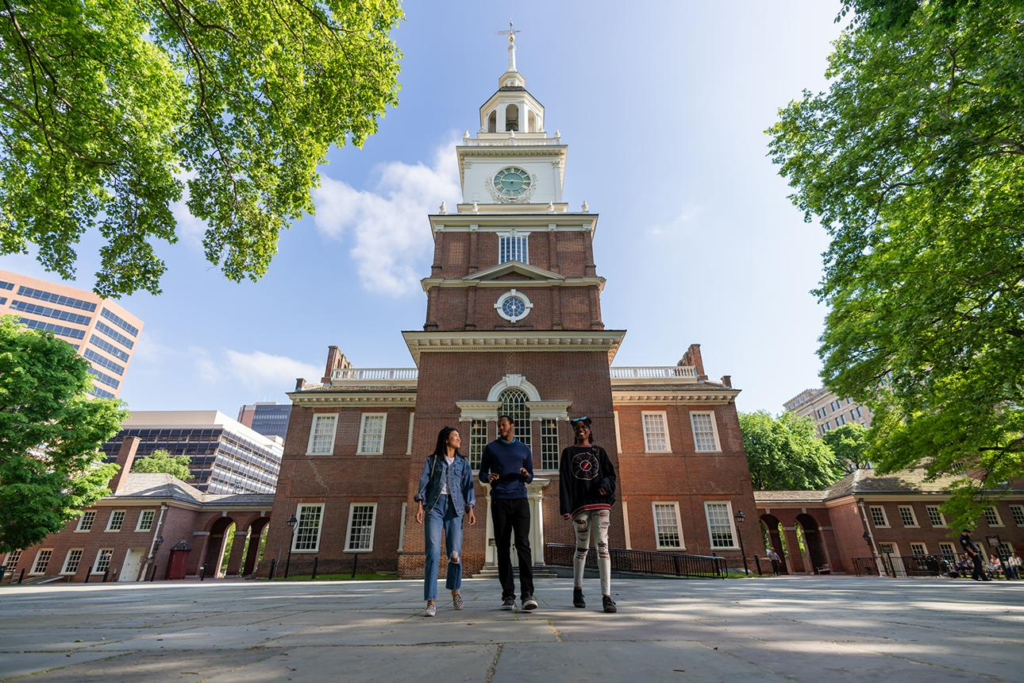
In Philadelphia, Independence Hall still represents the constitutional and democratic core of the American story. It is where the Declaration of Independence and the Constitution are tied most visibly to place. But in 2026, the surrounding interpretation matters just as much as the building itself. The best heritage experiences now place founding ideals next to the realities of exclusion, slavery, and contested citizenship, rather than treating those subjects as side notes. That more honest framing is one of the defining changes in how heritage is presented ahead of the 250th anniversary.
The National Mall as a map of national memory
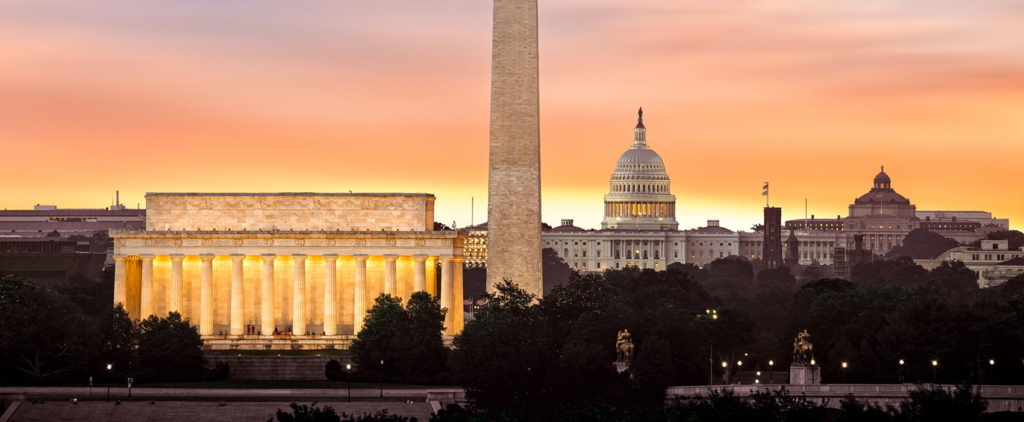
Washington, D.C.’s National Mall remains one of the clearest physical expressions of American heritage because it combines political memory, war remembrance, civil rights interpretation, and museum culture in one corridor. The Lincoln Memorial, Vietnam Veterans Memorial, National Museum of African American History and Culture, and the Smithsonian museums do not tell the same story—but that is exactly the point. Together they show that American heritage is cumulative and contested, not singular. The Smithsonian Institution alone spans 21 museums and draws roughly 30 million annual visitors, making it one of the country’s most influential public interpreters of national history.
Gettysburg, Selma, and the places where national values were tested
Some sites endure because they capture moments when the country was forced to decide what its principles meant in practice. Gettysburg National Military Park remains a touchstone not simply because of the Civil War, but because it raises unavoidable questions about union, slavery, sacrifice, and federal power. Edmund Pettus Bridge and the broader civil rights landscape of Selma do something similar for voting rights and democratic participation. These are not static memorials. They are places where modern political debates still echo through historical interpretation.
National parks, historic landscapes, and the American idea of stewardship
American heritage also includes landscapes, not just buildings. The national park system is one of the country’s most powerful heritage frameworks because it protects both natural and historic meaning. In 2024, the National Park Service reported a record 331.9 million recreation visits across the system, a reminder that heritage is not niche or elite—it is one of the most widely used public goods in American life.
That includes iconic scenic parks, but also historical places managed through the same system: battlefields, maritime sites, missions, homes, and commemorative landscapes. It also includes the infrastructure of preservation behind the scenes, from archaeological work to restoration grants and interpretation programs. The pressure on these sites is real, though. Higher visitation, climate stress, and funding debates are increasingly part of the heritage story itself.
The traditions that still shape everyday American life
When people hear “heritage,” they often picture monuments first. But living traditions are just as important because they show how the past stays active in ordinary life.
Food traditions are heritage, not just lifestyle content
One of the clearest examples is American food culture. Cajun cooking in Louisiana, Gullah Geechee culinary traditions in the Southeast, Indigenous foodways centered on corn, beans, and squash, Jewish deli culture in cities like New York, barbecue traditions across Texas, the Carolinas, Kansas City, and Memphis, and the evolving cuisines of immigrant communities all function as heritage. They preserve migration histories, labor histories, agricultural patterns, and religious traditions in ways that many museums cannot.
A family-run Mexican bakery in Chicago, a Juneteenth community cookout in Texas, or a Hmong farmers market in Minnesota can tell the story of American belonging every bit as effectively as a textbook chapter. Heritage survives because people keep making, adapting, and sharing these practices.
Regional rituals still organize civic life
County fairs, Fourth of July parades, tribal powwows, church homecomings, veterans’ commemorations, high school marching band traditions, and local harvest festivals may not always look “historic” in the museum sense, but they are part of how communities maintain continuity. They pass on values, memory, and local identity across generations.
In some places, these traditions also support local economies. Heritage tourism is now a major part of travel planning, and the broader heritage tourism market continues to grow globally. In the U.S., National Heritage Areas alone have been credited with billions in annual local economic activity and substantial job support, largely by linking history, recreation, and small business development.
Music, language, and craftsmanship carry history forward
American heritage is also audible. Jazz in New Orleans, bluegrass in Appalachia, mariachi in the Southwest, gospel in Black churches, Native language revitalization efforts, and folk traditions from immigrant communities all preserve historical memory. The same is true for craftsmanship: tribal beadwork, quilting traditions, boatbuilding, ironwork, woodworking, and preservation trades. These practices matter not only because they are beautiful, but because they encode how communities adapted to geography, migration, discrimination, work, and faith.
The stories that changed how heritage is interpreted
If there is one major difference between heritage conversations in 2026 and those of a generation ago, it is this: Americans increasingly expect heritage to include stories that were once minimized or compartmentalized.
Indigenous history is no longer optional context
A more accurate heritage framework begins before 1776. Indigenous nations shaped the land, trade routes, agricultural knowledge, diplomacy, and conflict patterns that defined early North America. Today, more museums and sites are incorporating Native perspectives into interpretation, place naming, archaeological stewardship, and land acknowledgments. That shift is uneven, and often overdue, but it reflects a basic correction: American heritage cannot begin with European settlement if it aims to be historically credible.
Slavery and Reconstruction are now central, not peripheral
The same is true for slavery and its aftermath. For much of the 20th century, many historic homes and public sites presented enslaved people as background labor rather than central historical actors. That has changed at numerous museums, plantations, and presidential sites, where interpretation now increasingly addresses forced labor, family separation, resistance, and the wealth extraction that helped build institutions Americans still revere. The public debate over how these histories should be presented is especially visible in 2026 as the country approaches its semiquincentennial.
Immigration stories are a core part of national heritage
Ellis Island remains iconic, but the heritage of immigration is much wider than one gateway. It lives in railroad camps, urban ethnic enclaves, churches, labor halls, corner stores, fishing communities, garment districts, and suburban religious centers. It also lives in language retention, holiday traditions, and second-generation reinventions of family customs. In practical terms, this is why neighborhood preservation matters: when a historically significant immigrant business district disappears under redevelopment, a heritage archive can be lost even if the city keeps a museum downtown.
Civil rights, labor, and social movements changed the map of significance
The heritage map of the United States now more clearly includes lunch counters, union halls, protest routes, women’s organizing spaces, LGBTQ+ archives, and schools that were battlegrounds for desegregation. These sites matter because they remind Americans that rights were not simply granted from above; they were organized, litigated, marched for, and often won through risk.
Why preservation is about more than nostalgia
One of the most common misconceptions about heritage is that preservation is mainly sentimental. In reality, preservation is often about civic function.
Historic buildings anchor downtown business districts. Protected neighborhoods can stabilize design character and tourism appeal. Archives support legal research, genealogy, education, and scholarship. Cultural landscapes help communities recover from the flattening effects of generic redevelopment. Heritage institutions also create economic value. The Historic Preservation Fund, administered through the National Park Service, remains one of the core federal tools supporting preservation work in states, tribes, and local communities.
Preservation also has a democratic function. It gives the public access to evidence. When documents are archived, buildings are restored, or oral histories are recorded, future generations are less dependent on myth alone. They can inspect the record for themselves.
That is why debates over exhibit language, site interpretation, and funding matter. They are not just museum politics. They affect how the country remembers itself.
How Americans can engage with heritage in a more meaningful way
For readers who want something more practical than theory, the most useful approach is to think of heritage as a set of habits rather than a single destination.
Here are some ways Americans are engaging with heritage more effectively in 2026:
- Visit one famous site and one local site in the same trip. Pair a major destination like Boston’s Freedom Trail with a neighborhood museum, tribal cultural center, labor history site, or local archive.
- Use heritage travel to ask better questions. At any historic site, ask whose story was once missing, what changed in the interpretation, and what evidence supports the narrative.
- Support living heritage, not just preserved heritage. That can mean attending a powwow open to the public, buying from long-standing local food businesses, visiting a community festival, or supporting a preservation nonprofit.
- Look beyond federal landmarks. Some of the most illuminating heritage sites in the U.S. are city museums, Black history trails, tribal museums, restored main streets, and small historical societies.
- Bring family history into the picture. Census records, church records, military records, oral interviews, and old photographs often turn “American heritage” from an abstraction into something personal and legible.
A useful rule of thumb is this: if a place or tradition helps explain how people in the United States lived, worked, worshipped, fought, migrated, celebrated, or demanded rights, it is probably part of American heritage.
What the 250th anniversary is changing
The country’s 250th anniversary has created a deadline effect. Institutions are racing to update exhibits, reopen sites, launch state-level commemorations, digitize archives, and attract visitors. Travel media and destination planners are also leaning into heritage itineraries tied to 2026 programming.
That momentum has obvious benefits. It can direct money toward restoration, bring attention to overlooked sites, and help Americans travel with more historical curiosity. But it also raises a harder question: Will the 250th produce a fuller story or just a more marketable one? The answer will depend on whether institutions keep broadening the frame rather than narrowing it to the safest symbols.
The strongest heritage work in 2026 does not treat patriotism and complexity as opposites. It treats them as responsibilities. A mature public history can honor constitutional ideals, military service, and local pride while also confronting slavery, dispossession, exclusion, and unfinished civil rights struggles. In fact, it has to.
Heritage as a living argument, not a fixed script
The most accurate way to understand American heritage in 2026 is to stop imagining it as a sealed box of approved stories. It is closer to a living argument held in public—through monuments, museums, family traditions, school trips, archived letters, national parks, restored theaters, and community commemorations.
That is why it still matters. Heritage is where Americans decide which parts of the past deserve protection, which stories deserve visibility, and which civic values are worth carrying forward. Some landmarks will always remain central because they symbolize the country’s founding aspirations. But the deeper meaning of American heritage now lies in the wider network of places and traditions that reveal how those aspirations were challenged, expanded, and reinterpreted by ordinary people over time.
If 2026 has clarified anything, it is this: American heritage is not only the story of what the nation was built to be. It is also the story of who insisted on being included in that promise.
Questions Americans are asking about heritage right now
Is American heritage the same thing as U.S. history?
Not exactly. U.S. history is the broader academic record of the nation’s past. American heritage is the portion of that history that communities actively preserve, commemorate, teach, interpret, and pass on through places, traditions, collections, and civic rituals.
What counts as American heritage besides monuments and museums?
A great deal: Indigenous cultural traditions, immigrant neighborhoods, foodways, oral histories, music, military remembrance, local festivals, labor landmarks, civil rights sites, historic main streets, and family archives all count when they preserve meaningful parts of the American story.
Why is American heritage such a big topic in 2026?
Because 2026 marks the 250th anniversary of the Declaration of Independence, which has intensified national attention on commemoration, preservation, public history, and the question of which stories the country chooses to elevate.
Are national parks part of American heritage or mainly about nature?
Both. Many national park sites protect landscapes, but the National Park Service also manages battlefields, historic homes, maritime sites, monuments, and cultural landscapes that are central to American history and memory.
How is American heritage different from patriotism?
Patriotism is a feeling or civic attachment to the country. Heritage is the historical and cultural record people preserve and interpret. The two can overlap, but heritage also includes difficult subjects that do not fit neatly into celebratory narratives.
Why are food and music considered part of heritage?
Because they preserve migration patterns, religious customs, regional identity, labor history, language, and intergenerational memory. In many communities, food and music are among the strongest ways cultural identity is maintained over time.
What are National Heritage Areas?
They are congressionally designated places where natural, cultural, historic, and recreational resources are managed through partnerships rather than as traditional national parks. They often connect preservation with tourism, education, and local economic development.
How can I explore American heritage without taking a major trip?
Start locally: visit a county historical society, historic cemetery, tribal museum, civil rights marker, preservation district, ethnic business corridor, or public archive in your region. Local heritage often makes national history easier to understand.
Why are museum exhibits about heritage so politically debated?
Because decisions about exhibits shape public memory. Questions about slavery, Indigenous dispossession, immigration, gender, religion, war, and civil rights often become debates about national identity, not just historical interpretation.
What is the most useful way to teach children about American heritage?
Use a combination of place-based learning and family storytelling. Visiting historic sites, reading local history, cooking family recipes, and discussing how different groups experienced the same era can make heritage concrete without oversimplifying it.