American heritage is preserved through a combination of historic places, community traditions, family stories, cultural celebrations, and the work of dedicated individuals. Across the United States, museums, national landmarks, local organizations, tribal communities, educators, and volunteers help connect younger generations to the nation’s diverse past. Understanding how these efforts work offers valuable insight into how history remains relevant in modern American life.
Why American Heritage Still Matters
American heritage is more than a collection of old buildings, historic documents, or museum exhibits. It represents the stories, values, traditions, and experiences that have shaped communities across generations. While technology, demographics, and lifestyles continue to evolve, many Americans remain interested in understanding where their families, communities, and institutions came from.
According to surveys conducted by national preservation organizations, Americans consistently express strong support for preserving historic sites and local landmarks. These places often serve as physical connections to important moments in history while providing educational opportunities for future generations.
Heritage preservation is not solely about looking backward. It also helps communities understand their identity, strengthen civic engagement, and create meaningful connections between generations.
The Historic Places That Connect Americans to Their Past
Across the country, thousands of locations help preserve and interpret American history.
Some of the most recognizable examples include:
- Colonial settlements
- Civil War battlefields
- Historic downtown districts
- National parks
- Indigenous cultural sites
- Immigration landmarks
- Historic schools and churches
- Presidential homes and libraries
These locations provide more than historical facts. They create immersive experiences that allow visitors to see, touch, and explore history in a tangible way.
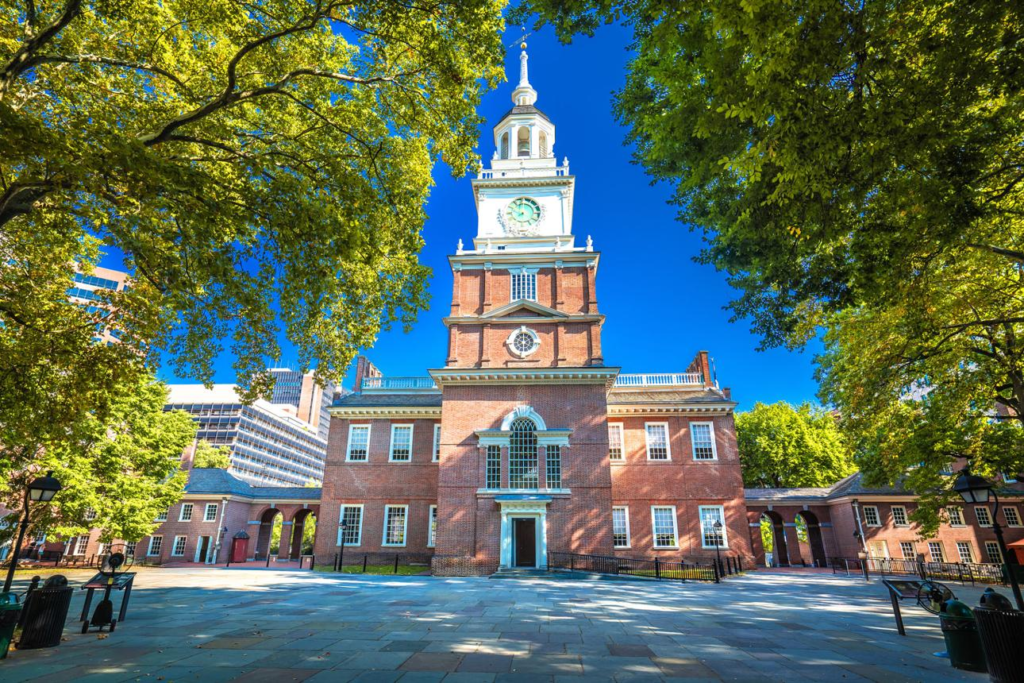
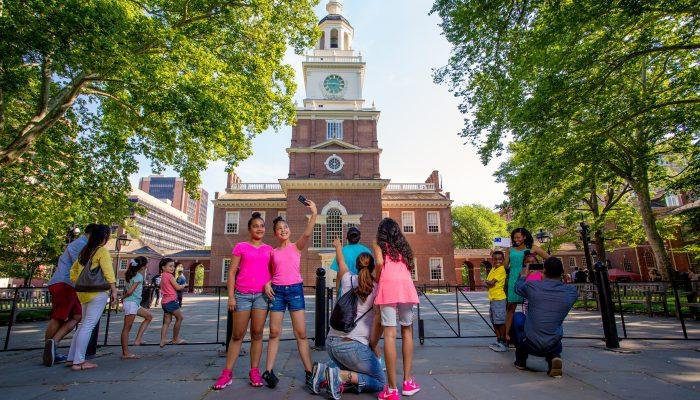
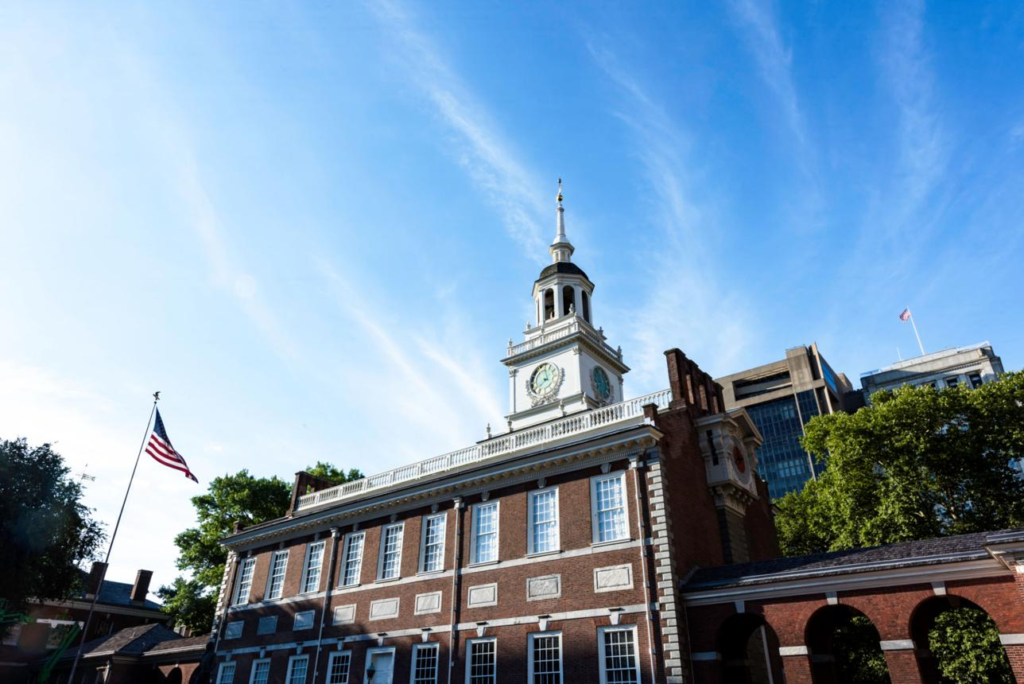
For example, a visit to Independence Hall allows visitors to stand in the room where key founding documents were debated. Similarly, Ellis Island helps families better understand the immigrant experiences that shaped millions of American lives.
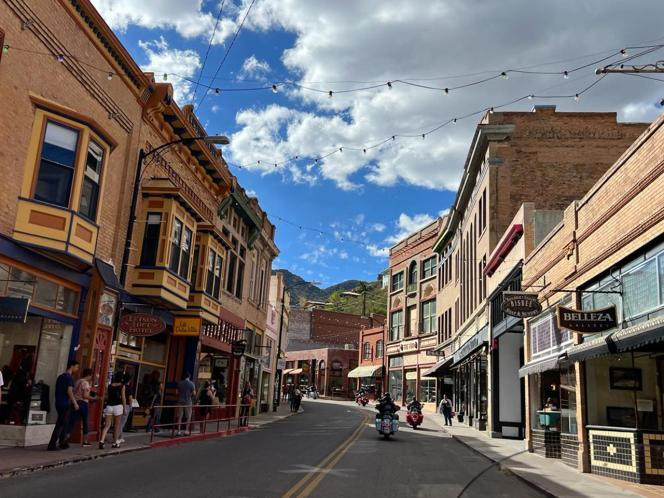
Many local communities also preserve smaller sites that rarely make national headlines but play an equally important role in maintaining regional history. Historic courthouses, family farms, community theaters, and neighborhood landmarks often become living classrooms for residents.
National Parks as Living History Classrooms
Many Americans associate national parks with scenic landscapes, but numerous parks also preserve important historical and cultural stories.
Examples include:
- Revolutionary War sites
- Native American heritage locations
- Civil Rights landmarks
- Military history sites
- Historic transportation routes
Visitors often leave these locations with a deeper understanding of how geography, culture, and history intersect.
Educational programs, ranger-led tours, archival collections, and interactive exhibits help transform historical information into memorable learning experiences.
For families seeking educational travel opportunities, heritage-focused destinations often provide a meaningful alternative to traditional vacations while encouraging intergenerational learning.
The People Preserving American Heritage Every Day
Historic places cannot preserve themselves. Behind every restored landmark, museum exhibit, and cultural festival are people dedicated to protecting historical knowledge.
These individuals include:
- Historians
- Archivists
- Museum curators
- Teachers
- Genealogists
- Tribal leaders
- Preservation specialists
- Community volunteers
Many spend years collecting oral histories, restoring artifacts, documenting family records, and researching local events.
Local historians, in particular, play an important role. While national narratives receive significant attention, local researchers often uncover stories that would otherwise be forgotten.
Community volunteers also contribute significantly by maintaining cemeteries, restoring historic buildings, digitizing records, and organizing educational events.
Their work ensures that future generations inherit a richer and more complete understanding of American history.
Indigenous Communities and the Protection of Cultural Heritage
Any discussion of American heritage must include the contributions of Indigenous communities.
Native nations across the United States continue to preserve languages, ceremonies, artistic traditions, ecological knowledge, and historical narratives that span thousands of years.
Efforts to revitalize Indigenous languages have gained momentum in recent decades. Educational programs, digital archives, community schools, and cultural centers help younger generations maintain connections to their heritage.
Many tribal communities are also working to protect sacred sites and ensure that historical interpretations accurately reflect Indigenous perspectives.
These efforts broaden public understanding of American history by incorporating voices that were often overlooked in earlier historical narratives.
Family Traditions and the Power of Personal History
For many Americans, heritage begins at home.
Family traditions often serve as the first introduction to cultural identity and historical awareness. These traditions may include:
- Holiday gatherings
- Traditional recipes
- Storytelling
- Religious observances
- Family reunions
- Cultural celebrations
- Military remembrance traditions
A grandparent sharing family stories can sometimes have as much impact as a history textbook.
Genealogy has become increasingly popular as online databases and DNA testing services make family research more accessible. Millions of Americans are exploring ancestral connections and discovering stories that help explain family migrations, occupations, and cultural backgrounds.
This growing interest reflects a broader desire to understand personal connections to larger historical events.
Cultural Festivals Keeping Traditions Alive
Community festivals provide another important link between past and present.
Across the United States, annual events celebrate cultural traditions brought by generations of immigrants and regional communities.
Examples include festivals highlighting:
- Irish heritage
- Italian heritage
- Hispanic traditions
- Native American cultures
- African American history
- Scandinavian customs
- Asian American communities
These events often feature music, food, dance, crafts, storytelling, and educational exhibits.
Importantly, cultural festivals are not only celebrations. They are opportunities for education, cross-cultural understanding, and community engagement.
For younger attendees, these experiences can make cultural history feel relevant and accessible in ways that classroom instruction sometimes cannot.
How Schools and Educators Help Pass Heritage Forward
Educators remain among the most influential heritage ambassadors in the country.
Effective history education helps students move beyond memorizing dates and names. Instead, it encourages critical thinking about how historical events continue to influence contemporary issues.
Many schools now incorporate:
- Primary-source analysis
- Oral history projects
- Local history research
- Community interviews
- Historic site visits
- Cultural heritage projects
These approaches help students see history as a living subject rather than a static collection of facts.
Partnerships between schools, museums, libraries, and historical societies further expand opportunities for experiential learning.
The Role of Technology in Heritage Preservation
Technology has transformed how Americans preserve and access historical information.
Digital tools now allow institutions to:
- Scan fragile documents
- Create virtual museum exhibits
- Digitize photographs
- Preserve oral histories
- Map historic locations
- Share archives globally
As a result, researchers, students, and families can access materials that previously required extensive travel.
Virtual tours and online collections have also expanded public engagement with historical resources.
While digital preservation cannot replace physical sites and artifacts, it significantly increases accessibility and helps protect valuable information from loss.
Challenges Facing Heritage Preservation
Despite widespread interest in history and preservation, several challenges remain.
Common concerns include:
- Funding limitations
- Aging infrastructure
- Environmental threats
- Natural disasters
- Loss of historical records
- Declining volunteer participation
- Rapid urban development
Many historic buildings require ongoing maintenance and specialized restoration expertise.
Communities often face difficult decisions about balancing economic growth with preservation goals. Successfully navigating these challenges requires collaboration among government agencies, nonprofits, businesses, and residents.
How Americans Can Help Preserve Heritage
Many people assume heritage preservation is the responsibility of large institutions, but individuals can make meaningful contributions.
Practical ways to get involved include:
- Visiting historic sites
- Supporting local museums
- Recording family stories
- Preserving photographs and documents
- Volunteering with historical organizations
- Participating in cultural events
- Researching local history
- Teaching children about family traditions
Even small actions can help ensure valuable stories and traditions remain available to future generations.
Heritage preservation succeeds when communities actively participate rather than simply observe.
Frequently Asked Questions
What is American heritage?
American heritage refers to the historical experiences, cultural traditions, values, places, and stories that have shaped the United States and its diverse communities over time.
Why is preserving American heritage important?
Preservation helps communities maintain cultural identity, understand historical events, support education, and strengthen connections between generations.
How do historic landmarks contribute to heritage preservation?
Historic landmarks provide physical connections to important events, people, and cultural developments while offering educational opportunities for visitors.
What role do families play in preserving heritage?
Families preserve heritage through storytelling, traditions, photographs, recipes, cultural practices, and the transmission of historical knowledge.
How do museums help protect heritage?
Museums collect, conserve, research, and interpret artifacts while providing educational programs that make history accessible to the public.
Can technology help preserve history?
Yes. Digital archives, document scanning, virtual exhibits, and online collections make historical materials more accessible and protect them from deterioration.
Why are cultural festivals important?
Cultural festivals celebrate traditions, promote education, encourage community engagement, and help younger generations connect with their heritage.
What challenges threaten heritage preservation?
Funding shortages, environmental damage, urban development pressures, aging infrastructure, and loss of historical records are among the primary challenges.
How can individuals support heritage preservation?
Individuals can visit historic sites, volunteer, support museums, preserve family records, participate in cultural events, and share historical knowledge with younger generations.
What makes American heritage unique?
American heritage reflects contributions from Indigenous peoples, immigrants, diverse cultural communities, and generations of citizens whose experiences collectively shaped the nation.
Keeping the Story Moving Forward
American heritage remains alive because people continue to care for it, teach it, celebrate it, and pass it forward. Historic places preserve physical connections to the past, while educators, families, cultural organizations, and community leaders ensure that traditions and stories remain relevant. As new generations inherit these responsibilities, heritage becomes less about preserving the past and more about maintaining an ongoing conversation between history and the future.
Key Insights at a Glance
- American heritage is preserved through places, people, and traditions.
- Historic landmarks provide direct connections to important events.
- National parks play a major role in cultural and historical education.
- Families remain central to heritage preservation.
- Indigenous communities protect vital cultural knowledge and traditions.
- Festivals help keep cultural identities active and visible.
- Technology has expanded access to historical resources.
- Preservation efforts face ongoing funding and development challenges.
- Individuals can make meaningful contributions through local involvement.
- Heritage remains strongest when communities actively participate.
A Legacy Shared, Not Stored
American heritage survives because it is actively practiced rather than simply preserved. Historic places offer physical reminders of the past, but it is people—families, educators, cultural leaders, volunteers, and community members—who keep those stories meaningful. As traditions continue to evolve and new generations add their own experiences, American heritage remains a living, shared legacy that connects the nation’s past, present, and future.
Heritage Highlights
- Historic places provide tangible links to national and local history.
- Preservation depends on dedicated individuals and community involvement.
- Indigenous communities play a vital role in protecting cultural heritage.
- Family traditions help pass history between generations.
- Cultural festivals strengthen identity and community engagement.
- Schools and museums support heritage education.
- Technology expands access to historical resources.
- Preservation faces modern challenges but remains widely supported.
- Local action often has lasting impact.
- Heritage continues to evolve while maintaining connections to the past.