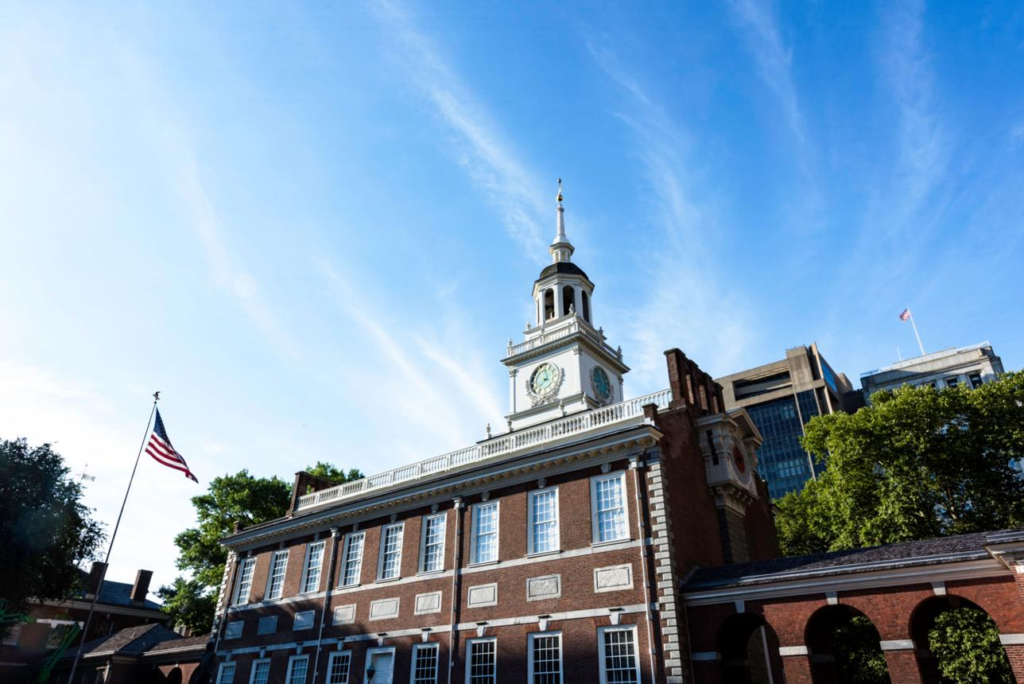
American heritage extends far beyond historical documents and famous landmarks. It includes the ideals that shaped the nation’s founding, the traditions passed through families and communities, and the cultural contributions of generations of Americans from diverse backgrounds. Understanding American heritage helps explain how the country evolved, why local traditions matter, and how shared values continue to influence everyday life across the United States.
Understanding American Heritage Beyond History Books
When many Americans think about heritage, images of historic monuments, colonial towns, or founding documents often come to mind. While these elements are important, American heritage is much broader and more complex. It represents the collective experiences, values, customs, stories, and achievements that have shaped the nation over centuries.
American heritage is not a single narrative. It is a collection of countless stories from Indigenous communities, early settlers, immigrants, military veterans, entrepreneurs, artists, educators, religious groups, and local leaders who contributed to the country’s development.
The United States is unique because its heritage continuously evolves. Unlike many nations with thousands of years of centralized history, America’s story is characterized by constant change, migration, innovation, and adaptation. As a result, heritage in the United States often exists simultaneously at national, regional, state, and community levels.
Today, preserving heritage is not simply about protecting old buildings. It is also about maintaining traditions, documenting family histories, celebrating cultural diversity, and ensuring future generations understand the experiences that shaped the nation.
The Founding Ideals That Continue to Shape America
At the heart of American heritage are the founding principles that emerged during the nation’s creation.
The concepts of liberty, representative government, individual rights, and civic participation remain central to American identity. The Declaration of Independence established ideas about equality and self-governance that continue to influence public discussion, education, and policymaking.
These ideals have never been static. Throughout American history, different generations have debated how these principles should be applied. Major historical developments, including the abolition of slavery, women’s suffrage, civil rights movements, and voting rights expansions, reflect ongoing efforts to align the nation more closely with its stated values.
Many Americans encounter these founding ideals not only through textbooks but also through civic traditions such as:
- Voting in local and national elections
- Serving on community boards
- Participating in volunteer organizations
- Attending public meetings
- Supporting local institutions
These everyday activities help transform abstract principles into living traditions.
How Immigration Expanded the American Story
One of the defining characteristics of American heritage is its connection to immigration.
Successive waves of newcomers have influenced nearly every aspect of American life, including language, food, music, architecture, business practices, and community traditions.
German immigrants helped shape farming communities across the Midwest. Italian Americans contributed significantly to urban culture and cuisine. Irish immigrants influenced politics and labor movements. Asian American communities expanded economic opportunities and cultural diversity. Hispanic communities have profoundly shaped language, arts, education, and commerce across many regions.
Rather than replacing existing traditions, many immigrant groups blended their customs with local practices, creating uniquely American expressions of heritage.
Examples include:
- Neighborhood cultural festivals
- Regional food traditions
- Community parades
- Faith-based celebrations
- Local artistic traditions
This blending process continues today as new generations contribute their own experiences to the broader American narrative.
Why Local Traditions Matter as Much as National Symbols
National landmarks often receive significant attention, but local traditions frequently have a deeper impact on everyday life.
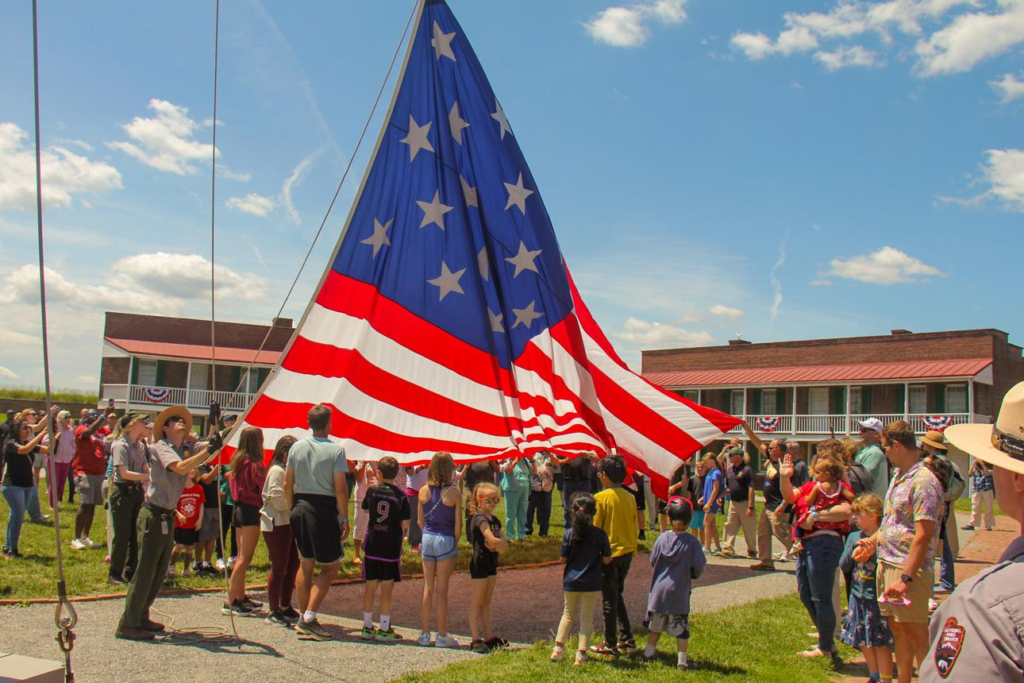
Across the country, communities maintain annual events that connect residents to shared history and identity. County fairs, holiday parades, farmers markets, historical reenactments, local festivals, and civic celebrations all help preserve community heritage.
These traditions perform several important functions:
- Strengthen community bonds
- Support local economies
- Encourage intergenerational connections
- Preserve regional identity
- Educate younger residents about local history
For example, small-town Independence Day celebrations often serve as both patriotic events and community reunions. Similarly, regional festivals may celebrate agricultural heritage, local industries, or ethnic traditions that helped shape a particular area.
In many cases, these local traditions become some of the strongest expressions of heritage because they involve direct participation rather than passive observation.
The Role of Family Stories in Preserving Heritage
Heritage often begins at home.
Family stories provide personal connections to larger historical events. A grandparent’s experience during wartime, an ancestor’s immigration journey, or a family’s involvement in a local business can transform history into something tangible and meaningful.
Genealogy research has become increasingly popular as Americans seek to better understand their roots. Digital archives, historical records, DNA testing services, and online databases have made family history research more accessible than ever before.
People often discover connections to:
- Military service
- Migration patterns
- Historic occupations
- Cultural traditions
- Regional communities
These discoveries help individuals place their personal experiences within the broader context of American history.
Importantly, family heritage is not solely about distant ancestors. It also includes traditions actively practiced today, from holiday recipes to community involvement and family values.
Preserving Historic Places in a Modern Nation
Historic preservation plays a crucial role in maintaining connections to the past.
Across the United States, preservation efforts protect significant buildings, neighborhoods, battlefields, parks, and cultural landmarks. These sites provide physical evidence of historical events and social developments.
According to preservation organizations, historic districts often generate economic benefits through tourism, revitalization, and increased community investment. Heritage tourism remains one of the strongest segments of the travel industry because visitors frequently seek authentic experiences connected to local history.
Preservation efforts help communities:
- Protect architectural heritage
- Promote education
- Encourage tourism
- Strengthen local identity
- Support economic development
However, preservation also involves balancing growth and modernization with historical protection. Communities frequently face difficult decisions about how to maintain historical character while meeting contemporary needs.
How Cultural Heritage Continues to Evolve
A common misconception is that heritage belongs only to the past.
In reality, heritage is constantly evolving. Today’s traditions may become tomorrow’s historical legacy.
Modern examples include:
- Community volunteer initiatives
- Neighborhood cultural festivals
- Public art programs
- Local environmental conservation efforts
- Civic engagement projects
Technology has also transformed how heritage is documented and shared. Digital archives, online museums, virtual tours, and social media platforms allow communities to preserve stories and reach wider audiences.
Younger generations increasingly contribute to heritage preservation through digital storytelling, oral history projects, and community documentation efforts.
Rather than weakening heritage, these new tools often help strengthen awareness and accessibility.
The Importance of Indigenous Heritage in America
Any discussion of American heritage must include Indigenous peoples whose histories predate the formation of the United States by thousands of years.
Native American nations maintain rich cultural traditions, languages, artistic practices, governance systems, and historical knowledge that remain vital parts of American heritage.
Many communities across the country are working to increase awareness of Indigenous history through:
- Educational programs
- Cultural centers
- Museum exhibits
- Language preservation efforts
- Tribal heritage initiatives
Recognizing Indigenous contributions provides a more complete understanding of America’s past and present.
It also highlights the diversity of experiences that have shaped the nation over time.
What American Heritage Means for Future Generations
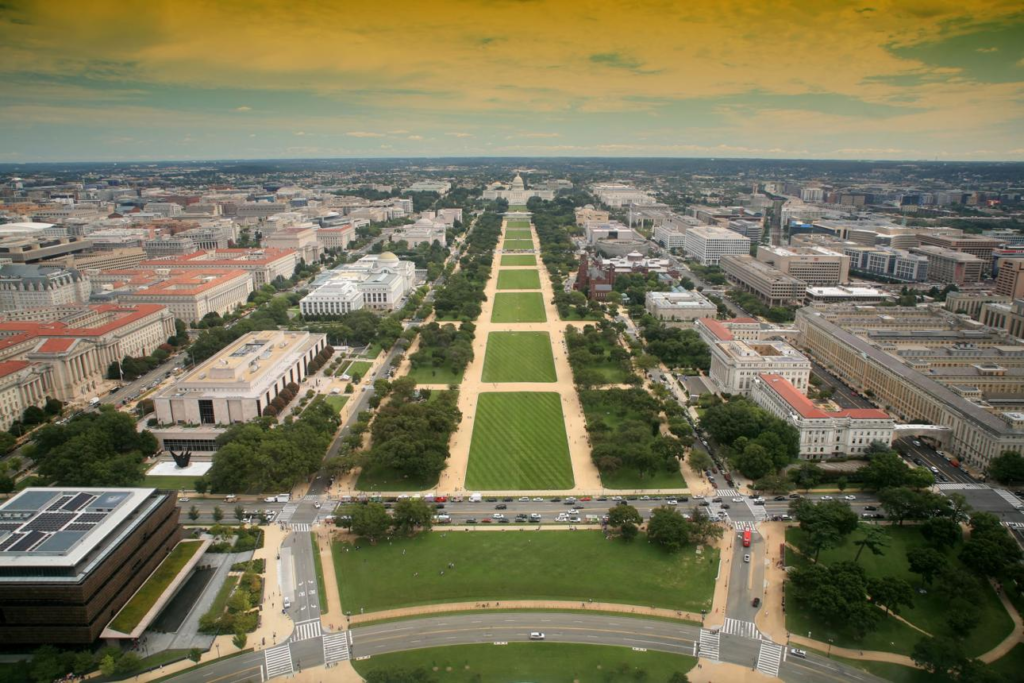
The future of American heritage depends largely on education, participation, and preservation.
Heritage is not automatically passed from one generation to the next. It requires active engagement by families, schools, communities, and institutions.
Future generations will inherit both physical landmarks and cultural traditions. They will also determine which stories receive attention and how those stories are interpreted.
Successful heritage preservation involves:
- Teaching history accurately
- Encouraging civic participation
- Supporting local traditions
- Protecting historical resources
- Documenting diverse experiences
When communities invest in these efforts, they create stronger connections between the past, present, and future.
Frequently Asked Questions
What is considered American heritage?
American heritage includes the nation’s history, founding principles, cultural traditions, historical landmarks, family stories, community customs, and the contributions of diverse groups that helped shape the United States.
Why is American heritage important?
It helps people understand the nation’s development, strengthens community identity, preserves historical knowledge, and provides context for current social and political discussions.
How do local traditions contribute to heritage?
Local traditions preserve regional identity, strengthen community bonds, pass knowledge between generations, and keep historical experiences relevant in everyday life.
Is American heritage only about the founding fathers?
No. American heritage includes contributions from Indigenous peoples, immigrants, civil rights leaders, workers, artists, military veterans, educators, and countless community members throughout history.
How can families preserve their heritage?
Families can document stories, maintain traditions, research genealogy, preserve photographs, record oral histories, and share experiences across generations.
What is heritage tourism?
Heritage tourism involves visiting historical sites, cultural attractions, museums, and communities to learn about history and cultural traditions.
How does immigration influence American heritage?
Immigration has shaped American culture, food, language, business, arts, and traditions, making diversity one of the defining characteristics of American heritage.
What role do historic landmarks play?
Historic landmarks provide physical connections to important events, people, and cultural developments that shaped communities and the nation.
How is technology helping preserve heritage?
Technology enables digital archiving, virtual tours, online historical collections, genealogical research, and broader access to cultural resources.
Can heritage continue to evolve?
Yes. Heritage evolves as communities create new traditions, document contemporary experiences, and adapt cultural practices to changing circumstances.
Heritage as a Living Legacy
American heritage is not confined to museums, monuments, or historical anniversaries. It exists in community gatherings, family traditions, cultural celebrations, civic participation, and the stories people choose to preserve. From the ideals expressed during the nation’s founding to the customs practiced in neighborhoods today, heritage remains an evolving reflection of the American experience.
Understanding these many layers helps individuals appreciate both shared national values and the diverse local traditions that continue to shape life across the United States. As new generations contribute their own stories, American heritage will continue to grow while remaining connected to its historical foundations.
Key Insights Worth Remembering
- American heritage includes both national history and local traditions.
- Founding ideals continue to influence civic life today.
- Immigration has significantly expanded the American cultural landscape.
- Community traditions help preserve regional identity.
- Family stories connect personal experiences to national history.
- Historic preservation supports education and economic development.
- Indigenous heritage remains an essential part of the American story.
- Technology is creating new opportunities for heritage preservation.
- Heritage evolves as communities create new traditions.
- Future generations play a critical role in preserving cultural memory.