Summary
Across the United States, interest in country trails is growing as more Americans look for quieter, more personal ways to experience the outdoors. These paths—often located in rural landscapes, farmland corridors, and historic routes—offer access to nature without the crowds of major parks. From health benefits to cultural discovery, country trails are reshaping how people explore the American countryside.
A Quiet Shift in How Americans Experience the Outdoors
In recent years, Americans have begun exploring outdoor spaces in ways that prioritize calm, simplicity, and local discovery. While national parks and famous hiking destinations remain popular, many people are turning their attention to a different kind of outdoor experience: country trails.
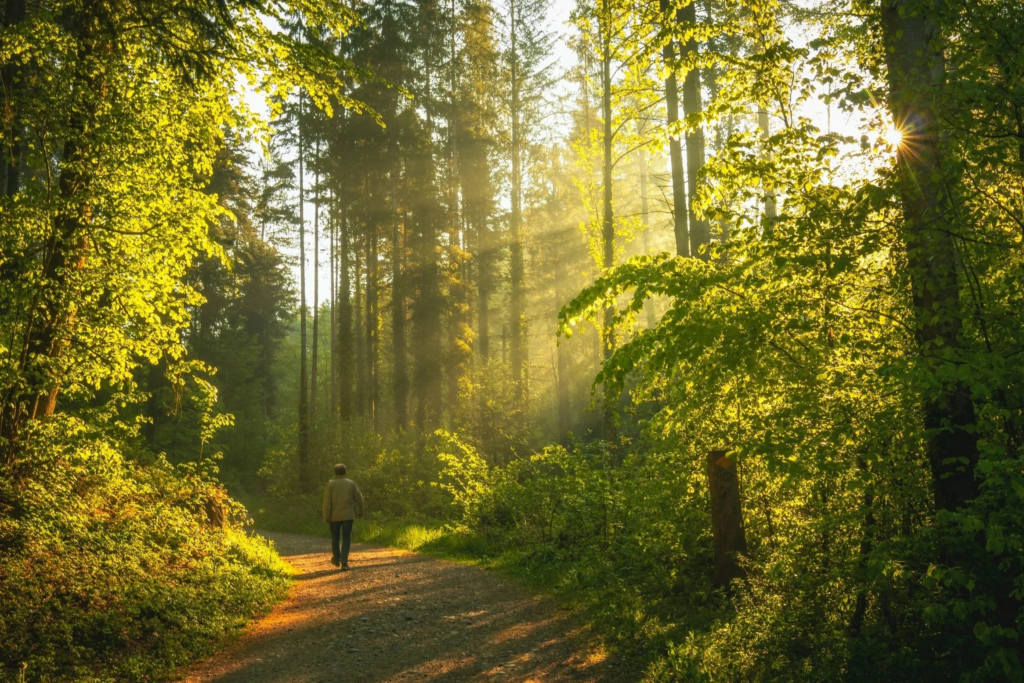
Country trails are typically smaller routes that wind through rural landscapes—farmland, wooded hillsides, riverside paths, or historic transportation corridors. Some are converted rail trails. Others are local walking routes maintained by counties, conservation groups, or small communities.
Their appeal lies in something many travelers feel has become increasingly rare: quiet.
Large recreation areas can attract thousands of visitors each day. According to the National Park Service, the U.S. national park system recorded over 325 million visits in 2023. While these parks remain treasured destinations, the high volume of visitors has prompted many outdoor enthusiasts to seek alternatives that feel less crowded and more personal.
Country trails often provide that alternative.
What Exactly Are “Country Trails”?
The term country trail generally refers to walking, hiking, or cycling paths that run through rural landscapes rather than major recreation complexes.
These trails may include:
- Converted rail-to-trail routes
- Rural farm roads adapted for walkers
- County-maintained nature paths
- Historic travel corridors
- Riverbank walking routes
- Agricultural greenways connecting small towns
Organizations like Rails-to-Trails Conservancy have helped convert thousands of miles of abandoned rail lines into public trails across the country. Today, the United States has over 41,000 miles of rail-trails, providing accessible outdoor spaces in rural and suburban areas.
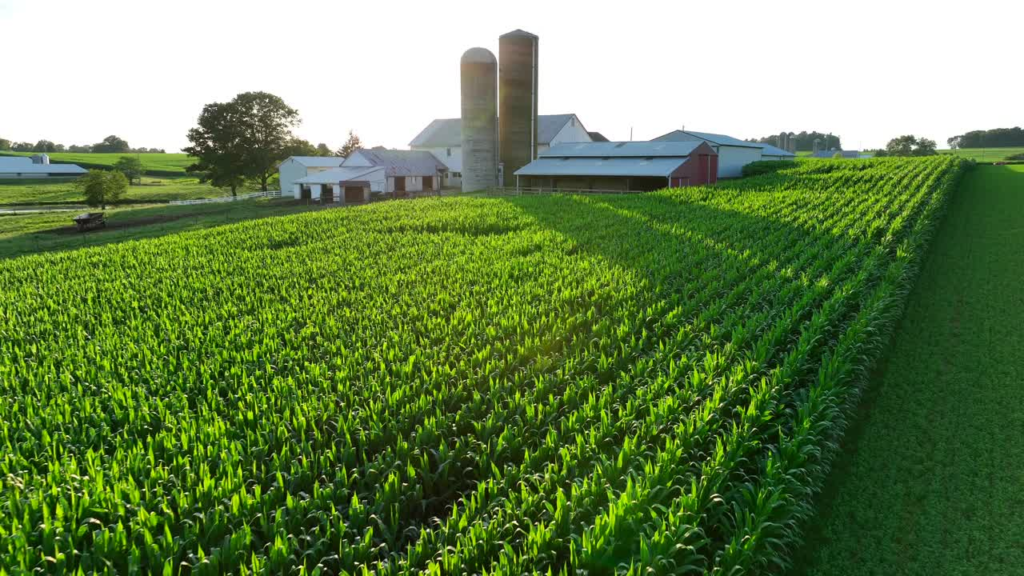
Many of these routes pass through working landscapes—cornfields, ranch land, orchards, or forested hills—allowing visitors to experience the rhythms of rural life while walking or cycling.
Why Country Trails Are Gaining Popularity
Several cultural and lifestyle trends have converged to make country trails more appealing.
1. A Growing Interest in Slower Travel
Travel trends have shifted noticeably toward what many experts call slow travel. Instead of rushing between attractions, travelers increasingly prefer experiences that allow them to engage with a place at a relaxed pace.
Country trails fit this approach naturally.
Walking through rural areas offers opportunities to notice details that might otherwise go unseen: migrating birds, seasonal crops, historic barns, or small roadside markets.
2. Less Crowding, More Personal Space
Outdoor recreation surged during the pandemic years and has remained high since then. According to the Outdoor Industry Association, over 168 million Americans participated in outdoor recreation in 2023.
As participation rises, many popular parks experience congestion during peak seasons. Country trails, by contrast, often remain lightly traveled—even on weekends.
For visitors who value solitude or quiet reflection, these trails offer a welcome alternative.
3. Easy Accessibility for Beginners
Country trails tend to be more accessible than rugged backcountry routes.
Many are:
- Relatively flat
- Clearly marked
- Close to small towns
- Suitable for families or older walkers
Converted rail trails in particular follow gradual grades originally designed for trains, making them ideal for casual walking and cycling.
For people who want outdoor time without demanding physical challenges, these paths provide an approachable entry point.
The Health Benefits of Walking Rural Trails
One of the strongest motivations behind the rise of country trails is simple: people feel better when they spend time outdoors.
The Centers for Disease Control and Prevention recommends adults get at least 150 minutes of moderate physical activity each week, and walking is one of the easiest ways to meet that goal.
Country trails add several additional benefits:
- Reduced stress levels due to quieter environments
- Improved cardiovascular health through sustained walking
- Better mental focus from time away from digital distractions
- Exposure to natural landscapes, which research links to improved mood
Studies in environmental psychology have repeatedly found that time in nature can lower cortisol levels and improve overall well-being.
Country trails offer these benefits without requiring expensive gear or advanced outdoor skills.
Discovering Local History Along the Way
Many rural trails double as informal history lessons.
Old rail corridors often pass through towns that grew around 19th-century railroads. Trail markers may highlight former depots, grain elevators, or early industrial sites.
For example, the Great Allegheny Passage in Pennsylvania and Maryland follows historic rail lines and canal routes that once carried coal and goods between industrial cities. Today, walkers and cyclists travel the same corridor while learning about the region’s transportation history.
Country trails frequently reveal stories that larger parks overlook:
- Historic farms and homesteads
- Civil War or early settlement sites
- Native American travel routes
- Old canal systems or logging roads
For visitors interested in American history, these paths often provide a surprisingly rich educational experience.
How Rural Communities Benefit From Trails
Country trails are not just recreational assets—they can also support rural economies.
Small towns located along popular trails often see increased spending from visitors who stop for meals, lodging, or supplies.
Research from the Rails-to-Trails Conservancy has documented millions of dollars in annual tourism spending associated with major rail-trails.
Local businesses that benefit frequently include:
- Independent cafés
- Farm markets
- Bed-and-breakfasts
- Bicycle repair shops
- Small restaurants
In many communities, trail development has helped revitalize downtown areas that previously struggled with declining traffic.
The result is a mutually beneficial relationship: visitors gain access to scenic rural landscapes, while towns gain sustainable tourism.
Examples of Notable Country Trails Across the U.S.
Although thousands of rural trails exist, a few well-known examples illustrate the diversity of these experiences.
Katy Trail – Missouri
Stretching 240 miles, the Katy Trail State Park is the longest developed rail trail in the United States. It runs along the Missouri River and passes vineyards, historic river towns, and limestone bluffs.
Great Allegheny Passage – Pennsylvania & Maryland
The Great Allegheny Passage connects Pittsburgh to Cumberland, Maryland, covering 150 miles of scenic rural terrain including forests, tunnels, and river valleys.
Virginia Creeper Trail – Virginia
The Virginia Creeper Trail is famous for its gradual descent through Appalachian countryside, crossing more than 40 wooden trestle bridges.
Each of these trails demonstrates how rural routes can combine natural scenery, history, and community engagement.
Planning a Visit to a Country Trail
Exploring country trails is relatively straightforward, but a little preparation improves the experience.
Before visiting, it helps to consider:
- Seasonal weather conditions
- Trail surface (gravel, dirt, paved)
- Available rest stops or small towns along the route
- Parking locations or trailheads
- Local wildlife and conservation guidelines
Many county tourism websites provide downloadable trail maps and suggested itineraries.
It’s also wise to bring basic essentials:
- Water and light snacks
- Comfortable walking shoes
- Sunscreen and insect repellent
- A small map or GPS app
Because rural trails may have limited cell service, planning ahead ensures a smooth outing.
Why the Appeal Is Likely to Grow
Several long-term trends suggest that interest in country trails will continue to rise.
First, Americans increasingly prioritize outdoor activities that support both physical and mental health. Walking, cycling, and nature observation are among the most accessible options.
Second, rural tourism has expanded as travelers look beyond major cities for authentic experiences. Small towns and agricultural regions provide cultural perspectives that urban travel sometimes overlooks.
Finally, infrastructure investment continues to expand the trail network. Conservation groups, transportation departments, and local governments are steadily converting unused rail corridors and greenways into public routes.
As these networks grow, more communities gain access to nearby country trails.
Frequently Asked Questions
What is considered a country trail?
A country trail is typically a walking or cycling path located in rural landscapes rather than major parks. These trails may run through farmland, forests, river valleys, or historic rail corridors.
Are country trails suitable for beginners?
Yes. Many country trails are relatively flat and well-marked, making them accessible for beginners, families, and casual walkers.
Do you need special gear to explore country trails?
No specialized gear is required. Comfortable walking shoes, water, and weather-appropriate clothing are usually sufficient.
Are country trails safe?
Most well-maintained trails are considered safe. Visitors should stay on marked paths, check local guidelines, and be aware of weather conditions.
How can I find country trails near me?
Local tourism websites, state park systems, and organizations like the Rails-to-Trails Conservancy maintain online maps and directories of trails.
What is a rail trail?
A rail trail is a path built along a former railroad corridor that has been converted into a recreational trail for walking, running, or cycling.
Are dogs allowed on country trails?
Policies vary by location. Many trails allow dogs if they are kept on a leash and owners clean up after them.
What is the best time of year to explore country trails?
Spring and fall are often ideal because of mild temperatures and scenic landscapes, though many trails remain open year-round.
Can you bike on country trails?
Many country trails welcome bicycles, especially rail trails with wider surfaces. Always check local rules.
Do rural trails support local communities?
Yes. Trail tourism often supports local businesses such as restaurants, lodging, and outdoor outfitters.
A Different Kind of Outdoor Experience
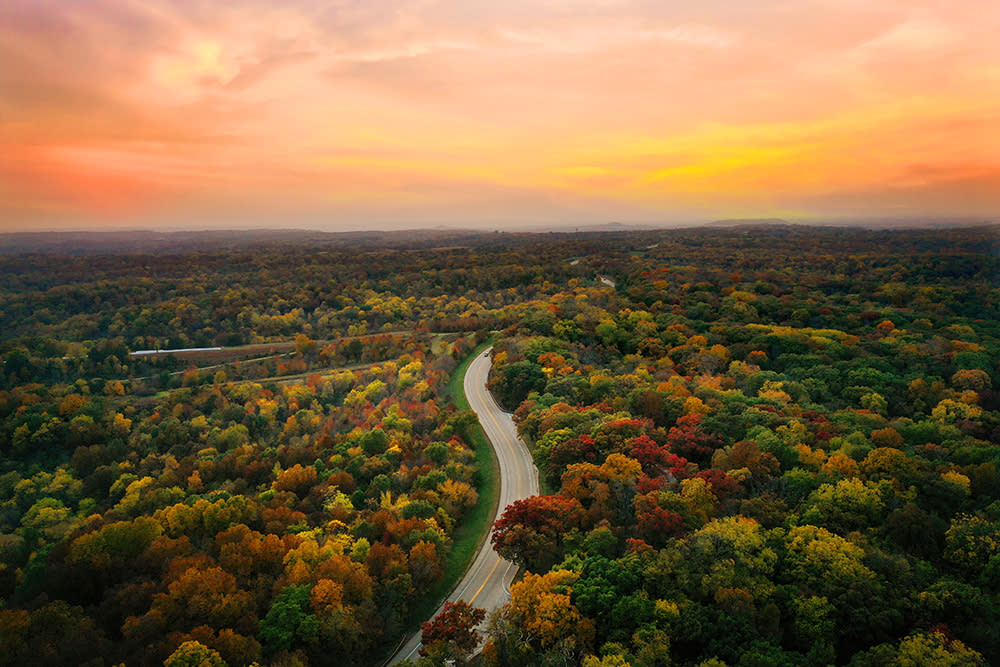
Country trails remind visitors that exploration does not always require remote wilderness or famous landmarks. Sometimes the most memorable outdoor experiences happen along modest paths that weave quietly through farmland, forests, and small towns.
For many Americans, these trails provide a chance to slow down, observe local landscapes, and reconnect with the natural rhythms of rural life.
In an era when travel often moves quickly, the quiet beauty of country trails offers something refreshingly simple: a place to walk, breathe, and notice the world at a human pace.
Key Insights at a Glance
- Country trails offer quieter alternatives to crowded outdoor destinations
- Many routes follow historic railways or rural travel corridors
- Walking these trails supports physical and mental well-being
- Rural communities benefit from trail tourism and visitor spending
- Thousands of miles of trails are available across the United States