Summary
Country trails offer one of the most authentic ways to explore rural America. Unlike highways or organized tours, these scenic routes reveal small towns, historic landmarks, working farms, and natural landscapes at a slower pace. Travelers gain cultural insight, outdoor experiences, and meaningful connections with local communities while supporting regional economies and discovering places many Americans overlook.
Traveling across rural America has always been part of the country’s cultural identity. While major highways connect cities efficiently, they rarely reveal the character of the places in between. Country trails—scenic byways, back roads, agricultural routes, and heritage trails—offer a different way to travel. They invite people to slow down and experience landscapes, communities, and traditions that shape the American countryside.
For travelers seeking meaningful experiences rather than just destinations, country trails provide a uniquely rewarding path.
Understanding What “Country Trails” Really Are
Country trails are not necessarily hiking paths, though some include walking routes. In travel and tourism, the term usually refers to scenic or thematic driving routes that connect rural communities, farms, natural landmarks, and historic sites.
Many states have developed these trails to highlight regional heritage. Examples include wine trails, historic farm routes, scenic byways, and cultural corridors that guide travelers through lesser-known parts of the country.
These routes often combine several elements:
- Scenic landscapes
- Agricultural tourism
- Small-town history
- Outdoor recreation
- Local food traditions
- Cultural landmarks
The appeal lies in experiencing rural life in a more authentic way than traditional tourism often allows.
Why Rural Exploration Is Growing in Popularity
Interest in rural travel has grown steadily over the past decade. According to the U.S. Travel Association, domestic leisure travel increasingly favors outdoor destinations, small towns, and nature-based experiences. This trend accelerated after 2020 as travelers began seeking quieter locations with open space.
Country trails fit perfectly within this shift. They offer flexibility, lower crowds, and a sense of discovery that is harder to find in heavily visited tourist centers.
Travelers also appreciate that rural routes often combine several experiences in a single trip. A single trail might include scenic overlooks, historic barns, craft food producers, and nature preserves within a short distance of each other.
The Scenic Value of Traveling Back Roads
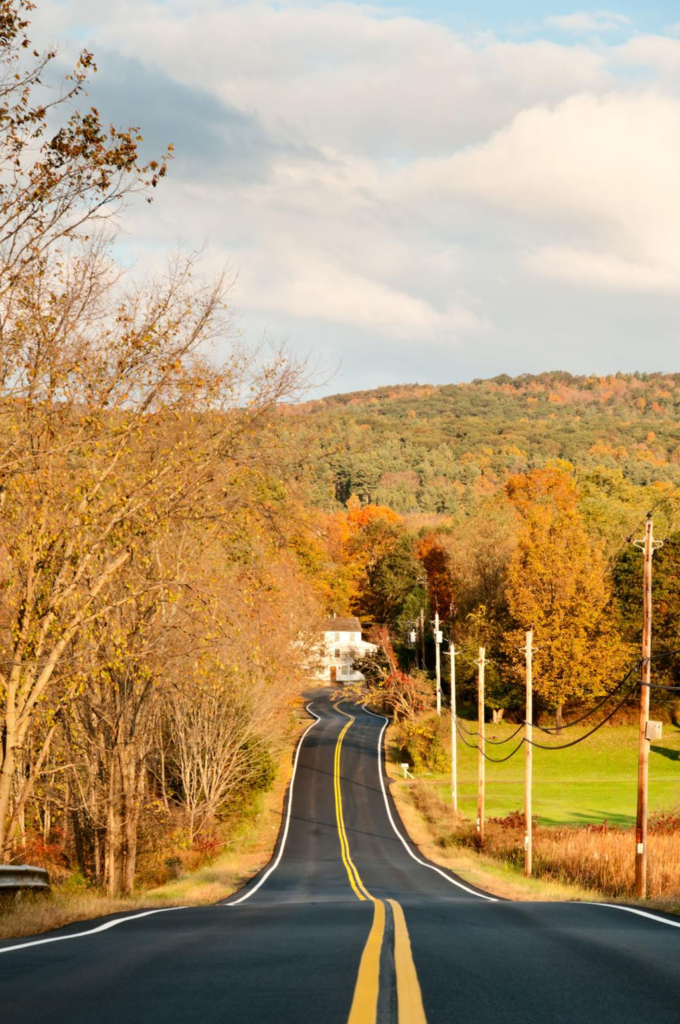
One of the most immediate benefits of country trails is the scenery. While highways prioritize speed and efficiency, rural routes follow older paths shaped by geography.
This often means travelers encounter:
- Rolling farmland
- Forest corridors
- Mountain valleys
- River crossings
- Historic bridges
- Wide-open prairie views
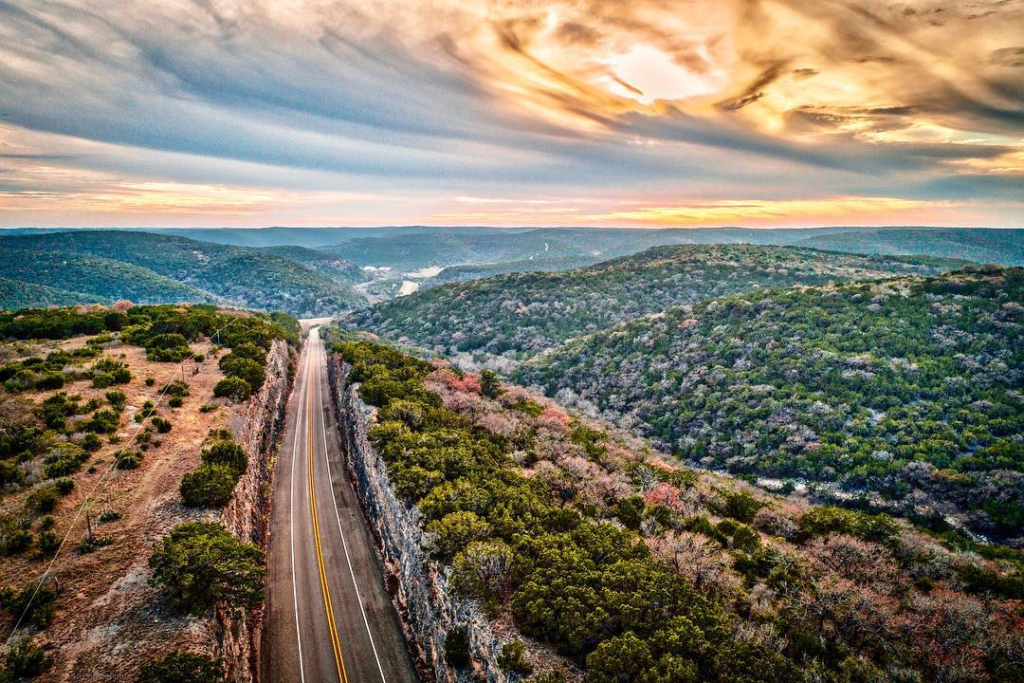
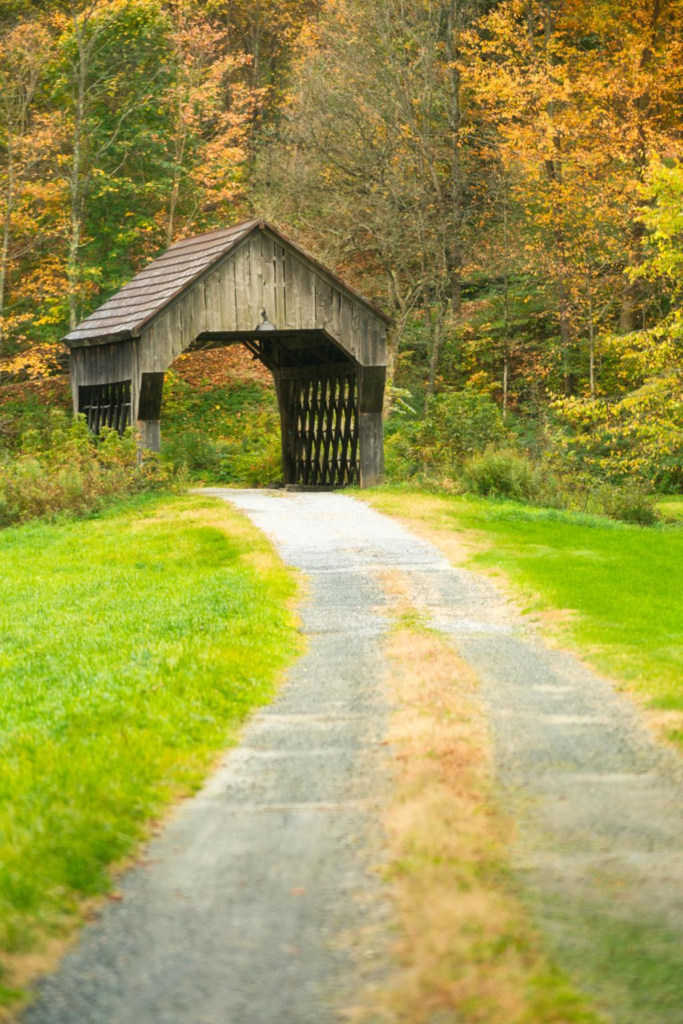
These landscapes change dramatically across regions of the United States. A country trail in Vermont might wind through maple forests and covered bridges, while a rural route in Texas could pass cattle ranches, mesquite plains, and limestone hills.
The slower pace also makes photography and spontaneous stops far easier than on busy highways.
Small Towns That Tell America’s Story
Perhaps the greatest strength of country trails is their connection to small-town America.
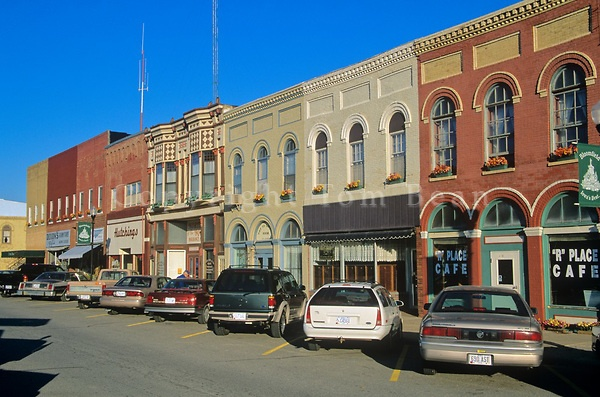
Across the United States, towns with populations under 10,000 make up the majority of rural communities. Many of these places preserve local traditions, architecture, and industries that have disappeared elsewhere.
When travelers follow country trails, they often encounter places like:
- Historic courthouse squares
- Family-owned diners
- Local museums and heritage centers
- Community festivals
- Handmade crafts and regional art
These encounters provide insight into how regional cultures developed.
For example, in parts of the Midwest, agricultural trails might highlight grain elevators, farm equipment museums, and farmers markets. In the Appalachian region, rural routes often include music venues, traditional crafts, and historic mining communities.
Each region reveals a different chapter of American history.
Agricultural Tourism and Farm Experiences
Another defining feature of many country trails is their connection to agriculture.
Agritourism has grown into a major rural economic driver. According to the USDA, agritourism operations generate hundreds of millions of dollars annually for American farms.
Country trails often link visitors directly to these experiences.
Travelers might encounter:
- Pick-your-own orchards
- Dairy farm tours
- Maple syrup operations
- Farm-to-table restaurants
- Craft cider and wine producers
- Pumpkin patches and seasonal markets
These stops provide a deeper understanding of how food is produced and how regional agriculture shapes local identity.
For families especially, farm visits create memorable experiences that combine education with recreation.
Outdoor Recreation Along Country Trails
Many rural trails pass through landscapes that offer excellent outdoor recreation.
Depending on the region, visitors may find opportunities such as:
- Hiking in nearby state parks
- Fishing in rural rivers and lakes
- Kayaking or canoeing
- Birdwatching in wildlife refuges
- Cycling along scenic roadways
Because these areas are less crowded than major national parks, travelers often enjoy a more relaxed outdoor experience.
Rural trails also tend to pass through conservation areas and protected land, allowing visitors to observe wildlife and native ecosystems more easily.
Local Food That Reflects Regional Identity
Food is another reason many travelers seek out country trails.
Regional cuisine across rural America reflects generations of cultural influence, local ingredients, and agricultural traditions. Small towns along scenic routes frequently feature restaurants, bakeries, and markets that serve dishes difficult to find elsewhere.
Examples include:
- Fresh peach cobbler in Georgia orchard regions
- Wisconsin cheese curds made by local creameries
- Texas barbecue smoked over native hardwood
- New England maple desserts from local sugarhouses
- Southwest chili recipes influenced by Hispanic heritage
These culinary experiences often become highlights of rural travel.
Local food businesses also play a critical role in sustaining rural economies and preserving traditional recipes.
The Economic Impact on Rural Communities
Country trails are not just beneficial for travelers. They also play an important role in supporting rural economies.
When visitors explore rural routes, they spend money in places that typically receive less tourism traffic than large cities.
These expenditures support:
- Family-owned restaurants
- Bed-and-breakfast inns
- Local guides and outfitters
- Farm stands and markets
- Artisan workshops
According to the National Scenic Byways Foundation, scenic routes can significantly increase tourism revenue for rural counties by directing travelers toward smaller communities.
This form of tourism is particularly valuable because it encourages longer stays and distributed spending rather than short visits to single attractions.
How to Plan a Country Trail Trip
Exploring rural America through country trails requires a slightly different approach than typical travel planning.
Rather than focusing on a single destination, the journey itself becomes the main experience.
Travelers often find success by following a few simple strategies:
- Research regional scenic byways or agricultural trails
- Allow extra time for unexpected stops
- Check seasonal availability for farms and markets
- Bring offline maps in areas with limited cell service
- Plan overnight stays in small towns
Flexibility is key. Some of the best experiences occur when travelers follow local recommendations or explore an interesting side road.
Practical Benefits of Slower Travel
Country trail travel encourages a slower pace, which has practical advantages beyond enjoyment.
Driving shorter distances each day reduces travel fatigue and allows visitors to engage more deeply with each location. It also supports sustainable tourism by spreading visitor traffic across wider areas.
Additionally, rural travel often costs less than visiting major tourist cities. Lodging, meals, and attractions in small towns are typically more affordable, making country trail trips accessible to a wider range of travelers.
Why Country Trails Create More Memorable Experiences
What ultimately makes country trails rewarding is the sense of discovery.
Large tourist destinations are designed for efficiency and scale. Rural routes, by contrast, reveal unexpected moments—an antique store in a historic barn, a roadside fruit stand, a conversation with a local craftsman.
These experiences cannot be fully planned in advance. They emerge naturally when travelers allow themselves to explore beyond major highways.
For many Americans, these journeys reconnect them with landscapes, traditions, and communities that shaped the country’s identity.
Frequently Asked Questions
What is a country trail in travel terms?
A country trail is a scenic or thematic travel route that connects rural communities, natural landscapes, farms, historic sites, and local businesses. Many are designated scenic byways or tourism corridors developed to promote regional culture and heritage.
Are country trails suitable for regular cars?
Yes. Most country trails follow paved rural roads accessible to standard vehicles. However, some routes may include narrow or winding roads, so careful driving and planning are recommended.
How long does a typical country trail trip take?
Trips can range from a single afternoon drive to multi-day road trips. Many scenic trails span 50 to 200 miles, allowing travelers to explore multiple towns and attractions along the way.
Are country trails family-friendly?
Many are ideal for families. Farm visits, small-town museums, nature stops, and seasonal festivals provide engaging experiences for children and adults alike.
What time of year is best for rural trail travel?
The best time depends on the region. Fall foliage in the Northeast, spring wildflowers in Texas, summer harvest festivals in the Midwest, and autumn orchard seasons are all popular.
How do I find country trails near me?
State tourism websites, scenic byway programs, and local visitor bureaus often publish maps of designated rural routes and heritage trails.
Do country trails include hiking opportunities?
Some do. Many scenic routes pass through parks, forests, or conservation areas that include hiking trails and outdoor recreation.
Are rural trails safe for travelers?
Generally yes. However, travelers should prepare for limited services in remote areas by carrying water, fuel, and offline navigation.
Can country trails support local economies?
Yes. Rural tourism provides important revenue for small towns by supporting restaurants, lodging, farms, and artisan businesses.
Are guided tours available on country trails?
Some regions offer guided farm tours, cultural tours, or cycling routes, though many travelers prefer self-guided exploration.
The Enduring Appeal of America’s Back Roads
Country trails remind travelers that exploration doesn’t always require distant destinations. Often, the most meaningful discoveries happen on quiet roads that wind through farmland, forests, and small towns.
These routes reveal stories of regional culture, hardworking communities, and landscapes that define the American countryside. By choosing country trails over highways, travelers experience rural America not as a backdrop—but as a living, evolving part of the national story.
Key Insights for Rural Trail Travelers
- Country trails combine scenic drives, agriculture, history, and outdoor recreation
- Rural travel offers slower, more meaningful exploration
- Small towns preserve unique regional traditions and cuisines
- Agritourism allows visitors to experience working farms firsthand
- Scenic byways help support rural economies through tourism
- Flexible travel planning leads to the most memorable discoveries