
Summary
Following the flavor trail through America’s food cities reveals more than memorable meals—it uncovers regional history, migration patterns, and local economies shaped by food. From New Orleans’ Creole kitchens to Los Angeles’ street taco culture, each destination reflects a distinct culinary identity. Travelers who explore these cities thoughtfully gain insight into how local ingredients, traditions, and communities shape American cuisine.
The Meaning Behind America’s “Flavor Trail”
The phrase “flavor trail” describes the experience of exploring food through geography. In the United States, where culinary traditions reflect centuries of migration, agriculture, and regional identity, following that trail often leads to the country’s most influential food cities.
Unlike traditional sightseeing, food exploration invites travelers to understand how communities live. A neighborhood bakery, a family-run diner, or a long-standing barbecue restaurant often tells a deeper story about a city than any landmark.
According to the National Restaurant Association, the U.S. restaurant industry generates more than $1 trillion annually, and food tourism has become a major driver of travel decisions. Increasingly, travelers plan entire trips around food experiences rather than attractions alone.
When people follow the flavor trail across American cities, they begin to see patterns:
- Ingredients often reflect local geography
- Recipes preserve immigrant traditions
- Restaurants serve as community gathering spaces
- Food trends frequently originate in diverse urban neighborhoods
The result is a culinary journey that connects history, culture, and everyday life.
Why Food Cities Matter in American Culture
Not every city becomes a food destination. The cities that define America’s flavor trail usually share several characteristics: cultural diversity, strong agricultural supply chains, and a long history of neighborhood food traditions.
In cities where these factors intersect, culinary identity becomes part of the local economy and civic pride.
Several well-known examples illustrate how food culture develops over time.
New Orleans: A Living Culinary Archive
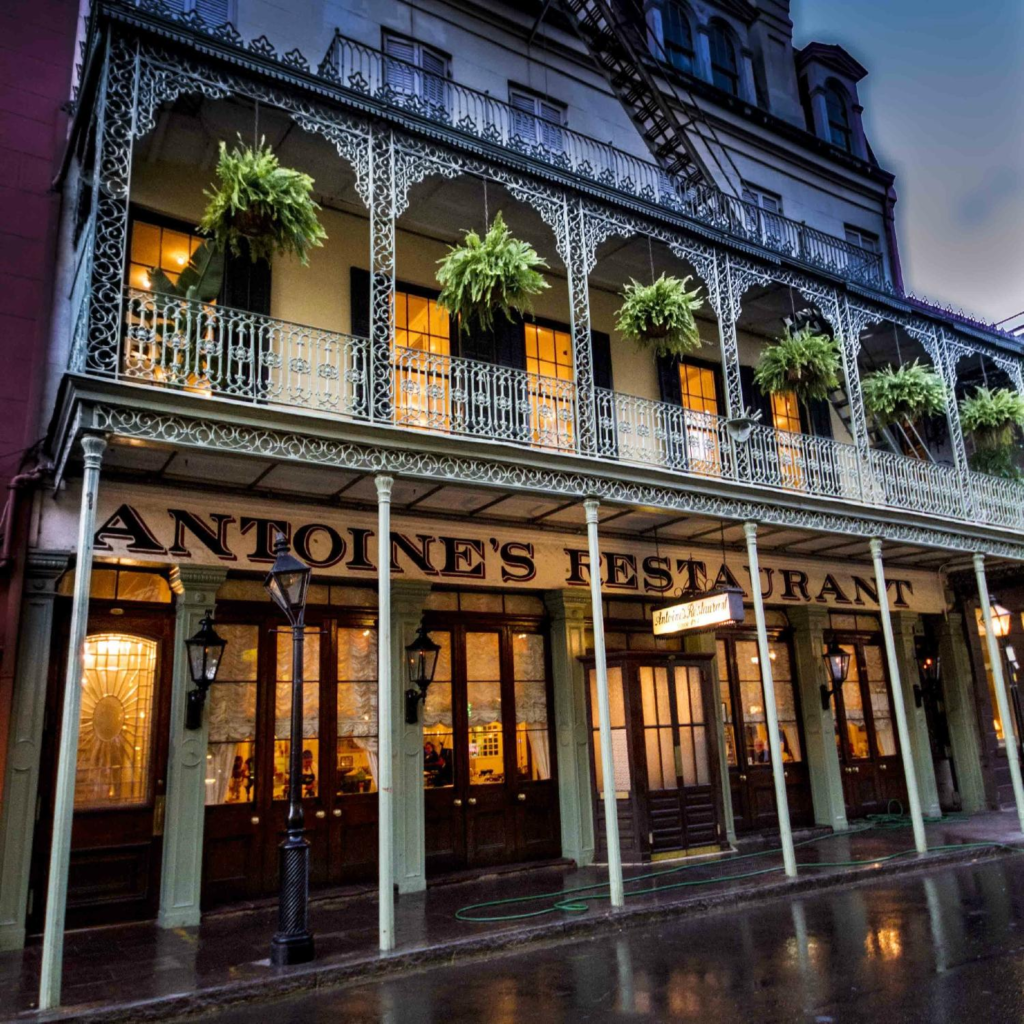
New Orleans remains one of the clearest examples of how history shapes cuisine. French, Spanish, West African, and Caribbean influences merged over centuries to produce Creole and Cajun traditions.
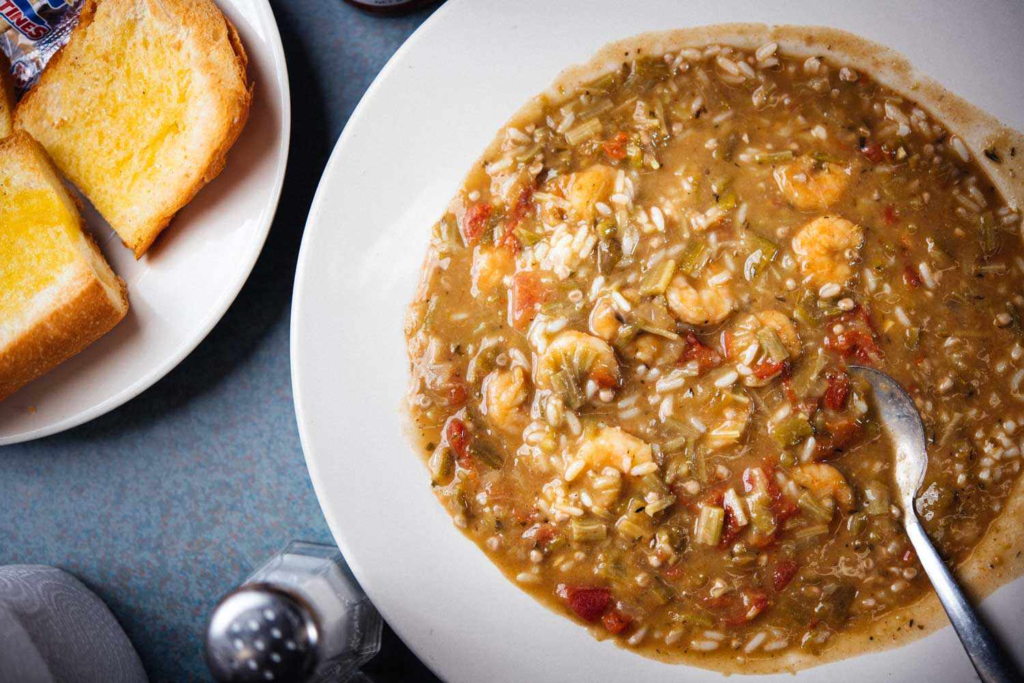
Classic dishes such as gumbo, jambalaya, and po’boys tell stories of trade routes, colonial history, and working-class ingenuity.
Walking through neighborhoods like the French Quarter or Treme reveals how food operates as a cultural institution. Restaurants often serve recipes that have remained largely unchanged for generations.
Travelers who follow the flavor trail here quickly discover that food in New Orleans is inseparable from music, festivals, and community identity.
Los Angeles: America’s Global Kitchen
If New Orleans represents culinary history, Los Angeles reflects the future of American food culture.
Home to immigrants from more than 140 countries, Los Angeles has become a laboratory for evolving food traditions.
Street food and neighborhood eateries drive much of the city’s reputation. Korean barbecue in Koreatown, Oaxacan cuisine in East LA, and taco stands across the city represent authentic food traditions that thrive outside formal dining spaces.
Food researchers frequently point to Los Angeles as a place where global cuisines adapt quickly to American tastes while preserving authenticity.
Chicago: The Intersection of Industry and Tradition
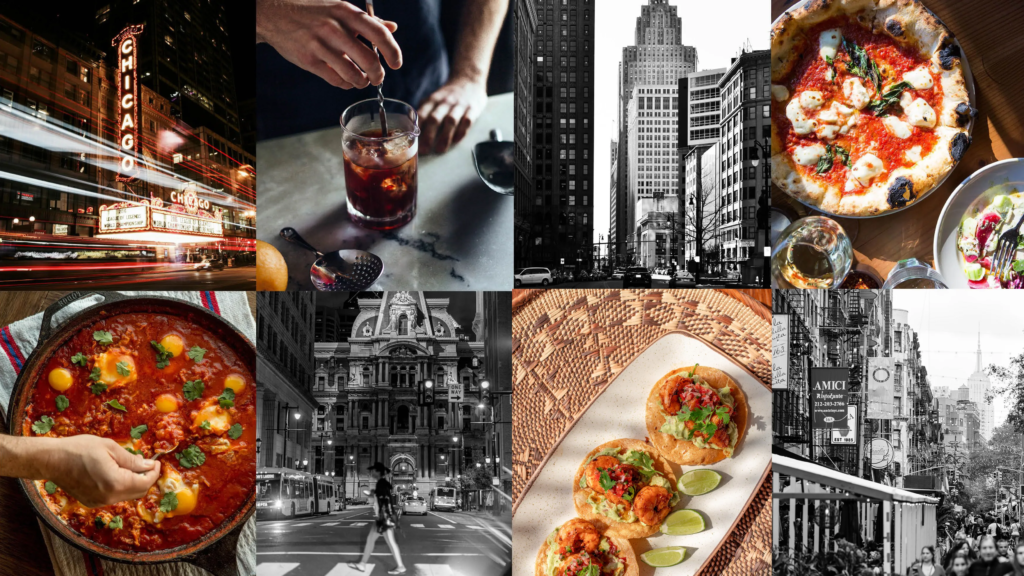
Chicago’s food culture developed alongside its industrial growth in the late nineteenth and early twentieth centuries. Waves of immigrants from Italy, Poland, Germany, and Mexico built neighborhoods where food traditions became community anchors.
Today, Chicago is known for dishes that combine working-class practicality with culinary innovation.
Examples include:
- Deep-dish pizza
- Chicago-style hot dogs
- Italian beef sandwiches
- Modern Midwestern farm-to-table cuisine
The city also hosts one of the largest restaurant industries in the Midwest, attracting chefs who reinterpret regional ingredients in new ways.
What Travelers Actually Experience on the Flavor Trail
Following the flavor trail through America’s food cities is not simply about checking famous restaurants off a list. The experience usually unfolds through smaller, everyday discoveries.
Travelers often begin with well-known dishes but gradually move into neighborhoods where local residents eat.
Typical moments along the flavor trail include:
- A morning pastry from a neighborhood bakery that has served the same block for decades
- A lunchtime food truck where lines form before the grill even opens
- An afternoon farmers market where chefs source seasonal ingredients
- A casual dinner spot recommended by local residents rather than guidebooks
These experiences create a fuller understanding of how food fits into daily life.
The Role of Neighborhood Food Scenes
Food cities rarely revolve around a single district. Instead, distinct neighborhoods shape different parts of the flavor trail.
For example:
- In New York City, Queens offers one of the most diverse food scenes in the country.
- In Houston, Vietnamese and West African communities contribute unique culinary traditions.
- In San Francisco, neighborhood bakeries and seafood markets reflect the city’s coastal heritage.
Urban planners and economists often note that vibrant restaurant scenes contribute significantly to neighborhood development. Restaurants create jobs, attract visitors, and encourage foot traffic that supports nearby businesses.
Food therefore becomes both a cultural and economic force within cities.
How Local Ingredients Shape Regional Flavor
One of the most revealing aspects of the flavor trail is how ingredients influence cuisine.
Geography determines what grows well in each region, and those ingredients shape cooking traditions over time.
Examples include:
- Gulf seafood defining New Orleans cuisine
- California produce shaping West Coast farm-to-table cooking
- Texas beef influencing barbecue traditions
- Great Lakes fish appearing in Midwestern restaurants
The U.S. Department of Agriculture notes that regional agriculture continues to influence local food economies, especially as restaurants increasingly source ingredients from nearby farms.
Travelers who pay attention to local markets and seasonal menus often gain a clearer picture of how cuisine connects to the landscape.
The Influence of Immigrant Communities
Much of what Americans consider “local cuisine” began with immigrant cooking traditions.
Cities became the primary entry points for immigrants throughout the nineteenth and twentieth centuries. These communities brought recipes, spices, and techniques that gradually blended into American food culture.
For instance:
- Italian immigrants helped popularize pizza in the Northeast.
- Mexican cuisine became foundational across the Southwest and California.
- Vietnamese restaurants transformed parts of Houston and Orange County.
- Ethiopian food has become a defining element of Washington, D.C.’s restaurant scene.
These traditions evolve over time, but the influence remains visible in neighborhood restaurants and family-run kitchens.
Food Markets: Where the Flavor Trail Begins
Farmers markets, food halls, and public markets often serve as the starting point for exploring a food city.
These spaces gather local vendors, small producers, and regional ingredients in one place.
Examples of influential American food markets include:
- Pike Place Market in Seattle
- Reading Terminal Market in Philadelphia
- Ferry Building Marketplace in San Francisco
Markets reveal how ingredients flow from farms to restaurants and home kitchens.
They also provide travelers with a snapshot of local specialties before diving deeper into neighborhood restaurants.
Practical Tips for Exploring a Food City
Following the flavor trail becomes far more rewarding when travelers approach it thoughtfully.
Experienced food travelers often recommend the following strategies:
- Start with local specialties. Each city has signature dishes that provide context for the broader cuisine.
- Talk to residents. Taxi drivers, market vendors, and bartenders often provide better restaurant recommendations than travel guides.
- Visit during off-peak hours. Smaller restaurants may offer more conversation and insight when they are less crowded.
- Explore beyond downtown districts. Many of the most authentic meals happen in residential neighborhoods.
- Pay attention to ingredients. Seasonal menus often highlight the region’s agricultural identity.
These simple approaches help travelers move beyond tourist experiences toward a deeper understanding of local food culture.
How Food Cities Influence National Dining Trends
Major food cities often shape restaurant trends across the country.
Ideas that begin in neighborhood kitchens frequently spread nationwide. Examples include:
- The rise of food trucks, which gained prominence in Los Angeles before expanding nationally.
- The farm-to-table movement, strongly associated with Northern California.
- The growth of craft cocktail bars, popularized in cities like New York and Chicago.
Chefs travel frequently, and culinary ideas spread quickly through professional networks.
As a result, exploring food cities offers a glimpse into the future direction of American dining.
Frequently Asked Questions
What is the “flavor trail” in food travel?
The flavor trail refers to exploring a region or city through its signature dishes, ingredients, and neighborhood food traditions.
Which American cities are best known for food culture?
Cities frequently recognized for strong food identities include New Orleans, New York, Chicago, Los Angeles, Houston, and San Francisco.
Why do some cities become food destinations?
Cities with diverse populations, strong agricultural supply chains, and historic food traditions tend to develop influential culinary scenes.
How can travelers find authentic local restaurants?
Talking with residents, exploring neighborhood districts, and visiting local markets often leads to more authentic food experiences.
Are food tours worth taking?
Food tours can provide useful context about local history and cuisine, especially for first-time visitors.
Do food cities influence national restaurant trends?
Yes. Many national dining trends originate in major culinary hubs before spreading to other regions.
What role do immigrant communities play in American cuisine?
Immigrant communities introduced many foods now considered American staples, including pizza, tacos, and various noodle dishes.
How important are farmers markets in food cities?
Farmers markets connect restaurants with local agriculture and allow travelers to see seasonal ingredients that shape regional cuisine.
Is street food an important part of American food culture?
In many cities—especially Los Angeles and Houston—street food reflects authentic culinary traditions and local creativity.
Can smaller cities also have strong food scenes?
Yes. Cities like Portland, Nashville, and Charleston have developed influential culinary reputations despite smaller populations.
Following the Trail Beyond the Plate
Exploring America’s food cities reveals that cuisine is rarely just about taste. It reflects migration, geography, and community life.
When travelers follow the flavor trail, they gain insight into how neighborhoods grow, how traditions survive, and how innovation emerges from everyday kitchens.
In many ways, the flavor trail offers one of the most accessible ways to understand the cultural landscape of the United States.
Food becomes a map—one that connects people, places, and stories across the country.
What the Flavor Trail Ultimately Reveals
- Food cities reflect the history and diversity of their communities
- Regional ingredients strongly influence local cuisine
- Immigrant traditions play a major role in shaping American food
- Neighborhood restaurants often reveal the most authentic flavors
- Markets and local producers connect agriculture with urban dining
- Culinary trends frequently begin in major food cities