
Summary
Walking country trails introduces first-time visitors to a quieter side of the outdoors—one defined by open landscapes, slower travel, and close connections with local environments. Many newcomers notice how different these trails feel compared with crowded parks or urban greenways. From changing scenery to wildlife encounters, country trails offer practical benefits and subtle experiences that shape how people explore rural America.
A Different Kind of Outdoor Experience
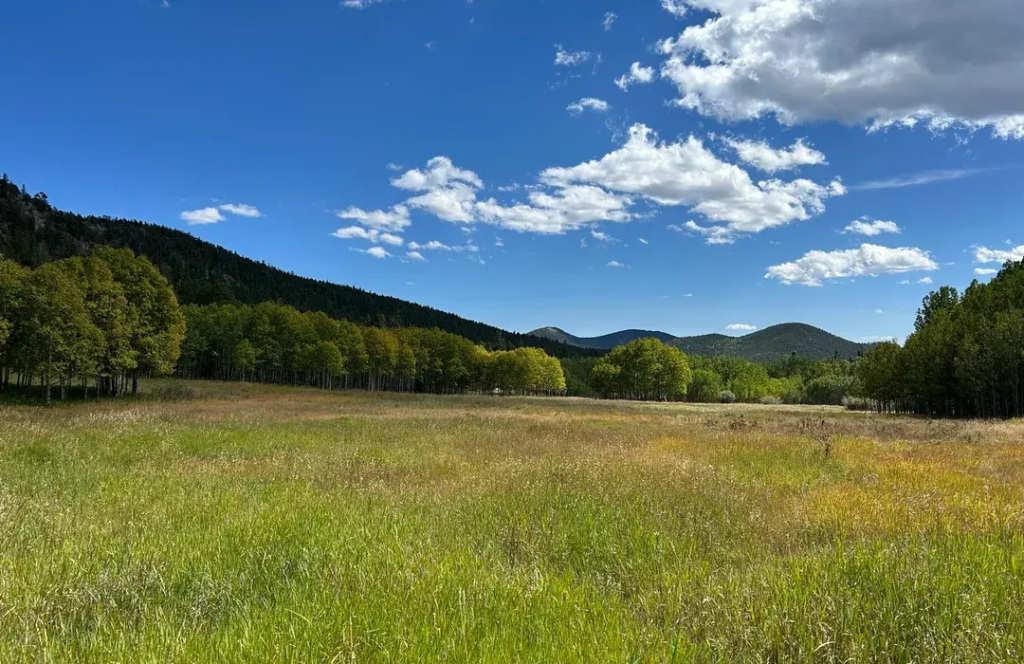
For many Americans accustomed to urban parks or well-developed national park trails, country trails often feel surprisingly different. These paths typically wind through farmland, woodlands, riversides, and rural backroads. The environment is less structured and more integrated with everyday rural life.
First-time walkers frequently notice how quickly the pace of the experience changes. Without heavy foot traffic, signage, or visitor infrastructure, the walk feels less like a scheduled activity and more like a natural exploration.
Country trails vary widely across the United States. In regions such as the Midwest, they may run alongside working farms and open fields. In the Appalachian foothills, they often pass through mixed hardwood forests and historic homesteads. Western trails may stretch across sagebrush plains or follow irrigation canals.
This diversity means that no two country trail experiences are exactly the same. What visitors notice first is often the feeling of space—open landscapes, wider horizons, and fewer distractions.
The Quiet That Defines Rural Trails
One of the most immediate differences first-time visitors notice is the level of quiet. Without heavy visitor traffic, vehicles, or nearby development, rural trails create a soundscape that feels distinct.
Instead of urban noise, walkers hear:
- Wind moving through grasses or trees
- Distant farm equipment or livestock
- Flowing creeks or rustling leaves
- Birdsong and seasonal wildlife sounds
Research from the U.S. National Park Service Natural Sounds Program shows that natural soundscapes play an important role in reducing stress and improving outdoor experiences. Many visitors report that quieter environments make walks feel longer and more immersive even when distances are modest.
For first-time walkers, the quiet often becomes one of the most memorable aspects of the experience.
Trails That Reflect Local Landscapes
Country trails tend to mirror the geography and culture of their surrounding communities. Rather than standardized designs, these paths evolve from historic routes, farm roads, rail corridors, or local footpaths.
Visitors often notice subtle details that reveal how landscapes are used.
Examples commonly seen on rural trails include:
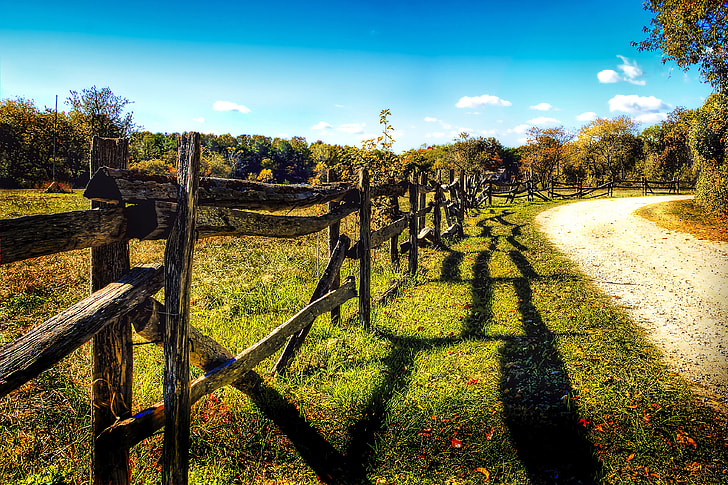
- Fences marking livestock pastures
- Irrigation systems running alongside paths
- Old stone walls or historic markers
- Seasonal crops changing the scenery
In places like Vermont or Pennsylvania, trails may pass through farmland protected by conservation easements. In Texas or Oklahoma, paths sometimes follow ranch roads used for generations.
This connection to everyday rural life makes country trails feel authentic rather than curated.
Wildlife Encounters Are More Common
Another observation frequently shared by first-time visitors is how often wildlife appears along rural trails.
Because these areas receive fewer visitors than major parks, animals tend to behave more naturally. Walkers might encounter deer, wild turkeys, rabbits, or foxes depending on the region.
Birdwatchers often find country trails particularly rewarding. According to the Cornell Lab of Ornithology, rural habitats support many bird species that are less common in urban parks.
Common sightings may include:
- Red-tailed hawks soaring above fields
- Eastern bluebirds near fence lines
- Woodpeckers in forest edges
- Waterfowl along rural ponds or creeks
These encounters usually occur quietly and unexpectedly, which is part of what makes them memorable.
The Changing Scenery Along the Way
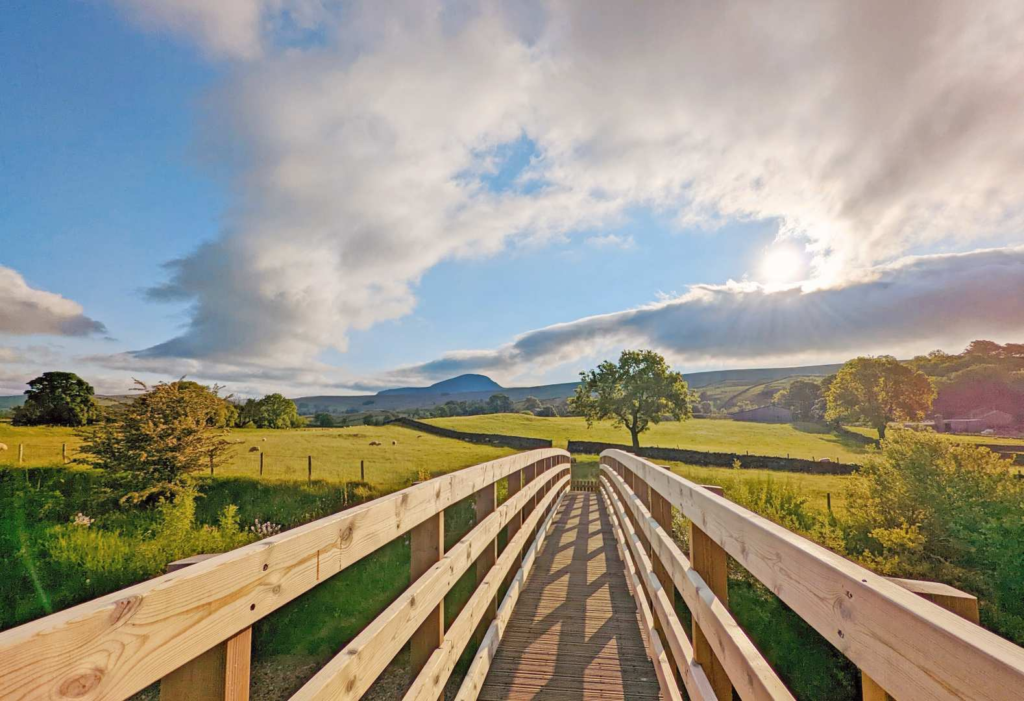
Unlike loop trails in managed parks, country trails frequently connect multiple environments in a single walk. Visitors may begin in farmland, enter woodland, cross a small bridge, and finish near a rural town.
This constant shift in scenery is something first-time walkers often comment on.
In many regions, landscapes evolve with the seasons:
- Spring brings wildflowers and flowing streams
- Summer reveals dense green foliage and agricultural activity
- Autumn highlights colorful forests and harvest landscapes
- Winter offers open views and wildlife tracks
Because these trails interact closely with natural cycles, each visit can feel slightly different.
The Presence of Local History
Many country trails quietly pass through areas rich with local history. While they may lack large interpretive centers, small signs or preserved structures often tell the story of a region.
First-time visitors might encounter:
- Historic farmhouses or barns
- Remnants of early railroads
- Old bridges or mills
- Community cemeteries or landmarks
Across the United States, thousands of miles of trails now follow converted rail corridors through the Rails-to-Trails Conservancy network. These routes often connect towns that once relied on rail transportation, providing a glimpse into regional development.
Even when signage is minimal, the landscape itself often reveals these stories.
Navigation Feels Simpler but Requires Awareness
Many new visitors are surprised by how straightforward some country trails appear. Paths may follow natural corridors such as riverbanks or ridge lines.
However, rural trails also require a bit more awareness because facilities are limited.
Visitors often notice the importance of basic preparation, including:
- Checking trail maps before arrival
- Carrying water and weather-appropriate clothing
- Not relying entirely on cell service
- Respecting private property boundaries
Unlike national parks, rural trail systems may be maintained by small local organizations or volunteer groups. Conditions can change quickly due to weather, farming activity, or seasonal maintenance.
This level of independence is part of what many people enjoy.
Fewer Crowds, More Personal Space
Crowding has become a growing concern in popular outdoor destinations. According to the Outdoor Industry Association, participation in outdoor recreation has increased steadily in the United States, bringing more visitors to well-known parks and trails.
Country trails offer a different experience.
First-time visitors frequently notice:
- Longer stretches without encountering other walkers
- Open viewpoints without crowds
- Easier access to quiet rest spots
For people seeking a reflective or slower-paced walk, this can significantly improve the experience.
Small Rural Communities Often Welcome Trail Users
Country trails often connect small towns or pass near rural communities. Visitors sometimes notice how local businesses and residents interact with trail users.
In many areas, trails support local economies through:
- Farm stands selling seasonal produce
- Small cafés near trailheads
- Local lodging or bed-and-breakfasts
- Community events linked to trail networks
The Rails-to-Trails Conservancy reports that trail tourism contributes billions of dollars annually to local economies across the United States. Even modest trail systems can bring visitors into towns that might otherwise see little tourism traffic.
For first-time visitors, this blend of outdoor activity and local culture adds depth to the experience.
A Pace That Encourages Observation
Perhaps the most consistent observation from first-time walkers is how country trails naturally encourage a slower pace.
Without busy visitor infrastructure or crowded viewpoints, people tend to move at a comfortable rhythm. This allows them to notice details that might otherwise go overlooked.
Common observations include:
- Patterns in farmland and crop rotation
- Seasonal wildflowers along trail edges
- Changes in bird activity throughout the day
- Shifting light across open landscapes
Walking becomes less about reaching a destination and more about noticing the environment along the way.
For many visitors, that subtle shift is what makes the experience memorable.
Frequently Asked Questions
Are country trails suitable for beginners?
Yes. Many country trails are relatively flat and easy to navigate. However, trail conditions vary widely, so checking local maps and difficulty ratings is helpful before visiting.
What should I bring when walking rural trails?
Basic essentials include water, comfortable walking shoes, weather-appropriate clothing, a trail map, and sunscreen. In remote areas, carrying snacks and a small first-aid kit can also be useful.
Are country trails safe for solo walkers?
In general, they are safe, but preparation matters. Let someone know your plans, stay aware of surroundings, and avoid unfamiliar trails after dark.
How long are typical country trails?
They can range from short one-mile paths to long-distance multi-use routes extending dozens of miles. Many communities maintain short local segments suitable for casual walks.
Do country trails allow dogs?
Many do, especially multi-use trails. However, leash requirements often apply, particularly near farmland or wildlife habitats.
What time of year is best for walking country trails?
Spring and fall are often considered ideal due to moderate temperatures and seasonal scenery. However, many trails remain accessible year-round depending on regional climate.
Are rural trails marked clearly?
Marking varies. Some have clear signage, while others rely on maps or natural landmarks. Checking local trail guides beforehand is recommended.
Can beginners find guided trail experiences?
Yes. Some communities organize guided nature walks, historical tours, or birdwatching events along rural trails.
Are country trails accessible for cycling?
Many are multi-use trails suitable for cycling. Former rail corridors are especially popular for both walking and biking.
Do country trails require entrance fees?
Most local and community-managed trails are free to use, though donations or parking fees may occasionally apply.
Where the Trail Experience Leaves Its Mark
Walking country trails often reshapes how people think about outdoor recreation. Instead of focusing on major destinations, the experience highlights the value of everyday landscapes—fields, forests, creeks, and rural communities that quietly define much of America.
First-time visitors often arrive expecting a simple walk. What they discover instead is a slower, more attentive way to experience the outdoors—one where small details, local stories, and natural rhythms become part of the journey.
Over time, these subtle qualities are what bring many people back to the same trail again and again.
Key Observations Many First-Time Walkers Share
- Country trails often feel quieter and less crowded than major parks
- Landscapes change frequently along rural routes
- Wildlife sightings are more common in low-traffic areas
- Trails frequently reflect local agriculture and community life
- Rural paths encourage slower, more observational walking
- Small towns often benefit economically from trail visitors
- Each season reveals a different version of the same trail