Summary
America’s diverse food traditions form an informal “Flavor Trail” that connects regions, cultures, and communities. From Texas barbecue to New England seafood and Midwest supper clubs, local dishes reveal how food strengthens identity, preserves heritage, and builds social connection. Exploring regional cuisine offers practical insights into community values, economic resilience, and why shared meals remain one of America’s strongest cultural bonds.
Across the United States, food does more than satisfy hunger—it tells the story of place. Every region has signature dishes rooted in geography, immigration patterns, and local economies. Taken together, these traditions form what many cultural historians informally describe as America’s Flavor Trail: a nationwide tapestry of meals, markets, and food rituals that connect communities.
From roadside barbecue pits in Texas to crab shacks along the Chesapeake Bay, regional foods reflect how Americans gather, celebrate, and support one another. Understanding this “trail” offers valuable lessons about belonging, resilience, and the role of shared meals in modern life.
For travelers, cooks, and community leaders alike, America’s culinary map provides practical insight into how food strengthens neighborhoods and sustains cultural identity.
The Idea of America’s Flavor Trail
The United States does not have a single national cuisine in the traditional sense. Instead, it has dozens of regional culinary ecosystems, each shaped by climate, migration, and local agriculture.
Think of the Flavor Trail as a network rather than a single path. It includes:
- Gulf Coast seafood traditions
- Southern barbecue cultures
- Midwestern farm-to-table heritage
- Northeastern seafood and bakery traditions
- Southwestern Mexican-American fusion cuisines
These regional traditions developed organically over centuries as immigrant communities blended their foodways with local ingredients.
According to the National Restaurant Association, regional authenticity has become one of the strongest drivers of restaurant success in the U.S., with diners increasingly seeking dishes that reflect local culture and heritage.
That shift reflects something deeper: Americans want food experiences that feel rooted in real communities.
Regional Foods as Community Identity
One of the clearest lessons from America’s Flavor Trail is that food functions as a cultural signature.
Certain dishes become symbols of the communities that created them.
Examples include:
- Texas brisket barbecue, rooted in German and Czech meat-smoking traditions
- Louisiana gumbo, reflecting African, French, and Caribbean influences
- Chicago deep-dish pizza, shaped by early Italian immigrant communities
- New England clam chowder, tied to coastal fishing economies
These foods represent more than recipes—they represent shared history.
In many towns, long-standing restaurants become informal cultural landmarks. Generations of families celebrate birthdays, graduations, and holidays at the same neighborhood establishments.
Research from the American Sociological Association shows that regular communal meals increase feelings of belonging and social trust within communities. Restaurants and food festivals often serve as gathering places where those social bonds are reinforced.

Immigration and the Evolution of American Flavor
America’s culinary diversity reflects its long history of immigration.
Each wave of newcomers introduced techniques and ingredients that gradually became mainstream.
For example:
- Italian immigrants helped popularize pasta, pizza, and espresso culture.
- Chinese American communities developed dishes like chop suey and orange chicken that adapted traditional cooking to American ingredients.
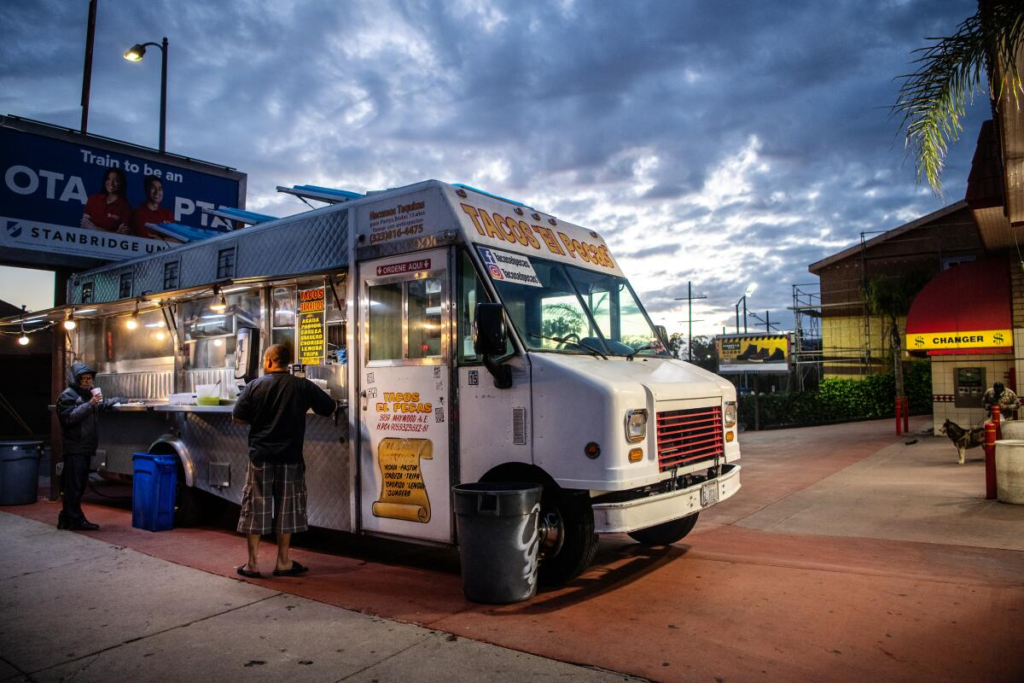
- Mexican cuisine, particularly in California and Texas, shaped modern American tastes through tacos, salsas, and street food culture.
These cuisines didn’t remain static. They evolved as communities adapted to new environments.
The result is what food historians often call “regional American fusion”—food that reflects both heritage and innovation.
Cities like Los Angeles, Houston, and New York illustrate this process clearly, where neighborhoods maintain strong culinary identities while constantly experimenting with new flavors.
The Role of Local Ingredients
Geography strongly influences the foods that define each region.
Local agriculture historically determined what communities cooked and shared.
Examples include:
- Pacific Northwest salmon and shellfish
- California’s produce-driven cuisine
- Vermont dairy traditions
- Midwest corn and grain agriculture
- Gulf Coast shrimp and oysters
The USDA reports that over 95% of U.S. farms are family-owned, and many regional dishes still rely on these small-scale agricultural systems.
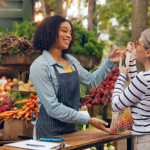
Farmers markets, seasonal menus, and regional specialties are reminders that food culture is deeply connected to the land.
Communities that celebrate local ingredients often develop stronger relationships between producers, chefs, and residents.
Food Festivals: Where Community Comes Together
Across the country, food festivals serve as annual celebrations of local identity.
These gatherings combine cultural heritage, tourism, and community pride.
Some well-known examples include:
- Maine Lobster Festival
- Gilroy Garlic Festival in California
- National Shrimp Festival in Alabama
- Hatch Chile Festival in New Mexico
But smaller regional festivals may be even more important.
Local events often feature:
- Community cooking competitions
- Family-run food stalls
- Local farmers and craft producers
- Cultural music and storytelling
For many towns, these festivals generate meaningful economic activity while reinforcing cultural continuity.
A study from Travel Oregon found that food-focused events can increase local tourism spending by up to 30% during festival weekends.
The Social Power of Shared Meals
Beyond regional identity, America’s Flavor Trail highlights the importance of communal dining traditions.
Across cultures, eating together strengthens relationships and encourages conversation.
Examples of American communal food traditions include:
- Church potluck dinners in rural communities
- Backyard barbecue gatherings
- Neighborhood block parties
- Tailgating before sporting events
- Holiday meals centered around shared dishes
These traditions emphasize participation rather than presentation.
Everyone contributes something to the table.
Sociologists note that shared meals encourage:
- Intergenerational connection
- Cultural knowledge transfer
- Informal community support networks
In other words, the table becomes a space where relationships grow.
Small Restaurants as Community Anchors
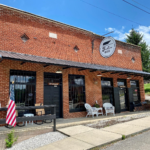
Independent restaurants play an important role along America’s Flavor Trail.
In many towns, local diners, barbecue joints, and bakeries function as community gathering spaces.
These establishments often:
- Support local farmers and suppliers
- Provide jobs within the neighborhood
- Host community events or fundraisers
- Serve as meeting places for residents
According to the Independent Restaurant Coalition, independent restaurants contribute billions annually to local economies and help maintain neighborhood character.
Unlike national chains, these businesses often reflect the personality of the community itself.
A family-run taco shop or barbecue pit might carry decades of history.
Food as Cultural Preservation
Regional cuisine also acts as a form of cultural preservation.
Many recipes passed down through generations represent heritage that might otherwise disappear.
Community cookbooks, food festivals, and family gatherings help preserve these traditions.
Examples include:
- Appalachian biscuit and gravy traditions
- Native American frybread recipes
- Cajun and Creole cooking methods
- Jewish deli traditions in New York
These foods carry cultural memory.
Even when communities change, their recipes often remain.
The Modern Evolution of the Flavor Trail
Today’s Flavor Trail continues to evolve as Americans experiment with new ideas.
Several trends are shaping the future of regional food culture:
- Farm-to-table restaurants emphasizing local sourcing
- Food trucks introducing global street food
- Chef collaborations blending regional styles
- Community gardens reconnecting urban neighborhoods with food production
Digital platforms have also changed how people discover regional cuisine.
Travelers increasingly plan trips around food experiences, seeking authentic local restaurants rather than national chains.
This renewed interest in regional food culture reinforces the connection between place, people, and flavor.

Frequently Asked Questions
What is meant by “America’s Flavor Trail”?
It refers to the diverse regional food traditions across the United States that reflect local culture, history, and agriculture.
Why is regional food important in American culture?
Regional food preserves cultural heritage, supports local economies, and strengthens community identity.
How does food bring communities together?
Shared meals encourage conversation, cultural exchange, and social bonding among neighbors and families.
What are some famous American regional foods?
Texas barbecue, New England clam chowder, Louisiana gumbo, Chicago deep-dish pizza, and Pacific Northwest seafood are well-known examples.
Do food festivals help local economies?
Yes. Food festivals attract tourism, support local vendors, and generate revenue for small businesses and community organizations.
Why are independent restaurants important for communities?
They provide jobs, support local producers, and often act as gathering places for residents.
How has immigration shaped American cuisine?
Immigrant communities introduced cooking techniques and ingredients that blended with local foods, creating unique regional dishes.
What role do farmers play in regional cuisine?
Farmers supply the ingredients that define regional food traditions, connecting communities to the land and local agriculture.
Are regional food traditions disappearing?
While some traditions evolve, many communities actively preserve them through festivals, cookbooks, and family gatherings.
How can travelers explore America’s Flavor Trail?
Visiting farmers markets, local diners, regional festivals, and neighborhood restaurants provides authentic food experiences.
A Table That Connects the Country
America’s Flavor Trail shows that food is more than cuisine—it’s community infrastructure.
Regional dishes reflect shared history. Local restaurants anchor neighborhoods. Food festivals create civic pride. And family meals pass cultural traditions from one generation to the next.
In an increasingly digital world, these food traditions provide something tangible: a place to gather, talk, and reconnect.
Following America’s Flavor Trail is ultimately about understanding people. The dishes may differ from state to state, but the underlying message is consistent—communities thrive when people share a table.
Key Insights from America’s Flavor Trail
- Regional cuisine reflects local history and immigration patterns
- Food traditions strengthen community identity
- Shared meals build social trust and belonging
- Independent restaurants support local economies
- Farmers and local agriculture shape regional dishes
- Food festivals celebrate cultural heritage and tourism
- Immigration continues to influence American cuisine
- Traveling for food connects people to local culture