Summary
Exploring local food starts long before a meal reaches the table. From bustling farmers markets to neighborhood kitchens, America’s local food culture connects growers, cooks, and communities. This guide explains how to follow the “flavor trail”—discovering seasonal ingredients, understanding regional food traditions, and supporting local producers while enjoying fresher, more meaningful meals.
Across the United States, a quiet shift is happening in how people discover food. Instead of starting with restaurant menus or grocery aisles, many Americans begin their culinary exploration at farmers markets, roadside stands, and small local kitchens.
This approach—often called “walking the flavor trail”—connects people directly with the source of their food. It blends travel, agriculture, cooking, and community into one experience. What begins with a tomato stand at a Saturday market may end with a home-cooked meal, a local café visit, or a new appreciation for regional cuisine.
For anyone interested in fresher food, meaningful travel, or understanding how ingredients shape American cooking traditions, the flavor trail offers a practical and rewarding path.
Why Farmers Markets Are the Starting Point
Farmers markets serve as the entry point to the local food ecosystem. According to the USDA Agricultural Marketing Service, the United States now has over 8,600 registered farmers markets, reflecting growing consumer demand for locally sourced food.
Unlike supermarkets, these markets create direct connections between growers and buyers. Shoppers can ask how produce was grown, what varieties are in season, and how ingredients are best prepared.
This direct interaction shapes how people cook and eat.
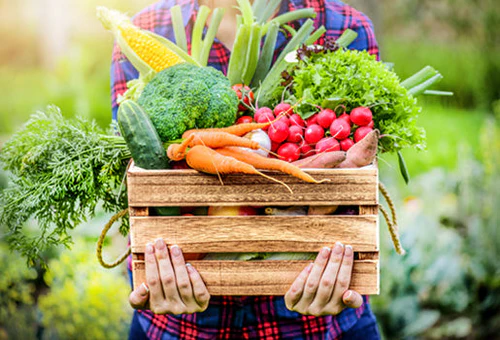
When someone buys freshly harvested peaches, pasture-raised eggs, or heirloom greens, the ingredients themselves often guide the meal.
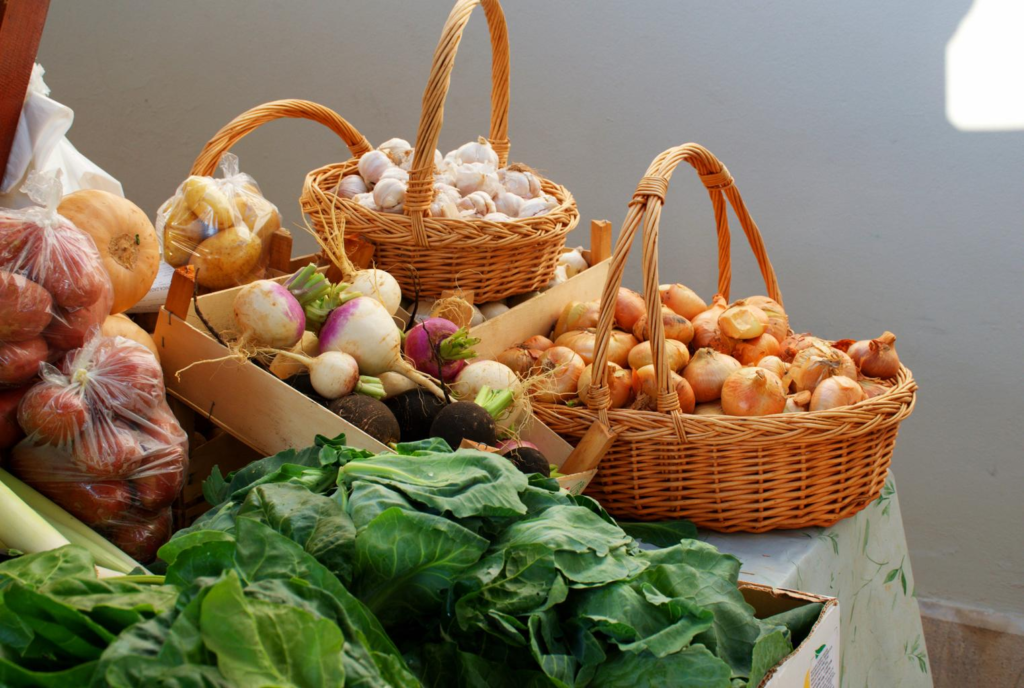
Markets also reveal regional identity. A market in Vermont might highlight maple products and artisanal cheeses, while one in California could showcase citrus, avocados, and organic greens.
Walking through these markets is essentially walking through the agricultural story of a region.
Understanding the “Flavor Trail” Concept
The flavor trail isn’t a formal route like a wine trail or barbecue trail. Instead, it’s an informal journey linking several elements of local food culture.
These typically include:
- Farmers markets
- Farm stands and orchards
- Small food producers
- Local bakeries and cafés
- Neighborhood kitchens and restaurants
- Home cooking inspired by local ingredients
Following the trail means seeing how raw ingredients move from field to plate.
For example, a visitor might:
- Buy goat cheese from a farm vendor at a market
- Learn how it’s produced
- Visit a nearby café that uses the same cheese
- Prepare a similar dish at home
This layered experience deepens appreciation for food far beyond simply eating it.
Seasonal Ingredients: The Backbone of Local Flavor
One of the most important lessons from farmers markets is seasonality.
In large grocery stores, ingredients are available year-round due to global supply chains. Local food systems operate differently. What appears at the market reflects what is currently being harvested nearby.
This seasonal rhythm affects both flavor and nutrition.
Produce harvested at peak ripeness generally contains stronger flavor and higher nutrient levels compared to items picked early for long-distance shipping.
Examples of seasonal highlights across the United States include:
Spring
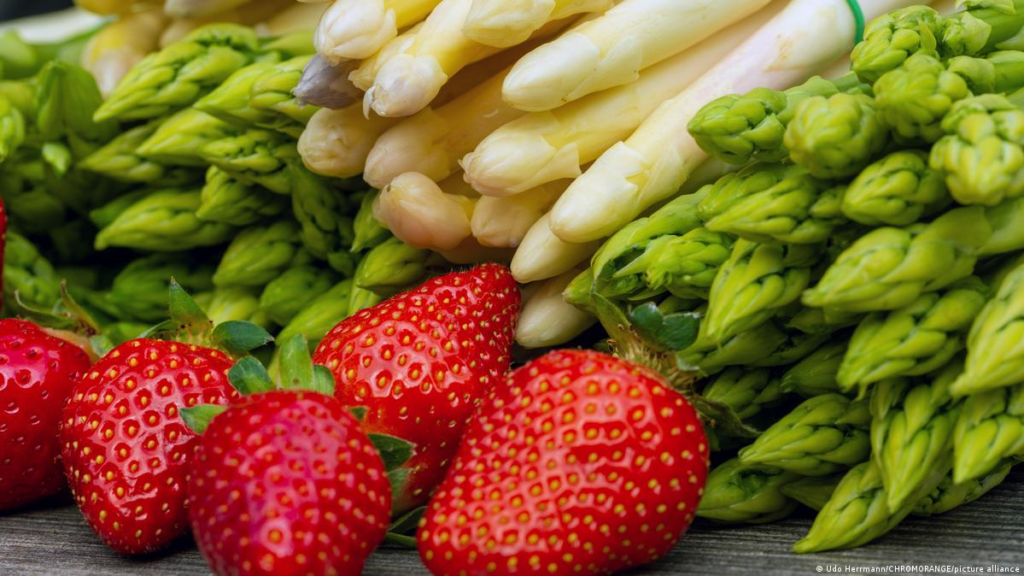
- Asparagus
- Strawberries
- Pea shoots
- Fresh herbs
Summer
- Tomatoes
- Sweet corn
- Peaches
- Zucchini
Fall
- Apples
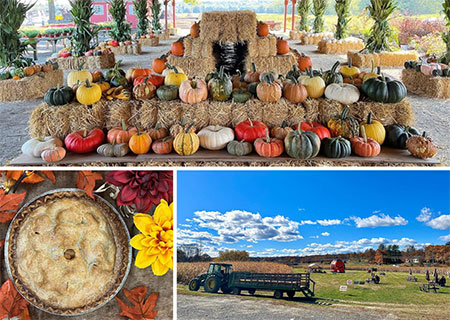
- Pumpkins
- Winter squash
- Root vegetables
Winter
- Storage crops like potatoes and onions
- Citrus in warmer states
- Preserved foods such as jams and pickles
Cooking along the flavor trail often means adjusting meals based on what’s available each week.
How Local Kitchens Transform Market Ingredients
Local restaurants and neighborhood kitchens often play a major role in showcasing regional ingredients.
Chefs who work closely with farmers can adapt menus quickly based on harvest cycles. This is why many farm-to-table restaurants update menus weekly or even daily.
For example:
- A chef might build a summer menu around peak tomato season.
- A bakery may feature berry pies when local fruit arrives.
- A café could rotate soups depending on available vegetables.
These kitchens act as culinary translators—turning raw ingredients into dishes that help people understand their potential.
Many chefs also attend farmers markets themselves, choosing ingredients directly from producers before preparing that day’s meals.
The Cultural Side of Local Food Trails
Beyond ingredients, flavor trails also highlight regional traditions.
American cuisine is incredibly diverse, shaped by immigration, geography, and agricultural history. Local food experiences help reveal these layers.
Consider a few examples:
- The South: farmers markets featuring okra, field peas, and peaches often connect to classic Southern cooking traditions.
- The Midwest: sweet corn, dairy products, and seasonal berries shape many local dishes.
- New England: seafood, maple syrup, and orchard fruits define regional flavors.
- The Southwest: chilies, corn, and beans remain central to traditional cuisine.
When visitors explore local markets and kitchens, they often experience these traditions more authentically than through mainstream restaurant chains.
Practical Ways to Follow the Flavor Trail
For anyone interested in exploring local food culture, the process is surprisingly simple.
Start by treating food discovery as a local exploration rather than just grocery shopping.
Practical steps include:
- Visit a farmers market early in the morning for the best selection
- Ask vendors how they recommend preparing their products
- Look for unusual or heritage varieties of fruits and vegetables
- Track which restaurants advertise local sourcing
- Try cooking at home using only market ingredients
Over time, these small habits create a deeper understanding of local agriculture and cuisine.
The Economic Impact of Buying Local
Supporting local producers also benefits regional economies.
Research from local food initiatives suggests that dollars spent at farmers markets often circulate several times within the local economy. Farmers pay local workers, purchase supplies nearby, and contribute to community development.
Local food systems also help smaller farms stay viable in an agricultural landscape increasingly dominated by large-scale operations.
For communities, markets can become gathering places that encourage social interaction, small business growth, and tourism.
What Makes a Farmers Market Worth Visiting?
Not all markets offer the same experience.
The best ones usually share several characteristics:
- Vendors selling products they personally grow or produce
- Seasonal produce rather than imported goods
- A mix of farmers, bakers, and specialty food producers
- Transparent information about sourcing
- Opportunities to talk directly with producers
Some markets also feature cooking demonstrations, live music, or educational programs about sustainable agriculture.
These elements transform a simple shopping trip into a community event.
From Market Bag to Dinner Table
One of the most rewarding parts of following the flavor trail is cooking with ingredients you’ve just purchased from their source.
Home cooks often discover that simple preparation methods work best with fresh ingredients.
Examples include:
- Roasting seasonal vegetables with olive oil and herbs
- Preparing simple salads with market greens and fresh cheese
- Making fruit crisps with freshly picked berries
- Grilling vegetables or locally raised meats
The goal isn’t elaborate recipes. It’s letting the ingredients shine.
Over time, many people find their cooking becomes more intuitive as they learn how seasonal foods behave in the kitchen.
Why Americans Are Rediscovering Local Food
Interest in local food has grown significantly over the past two decades.
Several factors contribute to this trend:
- Increased awareness of food sourcing
- Interest in sustainable agriculture
- Desire for fresher, better-tasting ingredients
- Support for small businesses
- Curiosity about regional cuisine
The COVID-19 pandemic also accelerated interest in local supply chains, as consumers sought more reliable and transparent food sources.
Today, farmers markets, community-supported agriculture programs, and small food producers are once again central parts of many American communities.
Frequently Asked Questions
What is the flavor trail concept?
The flavor trail refers to exploring food through local sources—farmers markets, farms, and neighborhood kitchens—to understand how ingredients move from growers to the plate.
Are farmers markets cheaper than grocery stores?
Prices vary. Some products may cost slightly more due to smaller-scale production, but the freshness and quality are often higher.
How do I find farmers markets near me?
Most cities maintain online directories, and the USDA Farmers Market Directory is one of the most comprehensive resources.
What should I bring to a farmers market?
Reusable bags, small bills, and sometimes a cooler bag for perishable items.
How can I tell if produce is locally grown?
Ask the vendor directly. Authentic markets usually require vendors to sell products they grow themselves.
Do restaurants really use local ingredients?
Many independent restaurants source from nearby farms, especially those promoting farm-to-table dining.
What time is best to visit a farmers market?
Early morning usually offers the best selection, while late visits may provide discounts on remaining items.
Can farmers markets help reduce environmental impact?
Yes. Shorter transportation distances and smaller-scale farming often reduce carbon emissions compared to global supply chains.
What are heritage or heirloom vegetables?
These are older plant varieties preserved for flavor and diversity rather than mass production.
Is cooking with seasonal ingredients difficult?
Not at all. Seasonal cooking often involves simpler recipes that highlight natural flavors.
A Journey Measured in Harvests
Walking the flavor trail is less about finding trendy foods and more about rediscovering how ingredients shape our meals and communities. When people meet farmers, learn seasonal rhythms, and cook with local products, food becomes more than a commodity—it becomes part of a living regional story.
The path from farmers markets to local kitchens reconnects people with the landscapes and traditions that feed them.
Key Lessons from the Flavor Trail
- Farmers markets reveal the true seasonality of food
- Local kitchens translate fresh ingredients into regional dishes
- Seasonal cooking improves flavor and variety
- Buying local strengthens community economies
- Simple meals often showcase fresh ingredients best