Summary
American heritage reflects the shared history, cultural traditions, democratic ideals, and diverse experiences that have shaped the United States. From the founding era to modern communities, these historical threads connect generations of Americans. Understanding heritage helps explain national values, civic identity, and cultural diversity, offering insight into how the past continues to influence American life today.
What Is American Heritage?
American heritage refers to the collective history, traditions, values, and cultural experiences that have shaped the United States and its people over time. It includes historical events, founding principles, immigration stories, regional traditions, and the everyday practices that define American life.
Unlike a single cultural narrative, American heritage is a mosaic. It combines Indigenous histories, European settlement, African American experiences, waves of immigration, and regional identities that together form the national story.
For many Americans, heritage appears in familiar forms:
- National holidays such as Independence Day or Thanksgiving
- Historic landmarks and preserved towns
- Family traditions passed down through generations
- Cultural practices introduced by immigrant communities
- Civic institutions rooted in democratic ideals
These elements create a shared framework that connects Americans across geography, background, and time.
Understanding American heritage helps explain why certain values—such as freedom, civic participation, and opportunity—remain central to the nation’s identity.
The Founding Principles That Shaped the Nation
At the core of American heritage are the ideas that emerged during the late 18th century, particularly during the founding of the United States.
Documents such as the Declaration of Independence and the Constitution introduced principles that continue to influence American life today.
These foundational ideals include:
- Individual liberty
- Representative government
- Rule of law
- Equality before the law
- Protection of civil rights
The influence of these principles extends beyond government institutions. They shape national debates, education systems, and public culture.
For example, discussions about voting rights, free speech, or equal protection under the law often reference the nation’s founding documents. These historical texts serve as both a guide and a point of reflection for modern civic life.
Heritage, in this sense, is not static. Americans continuously interpret and reinterpret these principles as society evolves.

Indigenous Roots: The Earliest American Traditions
Long before the United States existed as a nation, Indigenous peoples shaped the land, culture, and traditions of North America.
Hundreds of Native nations developed complex societies, trade networks, and environmental knowledge systems that influenced later American development.
Many aspects of Indigenous heritage remain visible today:
- Place names derived from Native languages
- Agricultural techniques such as crop rotation and corn cultivation
- Environmental stewardship traditions
- Artistic practices including beadwork, pottery, and weaving
Indigenous heritage is increasingly recognized as a foundational part of the American story.
In recent decades, museums, educational programs, and cultural initiatives have expanded efforts to preserve Native languages and traditions. These initiatives help broaden public understanding of American heritage beyond the traditional narratives taught in earlier generations.
Immigration and the American Cultural Mosaic
One of the defining features of American heritage is immigration.
From the 19th century onward, millions of people from Europe, Asia, Latin America, and other regions arrived in the United States seeking opportunity and safety.
According to the U.S. Census Bureau, more than 44 million immigrants lived in the United States in 2022, representing about 13 percent of the population. Their contributions have shaped American culture in profound ways.
Immigration has influenced:
- Cuisine and culinary traditions
- Language and regional dialects
- Religious diversity
- Music and artistic expression
- Entrepreneurial innovation
For instance, Italian immigrants transformed American food culture with pizza and pasta restaurants, while Asian communities introduced culinary traditions that are now staples in many cities.
Similarly, immigrant entrepreneurs have played a significant role in the American economy. Research from the National Foundation for American Policy shows that more than half of U.S. startup companies valued at $1 billion or more were founded by immigrants or their children.
These contributions illustrate how immigration continues to expand and redefine American heritage.
Regional Traditions Across the United States
American heritage varies widely across regions. Geography, local history, and cultural influences have produced distinctive regional identities.
Examples include:
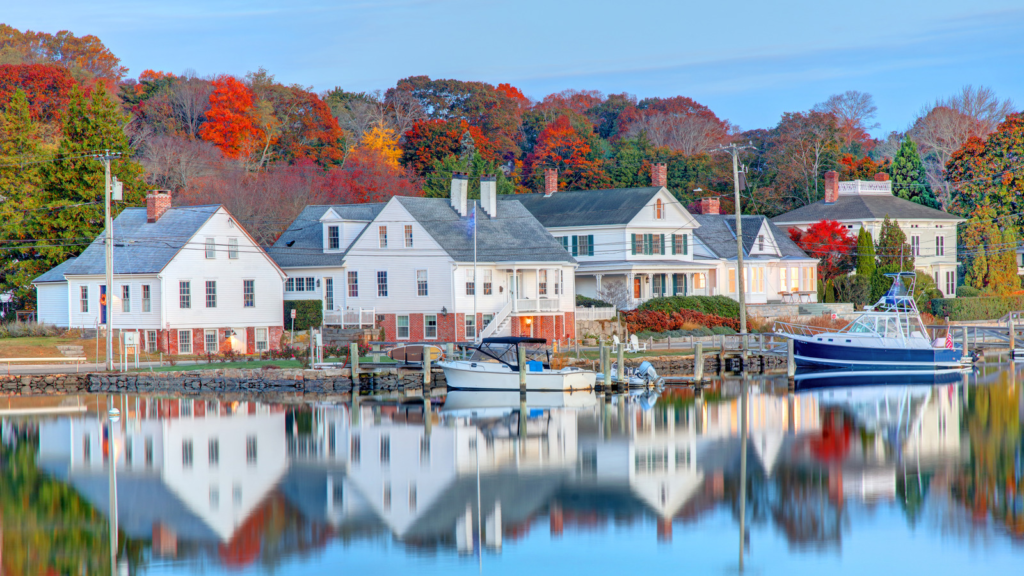
- New England: Colonial architecture, maritime traditions, and early American history
- The South: Culinary heritage, blues and jazz music, and Civil War historical sites
- The Midwest: Agricultural traditions and industrial development
- The Southwest: Strong Indigenous and Hispanic cultural influences
- The West Coast: Innovation, multicultural communities, and Pacific trade history
These regional identities contribute to the richness of the national story.
Consider the example of Louisiana’s cultural traditions. The blending of French, Spanish, African, and Caribbean influences produced unique music styles such as jazz and zydeco, as well as culinary traditions like gumbo and jambalaya.
Similarly, Native Hawaiian culture, Hispanic heritage in California and Texas, and Scandinavian traditions in parts of the Midwest all illustrate how regional influences shape American heritage.
Landmarks and Historic Sites That Preserve the Past
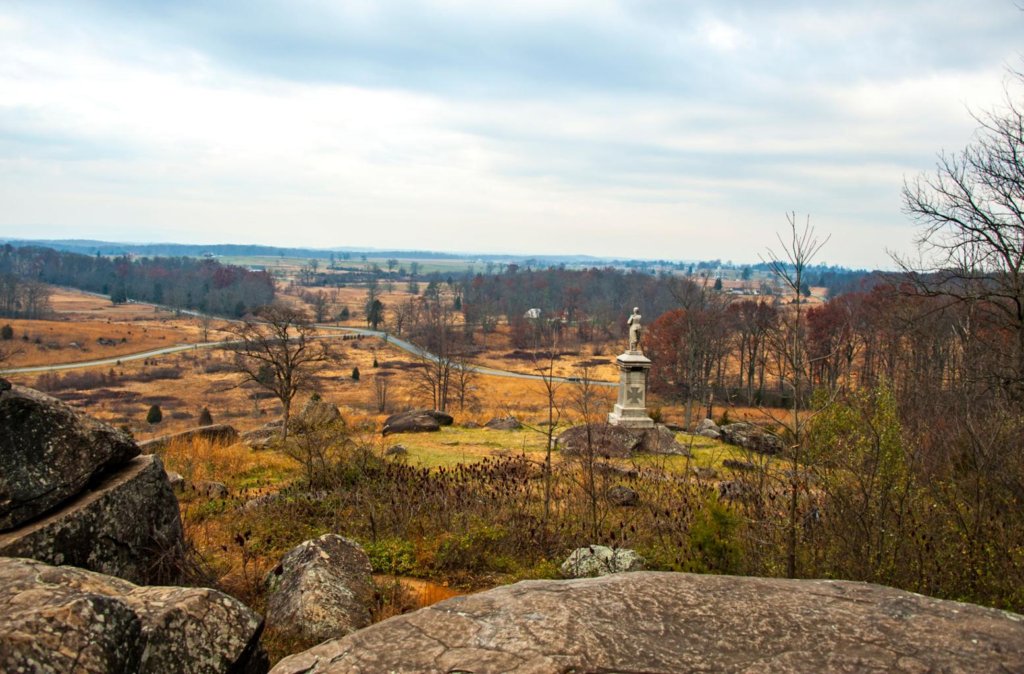
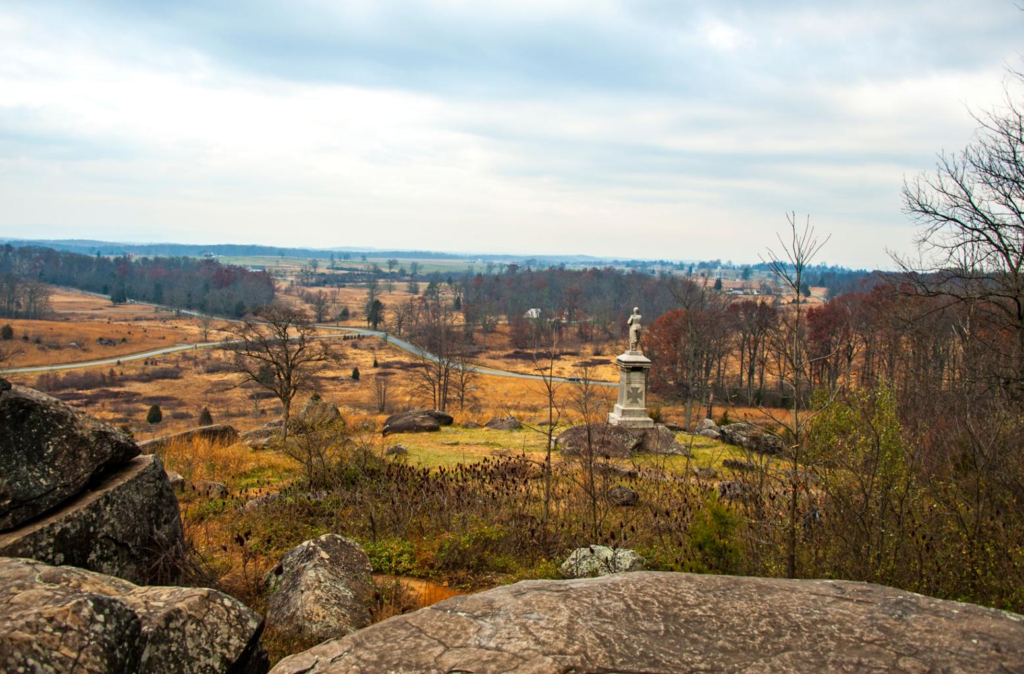
Historic landmarks serve as tangible reminders of the nation’s past.
Across the United States, thousands of preserved locations help tell the story of American heritage. These sites provide context for historical events and offer educational opportunities for visitors.
Notable examples include:
- National parks and battlefields
- Historic neighborhoods and colonial towns
- Museums dedicated to cultural history
- Presidential libraries and memorials
Organizations such as the National Park Service oversee many of these locations. As of 2024, the agency manages over 420 protected areas across the United States, ranging from natural landscapes to historic sites.
Visiting these places can transform abstract history into lived experience. Walking through preserved towns like Colonial Williamsburg or touring civil rights landmarks in Alabama allows visitors to connect directly with the events that shaped the nation.
Cultural Traditions Passed Through Generations
American heritage is not limited to major historical events. It also lives in everyday traditions.
Family gatherings, community celebrations, and local customs often carry historical meaning.
Examples include:
- Fourth of July parades and fireworks
- County fairs and agricultural festivals
- Cultural heritage festivals celebrating ethnic traditions
- Family recipes passed down through generations
- Storytelling traditions that preserve family history
These practices may appear simple, but they play an important role in maintaining cultural continuity.
For example, many immigrant families maintain traditions such as holiday foods, language use, or religious observances that connect younger generations to their cultural roots.
These traditions demonstrate how heritage operates at both national and personal levels.
How American Heritage Continues to Evolve
American heritage is dynamic rather than fixed.
Social movements, technological change, and demographic shifts continually reshape how Americans interpret their history.
Recent decades have seen increased attention to previously overlooked perspectives, including:
- African American history and civil rights movements
- Women’s contributions to national development
- Indigenous cultural revitalization
- Immigrant and refugee experiences
Museums, universities, and historical organizations now place greater emphasis on inclusive storytelling.
Digital technology has also changed how Americans engage with heritage. Online archives, virtual museum tours, and digitized historical records allow people to explore family histories and national events more easily than ever before.
This evolving understanding reflects a broader recognition that American heritage is made up of many interconnected stories.
Why Understanding Heritage Matters Today
Understanding American heritage is not simply about studying the past. It provides insight into current social and cultural dynamics.
Heritage helps Americans:
- Understand the origins of national values
- Recognize the contributions of diverse communities
- Preserve historical knowledge for future generations
- Strengthen civic engagement and public dialogue
For students, educators, policymakers, and families alike, exploring heritage offers a deeper appreciation of how the nation developed and where it may be headed.
In a diverse society, heritage also provides common ground. By examining shared history—while acknowledging different perspectives—Americans can better understand the forces that shaped their country.
Frequently Asked Questions
What does American heritage mean?
American heritage refers to the shared history, cultural traditions, values, and experiences that have shaped the United States and its people over time.
Why is American heritage important?
It helps explain national identity, cultural diversity, and the historical foundations of democratic institutions.
What are examples of American heritage?
Examples include historic landmarks, national holidays, family traditions, founding documents, and cultural practices introduced by immigrant communities.
How does immigration influence American heritage?
Immigration introduces new cultural traditions, languages, foods, and ideas that continually shape and expand American society.
What role do historic landmarks play in heritage?
Landmarks preserve physical evidence of historical events and provide educational opportunities for future generations.
How do families pass down heritage?
Families often preserve heritage through storytelling, cultural traditions, recipes, language, and community celebrations.
Is American heritage still evolving?
Yes. Social change, migration, and new historical research continually reshape how Americans understand their past.
How can people explore their own heritage?
Individuals can research family history, visit historical sites, explore archives, or participate in cultural traditions.
What organizations preserve American heritage?
Organizations such as the National Park Service, Smithsonian Institution, and local historical societies work to preserve historical sites and records.
How does heritage influence modern American culture?
Heritage shapes values, cultural traditions, political debates, and national identity.