Summary
Many iconic American dishes were born from specific towns, immigrant communities, and regional ingredients. From Louisiana gumbo to Philadelphia cheesesteaks, each recipe reflects local culture, migration, and history. Understanding where these dishes come from helps explain why they taste the way they do—and why certain places remain the best destinations to experience them today.
American cuisine is often described as a melting pot, but that phrase only scratches the surface. Many dishes Americans think of as “national” foods actually have deeply local origins. They were shaped by specific regions, immigrant communities, agricultural conditions, and economic realities.
Tracing the story behind classic American dishes reveals how food evolves through migration, necessity, and cultural exchange. It also explains why certain cities and regions remain synonymous with particular flavors.
For travelers, food enthusiasts, and home cooks alike, understanding these local roots adds a deeper appreciation for what’s on the plate.
Why Regional History Shapes American Food
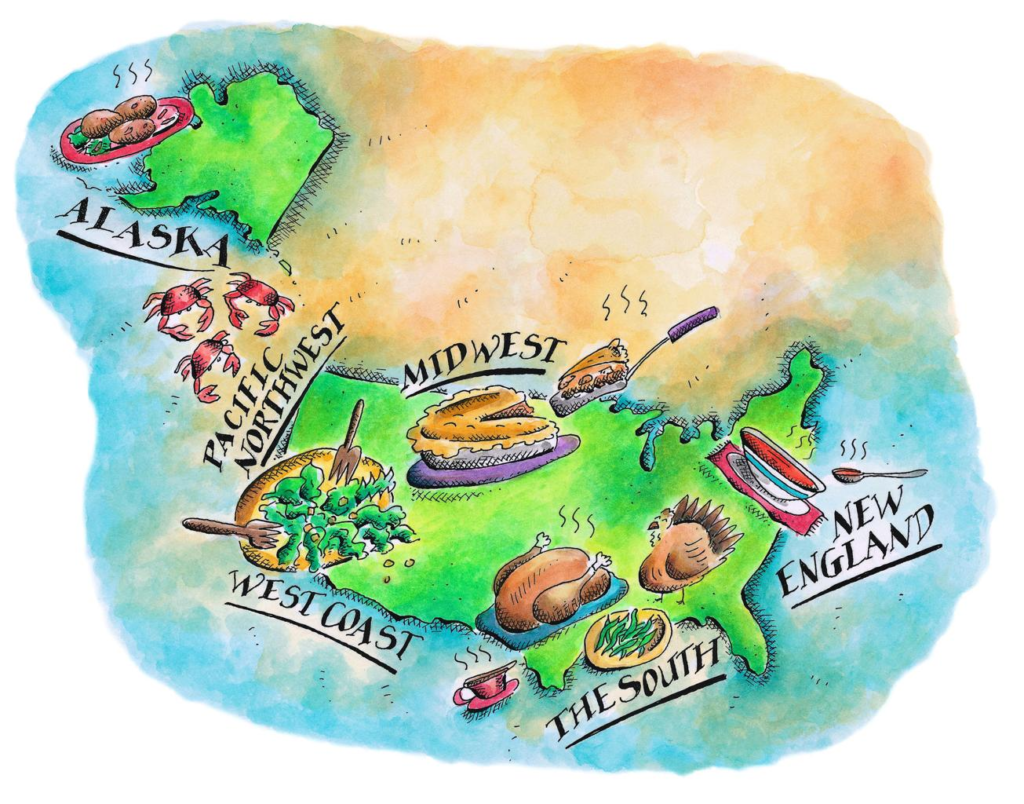
The United States is geographically vast, and its culinary traditions developed region by region. Climate, agriculture, and migration patterns played decisive roles in shaping local dishes.
For example:
- Coastal regions leaned heavily on seafood.
- Agricultural areas developed grain- and meat-based specialties.
- Immigrant communities adapted traditional recipes to available ingredients.
Food historian John T. Edge of the Southern Foodways Alliance has often noted that regional dishes reflect “the intersection of land, labor, and culture.”
Many American dishes originated not in restaurants but in homes, street stands, or working-class neighborhoods.
Over time, these local foods gained wider recognition and eventually became national icons.
New Orleans Gumbo: A Culinary Story of Cultural Exchange
Few dishes capture the complexity of American culinary history like gumbo.
Developed in New Orleans during the 18th and 19th centuries, gumbo blends culinary traditions from West Africa, France, Spain, and Native American communities.
Key influences include:
- West African cooking traditions, especially okra-based stews
- French culinary techniques, including roux-based thickening
- Choctaw Native American ingredients, such as filé powder
- Spanish colonial flavors, particularly sausage and seafood
Gumbo developed in Louisiana’s port city environment, where ingredients and cultural influences converged.
Two major styles dominate today:
Creole Gumbo
- Tomato-based
- Often includes seafood and sausage
- Associated with New Orleans city cuisine
Cajun Gumbo
- Dark roux base
- Typically chicken and andouille sausage
- Originated in rural Louisiana communities
According to the Louisiana Office of Tourism, gumbo remains one of the most ordered dishes by visitors exploring New Orleans’ historic restaurants.

The Philadelphia Cheesesteak: A Street Food Success Story
The Philadelphia cheesesteak emerged in the early 20th century from the city’s Italian-American community.
Legend traces its creation to Pat Olivieri, a hot dog vendor who grilled sliced beef on his stand in South Philadelphia during the 1930s.
A taxi driver reportedly smelled the steak and asked for a sandwich, sparking the idea.
The classic cheesesteak features:
- Thinly sliced ribeye steak
- A long Italian roll
- Melted cheese
- Optional onions
Two Philadelphia institutions popularized the sandwich:
- Pat’s King of Steaks
- Geno’s Steaks
The rivalry between these establishments helped cement the cheesesteak as a city symbol.
Today, visitors still debate the traditional cheese choice:
- Cheez Whiz
- Provolone
- American cheese
Philadelphia reportedly sells thousands of cheesesteaks daily, with the sandwich becoming one of the most recognizable regional foods in the country.
Chicago Deep-Dish Pizza: Built for a Hungry City
Chicago’s deep-dish pizza emerged during the 1940s, a time when the city’s working population demanded hearty, filling meals.
Unlike traditional Italian pizza, Chicago’s version features:
- A thick, buttery crust
- High edges similar to a pie
- Layers of cheese, meat, and vegetables
- Tomato sauce added on top
This reverse layering prevents the cheese from burning during longer baking times.
The style is widely credited to the founders of Pizzeria Uno, which opened in 1943.
Key characteristics of deep-dish pizza include:
- A baking time of 30–45 minutes
- A pie-like structure requiring a knife and fork
- Generous portions designed for sharing
Chicago-style pizza reflects the city’s industrial heritage—big, filling, and designed to satisfy workers after long shifts.
Texas Barbecue: Smoke, Meat, and Regional Pride
Barbecue is one of the most diverse culinary traditions in the United States, but Texas has built one of the most distinctive regional styles.
Texas barbecue traces back to German and Czech immigrants who settled in Central Texas during the 19th century.
They brought sausage-making traditions and meat-smoking techniques that merged with ranching culture.
Four primary Texas barbecue styles exist:
Central Texas Style
- Simple salt and pepper seasoning
- Post oak wood smoke
- Focus on brisket
East Texas Style
- Chopped meat
- Sweet tomato-based sauces
- Southern influence
West Texas Style
- Direct heat grilling over mesquite
South Texas Style
- Mexican influence with barbacoa traditions
The brisket-heavy Central Texas style has gained national attention, with cities like Austin and Lockhart often called barbecue capitals.
Buffalo Wings: A Late-Night Bar Innovation
Buffalo wings have a surprisingly recent origin story.
They were invented in 1964 at the Anchor Bar in Buffalo, New York.
According to the widely accepted account, Teressa Bellissimo created the dish as a late-night snack for her son and his friends.
Chicken wings—previously considered undesirable cuts—were deep-fried and coated in a mixture of hot sauce and butter.
The result was:
- Spicy
- Crispy
- Easy to share
Buffalo wings quickly became a staple in bars across the United States.
Today they are a major game-day food, especially during the Super Bowl.
The National Chicken Council estimates Americans consume over 1.4 billion wings during Super Bowl weekend alone.
New England Clam Chowder: Coastal Tradition in a Bowl
Clam chowder reflects the maritime history of New England.
European settlers in the 1700s combined local seafood with dairy and potatoes to create a hearty soup suitable for cold coastal climates.
New England clam chowder features:
- Cream or milk base
- Fresh clams
- Potatoes
- Salt pork
- Onions
It differs significantly from other regional versions:
Manhattan Clam Chowder
- Tomato-based broth
Rhode Island Clam Chowder
- Clear broth
The creamy New England version became the most widely recognized, especially after gaining popularity in Boston restaurants during the 19th century.
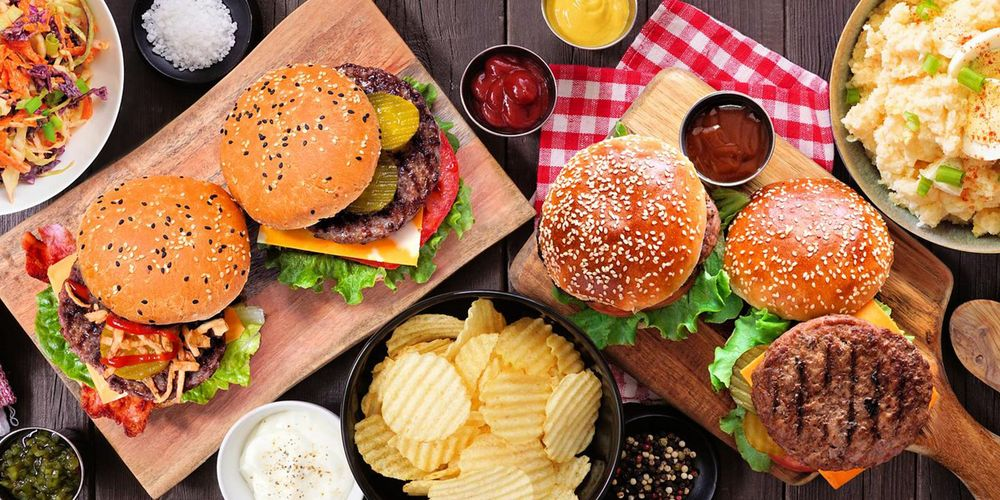
Nashville Hot Chicken: A Dish Born from Revenge
Nashville hot chicken is one of the most flavorful stories in American culinary history.
The dish originated in Nashville’s African American community during the 1930s.
According to local legend, Thornton Prince’s girlfriend attempted to punish him for late nights out by serving him overly spicy fried chicken.
Instead, he loved it.
Prince later opened Prince’s Hot Chicken Shack, which remains one of the most famous hot chicken restaurants in the country.
The defining features include:
- Crispy fried chicken
- Cayenne-heavy spicy oil coating
- White bread and pickles for balance
In recent years, Nashville hot chicken has spread nationwide, appearing on restaurant menus across the United States.
Why Local Food Stories Still Matter
Understanding where American dishes come from helps preserve cultural heritage.
Regional foods reflect:
- Migration patterns
- Economic history
- Local agriculture
- Community identity
Cities across the United States increasingly promote culinary tourism based on these traditions.
According to the U.S. Travel Association, food experiences rank among the top three motivations for domestic travel.
Visitors now travel specifically to taste authentic regional dishes where they originated.
Frequently Asked Questions
What is the most iconic regional food in the United States?
There is no single answer, but dishes like Texas barbecue, Chicago deep-dish pizza, and New Orleans gumbo are among the most widely recognized regional foods.
Why do American dishes vary so much by region?
Regional agriculture, immigrant populations, and local climate influenced cooking traditions, leading to distinct culinary identities across the country.
Which American dish has the most diverse cultural influences?
Gumbo is widely considered one of the most culturally layered dishes, combining African, French, Spanish, and Native American culinary traditions.
Where did Buffalo wings originate?
Buffalo wings were invented in 1964 at the Anchor Bar in Buffalo, New York.
Why is Chicago pizza so different from traditional pizza?
Chicago deep-dish pizza was designed as a hearty meal, with thick crust and layered ingredients baked in a deep pan.
What makes Texas barbecue unique?
Texas barbecue emphasizes slow-smoked brisket, minimal seasoning, and wood-fired cooking techniques.
Are cheesesteaks always served with cheese whiz?
Not necessarily. Provolone and American cheese are also traditional options in Philadelphia.
What’s the difference between Cajun and Creole gumbo?
Creole gumbo often includes tomatoes and seafood, while Cajun gumbo usually features darker roux and meat-based ingredients.
Why are regional foods important culturally?
They reflect community identity, migration history, and the availability of local ingredients.
Can regional American dishes be recreated at home?
Yes, though authentic flavor often depends on regional ingredients and traditional preparation techniques.
A Culinary Map Written in Recipes
American cuisine is best understood not as a single tradition but as a network of regional stories.
Each dish carries traces of migration, local ingredients, and community innovation. From New Orleans kitchens to Philadelphia street stands, these foods reflect how people adapted old traditions to new environments.
Exploring the origins of classic American dishes transforms everyday meals into historical experiences.
What These Food Stories Reveal About American Cuisine
- Regional dishes often begin as practical meals for working communities
- Immigration played a major role in shaping American food traditions
- Local ingredients strongly influence recipe development
- Street food vendors and small restaurants often create iconic dishes
- Many famous American foods are less than 100 years old
- Culinary tourism continues to grow as travelers seek authentic regional flavors