
Summary
American heritage is built on traditions that shaped the nation’s identity—from democratic ideals and civic participation to community customs, cultural contributions, and historical milestones. Understanding these traditions helps explain how the United States evolved and why certain values remain central today. This article explores the historical foundations, everyday practices, and shared experiences that continue to define American heritage.
American heritage is not defined by a single event or cultural influence. Instead, it is the result of centuries of traditions—political, cultural, and social—that gradually formed the character of the United States. From early colonial settlements to modern civic practices, these traditions continue to shape how Americans understand their country and their role within it.
For many Americans, heritage appears in everyday moments: voting in local elections, celebrating national holidays, volunteering in community organizations, or preserving family histories. These actions reflect traditions passed through generations, reinforcing values such as civic responsibility, freedom, innovation, and diversity.
Understanding the foundations of American heritage offers more than historical insight. It provides context for many of the institutions, customs, and national conversations that continue to shape American life today.
The Foundational Ideals of the American Experiment
The roots of American heritage are closely tied to the political ideas that guided the nation’s founding. Concepts such as representative government, individual liberty, and rule of law became central pillars of the American identity.
When the Declaration of Independence was adopted in 1776, it articulated principles that would influence generations of Americans. The document emphasized natural rights—life, liberty, and the pursuit of happiness—and asserted that governments derive power from the consent of the governed.
These ideas were later embedded in the U.S. Constitution, ratified in 1788, which established a framework for democratic governance. According to the National Archives, the Constitution remains the longest-lasting written national constitution in active use today.
The tradition of democratic participation developed alongside these documents. Over time, Americans expanded voting rights, strengthened civic institutions, and built a political culture centered on public engagement.
Today, civic participation remains one of the most visible expressions of American heritage.
Examples include:
- Voting in local, state, and national elections
- Participating in community boards and school governance
- Serving on juries as part of the justice system
- Engaging in peaceful political activism
These practices reinforce the idea that citizens are active participants in shaping the country.
The Influence of Diverse Cultural Roots
Another defining characteristic of American heritage is cultural diversity. The United States developed through waves of immigration, indigenous traditions, and regional influences that collectively shaped its identity.
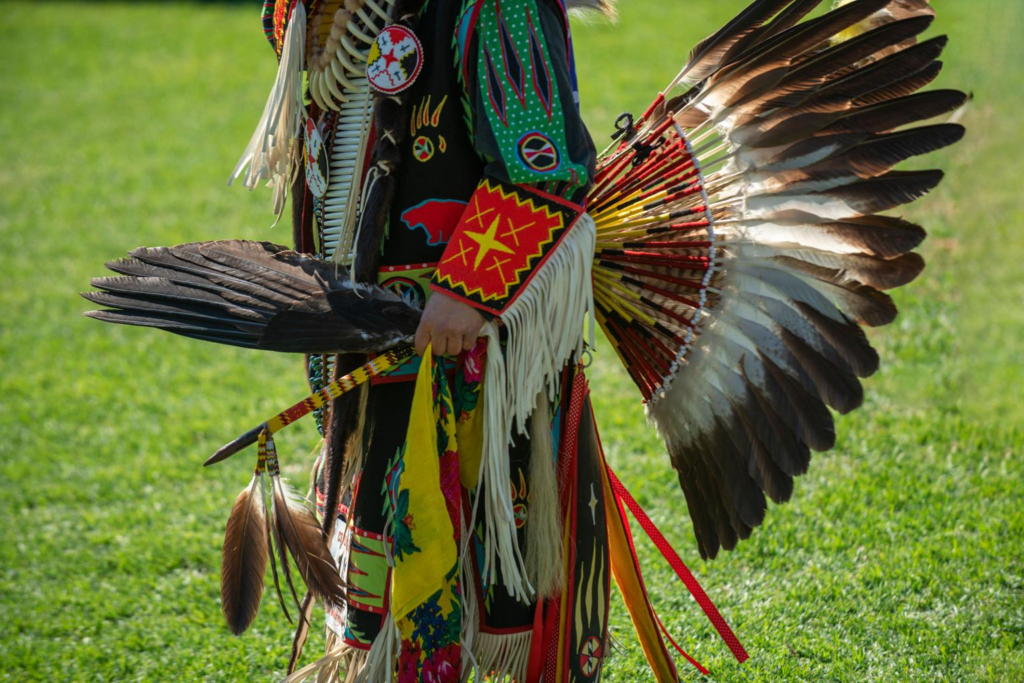
Native American nations represent the oldest continuous cultural traditions in the United States. Their knowledge of land stewardship, agriculture, and community organization influenced early colonial survival and regional development.
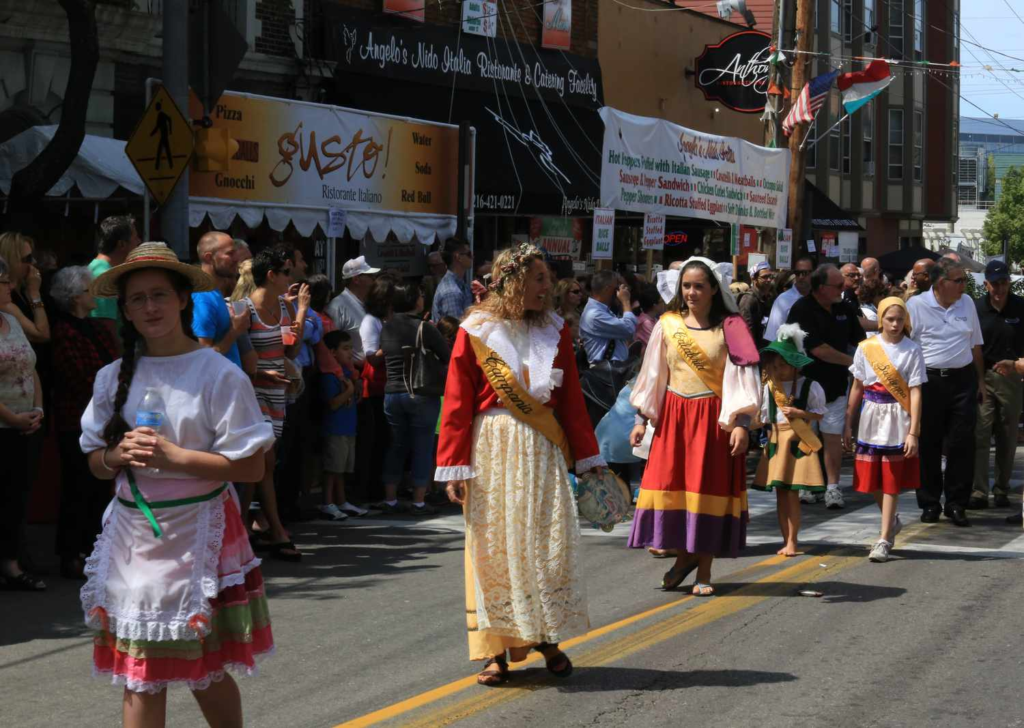
Over the centuries, immigration added new cultural traditions that enriched American life. German immigrants brought brewing traditions and educational reforms, Italian immigrants influenced cuisine and urban culture, while Irish communities played a significant role in political organization in major cities.
According to the Migration Policy Institute, the United States is home to more than 46 million immigrants, representing about 14 percent of the population, illustrating how cultural exchange continues to shape the nation.
These cultural contributions appear in everyday life through:
- Regional cuisines and food traditions
- Music genres such as jazz, blues, and country
- Festivals celebrating cultural heritage
- Community institutions such as churches and cultural centers
Rather than replacing existing traditions, many of these influences blended together, creating a dynamic cultural landscape that continues to evolve.
National Holidays and Shared Commemorations
Traditions are often reinforced through public celebrations and commemorations. National holidays provide opportunities for Americans to reflect on shared history and collective values.
Independence Day, celebrated on July 4th, remains one of the most widely recognized expressions of American heritage. Communities across the country host parades, fireworks, and historical reenactments to commemorate the nation’s founding.
Similarly, Thanksgiving highlights themes of gratitude, community, and reflection. Although interpretations of the holiday have evolved, the tradition of gathering for a shared meal continues to symbolize family connection and national reflection.
Other holidays honor the contributions of individuals and historical movements, including:
- Martin Luther King Jr. Day, recognizing the civil rights movement
- Memorial Day, honoring military service members who died in service
- Veterans Day, recognizing all who served in the U.S. military
According to the U.S. Travel Association, more than 55 million Americans travel for Thanksgiving each year, demonstrating how deeply rooted the tradition of family gatherings remains in American culture.
These holidays serve not only as celebrations but also as opportunities to pass historical knowledge to younger generations.
Local Traditions and Community Identity
While national traditions often receive the most attention, local customs play an equally important role in shaping American heritage. Across the country, communities maintain unique practices that reflect regional history and culture.
For example, small towns often hold annual fairs that celebrate agricultural traditions. County fairs, which date back to the early 19th century, highlight farming achievements, livestock competitions, and community gatherings.
In coastal regions, maritime festivals commemorate fishing heritage and seafaring traditions. In the Southwest, cultural events often reflect Native American and Hispanic influences.
Local traditions frequently include:
- Community parades and seasonal festivals
- High school sports traditions that bring communities together
- Historic preservation events and reenactments
- Farmers markets and regional craft fairs
These traditions strengthen social connections and maintain continuity between generations.
They also remind residents that heritage is not only preserved in national monuments but also in everyday community experiences.

The Role of Historical Preservation
Preserving historical sites and artifacts is another important component of American heritage. Museums, archives, and historic landmarks help maintain a connection between past and present.
The National Park Service oversees more than 420 protected sites, including battlefields, historic homes, cultural landscapes, and national monuments. These sites provide opportunities for Americans to engage directly with the country’s history.
Historic preservation efforts also occur at the local level. Many cities maintain historic districts where architectural styles from earlier periods are protected.
Examples of preservation initiatives include:
- Restoring historic buildings and neighborhoods
- Maintaining battlefield sites from the Revolutionary and Civil Wars
- Digitizing historical records and family archives
- Supporting community museums and historical societies
Preservation helps ensure that the stories behind American heritage remain accessible to future generations.
Education and the Transmission of Heritage
American heritage is also passed through educational institutions. Schools, universities, and public programs help introduce students to the nation’s historical foundations and civic traditions.
Civic education remains an important part of American schooling. According to the Annenberg Public Policy Center, surveys have shown that public understanding of constitutional principles can vary widely, which has increased interest in strengthening civic education initiatives.
Educational approaches often include:
- Teaching foundational documents such as the Constitution and Bill of Rights
- Encouraging participation in student government
- Organizing field trips to historical sites
- Supporting history competitions and debate programs
Beyond formal education, families also play a major role in transmitting heritage. Family stories, traditions, and genealogical research often help individuals develop a deeper understanding of their place within the broader American narrative.
How American Traditions Continue to Evolve
While many traditions have deep historical roots, American heritage is not static. It continues to evolve as new generations reinterpret traditions and incorporate new cultural influences.
For example, civic participation now extends beyond traditional town meetings to digital activism and online community organizing. Cultural celebrations increasingly highlight diverse perspectives and shared experiences.
At the same time, many longstanding traditions remain stable. National holidays, community gatherings, and civic institutions continue to provide a sense of continuity in a rapidly changing society.
This balance between continuity and adaptation allows American heritage to remain relevant while preserving historical foundations.
Frequently Asked Questions
What is meant by American heritage?
American heritage refers to the traditions, values, cultural influences, and historical experiences that have shaped the identity of the United States over time.
Why are traditions important in American history?
Traditions help preserve historical knowledge, reinforce shared values, and connect generations through common cultural practices.
How did immigration influence American heritage?
Immigration introduced new cultural traditions, languages, foods, and social customs that blended with existing influences to create a diverse national culture.
What role do national holidays play in American heritage?
National holidays commemorate historical events and individuals while encouraging reflection on shared values and experiences.
How do local traditions contribute to national identity?
Local traditions reflect regional histories and cultural influences, adding depth and diversity to the broader story of American heritage.
Why is historical preservation important?
Preservation protects historical sites, artifacts, and documents that help people understand how the nation developed.
How is American heritage taught in schools?
Schools teach heritage through history courses, civic education, discussions of foundational documents, and visits to historical landmarks.
How does civic participation reflect American traditions?
Voting, community service, and public engagement demonstrate the tradition of active citizenship central to the American democratic system.
Are American traditions changing over time?
Yes. Traditions evolve as society changes, but many foundational values—such as civic responsibility and cultural diversity—remain central.
How can individuals connect with American heritage today?
People can explore heritage by visiting historical sites, researching family history, participating in community traditions, and engaging in civic life.
A Living Legacy Passed Through Generations
American heritage is not preserved solely in monuments or history books. It lives in everyday practices—community gatherings, civic participation, family traditions, and cultural celebrations.
Each generation contributes to this evolving narrative by interpreting traditions through the lens of contemporary experiences. When citizens participate in democratic institutions, celebrate shared history, and preserve cultural memory, they help maintain the traditions that built the nation.
Understanding these foundations offers a deeper perspective on how the United States developed and how its identity continues to grow.
Key Insights From America’s Heritage Traditions
- American heritage is rooted in democratic ideals and civic participation
- Cultural diversity has played a major role in shaping national identity
- National holidays reinforce shared historical memory
- Local traditions strengthen community connections
- Historic preservation helps protect important cultural landmarks
- Education plays a critical role in transmitting heritage to future generations
- American traditions continue to evolve while maintaining core values